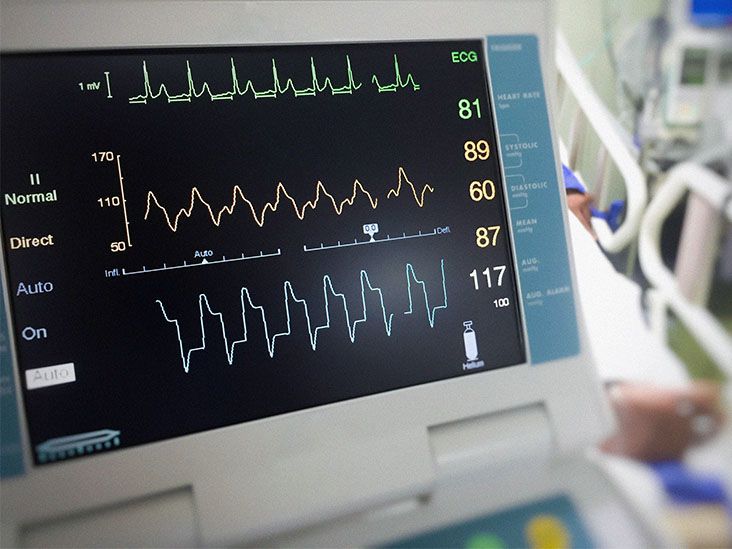
Hearing the phrase “fluid around the heart” can make anyone’s brain immediately jump to worst-case scenarios. Fair enough. The heart is not exactly an organ people enjoy imagining inside a puddle. But this condition is more nuanced than it sounds. In medical terms, fluid around the heart is usually called pericardial effusion, which means extra fluid has collected in the sac that surrounds the heart.
A small amount of fluid in that sac is normal. It works like a built-in lubricant, helping the heart move smoothly as it beats all day and all night without asking for a coffee break. Trouble starts when too much fluid builds up, builds up too quickly, or builds up because of a serious underlying condition. Some cases are mild and found by accident. Others can interfere with the heart’s ability to fill and pump properly, turning into a true emergency.
This guide explains what fluid around the heart really means, what causes it, which symptoms deserve attention, how doctors diagnose it, and what treatment can look like. We’ll also cover what people often experience in real life, because medical terms are helpful, but human experience is what actually sticks.
What does “fluid around the heart” mean?
The heart sits inside a thin, two-layered sac called the pericardium. Normally, there is just a small amount of fluid between those layers. That fluid reduces friction, so the heart can beat without the layers rubbing together like two pieces of sandpaper having a bad day.
When extra fluid collects in that space, the condition is called pericardial effusion. Sometimes the buildup happens because the pericardium is inflamed, a condition called pericarditis. In other cases, the fluid may collect because of cancer, trauma, infection, autoimmune disease, kidney problems, certain medical procedures, or other illnesses.
Not every pericardial effusion is immediately dangerous. A small effusion may cause no symptoms at all and may simply be monitored over time. But a large effusion, or one that develops quickly, can squeeze the heart and reduce its ability to fill with blood. When that pressure becomes severe, it can lead to cardiac tamponade, a life-threatening emergency.
Common causes of fluid around the heart
There is no single cause of fluid around the heart. In fact, one reason this topic can feel confusing is that the fluid itself is a finding, not a full diagnosis. Doctors still need to figure out why it is there.
1. Pericarditis and inflammation
One of the most common reasons for fluid to collect around the heart is inflammation of the pericardium. This may happen after a viral illness, after a heart attack, after heart surgery, or as part of another inflammatory condition. In many developed countries, doctors sometimes never find one clear cause, and the case is labeled idiopathic, meaning the exact trigger remains unknown.
When pericarditis is involved, the classic symptom is sharp chest pain that often gets worse with deep breathing or lying flat and feels better when sitting up and leaning forward. That posture-related detail is one of the medical world’s rare moments of dramatic flair, and it can be surprisingly useful.
2. Infections
Viral infections are common triggers of inflammation around the heart. Bacterial infections can also cause fluid buildup, though they tend to be more serious and may require antibiotics and closer monitoring. Tuberculosis remains an important cause in some parts of the world, though patterns vary by region and population.
If infection is the underlying driver, people may also have fever, chills, fatigue, or other signs that something bigger than chest discomfort is going on.
3. Autoimmune and inflammatory diseases
Conditions in which the immune system attacks the body by mistake can inflame the pericardium and lead to effusion. Examples include lupus, rheumatoid arthritis, and other immune-related disorders. In these cases, fluid around the heart may be part of a broader pattern of inflammation affecting several parts of the body.
4. Cancer
Cancer can cause pericardial effusion either by spreading to tissues around the heart or by affecting the body’s normal fluid balance and inflammatory pathways. In some patients, fluid around the heart may be one of the first clues that something more serious is happening. Cancer-related effusions may need drainage and, in some cases, more durable procedures if the fluid keeps returning.
5. Trauma, surgery, and medical procedures
Injury to the chest, heart surgery, or certain heart procedures can cause bleeding or inflammation in the pericardial space. When the fluid builds rapidly after trauma or a procedure, it is especially concerning because the pericardium may not have time to stretch. Even a smaller amount of rapidly accumulating fluid can create major pressure.
6. Kidney failure, radiation, medications, and other medical conditions
Some people develop fluid around the heart because of chronic kidney failure, certain medications, radiation therapy to the chest, metabolic problems, or systemic illness. In short, pericardial effusion can be caused by problems that begin in the heart, but also by problems that begin far beyond it.
Symptoms of fluid around the heart
The symptoms depend on how much fluid is present, how quickly it built up, and what caused it. A mild effusion may cause no symptoms and be discovered during imaging done for another reason. That can feel strange, but it is common.
When symptoms do appear, they can include:
- Chest pain or chest discomfort
- Shortness of breath, especially when lying down or with activity
- Rapid heart rate or palpitations
- Cough
- Fatigue or weakness
- Fever, if inflammation or infection is involved
- Lightheadedness or fainting
- Swelling in the legs or abdomen in more advanced cases
- Neck veins that appear more prominent
Symptoms often become more dramatic when the fluid starts to affect heart function. In cardiac tamponade, warning signs may include low blood pressure, marked shortness of breath, rapid breathing, dizziness, fainting, clammy skin, reduced urine output, and a general sense that the body is waving a giant red emergency flag.
One important point: pericarditis and pericardial effusion can mimic a heart attack. Any new chest pain should be taken seriously. Never assume it is “just inflammation” without a proper medical evaluation.
How doctors diagnose fluid around the heart
Diagnosis starts with the basics: your symptoms, medical history, and a physical exam. A clinician may ask whether you recently had a viral illness, chest injury, heart surgery, autoimmune disease, cancer, kidney disease, or radiation treatment. They will also want to know how the pain feels, whether breathing changes it, and whether you feel worse lying flat.
Physical exam
Sometimes a clinician can hear a pericardial friction rub with a stethoscope if the pericardium is inflamed. In more severe effusions, heart sounds may seem distant or muffled. Signs of low blood pressure, swelling, or shock raise concern that the fluid is affecting circulation.
Echocardiogram
The most important test for fluid around the heart is usually an echocardiogram, or echo. This ultrasound test can show whether fluid is present, how much is there, and whether the heart’s chambers are being compressed. If pericardial effusion had a résumé, “best seen on echo” would be right near the top.
Electrocardiogram, chest X-ray, CT, and MRI
Doctors may also order an electrocardiogram (ECG or EKG) to look at the heart’s electrical activity. A chest X-ray can sometimes suggest an enlarged heart silhouette if there is significant fluid. CT or MRI may provide more detail, especially if the cause is unclear or if the pericardium itself needs a closer look.
Blood tests and fluid analysis
Blood tests can help look for inflammation, infection, autoimmune disease, or metabolic causes. If fluid is drained, the sample may be tested for cancer cells, infection, or other clues about the underlying problem. That is important because treatment is not just about getting rid of the fluid. It is also about stopping it from coming back.
Treatment for fluid around the heart
Treatment depends on severity, symptoms, and cause. There is no one-size-fits-all plan, which is frustrating for people who love simple answers and also for everyone else.
Watchful waiting and follow-up
If the effusion is small, stable, and not causing symptoms, doctors may recommend monitoring with repeat echocardiograms. This approach is not doing nothing. It is active observation, with a careful eye on whether the fluid shrinks, stays the same, or starts causing trouble.
Medications
When inflammation is part of the picture, treatment often includes NSAIDs such as ibuprofen or aspirin, and often colchicine, which can help reduce symptoms and lower the chance of recurrence. If NSAIDs and colchicine are not appropriate or do not work well enough, corticosteroids may sometimes be used, especially in selected cases such as autoimmune disease.
If the cause is bacterial infection, antibiotics may be necessary. If cancer is driving the effusion, the treatment plan may include oncology care such as chemotherapy, radiation, or procedures designed to keep fluid from returning. If kidney failure or another systemic illness is involved, treating that underlying issue is part of the solution.
Pericardiocentesis
If the fluid is large, causing symptoms, or leading to tamponade, doctors may perform pericardiocentesis. In this procedure, a needle and catheter are used to drain the excess fluid from the pericardial space. It both relieves pressure and gives doctors fluid to analyze.
Many people feel noticeably better after drainage, especially if shortness of breath and pressure symptoms were caused by the effusion itself.
Pericardial window or surgery
Some patients need a pericardial window, a procedure that creates an opening so fluid can continue to drain rather than collect again. In more complex or recurrent cases, or when constrictive disease develops, surgery such as pericardiectomy may be considered.
When fluid around the heart becomes an emergency
The biggest emergency linked to pericardial effusion is cardiac tamponade. This happens when the pressure from the fluid keeps the heart from filling properly. Less filling means less blood gets pumped forward, and that means less oxygen reaches the body.
Seek urgent medical care if symptoms include:
- Sudden or severe chest pain
- Severe shortness of breath
- Fainting or near-fainting
- Rapid worsening of weakness or dizziness
- Clammy skin or signs of shock
- Low blood pressure or confusion
In an emergency, speed matters. A slowly growing effusion may allow the pericardium to stretch over time. A rapidly forming effusion is more dangerous because the heart can become compressed much sooner.
Recovery and outlook
The outlook depends heavily on the underlying cause and how quickly treatment begins. A small effusion related to a temporary inflammatory illness may resolve with medicine and follow-up. A cancer-related or trauma-related effusion can be more complicated. Recurrent pericarditis can also be frustrating because symptoms may improve, return, then improve again, as if the condition forgot it was supposed to leave.
Recovery often includes rest, follow-up imaging, and avoiding strenuous activity for a period if pericarditis is part of the diagnosis. Some people recover quickly. Others need repeated monitoring, medication adjustments, or additional procedures.
The key message is this: fluid around the heart is treatable, but it should never be ignored. The problem ranges from mild and manageable to urgent and life-threatening, and the difference often depends on how fast it is recognized and what caused it.
Real-Life Experiences: What People Often Go Through
Medical definitions are useful, but they do not fully capture what this condition can feel like in everyday life. People dealing with fluid around the heart often describe the experience as confusing at first, because the symptoms can be vague, dramatic, or somewhere awkwardly in between.
One common experience starts with what seems like a lingering chest problem after a virus. A person may think, “I pulled a muscle,” “I slept weird,” or “Apparently my ribs now hate me.” The pain may be sharp and worse when lying flat. Breathing deeply can feel uncomfortable. Sitting up and leaning forward may bring relief. At this stage, some people feel well enough to keep working, which is exactly why the condition can sneak past them for a bit.
Another common pattern is shortness of breath that gradually becomes harder to ignore. At first, it may only show up during stairs, exercise, or carrying groceries. Then it starts appearing during ordinary tasks like getting dressed, talking for too long, or trying to sleep flat in bed. Some people say they feel pressure rather than pain, while others describe a strange internal heaviness they cannot quite explain. That “something is off” feeling matters.
For people whose fluid buildup becomes significant, the experience can shift from annoying to frightening very quickly. They may notice dizziness, a racing heartbeat, or a sensation that they cannot catch a full breath. Some describe the moment as less like pain and more like their body suddenly running on low battery mode. If tamponade develops, symptoms can escalate fast, and the emotional experience is often intense: confusion, fear, and a powerful sense that this is not a problem to “wait out until Monday.”
The diagnostic process also creates its own emotional roller coaster. Many patients first worry they are having a heart attack. Others are told the pain may be reflux, anxiety, or a respiratory issue before imaging reveals an effusion. That uncertainty can be stressful. Once an echocardiogram shows fluid around the heart, people often feel two things at once: relief that the problem has been identified, and alarm that the problem involves the heart, which is not exactly a casual body part.
Treatment experiences vary widely. Someone with a mild inflammatory effusion may go home with medications, instructions to rest, and plans for repeat imaging. For them, recovery may feel more like a slow lesson in patience than a dramatic medical event. Symptoms may improve over days or weeks, but the fear of recurrence can linger longer than the chest pain itself.
For people who need drainage, the emotional arc can be different. Before the procedure, there is often anxiety about what will happen. Afterward, many report surprisingly quick relief, especially if the fluid was causing pressure and breathing problems. It is not unusual for people to say they did not realize how bad they felt until they felt better.
There is also a long-tail experience that does not get enough attention: the mental side of recovery. Even when treatment goes well, many people become hyperaware of every chest twinge, skipped beat, or deep breath for a while. That reaction is understandable. A condition involving the heart tends to leave a psychological footprint.
The most helpful takeaway from these real-world patterns is simple: symptoms do not have to be theatrical to be real. Sometimes fluid around the heart announces itself with classic red-flag signs. Sometimes it shows up disguised as fatigue, breathlessness, or pain that seems positional and odd. Paying attention early can make the entire experience shorter, safer, and a lot less dramatic than it might otherwise become.
Conclusion
Fluid around the heart, or pericardial effusion, is not a single disease but a sign that something is affecting the protective sac around the heart. Causes range from inflammation and infection to autoimmune disease, cancer, trauma, and systemic illness. Some cases are small and silent. Others cause chest pain, breathing problems, or dangerous pressure on the heart.
The good news is that modern diagnosis and treatment are often highly effective. Echocardiography can quickly identify fluid, additional testing can help uncover the cause, and treatment may range from watchful monitoring and anti-inflammatory medication to drainage procedures or surgery. The most important thing is not to ignore symptoms, especially chest pain, worsening shortness of breath, fainting, or signs of shock.
When caught and managed appropriately, many people do very well. Your heart likes rhythm, space, and calm. Too much fluid around it disrupts all three. Thankfully, medicine has a fairly strong opinion about that and several good ways to help.