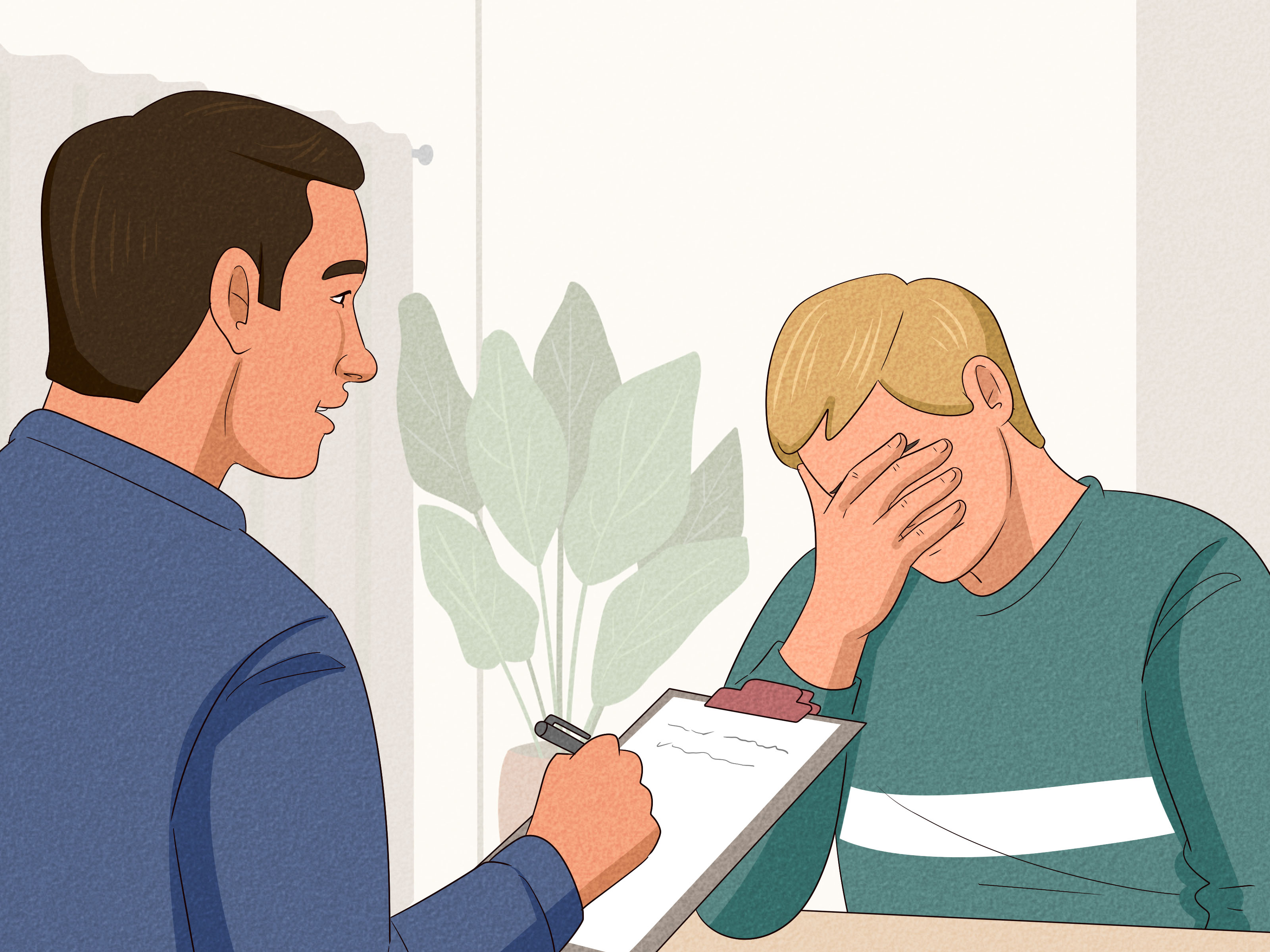
Talking to a school counselor can feel strangely intimidating. You may know they are there to help, yet walking into the counseling office can still feel like entering a room where you are expected to deliver a flawless speech about every problem you have ever experienced.
Fortunately, you do not need a perfect explanation, a dramatic opening statement, or a color-coded binder labeled “Reasons My Life Is Complicated.” You only need a starting point.
School counselors help students with academic challenges, career and college planning, friendships, bullying, family changes, stress, anxiety, grief, attendance problems, and other concerns that affect school life. They can listen, help you identify practical next steps, coordinate support within the school, and connect you with outside professionals when necessary.
This guide explains how to talk to a school counselor in eight manageable steps, including what to say, how to prepare, what confidentiality may mean, and how to follow up when one conversation is not enough.
Why You Might Talk to a School Counselor
You do not have to be failing every class or experiencing a major crisis before asking for help. A school counseling appointment can be useful whenever something is interfering with your learning, attendance, relationships, safety, concentration, or emotional well-being.
Common reasons students visit a guidance counselor include:
- Feeling overwhelmed by homework, tests, grades, or deadlines
- Having trouble with a teacher, class, schedule, or school rule
- Experiencing bullying, harassment, exclusion, or online conflict
- Feeling anxious, sad, angry, lonely, exhausted, or unable to concentrate
- Dealing with family conflict, divorce, illness, grief, housing problems, or financial stress
- Needing information about college, careers, graduation requirements, or course selection
- Wanting help with accommodations, learning difficulties, or communication with teachers
- Worrying about a friend who may be unsafe or struggling
You are allowed to ask for support even when you cannot name the exact problem. “Something feels wrong, and I do not know how to explain it” is a valid reason to begin a conversation.
How to Talk to a School Counselor in 8 Steps
1. Identify What You Want Help With
Before the meeting, spend a few minutes identifying the main concern. You do not need to diagnose yourself or solve the situation in advance. Your goal is simply to give the counselor a useful place to begin.
Try writing three short statements:
- What is happening?
- How is it affecting me?
- What kind of help might I need?
For example:
“I feel panicked before math class. I have started missing school on test days, and my grade is dropping. I want help figuring out how to manage the anxiety and talk to my teacher.”
Your concern may involve several issues at once. That is normal. Start with the one that feels most urgent or has the greatest effect on your daily life.
2. Choose the Easiest Way to Request a Meeting
Schools use different systems for scheduling counseling appointments. You may be able to email the counselor, complete an online request form, leave a note at the counseling office, or ask a teacher, administrator, nurse, or parent to help arrange the meeting.
A simple request is enough:
“Could I schedule a private meeting with you? I am having a problem that is affecting me at school.”
You do not have to describe a sensitive situation in a public hallway or crowded office. If someone asks what the meeting is about, you can say, “It is personal, and I would rather explain privately.”
Mention whether the issue is routine, time-sensitive, or urgent. A college application question may be scheduled later in the week. A threat, safety concern, or fear of going home requires immediate attention.
3. Prepare Notes and Specific Examples
Stress has a remarkable ability to erase every useful thought the moment a conversation begins. Bringing notes prevents your brain from clocking out during the meeting.
Write down important details such as:
- When the problem began
- How often it happens
- Where and when it usually occurs
- Who is involved
- How it affects your grades, sleep, attendance, mood, or relationships
- What you have already tried
- What you are afraid might happen next
For bullying or harassment, save relevant dates, messages, screenshots, witness names, and descriptions of incidents. Focus on accurate details rather than exaggerating. Clear information helps the school understand patterns and respond appropriately.
If speaking is difficult, hand the counselor a written note or show them a message on your phone. Your mouth does not have to do all the work.
4. Ask About Confidentiality Before Sharing Details
School counselors generally aim to protect student privacy and create a trustworthy environment. However, confidentiality in a school setting is not unlimited. Laws, district policies, student age, safety concerns, and the nature of the information may affect what must be shared.
A counselor may need to involve other adults when there is a serious or foreseeable risk of harm, suspected abuse or neglect, a legal requirement, or another significant safety concern. Information may also be shared with appropriate school personnel when it is necessary to provide support.
Before describing something sensitive, ask:
- “What parts of this conversation can stay private?”
- “What situations would require you to tell someone else?”
- “Would you tell me before contacting my parent or another staff member?”
- “Who might receive this information, and what would they be told?”
- “Will notes from this meeting become part of my school record?”
A responsible counselor should explain the limits of confidentiality in language you can understand. Asking these questions is not suspicious or disrespectful. It is informed self-advocacy.
5. Use a Simple Opening Sentence
The first sentence is often the hardest part, so prepare one in advance. It does not need to tell the whole story. It only needs to open the door.
Try one of these conversation starters:
- “I have been struggling lately, and I think I need some help.”
- “Something is happening at school that is making me feel unsafe.”
- “My stress is starting to affect my grades and sleep.”
- “I need advice about a problem with a friend or teacher.”
- “I do not know exactly what is wrong, but I have not felt like myself.”
- “I am worried about someone, and I am not sure what I should do.”
- “I need help explaining this situation to my parents.”
You can also begin with, “This is difficult for me to talk about.” That sentence gives the counselor valuable information: you may need extra time, patience, and gentle questions.
6. Explain How the Problem Is Affecting Your Life
Specific effects help a counselor understand the seriousness of the situation. Instead of saying only, “School is stressful,” describe what the stress is doing.
For example:
“I stay awake until two in the morning worrying about assignments. Then I am too tired to concentrate, I miss deadlines, and I feel even more anxious.”
Useful areas to discuss include:
- Changes in grades or motivation
- Frequent absences, lateness, or visits to the nurse
- Trouble sleeping, eating, concentrating, or completing work
- Headaches, stomachaches, panic, or physical tension
- Withdrawal from friends, clubs, sports, or normal activities
- Fear of a class, person, location, or trip home
- Feelings of hopelessness, worthlessness, or being unable to cope
Do not minimize your experience because another student appears to have a “bigger” problem. Counseling is not an Olympic event. Nobody receives a medal for waiting until everything becomes unbearable.
7. Ask for Clear, Practical Next Steps
A supportive conversation can feel relieving, but relief is not the same as a plan. Before leaving, ask what will happen next and who is responsible for each action.
Depending on the situation, possible next steps may include:
- Scheduling another counseling meeting
- Creating a plan for handling panic, conflict, or unsafe situations
- Communicating with a teacher about academic concerns
- Reviewing a class schedule or graduation requirement
- Connecting you with tutoring, peer support, or study-skills resources
- Discussing a formal evaluation, 504 plan, or special education process
- Referring you to a school psychologist, social worker, nurse, therapist, doctor, or community agency
- Involving a parent, caregiver, administrator, or safety professional
Ask direct questions:
“What is the first thing we can do?”
“When should I expect an update?”
“What should I do if the situation happens again tomorrow?”
School counselors provide important short-term support, but they may not offer ongoing clinical therapy. A referral does not mean the counselor is dismissing you. It may mean your needs require more time or specialized care than the school can provide.
8. Follow Up and Speak Up Again if Needed
At the end of the meeting, summarize the plan in your own words. You might say, “So I will email my teacher today, you will contact the attendance office, and we will meet again on Friday. Is that correct?”
Write down important dates, names, instructions, and promised actions. Send a brief follow-up email when appropriate:
“Thank you for meeting with me. My understanding is that we will meet again Thursday and discuss possible classroom support. Please let me know if I missed anything.”
If nothing changes, return to the counselor and explain what has happened since the first meeting. A complex concern may require several conversations.
If you feel ignored, misunderstood, judged, or unsafe, approach another trusted adult. That person might be another counselor, a teacher, school psychologist, social worker, nurse, coach, administrator, parent, or caregiver. Asking someone else for help is not rude. The purpose is to find effective support, not to protect an adult from mild professional disappointment.
What to Expect During a School Counseling Appointment
The counselor will usually ask questions to understand the situation, its effects, and any immediate safety concerns. They may ask what you want to change, what support you already have, and what solutions you have tried.
You are allowed to pause, cry, ask for water, consult your notes, or say that you need a question rephrased. You can also correct a misunderstanding. A counseling meeting is a conversation, not a courtroom cross-examination.
Signs of a Constructive Conversation
A helpful counselor should listen without mocking or shaming you, explain relevant procedures, clarify confidentiality, take safety concerns seriously, and involve you in planning whenever possible.
The counselor may not agree with every interpretation or grant every request. Still, you should leave with a clearer understanding of your options and what will happen next.
Questions Worth Asking Before You Leave
- “What do you think my options are?”
- “What can the school realistically do?”
- “Who else needs to be involved?”
- “How will my privacy be protected?”
- “Can you help me prepare for the next conversation?”
- “When should we meet again?”
- “What should I do if this becomes urgent?”
What if You Are Afraid to Talk?
Nervousness does not mean you are making the wrong decision. It often means the subject matters to you.
You can make the process easier by rehearsing with a trusted friend, family member, or teacher. You might ask that person to walk with you to the counseling office or help you write the appointment request. Depending on school rules and the nature of the meeting, you can also ask whether a trusted adult may attend part of the conversation.
Another option is to reveal information gradually. Start with the basic category:
“This involves something happening at home.”
Then ask about privacy before giving additional details. You control the pace unless there is an immediate safety emergency that requires urgent action.
When the Situation Requires Immediate Help
Do not wait for a routine appointment if you or another person may be in immediate danger. Tell the nearest trusted adult clearly: “This is an emergency, and I need help now.”
Urgent situations may include threats of violence, suspected abuse, feeling unable to stay safe, or thoughts of suicide or serious self-harm. In the United States, you can call or text 988 to reach the Suicide & Crisis Lifeline. Call 911 when there is immediate physical danger or a medical emergency.
You will not get someone “in trouble” by reporting a genuine safety concern. Protecting a life is more important than keeping a dangerous secret.
Real Experiences: What Talking to a School Counselor Can Look Like
The following realistic examples show why students do not need perfect words to receive meaningful support. Names and details are illustrative, but the situations reflect common school counseling experiences.
Experience 1: The Student Who Thought It Was “Only Grades”
Jordan requested a meeting because two grades had dropped. He planned to ask for tutoring and leave within five minutes. During the conversation, however, the counselor asked when the problem began and what homework time looked like at home.
Jordan explained that he stared at assignments for hours, felt his heart race whenever he opened the online grade portal, and slept only four or five hours on school nights. The academic problem was real, but it was connected to anxiety and exhaustion.
The counselor helped Jordan create a short-term assignment plan, contact two teachers, and identify a quiet study period during the school day. They also discussed the symptoms with Jordan’s caregiver and recommended an outside mental-health evaluation. The useful lesson was simple: Jordan did not need to determine whether the issue was “academic enough” or “mental-health enough.” He only needed to describe what was happening.
Experience 2: The Student Who Brought Screenshots
Maya had reported teasing before, but the behavior continued because adults saw each incident as an isolated disagreement. Before meeting with the counselor again, she created a timeline. She included dates, locations, screenshots of group messages, and the names of students who had witnessed the behavior.
Instead of saying, “Everyone hates me,” Maya explained, “These three students have posted comments about me six times this month, and they wait near my locker after lunch.” That specificity helped the counselor recognize a pattern, explain the school’s reporting process, and involve the appropriate administrator.
Maya also asked what would be shared with the other students and how she could report retaliation. Bringing documentation did not make her dramatic. It made the situation easier to assess and reduced the pressure to remember every detail while upset.
Experience 3: The Student Who Could Not Say the Words
Leo scheduled a meeting but became silent as soon as the counselor closed the door. After several attempts to speak, he handed over a folded note that said, “I have been feeling hopeless, and I am scared by some of my thoughts. I need help, but I cannot explain everything out loud yet.”
The note gave the counselor enough information to respond calmly, assess immediate safety, and explain which adults needed to become involved. Leo answered several questions by nodding, pointing to sentences, or writing short responses.
The conversation was not graceful, eloquent, or remotely movie-worthy. It was still successful. Help-seeking is measured by whether important information reaches a person who can respondnot by whether the student delivers it with perfect eye contact and inspirational background music.
Experience 4: The First Meeting Did Not Fix Everything
Avery left a first counseling meeting feeling disappointed. The counselor had focused on time-management strategies, while Avery believed the larger problem was an increasingly hostile relationship with a teacher.
Instead of giving up, Avery talked with a trusted coach, who helped organize the concerns into specific examples. At the second meeting, Avery said, “I tried the planning strategies, but I do not think I explained the classroom situation clearly. I feel singled out, and here are three examples.”
The counselor asked additional questions, reviewed possible communication options, and helped Avery prepare for a meeting with the teacher and department chair. The experience showed that an imperfect first conversation is not necessarily the end of the process. Students can clarify, correct, follow up, or request another support person. Self-advocacy sometimes means saying, politely but firmly, “That solution did not address the problem I came here to discuss.”
What These Experiences Teach
Students often expect counseling to produce an immediate solution. In reality, progress may begin with something smaller: naming the concern, documenting a pattern, arranging another conversation, or connecting with specialized support.
The most effective meetings tend to include honesty, concrete examples, clear privacy questions, and agreed-upon next steps. They may still feel awkward. Awkwardness is not failure. It is often what courage looks like before it has had time to improve its public-speaking skills.
Conclusion
Learning how to talk to a school counselor begins with accepting that you do not need to handle every problem alone. Identify the main concern, request a private meeting, bring useful examples, ask about confidentiality, and use a simple opening sentence. Then explain how the issue affects your life and work with the counselor to create clear next steps.
One meeting may not solve everything. Continue following up, documenting important developments, and involving another trusted adult when necessary. The goal is not to tell your story perfectly. The goal is to make sure the right person understands enough to help you move forward.