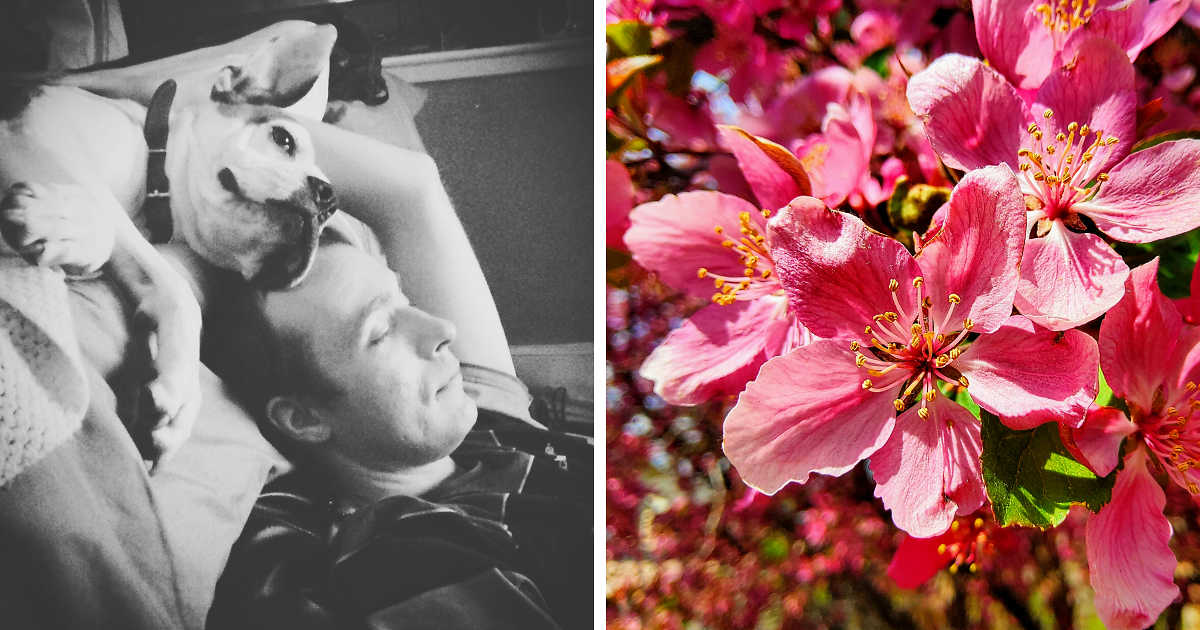
Everyone has one photo hiding somewhere in their camera roll that makes them pause, squint, and whisper, “Wait… I took that?” Maybe it is a sunrise that looks like the sky spilled mango juice over the clouds. Maybe it is your dog blinking like a wise Victorian judge. Maybe it is a blurry concert shot that somehow captured the exact second your soul left your body and joined the bass line.
The question “Hey Pandas, what’s the most stunning photo you’ve ever taken?” is more than a fun internet prompt. It is an invitation to revisit the small miracle of photography: the ability to freeze a fraction of a second and make it feel bigger than time itself. Stunning photos are not always taken with professional cameras, giant lenses, or backpacks full of gear that make you look like you are preparing to photograph the moon from a moving canoe. Often, the best photo is the one taken when timing, light, emotion, and instinct line up perfectly.
In this article, we will explore what makes a photo stunning, why certain images stay with us, and how everyday photographers can capture pictures that feel powerful, personal, and worth sharing. Whether you shoot with a DSLR, a mirrorless camera, or the phone currently wearing fingerprints like a crime scene, the same truth applies: a great photo starts with seeing.
Why One Photo Can Feel More Powerful Than a Thousand Others
Most people take more photos now than any generation before us. Birthdays, road trips, meals, pets, sunsets, receipts we swear we will need laterour phones have seen it all. Yet only a few images become unforgettable. A stunning photo usually does one of three things: it reveals beauty, captures emotion, or tells a story in a single frame.
That is why technically imperfect photos can still be breathtaking. A slightly grainy picture of your grandfather laughing at the kitchen table may matter more than a perfectly exposed landscape. A crooked snapshot of lightning over a neighborhood street may feel more alive than a carefully staged shot with flawless symmetry. Photography is not just about sharpness. It is about impact.
What Actually Makes a Photo Stunning?
A stunning photo does not need to shout. Sometimes it whispers. It may use dramatic light, unusual composition, a rare moment, or emotional contrast. The image invites the viewer to stay a little longer. It gives the eye somewhere to go and the heart something to do.
1. Light That Does the Heavy Lifting
Light is the secret ingredient in nearly every unforgettable image. Golden hour light can turn an ordinary field into a movie poster. Soft window light can make a portrait feel intimate. Backlight can create silhouettes that look poetic, even if the subject is just your cousin holding a gas station coffee.
Photographers often talk about “seeing the light” because light shapes mood. Harsh midday sun can create drama, but it can also make people look like they are being interrogated by the sun itself. Softer light, especially in the morning or late afternoon, usually flatters faces, textures, landscapes, and even suspiciously photogenic sandwiches.
2. Composition That Guides the Viewer
Composition is how you arrange everything inside the frame. It includes the rule of thirds, leading lines, negative space, framing, symmetry, contrast, and perspective. These tools help the viewer understand where to look first and why the image matters.
Imagine a photo of a person standing alone at the edge of a lake. If the horizon is straight, the subject is placed slightly off-center, and the reflection leads the eye toward them, the image feels intentional. If there is also a trash can, three strangers, and a rogue finger in the corner, the magic may need a small evacuation plan.
3. Timing That Feels Almost Impossible
Some stunning photos happen because the photographer pressed the button at exactly the right moment. A bird flying across the moon. A child jumping into a pool with pure chaotic joy. A dog catching a treat with the elegance of a furry crocodile. These photos feel lucky, but luck favors people who are paying attention.
Street photography, wildlife photography, sports photography, and candid portraits all depend heavily on timing. The best frame may exist for less than a second. Blink, and it is gone. Stay ready, and you might catch it.
4. Emotion That Makes the Viewer Care
Technical skill can make a photo beautiful, but emotion makes it memorable. A photo becomes stunning when it carries feeling: joy, loneliness, wonder, tenderness, surprise, nostalgia, or awe. That emotional connection is why family photos, travel snapshots, and once-in-a-lifetime moments often mean more than polished images made only to impress.
The viewer does not need to know the whole story. A good photo gives enough clues: a hand reaching, a face turning, a shadow stretching, a storm approaching, a smile that looks unplanned. The best images leave room for imagination.
Types of Stunning Photos People Love to Share
Nature Photos That Look Too Perfect to Be Real
Nature is the original special effects department. Sunsets, mountains, forests, oceans, snow, storms, fog, flowers, animals, and night skies all offer scenes that can make even the most casual photographer feel like a wizard with a battery percentage problem.
Some of the most stunning nature photos are not grand at all. A single raindrop on a leaf can be as captivating as a canyon. A bee on a flower can feel cinematic if the background is clean and the light is soft. The trick is not always traveling farther; sometimes it is looking closer.
Travel Photos That Capture a Feeling, Not Just a Place
The best travel photography does more than prove you went somewhere. It captures what the place felt like. A narrow alley glowing after rain. A quiet train station at dawn. A street vendor laughing. A coastline that makes your inbox seem extremely unimportant.
Many travelers make the mistake of photographing only landmarks. Famous buildings and scenic viewpoints are wonderful, but the most memorable travel photos often include atmosphere, scale, people, weather, or unexpected details. The postcard shot says, “I was here.” The stunning shot says, “This is what it felt like to be here.”
Portraits That Reveal Personality
A stunning portrait is not just a picture of a face. It is a glimpse of a person. The eyes matter, but so do posture, hands, clothing, background, light, and expression. A portrait can be serious, funny, elegant, messy, dramatic, or beautifully ordinary.
Some of the best portraits happen when people stop posing. The laugh after the formal smile. The quiet second before a ceremony. The expression someone makes when their friend says something ridiculous. That is where personality sneaks in, usually without asking permission.
Street Photos That Turn Ordinary Life Into Art
Street photography is proof that the world is constantly arranging itself into accidental theater. Reflections in puddles, shadows on walls, matching colors, strangers walking through shafts of light, signs lining up with people in funny waysthese are the small surprises that make daily life look designed.
A stunning street photo often depends on patience. Find a strong background, watch the light, and wait for the right person, gesture, or movement to enter the scene. It is part photography, part fishing, part pretending you are not intensely interested in a brick wall.
Night Photos and Sky Photos That Feel Magical
Night photography has a special kind of drama. City lights, stars, fireworks, the moon, neon signs, and lightning all create images that feel bigger than everyday life. These photos usually require more attention to exposure, shutter speed, ISO, and stability, but the results can be unforgettable.
A tripod helps with night scenes, but even phone photographers can create stunning low-light images by holding steady, using night mode, and watching for contrast. Reflections, silhouettes, and bright subjects against dark backgrounds can turn simple scenes into visual fireworkssometimes literally.
How to Capture Your Own Stunning Photo
Start With the Story
Before worrying about settings, ask yourself what the photo is about. Is it about scale? Emotion? Color? Stillness? Motion? Humor? Mystery? A clear idea helps you decide what to include and what to leave out.
If you are photographing a child running through sprinklers, the story is probably energy and joy. Use a fast shutter speed or burst mode. If you are photographing a quiet foggy morning, the story may be mood and softness. Leave space in the frame and let the atmosphere breathe.
Move Your Feet Before You Touch the Zoom
One of the easiest ways to improve a photo is to change your position. Step closer. Step back. Get lower. Move to the side. Look for a cleaner background. A tiny shift can remove distractions, improve light, or create stronger lines.
Your camera sees what you show it. If your first angle is boring, do not blame the mountain, the cat, or the birthday cake. Try another angle. The cake has done enough.
Use Light Like a Main Character
Watch where the light comes from. Side light adds depth and texture. Backlight can create glow and silhouettes. Front light can be clear and simple. Soft light reduces harsh shadows. Once you notice light, ordinary scenes become more interesting.
For portraits, open shade or window light is often flattering. For landscapes, early morning and late afternoon are reliable favorites. For dramatic scenes, storms and changing weather can create unforgettable skies. Just be safe; no photo is worth becoming a cautionary tale with a camera strap.
Keep the Background Clean
A cluttered background can weaken an otherwise strong photo. Before pressing the shutter, scan the edges of the frame. Are there poles growing out of heads? Bright objects stealing attention? Random socks? A clean background makes the subject stand out.
You can simplify by moving closer, changing your angle, using a wider aperture, or waiting for people to move. Sometimes the difference between a snapshot and a stunning photo is three steps to the left.
Take More Than One Shot
Great photographers do not always get the perfect image on the first try. They experiment. They shoot vertical and horizontal frames. They adjust exposure. They wait for expressions. They try again when the light changes.
Take multiple photos, but do not spray and pray forever. Pay attention while shooting. Review what works. Then refine. Your best photo may be the fifth frame, the fiftieth, or the one you almost did not take because you were busy saying, “Wow.”
Why Phone Photography Absolutely Counts
There is no rule that a stunning photo must come from a professional camera. Modern smartphones are powerful tools, and they are often the camera people actually have when life gets interesting. A phone photo can capture real emotion, beautiful light, perfect timing, and strong composition.
The biggest advantage of a phone is availability. The best camera is often the one in your hand when the sky turns pink, your cat makes a heroic leap, or your friend accidentally creates a Renaissance painting while eating fries. Learn your phone’s basic features: exposure adjustment, focus lock, portrait mode, night mode, grid lines, and editing tools. Small improvements can make a big difference.
Editing: Enhance the Moment, Don’t Kidnap It
Editing can help a photo match what the moment felt like. Adjusting exposure, contrast, highlights, shadows, color temperature, and cropping can turn a good image into a stronger one. But heavy editing can also make a photo look unnatural, especially when the sky becomes radioactive blue or skin looks smoother than a plastic spoon.
A good rule: edit to support the story. If the photo is peaceful, keep the tones gentle. If it is dramatic, add contrast carefully. If the colors were already beautiful, do not wrestle them into a cartoon. Editing is seasoning, not the entire soup.
How to Answer the “Hey Pandas” Prompt
If someone asks, “What’s the most stunning photo you’ve ever taken?” do not just post the image and disappear like a mysterious forest creature. Add a short story. Tell people where you were, what happened, why the moment mattered, and whether the photo was planned or pure luck.
For example: “I took this during a thunderstorm after the power went out. I was standing on the porch, trying not to look terrified, when lightning lit up the whole street. I pressed the shutter once, and somehow caught the bolt behind the old oak tree.” That short context makes the photo more memorable.
People love stunning images, but they also love the human story behind them. The camera captures the scene. Your caption captures the meaning.
Examples of Stunning Photo Moments Worth Sharing
The Accidental Masterpiece
You were not trying to make art. You were just taking a quick picture, and suddenly the reflection, light, and subject lined up perfectly. Accidental masterpieces remind us that photography rewards attention, even when planning takes the day off.
The Once-in-a-Lifetime Sky
Sunsets, storms, rainbows, eclipses, and clouds can create scenes that feel unreal. These photos are stunning because they are temporary. You cannot ask the sky to hold that pose while you clean your lens.
The Emotional Family Photo
A wedding hug, a reunion, a child meeting a pet, a quiet hospital room, a holiday tablefamily photos can become stunning because they carry memory. Years later, the technical details matter less than the feeling.
The Wildlife Surprise
A deer at sunrise, a bird landing close, a butterfly on someone’s hand, a fox in fresh snowwildlife photos feel special because the subject does not take direction. Animals do what they want, which is charming until a squirrel becomes your creative director.
Experiences Related to the Most Stunning Photo You’ve Ever Taken
The most stunning photo I can imagine from this prompt is not necessarily the cleanest or most technically perfect. It is the kind of image that happens when a normal day suddenly becomes unforgettable. Picture this: you wake up early while everyone else is still asleep. The world outside is quiet, the kind of quiet that makes even your footsteps feel rude. You step outside with a cup of coffee, not planning to photograph anything. Then you notice fog sitting low over the grass, a pale orange sunrise starting to break through, and one bird balanced on a fence like it has been hired to complete the composition.
You lift your camera or phone almost without thinking. The first photo is too dark. The second has a crooked horizon. The third catches the bird turning its head just as the sun touches the fog. That is the one. Nothing dramatic happened. No volcano erupted. No celebrity walked by carrying a raccoon. But the image feels stunning because it captured peace before the day became noisy.
Many people describe their best photos this way. The memory is attached to the frame. A beach photo becomes more than waves because it was taken after a hard year. A mountain photo becomes more than scenery because the hike nearly convinced your knees to file a complaint. A portrait becomes more than a smile because it was the last picture taken before someone moved away, graduated, recovered, changed, or began again.
One person’s most stunning photo might be a dramatic Milky Way image taken after hours of waiting in the cold. Another person’s might be a blurry picture of their toddler running toward them with chocolate on their face. Both can be stunning. Beauty is not a single category. It can be cosmic, comic, emotional, strange, peaceful, wild, or deeply personal.
The experience of taking a stunning photo often includes a tiny shock of recognition. You look at the screen and realize the camera saw what you felt. That moment is addictive in the best way. It teaches you to keep noticing. Suddenly, reflections in windows look interesting. Rain on pavement becomes a texture. Evening light on a kitchen wall becomes worth saving. Your daily walk turns into a quiet treasure hunt.
There is also humility in photography. For every stunning photo, there are usually dozens of failures: closed eyes, weird shadows, tilted buildings, mysterious blur, and at least one image where your finger makes a surprise guest appearance. That is part of the process. The impressive shot often comes from staying curious long enough to make mistakes.
So, when answering “Hey Pandas, what’s the most stunning photo you’ve ever taken?” the best response is not only the image. It is the experience behind it. Where were you? What did you notice? Why did you take the shot? What did you feel when you saw it afterward? A stunning photo is a souvenir from a moment when you were fully awake to the world.
Conclusion
The most stunning photo you have ever taken may not be the one with the fanciest settings, the sharpest lens, or the most dramatic destination. It may be the one that still gives you a feeling. Great photography combines light, timing, composition, and emotion, but its real power is memory. It lets us hold onto the split seconds that would otherwise vanish.
So go back through your camera roll. Look for the photo that makes you pause. Maybe it is a glowing landscape, a perfect candid, a strange street scene, a pet portrait, a travel memory, or a lucky shot that still feels impossible. Share it. Tell the story. Somewhere out there, another Panda is ready to say, “Okay, that is gorgeous,” and maybe also, “What camera did you use?” because the internet remains the internet.
Note: This article is original, written in standard American English, and synthesized from widely accepted photography principles including composition, light, exposure, timing, portrait technique, nature photography, travel photography, and photo storytelling.