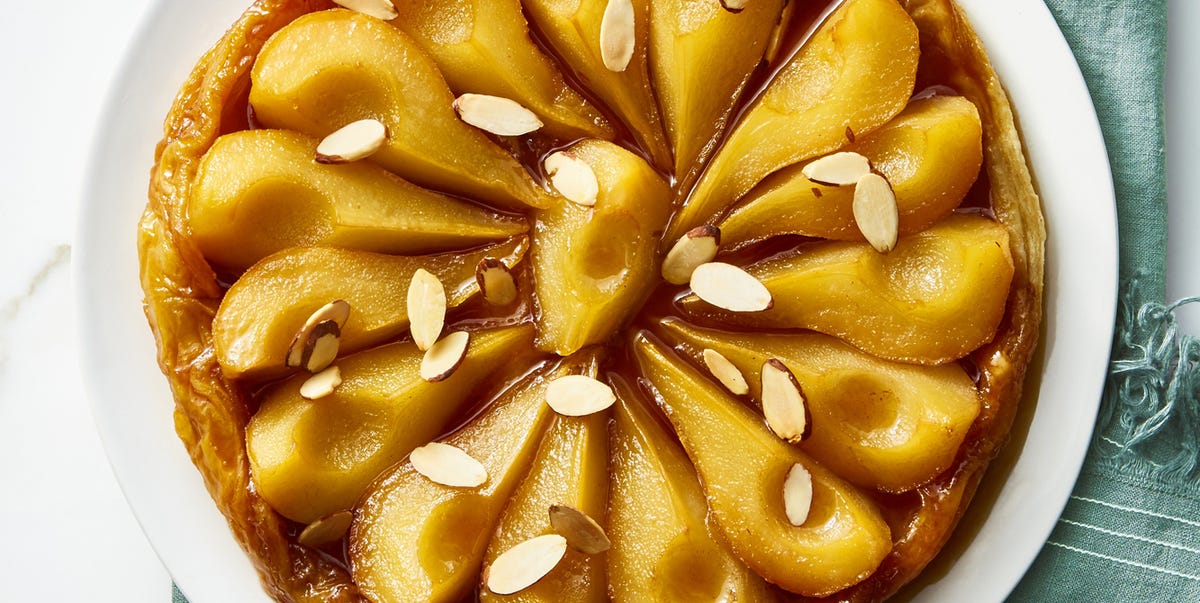
There are desserts that politely sit on the table and wait to be admired. Then there is maple-pear tarte Tatin, which makes an entrance like it owns the dining room. Glossy caramelized pears, buttery puff pastry, warm maple flavor, and that dramatic upside-down flipthis French-inspired dessert looks like it required a culinary degree, a copper pan, and at least one tiny pastry chef whispering encouragement in the corner.
Good news: it does not. The best maple-pear tarte Tatin recipe is elegant, cozy, and surprisingly practical. It uses firm pears, real maple syrup, butter, brown sugar, warm spices, and store-bought puff pastry to create a dessert that feels fancy without behaving like a diva. It is perfect for fall dinners, Thanksgiving dessert tables, winter brunches, holiday parties, or any evening when a regular pear just seems underdressed.
This guide explains how to make maple-pear tarte Tatin from scratch, why the technique works, which pears hold their shape, how to avoid a runny caramel, and what to do if the big flip makes your palms sweat. Spoiler: everyone’s palms sweat. That is part of the charm.
What Is Maple-Pear Tarte Tatin?
Tarte Tatin is a classic upside-down tart traditionally made with apples caramelized in butter and sugar, covered with pastry, baked, and inverted before serving. A pear tarte Tatin follows the same brilliant idea but swaps apples for pears, which bring a floral sweetness and softer texture. Adding maple syrup gives the caramel a deeper, woodsy flavor that tastes like autumn put on a sweater.
Unlike a standard pear tart, the fruit is not arranged on top of the pastry before baking. Instead, the pears cook underneath the dough in a skillet or oven-safe pan. As the tart bakes, the puff pastry becomes crisp and golden while the pears soak up maple caramel. When you flip it, the fruit becomes the topping and the pastry becomes the base. It is kitchen theater, but delicious kitchen theater.
Why This Is the Best Maple-Pear Tarte Tatin Recipe
The best version balances three things: tender pears, concentrated caramel, and fully baked pastry. Many failed tartes Tatin come from watery fruit, pale caramel, or pastry that looks golden on the outside but is still soft underneath. This recipe avoids those problems by using firm pears, reducing the maple-butter caramel on the stovetop, chilling the puff pastry before baking, and resting the tart briefly before flipping.
The result is a maple pear dessert with glossy fruit, crisp edges, rich caramel, and enough buttery drama to make vanilla ice cream question its life choices. It is sweet, but not syrupy. Fancy, but not fussy. Rustic, but not messy in a “we gave up” way.
Best Pears for Maple-Pear Tarte Tatin
Choose pears that are firm-ripe, not soft. Bosc pears are excellent because they hold their shape during baking and have a honeyed flavor. Anjou pears also work well because they remain relatively firm and have a clean, mellow sweetness. Bartlett pears can be delicious, but they soften quickly, so use them only if they are still quite firm.
A good test is to press gently near the neck of the pear. If it gives slightly, it is ripe. If the whole pear feels squishy, save it for smoothies or pear sauce. In tarte Tatin, mushy pears turn into fruit lava, and fruit lava is not the goal unless you are feeding a tiny dessert volcano.
Ingredients You’ll Need
For the Tart
- 1 sheet frozen all-butter puff pastry, thawed but cold
- 5 to 6 firm Bosc or Anjou pears
- 4 tablespoons unsalted butter
- 1/2 cup pure maple syrup, preferably amber or dark robust
- 1/3 cup packed light brown sugar
- 1 teaspoon vanilla extract
- 1/2 teaspoon ground cinnamon
- 1/8 teaspoon ground nutmeg
- 1/4 teaspoon kosher salt
- 1 tablespoon fresh lemon juice
- All-purpose flour, for rolling pastry
For Serving
- Vanilla ice cream
- Crème fraîche
- Lightly sweetened whipped cream
- Toasted walnuts or pecans, optional
Equipment
You will need a 9- or 10-inch oven-safe skillet, preferably cast iron or stainless steel. Avoid nonstick pans if they are not oven-safe at high heat. You will also need a rolling pin, a sharp knife, a cutting board, and a serving plate larger than the skillet. The plate matters. Trying to flip a hot tart onto a plate that is too small is how caramel escapes and begins its new life as countertop glue.
How to Make Maple-Pear Tarte Tatin
Step 1: Prepare the Puff Pastry
Lightly flour your work surface and roll the puff pastry just enough to smooth the seams. Cut it into a circle about 1 inch wider than your skillet. Place the pastry round on a parchment-lined plate or baking sheet and refrigerate it while you prepare the pears and caramel. Cold pastry puffs better, browns better, and behaves better. Basically, it is pastry with boundaries.
Step 2: Peel and Cut the Pears
Peel the pears, halve them lengthwise, and scoop out the cores with a melon baller or small spoon. Trim the stems and bottom ends. Toss the pear halves gently with lemon juice to reduce browning and brighten the flavor. If your pears are large, cut them into quarters. If they are medium, halves create a dramatic presentation.
Step 3: Make the Maple Caramel
Preheat the oven to 400°F. In your oven-safe skillet, melt the butter over medium heat. Add the maple syrup, brown sugar, cinnamon, nutmeg, vanilla, and salt. Stir until the sugar dissolves, then let the mixture bubble for 3 to 5 minutes. The caramel should thicken slightly and smell nutty, buttery, and maple-rich.
Do not walk away during this step. Caramel has the emotional range of a toddler: calm one second, chaos the next. Keep the heat moderate and stir only as needed.
Step 4: Arrange the Pears
Place the pears cut-side up or rounded-side down in the skillet, depending on the look you want after flipping. For the prettiest finish, arrange them rounded-side down in a tight circular pattern with the narrow ends pointing toward the center. Pack them snugly because pears shrink as they cook.
Simmer the pears in the caramel for 10 to 15 minutes. Spoon the caramel over the fruit occasionally. The pears should begin to soften, and the syrup should look glossy and slightly reduced. This stovetop simmer is key because pears release moisture; reducing that liquid now helps prevent a soggy tart later.
Step 5: Add the Pastry
Remove the chilled puff pastry from the refrigerator. Lay it over the pears and carefully tuck the edges down inside the skillet around the fruit. Cut three small slits in the pastry to let steam escape. This keeps the crust from puffing into a pastry balloon, which is impressive but not especially useful.
Step 6: Bake Until Golden
Transfer the skillet to the oven and bake for 25 to 35 minutes, or until the puff pastry is deeply golden, crisp, and fully puffed. If the pastry browns too quickly, lower the oven temperature to 375°F for the final 10 minutes. The tart is done when the crust looks firm and the caramel bubbles around the edges.
Step 7: Rest, Then Flip
Let the tart rest in the skillet for 8 to 10 minutes. Do not wait too long, or the caramel may firm up and cling to the pan like it signed a lease. Run a thin knife around the edge. Place a large serving plate over the skillet, hold both firmly with oven mitts, and flip in one confident motion.
If a pear sticks to the pan, simply lift it out and place it back on the tart. This is not failure. This is styling.
Pro Tips for Perfect Maple-Pear Tarte Tatin
Use Real Maple Syrup
Pure maple syrup gives this dessert its signature flavor. Pancake syrup is usually corn syrup with flavoring, and it will not create the same depth. For baking, amber or dark maple syrup is best because its flavor stands up to butter, pastry, and fruit.
Keep the Pastry Cold
Puff pastry depends on cold layers of butter. When the pastry hits the hot oven, steam lifts those layers and creates flakiness. If the pastry gets warm and floppy before baking, chill it again for 10 minutes.
Reduce Excess Liquid
Pears are juicy, and juicy fruit can make caramel thin. Simmering the pears before baking helps concentrate the syrup. If your pears release a lot of liquid, cook the mixture a few extra minutes before adding the pastry.
Do Not Fear the Flip
The flip is the big moment, but it is mostly about preparation. Use a plate larger than the skillet, wear oven mitts, and move quickly. Confidence is helpful. A clean kitchen towel nearby is also helpful, because confidence sometimes drips caramel.
Flavor Variations
Once you master the classic maple-pear tarte Tatin, you can customize it easily. Add fresh ginger for warmth, cardamom for a fragrant twist, or a splash of bourbon for a grown-up holiday flavor. A few cranberries tucked between the pears add tartness and color. Toasted pecans can be sprinkled over the finished tart for crunch.
For a brighter dessert, serve the tart with crème fraîche instead of ice cream. For a sweeter, more classic finish, vanilla bean ice cream is unbeatable. The cold cream melting into warm maple caramel is the kind of moment that makes people stop talking for a few seconds, which is how you know dessert is doing its job.
Common Mistakes to Avoid
Using Overripe Pears
Soft pears can collapse during cooking. Choose fruit that is ripe near the stem but still firm through the body.
Underbaking the Pastry
Golden is good, but deep golden is better. Pale puff pastry may taste doughy after flipping because it sits under hot fruit and caramel.
Flipping Too Late
If the tart cools too much in the skillet, the caramel can harden. Rest briefly, then invert while the caramel is still fluid.
Skipping the Salt
Salt keeps the caramel from tasting flat. Even a small amount sharpens the maple, butter, and pear flavors.
How to Serve Maple-Pear Tarte Tatin
Maple-pear tarte Tatin is best served warm or at room temperature. Slice it into wedges and serve with vanilla ice cream, whipped cream, or crème fraîche. It pairs beautifully with coffee, black tea, chai, or a simple glass of cold milk. For a holiday dessert board, add toasted nuts, dried cranberries, and small bowls of whipped cream so guests can dress their slices like tiny edible celebrities.
This tart is rich, so modest slices are fine. Of course, “modest” is a flexible word when caramel is involved.
How to Store and Reheat
Store leftover maple-pear tarte Tatin loosely covered at room temperature for up to one day, or refrigerate for up to three days. The pastry will soften over time, but the flavor will still be excellent. To reheat, place slices in a 325°F oven for 8 to 10 minutes. Avoid the microwave if possible because it can make the pastry limp. Puff pastry deserves better than that.
Make-Ahead Tips
You can peel, core, and halve the pears a few hours ahead. Toss them with lemon juice, cover, and refrigerate. You can also cut the puff pastry round in advance and keep it chilled. For the best texture, assemble and bake the tart shortly before serving. Tarte Tatin likes to be dramatic and fresh from the oven, which is fair. We all have our needs.
Experience Notes: What Making Maple-Pear Tarte Tatin Teaches You
The first time you make maple-pear tarte Tatin, the recipe may feel like a magic trick with snacks. You put the pretty part on the bottom, hide it under pastry, bake the whole thing, and then flip it over while silently bargaining with the dessert gods. But once you understand the rhythm, it becomes one of the most satisfying desserts in the home-baking universe.
The biggest lesson is patience. The caramel needs time to thicken. The pears need time to give up some juice. The pastry needs time to turn truly golden. Rushing any of these steps usually leads to a tart that tastes fine but lacks that glossy, bakery-window finish. Think of the process as a cozy kitchen pause. You are not just cooking pears; you are persuading them.
The second lesson is that imperfect desserts can still be spectacular. Sometimes the pears shift during the flip. Sometimes one slice clings to the skillet. Sometimes the caramel puddles more on one side because your stove burner has a personal agenda. None of that ruins the tart. In fact, tarte Tatin is supposed to look rustic. A perfectly symmetrical one is lovely, but a slightly wobbly one says, “I was made by a real person with butter on their sleeve.”
Maple syrup also changes the experience. Regular caramel is bold and bittersweet, while maple caramel is softer, warmer, and more layered. It brings notes of vanilla, toasted sugar, and woodsy sweetness. When paired with pears, it creates a dessert that feels less like a sugar bomb and more like a fireside conversation. Add a scoop of vanilla ice cream, and suddenly your kitchen smells like a fall festival that learned French.
This recipe is especially rewarding for people who want a showstopper without building a tiered cake or piping frosting roses until midnight. Store-bought puff pastry does the heavy lifting. The pears provide natural elegance. The maple caramel supplies the shine. Your job is mostly arrangement, timing, and one brave flip. That is a reasonable contract.
Serving it is part of the fun. Bring the tart to the table whole if possible. Let everyone see the glossy pear pattern before slicing. There is always a small pause when people realize you made it yourself. Accept the compliments gracefully, even if your inner monologue is still yelling, “I flipped hot caramel and survived.”
In the end, maple-pear tarte Tatin is more than a pear dessert recipe. It is a reminder that simple ingredients can become impressive when handled with care. Pears, butter, maple syrup, sugar, and pastry are humble enough on their own. Together, they become golden, fragrant, and memorable. That is the beauty of this dessert: it looks like a grand finale, but it begins with a skillet and a few good pears.
Conclusion
The best maple-pear tarte Tatin recipe is all about balance: firm pears, real maple syrup, buttery puff pastry, and a caramel that is cooked just enough to shine. It is easier than it looks, more impressive than a standard pie, and flexible enough for holidays, dinner parties, or quiet weekends when dessert deserves a little applause.
Use Bosc or Anjou pears, keep the pastry cold, reduce the maple caramel, and flip while the tart is still warm. Do that, and you will have a glossy upside-down pear tart with crisp pastry and rich maple flavor. It is cozy, dramatic, and just messy enough to prove it came from a real kitchen. Honestly, that is the best kind of dessert.