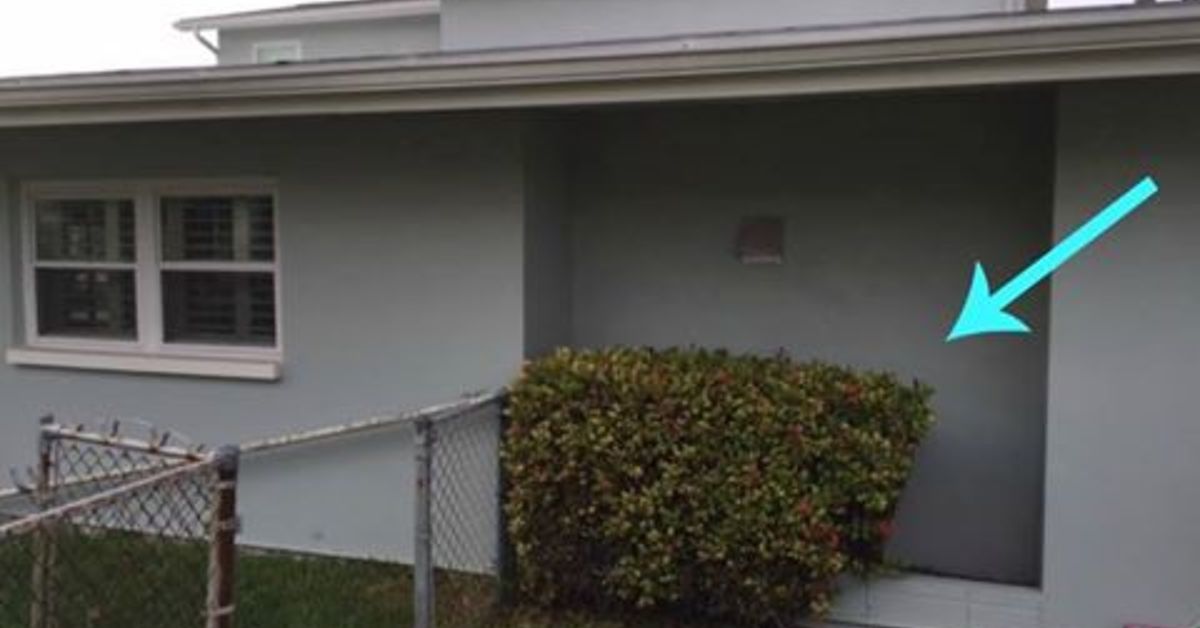
An inset storage shed is the quiet hero of outdoor organization. It does not stomp into the yard like a plastic castle. It tucks neatly into an alcove, side yard, under-deck space, fence line, patio corner, or recessed backyard zone and says, “Relax, I’ve got the rakes.” For homeowners who want more storage without sacrificing curb appeal, this compact shed style can turn awkward outdoor space into a practical, attractive, weather-aware storage solution.
Think of it as the difference between throwing your garden tools into the garage and giving them a tiny, well-behaved apartment. A smart inset shed can hold lawn equipment, gardening supplies, pool gear, bikes, seasonal decorations, outdoor cushions, grilling tools, and the mysterious extra hose nozzle everyone owns but nobody remembers buying.
But the best inset storage shed is not just a box with a door. It needs the right location, foundation, ventilation, materials, security, layout, and maintenance plan. Otherwise, your “storage solution” may become a damp little cave where spiders hold board meetings. This guide walks through how to plan, choose, build, and organize an inset storage shed that actually works.
What Is an Inset Storage Shed?
An inset storage shed is an outdoor storage structure designed to fit into a recessed or tucked-away area rather than standing alone in the middle of the yard. It may be placed beside the house, between two walls, below an elevated deck, inside a fence recess, behind a garage, or along a narrow walkway. The goal is simple: use underused space efficiently while keeping the yard clean and visually balanced.
The word “inset” matters because placement changes everything. A regular backyard shed may have open airflow on all sides. An inset shed often has limited clearance, which means moisture control, door swing, roof drainage, and access become more important. In other words, the shed cannot just be cute. It needs manners.
Common Uses for an Inset Storage Shed
Homeowners use inset sheds for many practical purposes, including storing lawn mowers, leaf blowers, snow shovels, garden tools, mulch, soil bags, patio cushions, pool chemicals, sports equipment, bicycles, holiday bins, and outdoor toys. Smaller inset sheds may serve as tool lockers, while larger designs can include shelves, pegboards, work surfaces, or a compact potting station.
For urban and suburban homes, the biggest advantage is space efficiency. A narrow side yard, for example, may be too small for entertaining but perfect for a lean-to storage shed. A recessed shed under a deck may hide bulky gear while protecting the main patio from clutter. It is the home-improvement version of discovering an extra closet you did not know you had.
Why Choose an Inset Storage Shed?
The main reason to choose an inset storage shed is simple: it gives you storage without letting storage take over. Many yards already have “dead zones,” such as the strip beside the house, the space behind the garage, or the area under stairs or a deck. An inset shed makes these places useful.
It Saves Yard Space
A freestanding shed can dominate a small backyard. An inset shed hugs the edge of the property or fits into a recessed area, preserving open lawn, garden beds, play areas, or seating zones. This is especially useful for townhomes, compact lots, and homes with narrow outdoor layouts.
It Looks Cleaner
Because the shed is visually tucked in, it can blend better with the house, fence, or landscaping. Matching trim, siding, roofing, paint, or hardware can make the shed feel intentional instead of accidental. Nobody wants a shed that looks like it wandered into the yard during a storm and decided to stay.
It Improves Organization
Outdoor clutter spreads fast. One rake becomes three. One bag of soil becomes a soil family reunion. An inset shed gives those items a defined home. When shelves, hooks, bins, and wall-mounted racks are planned properly, even a small shed can store a surprising amount.
Best Locations for an Inset Storage Shed
Location is the first major decision. Before buying or building, look for an area that is accessible, dry, level, and compliant with local rules. A shed that is perfectly sized but impossible to open because the door hits a fence is not a shed. It is an outdoor prank.
Side Yard Placement
A side-yard inset shed is ideal for long-handled tools, garden supplies, trash-bin accessories, bikes, and seasonal equipment. This location keeps items close to the front or backyard while staying mostly out of view. A lean-to roof can direct rain away from the house, but drainage must be planned carefully so water does not collect against siding or the foundation.
Under-Deck Storage
An under-deck inset shed can be excellent for patio cushions, pool supplies, outdoor games, and garden gear. The key is water management. If the deck above is not waterproofed or fitted with a drainage system, rain may drip through. Use weather-resistant materials, raise items off the floor, and consider ventilation so the space does not become a moisture trap.
Fence-Line or Backyard Corner
A backyard corner shed can use space that often goes ignored. This works well for larger inset shed designs, especially if the shed is screened with shrubs or painted to match the fence. Keep access wide enough for the biggest item you plan to store, such as a mower or wheelbarrow.
Permits, Setbacks, and HOA Rules
Before installing an inset storage shed, check local building rules. Many U.S. jurisdictions have permit exemptions for small, one-story detached accessory structures under a certain size, often around 120 to 200 square feet, but rules vary widely by city, county, state, zoning district, and homeowner association.
Even when a building permit is not required, the shed may still need to follow setback rules, easement restrictions, height limits, lot coverage limits, fire separation requirements, and appearance standards. If the shed will have electricity, plumbing, a concrete slab, or finished interior use, permits are more likely to be required. Translation: the shed may be small, but the paperwork can still wear a tiny crown.
Questions to Ask Before You Build
- How close can the shed be to the property line?
- Is the shed allowed near the house, fence, deck, or garage?
- Does the size require a permit or inspection?
- Are concrete foundations treated differently from gravel or wood platforms?
- Does the HOA restrict shed color, material, roof style, or visibility?
- Are utilities, drainage easements, or septic areas nearby?
Choosing the Right Shed Material
Inset storage sheds are commonly made from wood, resin, vinyl, composite, or metal. Each material has strengths and trade-offs. The best choice depends on climate, budget, style, maintenance expectations, and how much abuse the shed will take from weather, tools, and the occasional lawn mower bump.
Wood Inset Storage Sheds
Wood is attractive, customizable, and easy to match with a home’s architecture. It can be painted, trimmed, shelved, and modified more easily than many prefab options. Wood is great for built-in or custom inset sheds, especially when appearance matters.
The downside is maintenance. Wood needs protection from moisture, rot, insects, and peeling paint. It performs best when raised off the ground, properly sealed, and given enough ventilation. If your climate is humid, wood requires a little more attention and a little less “I’ll deal with it next year.”
Resin or Vinyl Sheds
Resin and vinyl sheds are popular because they resist rot, are relatively low maintenance, and are often sold as ready-to-assemble kits. They can be a smart option for small inset spaces where quick installation matters. Many models include molded floors, double doors, vents, and lockable handles.
However, resin sheds must still sit on a level foundation. If the base twists, doors may stop aligning correctly. Resin also has a specific look, so choose a style that complements the house rather than shouting “storage bin, but ambitious.”
Metal Sheds
Metal sheds are often affordable, durable, and useful for tool storage. Galvanized steel options can resist rust when properly coated and maintained. Metal sheds can be good for tight spaces, but they may dent, conduct heat, and create condensation if ventilation is poor.
In some communities, metal sheds may be restricted by HOA rules. If appearance is a concern, choose a color and profile that blends with the home, fence, or landscaping.
The Foundation: The Part Nobody Sees but Everyone Regrets Ignoring
A shed foundation is not glamorous, but it determines whether the shed lasts. A level, stable base helps doors close properly, protects the floor from moisture, and reduces shifting. For an inset storage shed, foundation planning is even more important because tight placement can make later repairs difficult.
Gravel Foundation
A compacted gravel pad is one of the most practical foundations for many small sheds. It drains well, supports the structure, and is easier to adjust than concrete. Use a framed border, compact the base thoroughly, and keep the pad slightly larger than the shed footprint so water does not splash directly onto the walls.
Concrete Slab
A concrete slab is strong and durable, especially for heavy equipment. It is a good choice for larger sheds or high-traffic storage. However, it costs more, may trigger permit requirements, and needs careful drainage design. A slab that channels water into the shed is not a foundation. It is a bathtub with ambition.
Wood Platform
A pressure-treated wood platform can work well for raised sheds, especially where the ground is uneven. It should be built square, level, and properly supported. Leave airflow beneath the structure to reduce moisture problems.
Design Features That Make an Inset Shed Work Better
Because inset sheds often live in tight spaces, small design choices make a big difference. Door style, roof pitch, ventilation, shelving depth, and lighting can turn a cramped box into a genuinely useful storage zone.
Door Style
Double doors are helpful for mowers, bikes, and bulky bins. Sliding doors save space in narrow walkways, while single hinged doors work for compact tool sheds. Before installation, test the door swing on paper or with tape on the ground. It is much easier to move painter’s tape than a fully assembled shed.
Roof and Drainage
A sloped roof should direct water away from the house, fence, and entry. If the shed is tucked under an eave or deck, make sure roof runoff from above does not pour directly onto it. Gutters, drip edges, flashing, and splash blocks may be needed to keep water moving away.
Ventilation
Ventilation helps control heat, odor, and moisture. Look for gable vents, ridge vents, louvered vents, or screened openings. Good airflow is especially important if storing pool products, fertilizers, damp garden tools, or outdoor cushions. Fresh air is cheaper than replacing mildew-scented cushions that smell like a swamp had a baby shower.
Lighting
Battery-powered motion lights, solar lights, or hardwired fixtures can make a shed safer and easier to use. If you add electrical outlets or permanent wiring, consult local permit rules and use a qualified electrician. Extension cords running through doors are not a long-term electrical plan.
Smart Organization for an Inset Storage Shed
The best inset storage shed uses vertical space. Floor space disappears quickly, especially once a mower, bin stack, or bicycle moves in. Walls, doors, rafters, and corners should all earn their keep.
Use Pegboards and Wall Tracks
Pegboards, slat walls, and wall-mounted track systems are excellent for hand tools, gloves, hoses, cords, and small accessories. Keep frequently used items at eye level. Store seasonal items higher up. Label zones so everything has a return address.
Add Adjustable Shelving
Adjustable shelves are better than fixed shelves because storage needs change throughout the year. Spring brings soil and seed trays. Summer brings pool toys. Fall brings leaf bags. Winter brings holiday decorations and a snow shovel that always looks slightly offended.
Use Clear Bins and Labels
Clear bins make it easier to see what is inside, but labels still matter. Use waterproof labels for categories such as “sprinkler parts,” “grill tools,” “plant food,” “holiday lights,” and “things I swear I will use someday.”
Keep Heavy Items Low
Store heavy bags of soil, fertilizer, salt, or tools near the floor. This prevents shelf sagging and reduces the risk of injury. Lightweight seasonal items can go higher. Sharp tools should be secured, not leaned in a corner like they are waiting to trip someone in a cartoon.
Safety Tips for Shed Storage
A shed often holds items that need careful handling: pesticides, pool chemicals, fuels, sharp tools, ladders, and power equipment. Keep chemicals in their original containers with labels intact. Store hazardous products away from children and pets, ideally in a locked cabinet with ventilation. Never store pool chemicals with food, animal feed, or medical supplies.
Gasoline and fuel-powered tools require extra care. Follow product instructions, avoid heat sources, and do not store fuel near ignition risks. If the shed is attached to or very close to the house, be especially cautious about flammable items.
Security and Insurance Considerations
A shed can hold expensive equipment, from battery-powered tools to bikes and lawn gear. Use a lockable door, reinforced hasp, hidden hinges when possible, and motion lighting. For higher-value contents, consider a small security camera or door sensor.
Homeowners insurance may cover detached structures and personal belongings, but limits, exclusions, and deductibles vary. Review your policy, especially if the shed stores costly equipment. Create a simple inventory with photos and serial numbers. It is boring for ten minutes and extremely helpful when something goes missing.
Maintenance Checklist for an Inset Storage Shed
A shed does not need constant attention, but it does need routine checkups. Twice a year, inspect the roof, walls, floor, foundation, door hardware, weatherstripping, vents, and drainage. Clear leaves and debris from around the base. Touch up paint or sealant on wood. Tighten loose screws. Check for pests, moisture, rust, and mildew.
After heavy storms, inspect the shed for leaks or shifting. In snowy climates, remove excessive snow from the roof if the structure is not designed for heavy loads. In hot climates, watch for warping, fading, or overheated interior conditions.
Inset Storage Shed Ideas by Home Type
For Small Backyards
Choose a slim vertical shed with double doors, wall hooks, and narrow shelves. Place it along a fence or side wall, then paint it to match the background. The shed should disappear visually while working hard quietly, like the best kind of employee.
For Gardeners
Add a fold-down potting bench, seed drawers, tool hooks, and a waterproof bin for soil. Store gloves, pruners, twine, labels, and plant food in labeled containers. Keep muddy tools near the door so dirt does not migrate across the entire shed floor.
For Pool Owners
Use ventilated, lockable storage for pool chemicals and separate shelves for floats, goggles, brushes, and testing supplies. Keep chemicals in original containers and away from anything children might access. Pool noodles may look harmless, but they multiply when unsupervised.
For Outdoor Entertainers
Store grill tools, outdoor dishes, cushions, string lights, tablecloths, and patio games in organized zones. Add hooks for extension cords and a sealed bin for textiles. A tidy shed makes hosting easier because you can find the corn holders before everyone finishes the corn.
Common Mistakes to Avoid
The first mistake is buying a shed before measuring the space carefully. Measure width, depth, height, door swing, pathway clearance, roof overhang, and access for assembly. The second mistake is ignoring the foundation. The third is forgetting ventilation. The fourth is storing everything on the floor until the shed becomes a tiny garage avalanche.
Also avoid placing the shed where water collects. Low spots, poor drainage areas, and locations under heavy roof runoff can shorten the life of the structure. Keep soil, mulch, and plants from touching the siding. Landscaping should beautify the shed, not slowly eat it.
Real-World Experience: What an Inset Storage Shed Teaches You Over Time
After living with an inset storage shed, most homeowners learn the same lesson: the shed is only as useful as the habits around it. At first, everyone imagines a magazine-worthy space with matching bins, clean shelves, and tools hanging like art. Then real life arrives carrying a muddy shovel, half a bag of potting mix, three extension cords, and a beach umbrella that refuses to fold correctly.
The best experience starts with choosing the right size. Many people underestimate storage needs because they measure only the big items. A mower may fit, but what about the gas can, battery charger, grass seed, spare blade, gloves, oil, and the little funnel that disappears every June? A good rule is to plan for the items you own now, then add breathing room for future gear. Outdoor hobbies have a way of collecting accessories like raccoons collect shiny objects.
Another practical lesson is that door access matters more than expected. A shed tucked beautifully into a side yard is frustrating if the door opens into a fence, shrub, trash bin, or air-conditioning unit. Wide, easy access encourages people to put items away. Awkward access encourages the classic homeowner phrase, “I’ll just leave it here for now,” which is how clutter begins its villain origin story.
Moisture is the next big teacher. Inset spaces often receive less sunlight and airflow than open yard areas. That means damp tools, wet cushions, cardboard boxes, and soil bags can create odors or mildew. The fix is simple but important: raise storage off the floor, use shelves, choose plastic bins instead of cardboard, keep vents open, and avoid packing items tightly against every wall. Air needs a path. If air cannot move, moisture will move in and start paying rent.
Organization also improves with zones. One zone for lawn care, one for gardening, one for seasonal decor, one for outdoor entertaining, and one small “grab fast” zone near the door. The grab-fast area is where gloves, pruners, a flashlight, trash bags, and bug spray belong. When these items are easy to reach, the shed feels helpful rather than like a storage puzzle designed by someone with a grudge.
Labels may sound fussy until the first time you need sprinkler parts in a hurry. Clear labeling saves time and prevents duplicate purchases. Without labels, you may buy another hose washer pack only to find four packs later in a coffee can labeled nothing. The shed is full of these tiny financial traps.
One of the most satisfying upgrades is a fold-down work surface. Even a small shelf on hinges can become a potting station, repair counter, or place to set tools while working. Add a magnetic strip for small metal tools, a cup for pencils, and a waterproof notebook for garden notes or seasonal reminders. Suddenly, the shed is not just storage. It is command central, only with more dirt.
Finally, a good inset storage shed changes how the whole yard feels. When equipment has a home, patios stay cleaner, garages become easier to walk through, and outdoor projects start faster. You stop wasting time searching for the hedge shears and spend more time actually trimming the hedge, which is either good news or bad news depending on how dramatic your hedge has become.
The real secret is not perfection. It is designing a shed that supports normal human behavior. Use big hooks because people will not carefully coil hoses every time. Use open bins for frequently used items. Put heavy things low because backs are not replaceable. Keep the doorway clear because future-you deserves kindness. A well-planned inset storage shed does not demand that you become a different person. It simply makes the organized choice the easiest one.
Conclusion
An inset storage shed is one of the smartest ways to add outdoor storage without sacrificing valuable yard space. Whether it sits in a side yard, under a deck, beside a garage, or along a fence, the right shed can make a home feel cleaner, calmer, and more functional. The best results come from careful planning: check local rules, choose durable materials, build on a level foundation, manage drainage, add ventilation, organize vertically, and store chemicals safely.
When done well, an inset storage shed becomes more than a place to hide clutter. It becomes a practical outdoor system that saves time, protects equipment, and makes everyday yard work less chaotic. And if it also prevents your garage from becoming a museum of tangled extension cords, that is a beautiful bonus.