The American elm tree is the kind of tree that makes people look up, slow down, and say, “Now that is a tree.” With its high arching branches, broad shade, and classic vase-shaped canopy, the American elm once formed leafy green tunnels over countless American streets. Before air conditioning became the household hero, this tree was doing unpaid climate control for neighborhoods, sidewalks, courthouses, farms, and front porches.
Scientifically known as Ulmus americana, the American elm is a native deciduous shade tree with a dramatic history. It is admired for its beauty, size, fast growth, wildlife value, and cultural importance. It is also famousunfortunatelyfor its relationship with Dutch elm disease, one of the most destructive tree diseases in North American urban forestry. But the story is not just doom, beetles, and sad stumps. Thanks to research, disease-tolerant cultivars, better tree care, and smarter planting practices, the American elm is quietly making a comeback.
This guide explores the most important American elm tree facts, including identification, growth habits, native range, benefits, common problems, planting tips, and practical experience-based advice for homeowners, gardeners, and tree lovers.
What Is an American Elm Tree?
The American elm is a large, long-lived, deciduous tree in the elm family, Ulmaceae. It is native to eastern and central North America and is especially associated with floodplains, streambanks, moist bottomlands, and historic town streets. In the right conditions, it can grow into a towering shade tree with a graceful form that looks almost architectural, as if nature hired a cathedral designer.
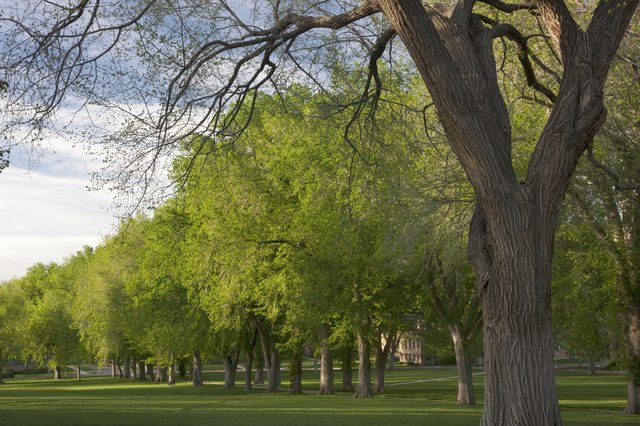
One of the most recognizable American elm tree facts is its shape. Mature trees often develop a broad vase-like canopy, with a trunk that rises tall before dividing into upward-reaching limbs. These limbs then arch outward, creating a high, spreading crown. This elegant structure made the American elm one of the most popular street trees in the United States during the 19th and early 20th centuries.
Quick American Elm Tree Facts
- Scientific name: Ulmus americana
- Common names: American elm, white elm, water elm, soft elm
- Plant family: Ulmaceae
- Tree type: Deciduous shade tree
- Native range: Eastern and central North America
- Typical height: 60 to 80 feet, sometimes taller on excellent sites
- Typical spread: 40 to 70 feet
- Growth rate: Medium to fast
- Sun preference: Full sun to partial sun
- Soil preference: Moist, fertile, well-drained soil, though it tolerates several soil types
- Main concern: Dutch elm disease
How to Identify an American Elm Tree
Identifying an American elm is not difficult once you know what to look for. The tree has several standout features, from its uneven leaf bases to its ridged bark and sweeping form.
Leaves
American elm leaves are simple, alternate, and oval to elliptical. They usually have sharply serrated or double-serrated edges, giving them a finely toothed look. One of the easiest identification clues is the uneven base of the leaf. One side typically attaches lower on the leaf stem than the other, almost as if the leaf got dressed in a hurry and buttoned its shirt wrong.
The upper surface of the leaves is usually dark green and somewhat rough, while the underside is paler. In autumn, American elm foliage often turns yellow. It may not put on the fiery drama of a sugar maple, but it still brings a warm seasonal glow.
Bark
Mature American elm bark is grayish brown with deep ridges and furrows. When cut or broken, the bark may show alternating light and dark layers. Young trees have smoother bark, but as the tree ages, the trunk becomes more rugged and textured.
Flowers and Seeds
American elm flowers appear in early spring before the leaves fully emerge. They are small, not especially showy, and unlikely to make anyone cancel dinner plans for a viewing party. After flowering, the tree produces flat, papery seeds called samaras. These small oval seed cases are dispersed by wind and often appear in large numbers.
Overall Shape
The classic American elm form is tall, arching, and vase-shaped. This is the feature that made it beloved in cities. When planted along both sides of a street, mature elms created a cathedral-like canopy overhead. It was beautiful, practical, and, as history later proved, risky when too many of the same species were planted together.
Where American Elm Trees Grow
The American elm is native across a wide area of North America, especially from the eastern United States into parts of the central U.S. and southern Canada. It naturally grows in moist woods, floodplains, riverbanks, lowlands, and mixed hardwood forests.
Although it prefers moist, fertile soil, American elm is adaptable. It can tolerate urban conditions, compacted soils, occasional drought after establishment, and a range of pH levels. That adaptability is one reason it became such a popular street tree. It could handle smoke, dust, pavement, and the daily drama of city life better than many fussier trees.
However, “adaptable” does not mean “invincible.” American elms still perform best when planted with enough room for their roots, adequate water during establishment, and protection from severe stress. A stressed elm is like a tired commuter during rush hour: technically functioning, but much more vulnerable to trouble.
How Big Do American Elm Trees Get?
American elms are large trees. In typical landscape settings, they often grow 60 to 80 feet tall with a spread of 40 to 70 feet. On excellent forest sites, especially where soil is deep and moist, mature trees may reach 100 feet or more. The trunk can become impressively wide, sometimes developing buttressed roots at the base.
This is not a tree for a tiny strip between a sidewalk and a driveway unless the cultivar and location are carefully chosen. A full-size American elm needs space. It is best suited for parks, campuses, large yards, broad streets, naturalized areas, and restoration plantings.
Why American Elms Became Iconic
The American elm was once the superstar of American street trees. Its tall trunk allowed traffic, pedestrians, and buildings to fit beneath the canopy, while its spreading branches created generous shade. It grew quickly, tolerated city conditions, and looked dignified without needing a public relations team.
In many older towns, elms lined main streets, courthouse lawns, college campuses, and residential avenues. They became symbols of permanence, civic pride, and neighborhood comfort. Their shade cooled homes and streets, reduced glare, softened architecture, and made summer walks more pleasant.
The problem was overplanting. Many communities planted American elm in long rows, sometimes almost exclusively. This created beautiful streets but poor species diversity. When Dutch elm disease arrived, the disease could move rapidly through connected root systems and beetle activity. The result was one of the most famous cautionary tales in urban forestry: never build an entire city canopy around one species, no matter how handsome it looks in a bow tie.
Dutch Elm Disease: The Big Threat
No discussion of American elm tree facts is complete without Dutch elm disease. Dutch elm disease is a fungal vascular wilt disease that blocks the movement of water inside elm trees. It is primarily spread by elm bark beetles and through root grafts between neighboring elms.
Symptoms often include wilting, yellowing, curling, or browning leaves on one or more branches. This is sometimes called “flagging” because a diseased branch stands out from the rest of the green canopy. As the disease progresses, branches die back, and the entire tree may eventually decline and die.
The disease devastated American elm populations across the United States during the 20th century. Millions of trees were lost, especially in cities where elms had been planted close together. The impact changed the look of neighborhoods almost overnight in tree years, which is still slower than internet outrage but fast for a forest.
Is the American Elm Still Worth Planting?
Yes, but with caution. The old approach of planting rows and rows of genetically similar American elms is not recommended. Today, homeowners and communities should choose disease-tolerant cultivars, plant diverse tree species, monitor for symptoms, and work with certified arborists when managing valuable trees.
Modern American elm cultivars such as ‘Princeton,’ ‘Valley Forge,’ ‘New Harmony,’ and ‘Jefferson’ have shown improved tolerance or resistance to Dutch elm disease. These trees are not magical disease-proof superheroes wearing tiny capes, but they offer much better odds than highly susceptible older selections.
Best Uses for American Elm Trees
American elms are excellent shade trees when planted in appropriate locations. Their broad canopy can cool lawns, streets, patios, and public spaces. They are also useful in ecological restoration because they are native and support wildlife.
Landscape Shade
A mature American elm can provide substantial shade. This can reduce heat around homes, improve outdoor comfort, and create a more inviting landscape. Because of its size, it works best where it has room to develop naturally.
Urban and Street Plantings
Disease-tolerant American elm cultivars are sometimes used in modern urban forestry. They can perform well along streets, in parks, and on campuses when planted as part of a diverse tree mix. The key phrase is “part of a diverse tree mix.” A city block planted with only elms may look charming at first, but history has already sent that memo in bold red ink.
Wildlife Habitat
American elm supports birds, insects, and small mammals. Its seeds are eaten by wildlife, and its branches provide nesting and cover. Native trees like American elm contribute to local ecosystems in ways ornamental imports may not fully match.
American Elm Tree Care
Proper care can help American elms grow stronger and reduce stress-related problems. Tree care begins before planting, with smart site selection and cultivar choice.
Planting Location
Choose a site with full sun or partial sun and enough space for a large canopy. Avoid planting too close to foundations, power lines, narrow sidewalks, or underground utilities. American elms need room both above and below ground.
Soil and Water
American elms prefer moist, well-drained soil, but established trees can tolerate some dryness. Newly planted trees should be watered regularly during the first few growing seasons. Deep, infrequent watering is usually better than shallow sprinkling because it encourages deeper root growth.
Mulching
Apply mulch around the base of the tree, but keep it away from the trunk. A wide mulch ring helps conserve moisture, moderate soil temperature, and reduce mower damage. Avoid the dreaded “mulch volcano,” which looks dramatic but can trap moisture against the bark and harm the tree.
Pruning
Pruning should focus on building strong branch structure, especially when the tree is young. Remove weak, crossing, or poorly attached branches. Because elm bark beetles are attracted to fresh pruning wounds during active seasons, many experts recommend pruning elms during dormancy whenever possible.
Disease Monitoring
Watch for sudden wilting, yellowing, or browning in individual branches. Early detection of Dutch elm disease may improve management options. In valuable landscape trees, a certified arborist can evaluate symptoms, recommend pruning, discuss fungicide injections, and advise on sanitation.
Common Problems of American Elm Trees
Dutch elm disease is the most famous problem, but it is not the only one. American elms may also face elm yellows, leaf spots, cankers, storm damage, and insect pests such as elm leaf beetles or elm bark beetles.
Structural issues can also occur if young trees are not trained properly. Some elms develop narrow branch angles or weak unions that may split during storms. Regular structural pruning during the early years can help create a stronger framework.
Another issue is seed litter. American elms can produce many samaras in spring. For some people, this is a charming sign of seasonal change. For others, it is “nature’s confetti,” and they did not RSVP.
American Elm Cultivars to Know
Because Dutch elm disease changed the future of elm planting, cultivars matter. Several American elm selections have been developed or promoted for improved disease tolerance.
- ‘Princeton’: A fast-growing American elm cultivar with a classic vase shape and good disease tolerance.
- ‘Valley Forge’: Known for strong Dutch elm disease tolerance and a broad, spreading form.
- ‘New Harmony’: A disease-tolerant selection with a graceful habit suitable for larger landscapes.
- ‘Jefferson’: Valued for disease resistance and urban landscape use.
- ‘Prairie Expedition’: A hardy selection often discussed for cold-climate performance.
When buying an American elm, ask local nurseries or extension professionals which cultivars perform best in your region. Regional climate, pest pressure, soil conditions, and maintenance resources all matter.
Interesting American Elm Tree Facts
American elm wood is tough, hard, and interlocked, which made it difficult to split. Historically, elm wood was used for items that benefited from strength and resistance to splitting, including wheel hubs, boxes, crates, and some furniture applications.
The tree is also strongly associated with American history and public landscapes. Many old elms became local landmarks because of their enormous size, broad shade, and long lives. Some surviving mature elms are watched closely by communities and researchers because they may carry useful genetic tolerance to Dutch elm disease.
Another fascinating fact is that American elm is both beloved and messy. It drops seeds, twigs, and leaves, and mature trees require thoughtful care. But that is true of many great shade trees. The bigger the tree, the bigger the personality.
Should You Plant an American Elm?
You should consider planting an American elm if you have enough space, want a native shade tree, and can choose a disease-tolerant cultivar. It is especially suitable for large yards, parks, open lawns, campuses, and community spaces. It is less suitable for tiny urban planting strips, small patios, or areas directly beneath utility wires.
For homeowners, the smartest approach is to treat American elm as one excellent option among many. Planting a diverse landscape with oaks, maples, lindens, hackberries, serviceberries, elms, and other regionally appropriate trees creates a healthier and more resilient canopy. Diversity is not just good social advice; it is good tree insurance.
Experience-Based Notes: Living With and Learning From American Elms
People who have spent time around American elms often describe them less like ordinary trees and more like neighborhood architecture. A young elm can look fairly modest, even a little awkward, but give it space and patience and it begins to lift its branches into that famous arching shape. One practical experience many homeowners notice is how quickly a healthy elm can change the feel of a yard. In a few seasons, a sunny patch can become a cooler, more comfortable place to sit, garden, or park a lawn chair with an iced tea and serious intentions of doing absolutely nothing.
The shade of an American elm feels different from the shade of a low, dense tree. Because the canopy is often high and spreading, it can create filtered overhead cover without making the ground feel cramped. This is one reason elms were loved along streets. They shaded people without swallowing the sidewalk. In a residential landscape, that same trait can make a large yard feel established and gracious.
Another real-world lesson is that American elms reward early pruning. A young elm may grow fast, and fast-growing trees sometimes need guidance. If structural pruning is ignored, narrow branch unions or competing leaders may become problems later. It is much easier to correct a small branch on a young tree than to deal with a heavy limb over a driveway twenty years later. Trees do not read homeowner manuals, so a little human coaching helps.
Watering is another experience-based point. Newly planted elms may be tough, but they are not self-sufficient immediately. During the first two or three years, regular deep watering can make the difference between a tree that merely survives and one that settles in with confidence. Mulch also helps, especially in hot summers, but it should be spread like a donut, not piled like a volcano.
Homeowners with mature elms often become amateur tree detectives. They learn to scan the canopy for yellowing branches, wilting leaves, or sudden dieback. That habit matters because early action can be important when Dutch elm disease is involved. If suspicious symptoms appear, guessing is not the best strategy. Contacting a certified arborist or local extension service is usually wiser than standing under the tree and hoping it is “just having a weird week.”
Communities that reintroduce American elms also learn a broader lesson: beauty should be planted with backup. The old elm-lined streets were stunning, but many were vulnerable because they lacked species diversity. Today, the best experience comes from planting American elms alongside other well-chosen trees. That way, the landscape gains the elm’s iconic form without repeating the mistakes of the past.
Perhaps the most encouraging experience is seeing disease-tolerant American elm cultivars thrive in modern landscapes. They bring back some of the old elegance while fitting into a smarter, more resilient urban forest. Watching one grow is a reminder that restoration does not always mean turning back the clock exactly. Sometimes it means learning from history, planting better, and letting a classic tree write a second chapter.
Conclusion
The American elm tree is one of North America’s most iconic native shade trees. Its tall vase-shaped canopy, fast growth, broad shade, and historic role in American streetscapes make it unforgettable. While Dutch elm disease dramatically reduced its presence, the species has not disappeared from the story. Disease-tolerant cultivars, better monitoring, careful pruning, and diversified planting have made it possible to welcome American elms back into parks, campuses, streets, and spacious home landscapes.
For anyone interested in native trees, urban forestry, or classic American landscapes, the American elm remains a tree worth knowing. It is beautiful, useful, dramatic, and slightly high-maintenancebasically the botanical version of a beloved old movie star. Plant it wisely, care for it well, and it can reward future generations with shade, character, and a living connection to America’s green past.
Note: This article is based on information synthesized from reputable U.S. forestry, university extension, arboretum, conservation, and plant database resources, rewritten in original language for web publication.