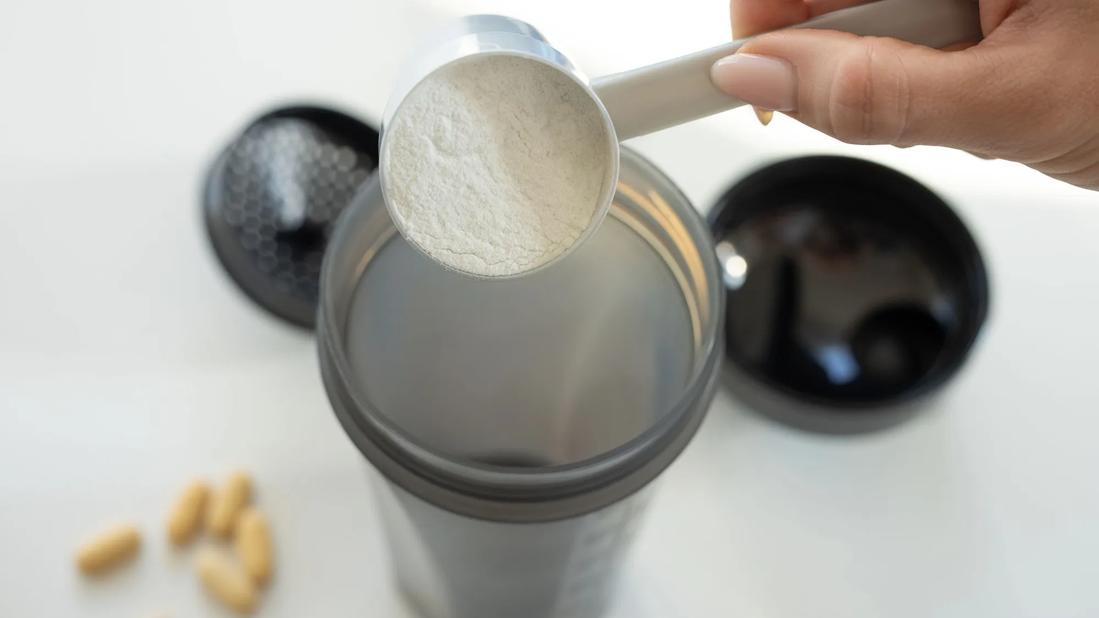
Creatine has a funny way of making gym conversations sound like chemistry class held inside a locker room. One person says you must “load” it like a moving truck. Another says just take a small scoop every day and relax. A third person swears their cousin’s roommate gained five pounds overnight, which is either creatine, pizza, or the ancient mystery of sweatpants.
So, is the creatine loading phase worth it? The short answer is: sometimes, but not always. Loading creatine can help saturate your muscles faster, which may lead to quicker improvements in strength, power, and repeated high-intensity exercise. But if your goal is long-term performance, the loading phase is optional. A steady daily dose can get you to the same destination; it just takes the scenic route.
This guide breaks down what creatine loading is, how it works, who might benefit from it, who should skip it, and how real people tend to experience the difference between loading and not loading. No bro-science fog machine required.
What Is Creatine, Exactly?
Creatine is a naturally occurring compound made from amino acids. Your body produces it mainly in the liver, kidneys, and pancreas, and you also get some from foods like red meat and seafood. Most of the creatine in your body is stored in skeletal muscle, where it helps recycle adenosine triphosphate, better known as ATPthe quick-energy currency your muscles use during short, intense efforts.
Think of ATP like the battery in a power drill. During heavy lifts, sprints, jumps, and explosive sets, the battery drains fast. Creatine helps recharge it more quickly so you can push through repeated bursts of effort. That is why creatine monohydrate is popular among strength athletes, sprinters, team-sport players, and everyday lifters who would like their last reps to feel slightly less like negotiating with gravity.
Creatine is not a steroid, not a stimulant, and not a magic powder that replaces sleep, food, training, or patience. It works best when paired with consistent resistance training, adequate protein, enough calories, and recovery habits that do not involve staying up until 2 a.m. arguing with your phone.
What Is the Creatine Loading Phase?
The creatine loading phase is a short periodusually five to seven dayswhen a person takes a higher daily amount of creatine to fill muscle creatine stores faster. A typical loading protocol is around 20 grams per day, often split into four 5-gram servings. After that, most people switch to a maintenance dose of about 3 to 5 grams per day.
The logic is simple: your muscles can store only so much creatine. If you take more at the beginning, you may reach near-saturation faster. Without loading, a daily maintenance dose can still increase muscle creatine levels, but it may take about three to four weeks instead of roughly one week.
Loading vs. Maintenance: The Real Difference
Here is the practical comparison:
- Loading approach: Faster saturation, usually within about a week, followed by a lower maintenance dose.
- No-loading approach: Slower saturation, often over several weeks, with less chance of stomach discomfort.
- Long-term result: Similar for many people if daily intake is consistent.
In other words, loading is not a secret cheat code. It is more like taking the express lane. Useful when time matters, unnecessary when patience is available.
Is the Creatine Loading Phase Worth It?
The creatine loading phase is worth it if you want faster results and tolerate higher doses well. It may be helpful before a strength block, preseason training, a short-term performance goal, or a period when you want to reach full muscle creatine stores quickly. But for most casual lifters and long-term fitness enthusiasts, loading is not required. Taking 3 to 5 grams of creatine monohydrate daily can be just as effective over time.
The best choice depends on your timeline, stomach tolerance, training goals, and health status. If you are not in a rush, the maintenance-only method is simpler, cheaper in the first week, and often easier on digestion. If you want the fastest possible saturation and can handle divided doses, loading can make sense.
How Creatine Loading Works in the Body
When you supplement with creatine, your muscles store more creatine and phosphocreatine. Phosphocreatine helps regenerate ATP during intense exercise. The more available phosphocreatine you have, the better your muscles may handle repeated high-effort work.
This does not mean you suddenly become a superhero who can deadlift a refrigerator while calmly making eye contact with the toaster. The effect is more realistic: one extra rep here, slightly better sprint repeatability there, improved training volume over time, and better ability to sustain high-intensity performance.
Those small improvements can matter. If creatine helps you complete a few more quality reps each week, that added training stimulus may contribute to strength and muscle gains over months. Creatine is not dramatic in the way supplement ads often pretend, but it is well studied, practical, and unusually reliable compared with many flashy powders wearing neon labels.
Potential Benefits of a Creatine Loading Phase
1. Faster Muscle Saturation
The biggest benefit of loading is speed. Instead of waiting several weeks for your muscles to reach higher creatine stores, loading can help you get there in days. This is especially useful if you are starting a new training cycle or preparing for a short-term performance event.
2. Quicker Strength and Power Support
Creatine tends to support activities that depend on short bursts of power. That includes weightlifting, sprinting, jumping, football, basketball, hockey, wrestling, and high-intensity intervals. Loading may help these benefits appear sooner, although your training still has to do the heavy liftingliterally.
3. Better Repeated Effort
Creatine is most useful when your body needs to repeat intense efforts with limited rest. For example, a set of heavy squats, repeated sprints, or multiple explosive plays in a game may benefit from improved phosphocreatine availability.
4. Motivation From Early Feedback
Some people like loading because they notice changes quickly. A bit more fullness in the muscles, a small bump in scale weight from water retention, or slightly better performance can motivate them to stay consistent. That mental boost can be useful, as long as expectations stay realistic.
Possible Downsides of Creatine Loading
1. Digestive Discomfort
The most common complaint during loading is stomach trouble. Taking large amounts at once may cause bloating, cramping, nausea, or diarrhea. Splitting the daily amount into smaller servings can help, but some people simply do better with a lower daily dose.
2. Temporary Water Weight
Creatine pulls water into muscle cells, which is part of how it works. During loading, some people gain a few pounds quickly. This is usually water, not instant muscle. If the scale jumps and you panic, take a breath. Your body did not build a biceps apartment complex overnight.
3. More Complicated Routine
Taking creatine four times a day for a week sounds easy until life starts behaving like life. School, work, errands, training, forgetting your shaker bottle, and discovering a scoop in the bottom of your backpack can make loading annoying. A once-daily maintenance dose is simpler.
4. Not Necessary for Long-Term Results
If you are training for general fitness, strength, or muscle gain over months and years, loading probably will not change your long-term outcome much. Consistency matters more than speed. Creatine rewards the person who remembers the small daily habit, not the person who treats week one like a supplement-eating contest.
Who Might Benefit Most From Creatine Loading?
Creatine loading may be useful for people who have a near-term performance goal. An athlete entering preseason, a lifter beginning a strength program, or someone returning to structured training after a break may appreciate faster saturation.
It may also appeal to people who already know they tolerate creatine well. If you have used creatine before without stomach issues, loading is less of a mystery. You already know whether your digestive system treats creatine like a friendly guest or a suspicious stranger.
Vegetarians and people who eat little red meat or seafood may also respond noticeably to creatine because their baseline intake from food may be lower. That does not mean they must load, but they may experience meaningful benefits from supplementation in general.
Who Should Skip the Loading Phase?
Many people are better off skipping loading and starting with 3 to 5 grams daily. This includes beginners, people with sensitive digestion, people who dislike complicated supplement schedules, and anyone who does not need fast results.
People with kidney disease, liver disease, high blood pressure concerns, dehydration issues, or those taking medications that affect kidney function should talk with a healthcare professional before using creatine. Pregnant or breastfeeding individuals should also seek medical guidance first. Teen athletes should involve a parent, coach, physician, or registered dietitian before using supplements, especially at loading doses.
Creatine is generally considered safe for healthy people when used appropriately, but “generally safe” does not mean “perfect for every body in every situation.” Supplements are tools, not personality traits. Use the tool only if it fits the job.
Creatine Loading Dosage: What Is Commonly Used?
A common loading plan is 20 grams per day for five to seven days, divided into four 5-gram servings. After loading, the usual maintenance dose is 3 to 5 grams per day. Some protocols use body weight, such as about 0.3 grams per kilogram per day during loading, followed by a smaller daily maintenance amount.
For people skipping the loading phase, 3 to 5 grams daily is the standard simple approach. It may take longer to saturate muscle creatine stores, but the final destination is similar for many users.
Should You Take Creatine With Food?
You can take creatine with water, juice, a protein shake, or a meal. Taking it with food may reduce stomach discomfort for some people. The exact timing is less important than daily consistency. Morning, post-workout, dinner, or whenever you remember before brushing your teeth like a responsible adult-in-trainingall can work.
Creatine Monohydrate vs. Other Forms
Creatine monohydrate remains the most researched and recommended form. It is effective, widely available, and usually affordable. Other forms, such as creatine hydrochloride, buffered creatine, or creatine nitrate, often claim better absorption or fewer side effects, but they do not consistently outperform plain creatine monohydrate for most people.
If your supplement budget has boundaries, creatine monohydrate is the sensible choice. Fancy labels may look exciting, but your muscles do not give bonus points for glittery marketing language.
Common Myths About the Creatine Loading Phase
Myth 1: You Must Load Creatine or It Will Not Work
False. Loading helps creatine work faster, not necessarily better in the long run. A daily maintenance dose can still increase muscle creatine stores over time.
Myth 2: Creatine Loading Builds Instant Muscle
Not exactly. Early weight gain is often water stored in muscle tissue. Actual muscle growth requires training, nutrition, and time. Creatine can support the process, but it does not replace the process.
Myth 3: More Creatine Means More Results
Once your muscles are saturated, extra creatine does not keep stacking benefits forever. Taking more than needed may simply increase the chance of digestive problems and waste money. Your muscles are not unlimited storage units.
Myth 4: Creatine Is Only for Bodybuilders
Creatine is popular among bodybuilders, but it is also used by strength athletes, field-sport players, older adults doing resistance training, and recreational exercisers. Its main value is supporting high-intensity performance and training adaptation.
How to Decide If Loading Is Right for You
Ask yourself three practical questions:
- Do I need faster results? If yes, loading may be useful. If no, daily maintenance is enough.
- Do I tolerate supplements well? If your stomach is sensitive, skip loading or use smaller divided doses.
- Will I actually follow the plan? If four servings a day feels annoying, choose the simpler routine.
The best creatine plan is the one you can follow consistently without feeling like you accidentally adopted a part-time job.
Practical Examples
Example 1: The Preseason Athlete
A college soccer player has three weeks before preseason testing. Loading may help them reach higher creatine stores quickly, giving them more time to train with full saturation before testing begins. In this case, loading can be worth considering with professional guidance.
Example 2: The Casual Gym Beginner
A beginner lifting three days per week wants to build strength over the next year. There is no urgent deadline. A daily 3 to 5 gram dose is probably the better choice: simple, effective, and less likely to upset the stomach.
Example 3: The Sensitive-Stomach Lifter
Someone tries loading and feels bloated by day two. They do not need to quit creatine entirely. Switching to a smaller daily dose with food may solve the problem. Sometimes the issue is not creatine itselfit is the “let’s dump a mountain into my shaker” strategy.
Safety Tips Before Using Creatine
Choose a product that is third-party tested when possible, especially if you are an athlete subject to testing rules. Look for simple creatine monohydrate without unnecessary stimulant blends. Stay well hydrated, follow label directions, and avoid combining creatine with extreme dieting, dehydration practices, or aggressive supplement stacks.
Creatine should not be used as an excuse to train recklessly. If your joints, sleep, and recovery are waving tiny red flags, more creatine is not the answer. Better programming, better rest, and better nutrition are usually the missing pieces.
The Verdict: Is Creatine Loading Worth It?
The creatine loading phase is worth it for people who want faster muscle saturation and are comfortable with higher short-term dosing. It can be especially useful for athletes or lifters with a deadline. However, it is not required. For most people, taking 3 to 5 grams of creatine monohydrate daily is simpler, easier on digestion, and just as effective over the long term.
If creatine were a road trip, loading would be the highway. Maintenance dosing would be the scenic route. Both can get you to the same place. The real question is whether you need to arrive fasterand whether your stomach agrees with the travel plan.
Real-World Experiences With the Creatine Loading Phase
In real gyms, creatine loading stories tend to fall into a few familiar categories. The first is the “fast responder” experience. This person starts loading on Monday, trains normally, and by the end of the week notices fuller muscles, a small increase on the scale, and maybe an extra rep or two on familiar lifts. They are excited, partly because something is happening quickly and partly because early progress is extremely good at making people believe their shaker bottle contains ancient warrior dust. For these people, loading feels worth it because the feedback loop is fast.
The second experience is the “my stomach filed a complaint” group. These users try 20 grams per day, often take too much at once, and quickly meet bloating, cramps, or bathroom urgency. Their muscles may be on board, but their digestive system has requested a formal meeting with management. Many of these people do better when they stop loading and switch to 3 to 5 grams per day with a meal. After a few weeks, they often get the same performance support without the digestive drama. For them, loading is not worth the inconvenience.
The third group is the “scale shock” crowd. They load creatine, gain two to five pounds, and worry they somehow gained fat in a week. In most cases, the quick increase is water stored with creatine in muscle tissue. That can be normal, but it may bother athletes in weight-class sports or anyone who feels mentally attached to a specific number on the scale. This is one reason loading should be timed carefully. If making weight matters, a sudden scale jump is not a fun surprise. It is the kind of surprise that makes people stare at the bathroom scale like it personally betrayed them.
The fourth experience is the “nothing happened” group. This person loads creatine, waits for fireworks, and gets more of a candle flicker. They may already eat a lot of meat or fish, have naturally higher creatine stores, or expect creatine to feel like caffeine. Creatine usually does not feel like a stimulant. It is subtle. The benefits often show up as improved training volume, repeated effort, and gradual progress rather than a lightning bolt during warm-ups. For this group, the loading phase can feel underwhelming, even if it is still doing something behind the scenes.
The fifth experience is the “slow and steady wins” group. They skip loading, take one small scoop daily, and forget about it. Three or four weeks later, their workouts feel a little more productive. Their body weight may rise slightly, but not as suddenly. Their stomach is calm. Their routine is boring in the best possible way. This is often the most realistic approach for busy adults, beginners, and people who prefer simple habits. No alarms, no four-dose schedule, no measuring powder like a stressed-out pastry chef.
Across these experiences, the pattern is clear: loading is a tool, not a rule. It is useful when speed matters and tolerance is good. It is unnecessary when the goal is long-term strength, muscle, and performance. The most successful creatine users are usually not the ones with the most complicated protocol. They are the ones who choose a reasonable dose, stay consistent, train hard, recover well, and remember that supplements are supposed to support the plannot become the plan.
Note: This article is for educational purposes only and should not replace guidance from a qualified healthcare professional. Anyone with medical conditions, kidney concerns, medication use, pregnancy, breastfeeding, or under-18 athletic participation should seek professional advice before using creatine or any supplement.