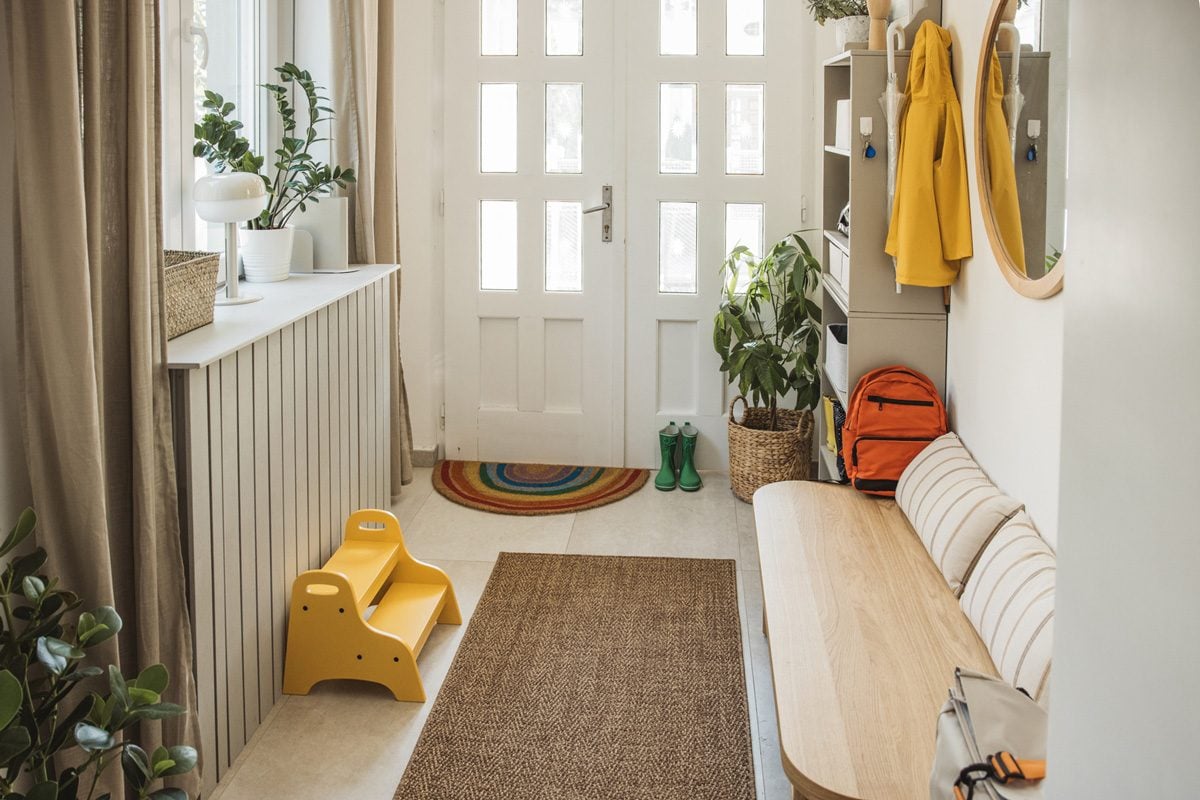
Your entryway is the tiny stage where daily life makes its grand entrance: shoes fly off, keys disappear, backpacks slump dramatically, and yesterday’s mail starts plotting a hostile takeover. Whether you have a spacious foyer, a hardworking mudroom, a narrow hallway, or just a lonely wall beside the front door, smart entryway storage ideas can turn the chaos into a calm, welcoming zone.
The secret is not buying more bins and hoping your sneakers develop manners. The real goal is to create simple systems that match how your household actually moves. The best entryway organization works because it gives every item a logical landing spot: shoes near the floor, coats on hooks, keys at eye level, bags within reach, and seasonal extras tucked away before they multiply like rabbits in a linen closet.
Below are 11 practical, stylish, and realistic entryway storage ideas that keep clutter under control without making your home feel like a locker room. Use one idea, combine several, or build your own mini mudroom from scratch. Your future self, rushing out the door with coffee in one hand and car keys exactly where they should be, will be deeply grateful.
Why Entryway Storage Matters More Than You Think
The entryway is one of the hardest-working spots in the house. It handles daily traffic, weather gear, pet supplies, sports equipment, shopping bags, mail, and the mysterious single glove that appears every winter with no matching partner. When this area lacks a system, clutter spreads quickly into living rooms, kitchens, stairways, and bedrooms.
A well-organized entryway does three important things. First, it saves time because essentials are easy to find. Second, it protects your floors and furniture by giving wet shoes, umbrellas, and coats a proper place to land. Third, it improves the first impression of your home. Guests may not notice your perfectly folded towels, but they will notice a mountain of shoes doing interpretive dance by the front door.
11 Entryway Storage Ideas That Keep Clutter Under Control
1. Add a Storage Bench for Shoes, Bags, and Quick Seating
An entryway storage bench is the multitasking hero of clutter control. It gives you a place to sit while putting on shoes, while the space underneath or inside the bench keeps footwear, tote bags, dog leashes, and seasonal accessories contained. For small entryways, choose a narrow bench with open cubbies underneath. For a cleaner look, select a lift-top bench or one with drawers so visual clutter stays hidden.
Open cubbies work especially well for families because each person can have a designated shoe slot. If your household includes children, label each cubby with names or simple icons. If you prefer a more polished design, slide matching baskets under the bench to hide sneakers, flip-flops, scarves, and gloves. The baskets make cleanup easy: pull, toss, slide back, pretend your home is always this composed.
For best results, keep only everyday shoes in the bench. Off-season footwear should live in a closet, under-bed bin, or garage storage area. A storage bench is not meant to become a retirement village for every shoe you have ever owned.
2. Use Wall Hooks Instead of a Bulky Coat Rack
Wall hooks are one of the simplest entryway organization ideas, and they are especially useful in narrow hallways or apartments where floor space is limited. Unlike a freestanding coat rack, hooks do not wobble, tip, or slowly become a leaning tower of outerwear. They keep coats, bags, hats, dog leashes, and umbrellas visible and easy to grab.
Install hooks at different heights to make the system usable for everyone. Adult-height hooks can hold coats and work bags, while lower hooks help kids hang backpacks without turning the floor into a backpack parking lot. If you want a more decorative look, choose a Shaker peg rail, brass hooks, matte black hooks, or wood-and-metal combinations that match your interior style.
The biggest rule with hooks is restraint. Too many items on one hook create instant mess. Give each frequently used item its own spot, and rotate seasonal pieces. If it is July, the heavy winter parka does not need front-row seating.
3. Install a Floating Shelf for Keys, Mail, and Sunglasses
A floating shelf creates an instant drop zone without taking up floor space. It is ideal for small entryways, rental homes, and awkward corners where a console table will not fit. Use it to hold a small tray for keys, a dish for coins, sunglasses, wallet, hand sanitizer, or outgoing mail.
Choose a shelf with built-in hooks if you want extra function. A slim shelf with hooks underneath can handle lightweight bags, scarves, masks, hats, or pet leashes. This setup is especially helpful near the front door because it captures the tiny items that normally disappear into couch cushions or kitchen counters.
To avoid clutter, keep the shelf styled but practical. One tray, one small decorative object, and one mail sorter are plenty. If the shelf becomes a museum of receipts, batteries, lip balm, and mystery screws, reset it weekly.
4. Choose a Slim Shoe Cabinet for a Cleaner Look
If shoe piles are your entryway’s main villain, a slim shoe cabinet can restore order fast. Unlike open racks, shoe cabinets hide footwear behind doors or tilt-out compartments, making the entryway look calmer and more intentional. They are excellent for small foyers because many models are shallow enough to fit along a narrow wall.
Tilt-out shoe cabinets are particularly space-saving. They store shoes vertically, which keeps pairs organized without hogging floor space. Look for cabinets with ventilation or open backs to prevent odors from building up. Because yes, shoes need air. They have been places.
Use the top of the cabinet as a mini console table. Add a tray for keys, a lamp for warmth, a mirror above it, and perhaps a small plant if your entryway has enough light. The result is practical storage that looks like decor instead of damage control.
5. Create a Family Command Center Near the Door
A family command center keeps daily life from scattering across the house. It can include a wall calendar, bulletin board, mail organizer, key hooks, charging station, and labeled folders for school papers, bills, coupons, or permission slips. If your mornings regularly involve someone asking, “Where is the form I needed today?” this idea may save your household from low-level chaos.
Mount the command center where people naturally enter and exit. Use vertical space so the floor stays clear. A corkboard or magnetic board can hold reminders, schedules, invitations, and grocery lists. A wall-mounted file sorter can separate incoming mail, outgoing mail, and papers that need action.
Keep it lean. A command center should support daily routines, not become a paper jungle. Schedule a weekly five-minute reset to recycle old notices, clear expired coupons, and move important documents to their permanent home.
6. Use Baskets to Hide Everyday Clutter Beautifully
Baskets are the polite way to say, “We own things, but we do not need to look at all of them right now.” They are perfect for hats, gloves, scarves, pet toys, reusable shopping bags, sports gear, and children’s accessories. Place baskets under a bench, on shelves, inside cubbies, or beside a console table.
For a cohesive entryway, choose baskets in the same color family or material. Woven baskets add warmth, wire baskets feel airy and modern, and fabric bins are soft and kid-friendly. Lidded baskets are best for visual calm, while open baskets are best for grab-and-go items.
Give each basket a clear purpose. One for winter accessories, one for pet supplies, one for outdoor toys, and one for reusable bags. Without categories, baskets become attractive clutter buckets, which is still clutterjust wearing a cute outfit.
7. Turn a Hall Closet Into a Mini Mudroom
If your entryway has a hall closet, you have hidden potential. Instead of using it as a dark cave for forgotten coats and old vacuum attachments, transform it into a mini mudroom. Add shoe shelves at the bottom, hooks on the inside walls or door, bins on the top shelf, and a small basket for gloves or dog-walking supplies.
For a more open feel, some homeowners remove the closet door and create a built-in look with wallpaper, paint, hooks, baskets, and a small bench or shoe rack. This can make the entry feel larger and more functional, especially when the closet is shallow or awkward.
If you keep the door, use the back of it. Over-the-door organizers can hold umbrellas, hats, mittens, sunscreen, lint rollers, and other small essentials. The goal is to make the closet work harder without making it impossible to close.
8. Build Vertical Storage With Shelves and Cubbies
When floor space is limited, go vertical. Wall-mounted shelves, stacked cubbies, pegboards, and tall storage units can turn a blank wall into a complete entryway organization system. Vertical storage is especially useful for apartments, narrow foyers, and homes without a true mudroom.
Place heavier items low and lighter items high. Shoes, backpacks, and sports gear should stay near the floor. Hats, baskets, and occasional-use items can go on upper shelves. If you use open shelves, balance function with visual order by grouping items in bins or baskets.
A tall cubby system can also create a locker-style setup for families. Assign each person a column or section for coats, shoes, bags, and accessories. This gives everyone ownership of their own space, which may not magically make kids organized, but it does remove the excuse of “I didn’t know where it goes.”
9. Add a Console Table With Drawers
A console table is a classic entryway furniture piece, but the most useful versions include drawers. Drawers hide keys, wallets, stamps, dog bags, lip balm, spare chargers, and other small items that tend to clutter surfaces. A narrow console can fit behind a door swing or along a hallway while adding style and function.
Style the top with a lamp, tray, mirror, or vase, but leave open space for practical use. If every inch is covered with decor, you will end up putting mail on the floor, and the floor has enough responsibilities already. Under the console, add baskets or stools for extra storage.
For small spaces, choose a wall-mounted console or half-moon table. These options provide a landing zone without overwhelming the entryway. A mirror above the table can reflect light and make the space feel larger.
10. Use a Boot Tray for Wet Shoes and Umbrellas
A boot tray is inexpensive, simple, and surprisingly powerful. It corrals wet shoes, muddy boots, dripping umbrellas, and garden clogs before they spread dirt across your floors. Place one near the door during rainy or snowy seasons, and choose a style that is easy to rinse clean.
For better airflow, use a tray with a raised insert or add smooth river stones so shoes can drain instead of sitting in puddles. If your entryway is tiny, slide the boot tray under a bench. If you have a side entrance, garage entry, or mudroom, keep a larger tray there for work boots and outdoor gear.
The boot tray is also a great training tool for households. It sends a clear message: wet shoes live here, not on the rug, not in the hallway, and definitely not beside the sofa like a tiny mud exhibit.
11. Edit the Entryway Seasonally
No storage solution can save an entryway that is holding too much. The most effective entryway organization habit is seasonal editing. Every few months, remove items that do not belong, relocate out-of-season gear, donate shoes that are rarely worn, toss broken umbrellas, and recycle old mail or packaging.
Keep the entryway focused on daily use. In summer, it may need sunscreen, sunglasses, caps, sandals, and reusable shopping bags. In winter, it may need gloves, scarves, boots, coats, and an umbrella stand. The point is not to store your entire life at the front door. The point is to support what you actually use this season.
A good rule is the “one-week test.” If an item has sat in the entryway for more than a week without being used or moved, it probably needs a better home. Clutter often builds because the entryway becomes a waiting room for decisions. Make the decisions quickly, and the space will stay easier to manage.
How to Choose the Right Entryway Storage for Your Home
Before buying shelves, hooks, benches, or cabinets, watch how your household uses the entryway for a few days. Notice where shoes land, where keys are dropped, where bags pile up, and what items people reach for before leaving. Your storage should solve real behavior, not imaginary magazine behavior.
If shoes are the biggest problem, start with a shoe cabinet, bench cubbies, or boot tray. If coats and bags are the problem, install hooks or a peg rail. If paper clutter is the issue, add a mail sorter and command center. If your entryway looks messy even when everything is technically “organized,” add closed storage with drawers, doors, or lidded baskets.
Also consider traffic flow. Leave enough space for doors to open fully and for people to pass through comfortably. A beautiful bench that blocks the hallway will quickly become a shin-level enemy. Measure carefully, especially in small entryways.
Small Entryway Storage Tips That Make a Big Difference
Small entryways need smart editing and vertical thinking. Use wall hooks instead of bulky furniture. Choose slim cabinets instead of deep shelves. Add a mirror to reflect light. Pick furniture with legs or open bases to keep the area from feeling heavy. Stick to a limited color palette so the space looks calm rather than crowded.
Lighting matters too. A dark entryway feels smaller and more cluttered, even when it is clean. Add a wall sconce, small lamp, picture light, or brighter ceiling fixture to make the space feel welcoming. A washable rug can define the entry zone and catch dirt, while a nonslip pad keeps it safe.
For renters, removable hooks, freestanding benches, over-the-door organizers, and narrow bookcases can create storage without permanent changes. You do not need custom cabinetry to control clutter. Sometimes a $20 hook rail and a basket with a job title can change everything.
Entryway Storage Ideas by Household Type
For Families With Kids
Use low hooks, labeled baskets, washable rugs, and individual cubbies. Make storage easy to reach, easy to understand, and easy to reset. Kids are more likely to use systems that require one step, not seven.
For Pet Owners
Create a pet station with leash hooks, waste bags, towels, treats, and paw wipes. A small basket near the door can hold walking essentials so you are not hunting for a leash while your dog performs a full-body tap dance.
For Apartment Dwellers
Focus on vertical storage, slim shoe cabinets, floating shelves, and wall hooks. If your door opens directly into a living room, use a rug, narrow console, or storage bench to visually define the entry zone.
For Busy Professionals
Build a streamlined drop zone with a tray for keys, a charging station, a drawer for work essentials, and a hook for your daily bag. Keep the system minimal so mornings feel less like a scavenger hunt.
Common Entryway Storage Mistakes to Avoid
The first mistake is using too much open storage. Open hooks, shelves, and cubbies are convenient, but too many visible items can make the entryway look cluttered even when everything has a spot. Balance open storage with closed cabinets, baskets, or drawers.
The second mistake is storing off-season items by the door. Snow boots in July and beach bags in January only create crowding. Rotate your entryway like a tiny seasonal wardrobe.
The third mistake is ignoring maintenance. Even the best entryway storage ideas need a reset. Set aside five minutes once a week to return stray items, recycle mail, empty baskets, and straighten shoes. It is not glamorous, but neither is tripping over a soccer cleat before breakfast.
Real-Life Experiences With Entryway Storage That Actually Works
In many homes, the entryway does not fail because people are messy. It fails because the system asks people to behave in ways they never will. A family that drops shoes immediately inside the door will not suddenly carry them to a bedroom closet every night. A person who always empties pockets on the nearest surface will not start filing receipts in a home office across the house. Good entryway storage respects real habits and gently improves them.
One of the most effective changes I have seen is replacing a decorative bench with a storage bench. The old bench looked charming, but it had no hidden function, so shoes gathered underneath in a wild little footwear colony. Once baskets were added under the bench, the same behavior became organized. People still kicked off their shoes in the same spot, but now the shoes had a container. That is the magic: do not fight the habit, design around it.
Another surprisingly powerful upgrade is the humble key tray. Many households lose keys not because keys are mischievous, although evidence suggests they might be, but because there is no official landing place. A small tray on a floating shelf or console table creates a home for keys, wallets, sunglasses, and earbuds. The trick is keeping the tray small. A large tray becomes a junk drawer without walls. A small tray forces decisions.
Hooks are also more useful than many people expect. Closets are great, but they require opening a door, finding a hanger, and making an effort. Hooks are instant. For daily coats, backpacks, dog leashes, and tote bags, hooks are often the difference between “hung up” and “decorating the chair.” In homes with children, low hooks can dramatically reduce floor clutter because kids can actually reach them. Storage that cannot be reached is not storage; it is wall art with expectations.
Shoe cabinets work beautifully for people who dislike visual clutter. Open shoe racks are easy to use, but they still show every sneaker, sandal, and scuffed boot. A closed shoe cabinet instantly makes an entryway feel calmer. This is especially helpful in apartments or homes where the entry opens directly into the living area. The space feels less like a backstage dressing room and more like a designed part of the home.
For busy households, the weekly reset is the real hero. Entryway clutter builds one innocent item at a time: one receipt, one reusable bag, one package, one hat, one pair of shoes “just for now.” A five-minute reset prevents the pile from becoming a project. Put on music, set a timer, and clear the zone. Return toys, recycle junk mail, move extra shoes, wipe the bench, and straighten the rug. It is quick, satisfying, and significantly cheaper than pretending you need a bigger house.
The biggest lesson is that entryway storage should feel natural. If the system is too complicated, people will ignore it. If it is attractive but impractical, it will photograph well and function poorly. The best setup is simple, durable, and forgiving. It has a place for the things you use every day and a plan for moving everything else somewhere better.
Conclusion
Entryway storage is not about creating a perfect showroom. It is about building a practical buffer between the outside world and the rest of your home. With the right combination of benches, hooks, baskets, shelves, shoe cabinets, trays, and seasonal editing, your entryway can become a smooth, clutter-controlled landing zone instead of a daily obstacle course.
Start small. Add one hook rail, one shoe tray, one basket, or one drawer organizer. Watch what improves, then build from there. The best entryway storage ideas are the ones your household will actually use. When every item has a home, the door opens to a calmer spaceand fewer frantic searches for keys, gloves, or the left shoe that somehow joined a witness protection program.
Note: This article is written as original, publish-ready content based on widely used home organization and entryway design principles. Adjust measurements, product types, and storage capacity recommendations to fit the specific home, climate, and household routine.