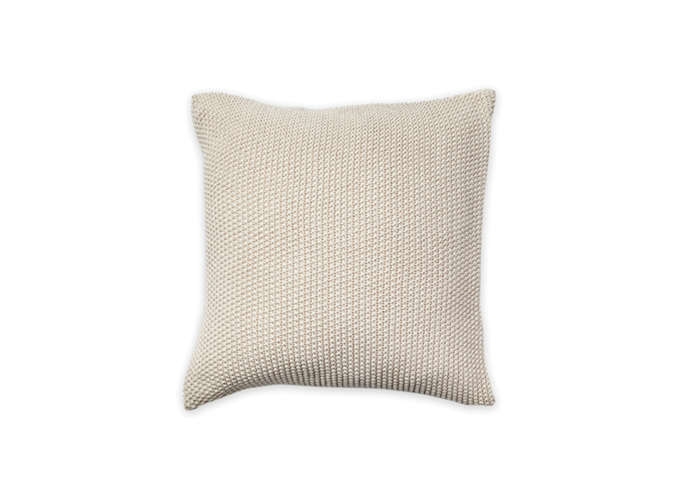
A Moss Stitch Cushion Birch sounds like something you might find in a sunlit cabin, on a reading chair beside a half-finished novel, or casually placed on a sofa by someone who claims they “just threw the room together.” Sure, Karen. We see the styling effort. And honestly, we approve.
At its heart, this cushion idea combines three things people love in home decor: touchable texture, a soft neutral color, and an easygoing handmade look. “Moss stitch” refers to a beautifully nubby knit or crochet texture created by alternating stitches in a way that forms a small, raised pattern. “Birch” suggests a pale, natural shade inspired by birch bark: creamy white, soft beige, warm ivory, or light oatmeal. Put them together and you get a cushion that feels cozy without being fussy, rustic without looking like it wandered in from a barn, and modern without becoming cold.
Whether you are shopping for one, styling one, or planning to make your own moss stitch pillow cover, the Moss Stitch Cushion Birch is a small decor piece with surprising design power. It can soften a leather sofa, brighten a dark accent chair, add texture to white bedding, or make a minimalist room feel less like a showroom and more like a place where humans actually drink coffee.
What Is a Moss Stitch Cushion Birch?
A Moss Stitch Cushion Birch is best understood as a textured decorative pillow or cushion cover made with a moss stitch-style surface and finished in a birch-inspired neutral color. The phrase has appeared in home-decor product listings, but it also works as a broader style description for a cushion that blends handmade textile character with nature-inspired simplicity.
The magic is in the balance. Moss stitch brings small bumps, shadows, and tactile depth. Birch coloring keeps the look calm and versatile. The result is a cushion that does not shout for attention, yet somehow makes nearby furniture look more considered. It is the interior design equivalent of good lighting: subtle, flattering, and slightly unfair to everything around it.
Why Moss Stitch Works So Well for Cushions
Moss stitch is popular because it creates texture without complicated visual drama. Unlike large cables or loud patterns, moss stitch has a fine, pebble-like surface. It catches light gently and gives the fabric a dimensional look. On a cushion, that matters because pillows are not just decorative; they are touched, leaned on, moved around, and occasionally used as emergency laptop trays by people making questionable life choices.
It Adds Texture Without Clutter
Rooms need texture to feel finished. A sofa covered only in flat fabrics can feel dull, even when the colors are beautiful. A moss stitch cushion adds surface interest in a quiet way. It pairs well with linen, cotton, boucle, velvet, leather, rattan, wood, and wool. Because the pattern is small-scale, it plays nicely with larger prints such as stripes, checks, florals, or geometric rugs.
It Feels Handmade and Timeless
The handmade look is one reason moss stitch cushions continue to appeal. Even when machine-made, the stitch pattern gives the surface a crafted feeling. It suggests slow living, warm tea, weekend projects, and possibly someone who owns very nice scissors and will not let you use them on paper.
It Is Reversible in Spirit
Many moss stitch and seed stitch textures look attractive on both sides, which makes them practical for pillow covers. A cushion that looks good after being flipped around by kids, guests, pets, or an indecisive decorator earns its place in the home.
The Beauty of the Birch Color
Birch is not plain white. That is the whole point. It is softer, warmer, and more organic. Think pale bark, oatmeal, warm cream, untreated cotton, or the color of morning light on wood floors. In interior design, this kind of neutral is useful because it can bridge warm and cool palettes.
A birch cushion can sit comfortably with beige, taupe, greige, charcoal, sage, olive, navy, rust, terracotta, and soft black. It also works in coastal rooms, Scandinavian spaces, farmhouse interiors, Japandi homes, transitional living rooms, and modern apartments where the owner has bravely chosen “mostly neutral” and is now trying not to make everything look like unbuttered toast.
Best Rooms for a Moss Stitch Cushion Birch
Living Room
The living room is the natural habitat of the moss stitch cushion. Place it on a sofa to break up flat upholstery or use it on an armchair to create a cozy reading corner. On a darker sofa, the birch tone adds contrast. On a lighter sofa, the texture keeps the palette from looking washed out.
Bedroom
In the bedroom, a Moss Stitch Cushion Birch can act as a quiet finishing layer. It looks especially good with white sheets, linen duvets, oatmeal blankets, wood nightstands, and soft bedside lighting. Use one centered cushion in front of sleeping pillows for a minimal look, or layer it with two larger pillows for more volume.
Entry Bench
An entry bench can feel bare without a textile element. A birch moss stitch cushion adds softness and makes the space feel welcoming. It also says, “Yes, this household has its life together,” even if the closet nearby is hiding seventeen tote bags and one mysterious extension cord.
Nursery or Kids’ Room
Because birch is gentle and neutral, it works well in nurseries and children’s rooms. The texture adds visual interest without overwhelming the space. Choose washable fibers and removable covers if the cushion will live anywhere near snacks, markers, or toddlers with jam-based ambitions.
How to Style a Moss Stitch Cushion Birch
The easiest way to style this cushion is to treat it as a texture anchor. It does not need to be the loudest piece in the room. Instead, let it connect other materials: wood, woven baskets, linen curtains, wool throws, and ceramic lamps.
Pair It With Earth Tones
Birch works beautifully with nature-inspired colors. Try it with sage green, clay, mushroom brown, camel, stone gray, and muted blue. These combinations create a calm, grounded room that feels relaxed but not boring.
Use It to Calm Bold Patterns
If your room already has a patterned rug or colorful artwork, a Moss Stitch Cushion Birch can help calm the composition. It offers texture without adding another competing print. This is especially helpful when a room has reached that dangerous stage where one more pattern could turn “eclectic” into “laundry pile with ambition.”
Mix Pillow Sizes
For a sofa, try pairing a square moss stitch cushion with a lumbar pillow and a larger plain cushion. For a bed, place it in front of larger Euro shams or standard pillows. The birch color keeps the arrangement light, while the raised stitch adds depth.
Material Matters: Cotton, Wool, Acrylic, or Blends?
The fiber used in a moss stitch cushion affects its look, feel, care, and durability. Cotton gives a crisp, breathable texture and is often a good choice for warm climates. Wool offers warmth, loft, and a more traditional handmade feel. Acrylic and synthetic blends can be budget-friendly and easier to wash. Linen blends bring a relaxed, slightly rustic look.
For everyday use, especially in a family room, a removable cushion cover is the practical winner. Look for sturdy seams, a hidden zipper, and a fabric that can handle regular cleaning. If the cushion is mostly decorative, you can choose more delicate materials, but be honest with yourself. If people sit there, nap there, or snack there, the pillow is not decorative. It is in active service.
Buying Guide: What to Look For
Check the Texture
A good moss stitch cushion should have a visible raised pattern. The texture should look intentional, even, and dense enough to hold its shape. If the stitch is too loose, the cushion may stretch or snag more easily.
Look at the Shade of Birch
Not all birch tones are the same. Some lean creamy, some beige, some gray, and some yellow. Before buying, compare the cushion color with your sofa, bedding, rug, and wall color. A slightly warm birch shade usually feels cozy, while a cooler birch shade can look cleaner and more modern.
Consider the Insert
The insert matters almost as much as the cover. A feather or down-alternative insert often gives a fuller, softer look than a thin polyester insert. For a plump designer-style finish, some decorators use an insert slightly larger than the cover. The cushion should look full, not like it gave up emotionally in the shipping box.
Read the Care Label
Textured cushions need thoughtful care. Always check whether the cover is machine washable, hand washable, spot-clean only, or dry-clean recommended. Handmade or wool-rich covers often need gentler handling than basic cotton covers.
DIY Idea: Making Your Own Moss Stitch Cushion Birch
If you knit or crochet, a moss stitch cushion cover is a satisfying project. It is simple enough for confident beginners but attractive enough to look boutique-worthy. The basic idea is to create two square or rectangular panels, seam them together, and add a zipper, buttons, or envelope closure.
Choose the Right Yarn
For a birch look, choose yarn in ivory, cream, oatmeal, natural cotton, pale beige, or light gray-beige. Worsted or bulky yarn works well for cushion covers because it shows off the stitch texture and builds fabric quickly. Cotton is great for structure, while wool or wool blends create softness and warmth.
Make a Gauge Swatch
Yes, gauge swatches are the broccoli of knitting: not exciting, but extremely useful. A small test swatch helps you check size, texture, and drape before committing to the full cushion. Moss stitch can pull in slightly because of the alternating stitches, so measuring first saves frustration later.
Use a Simple Closure
An envelope back is beginner-friendly because it avoids zippers. Buttons add charm. A hidden zipper looks polished and makes washing easier. Choose based on your skill level and how often the cover will need cleaning.
How to Care for a Moss Stitch Cushion Birch
Because moss stitch has raised texture, it deserves gentle care. Shake the cushion outdoors occasionally to remove dust. Vacuum it lightly with an upholstery attachment if needed. Treat stains quickly, especially on pale birch fabric, because light neutrals have a talent for announcing every coffee drip like breaking news.
If the cover is washable, use mild detergent and cool water unless the care label says otherwise. Reshape the cover while damp and dry it flat when possible. Avoid high heat, which can shrink natural fibers or damage texture. For wool or delicate handmade covers, hand washing or professional cleaning may be safest.
Common Mistakes to Avoid
Using Too Many Similar Neutrals
A birch cushion looks best when there is enough contrast around it. If everything in the room is the exact same pale beige, the cushion may disappear. Mix shades of cream, tan, brown, gray, and white to create dimension.
Ignoring Scale
A tiny cushion on a large sectional can look lonely. A huge cushion on a small chair can look like it is trying to take over the lease. Match pillow size to furniture size for a balanced result.
Forgetting Function
Decor should support real life. If the cushion will be used daily, choose durable yarn, secure seams, and a washable cover. If it will live on a guest bed and be admired from a respectful distance, you can choose something more delicate.
Why This Cushion Style Feels So Current
The popularity of the Moss Stitch Cushion Birch fits into a larger decor movement toward natural texture, quiet luxury, and softer minimalism. People want homes that feel calm but not sterile. They want pieces that look crafted, tactile, and personal. A textured neutral cushion checks all those boxes without requiring a renovation budget or a dramatic furniture breakup.
It also works across seasons. In spring and summer, it feels light and natural. In fall and winter, it looks cozy layered with chunky throws and warm wood. That year-round flexibility makes it more useful than trendier pillows that look amazing for three weeks and then suddenly feel like a personality test.
Personal Experience: Living With a Moss Stitch Cushion Birch
The first thing you notice about a moss stitch cushion in a birch shade is how quietly it improves a room. It is not the piece guests point at immediately. Nobody bursts through the door yelling, “Wow, what a cushion!” unless they are either very polite or work in textiles. But after a few minutes, the room feels softer, warmer, and more complete. That is the power of texture.
In my experience, this type of cushion works best when it is not forced to be the star. I once styled a pale textured cushion on a medium-gray sofa with a tan leather chair nearby, a jute rug underfoot, and a walnut coffee table in the center. Before the cushion, the room looked fine but slightly flat. After adding it, the sofa suddenly had depth. The gray upholstery looked richer, the wood tones looked warmer, and the space felt less like “furniture placed in a room” and more like “someone lives here and owns at least one decent candle.”
Another useful lesson: birch is forgiving, but not invincible. A pale cushion near red wine, tomato sauce, or enthusiastic children is living dangerously. A removable cover is not optional if the cushion will be used in a high-traffic area. Spot-cleaning helps, but the real hero is prevention. I have learned to keep very light textured pillows away from dining zones unless the people involved can be trusted with beverages. This excludes many adults.
The moss stitch texture also changes how people interact with the cushion. Smooth pillows often get tossed aside, but textured pillows invite touch. Guests tend to run their hands over them without noticing. On a bed, a moss stitch cushion makes the whole arrangement feel more intentional. It adds that “finished but not overdone” look that home magazines love and real people try to recreate five minutes before visitors arrive.
One of the best styling combinations I have seen is a Moss Stitch Cushion Birch paired with a linen duvet, two soft white pillows, and a muted sage throw. The palette was simple, but the textures did the heavy lifting. Linen brought wrinkles in a charming way, the throw added softness, and the moss stitch cushion created a small focal point. Nothing screamed. Everything whispered politely. Sometimes that is exactly what a bedroom needs.
For DIY makers, the experience is even more rewarding. Moss stitch has a rhythm that feels meditative once you get going. It asks for attention, but not panic. You can listen to a podcast, watch a cozy mystery, or supervise soup while working on it. The finished cushion feels personal because the texture shows the effort. Even small imperfections tend to blend into the pattern, which is wonderful news for anyone whose crafting style includes optimism and occasional counting errors.
My strongest advice is to think of this cushion as a long-term basic rather than a seasonal accessory. Trend pillows come and go, but a birch moss stitch cushion can stay. It can move from sofa to chair, from bedroom to reading nook, from winter layers to summer neutrals. It is adaptable, calm, and useful. In a world full of decor that tries too hard, that is refreshing.
Conclusion
The Moss Stitch Cushion Birch is a small home accessory with a lot of quiet charm. Its textured moss stitch surface adds warmth and depth, while the birch-inspired neutral color keeps it versatile and timeless. It works in living rooms, bedrooms, entryways, nurseries, and reading corners. It pairs beautifully with linen, wood, wool, leather, rattan, and earth-toned palettes.
Whether purchased as a finished cushion or handmade as a DIY pillow cover, this style brings comfort without clutter and character without chaos. It is soft, practical, stylish, and refreshingly easy to live with. In other words, it is the kind of cushion that does not need to yell to be noticed. It just sits there, looking calm and expensive, while quietly making the whole room better.
Note: This article is written as original, publish-ready web content based on real craft, textile-care, and home-decor knowledge. No source links or external reference markers are included in the article body by request.