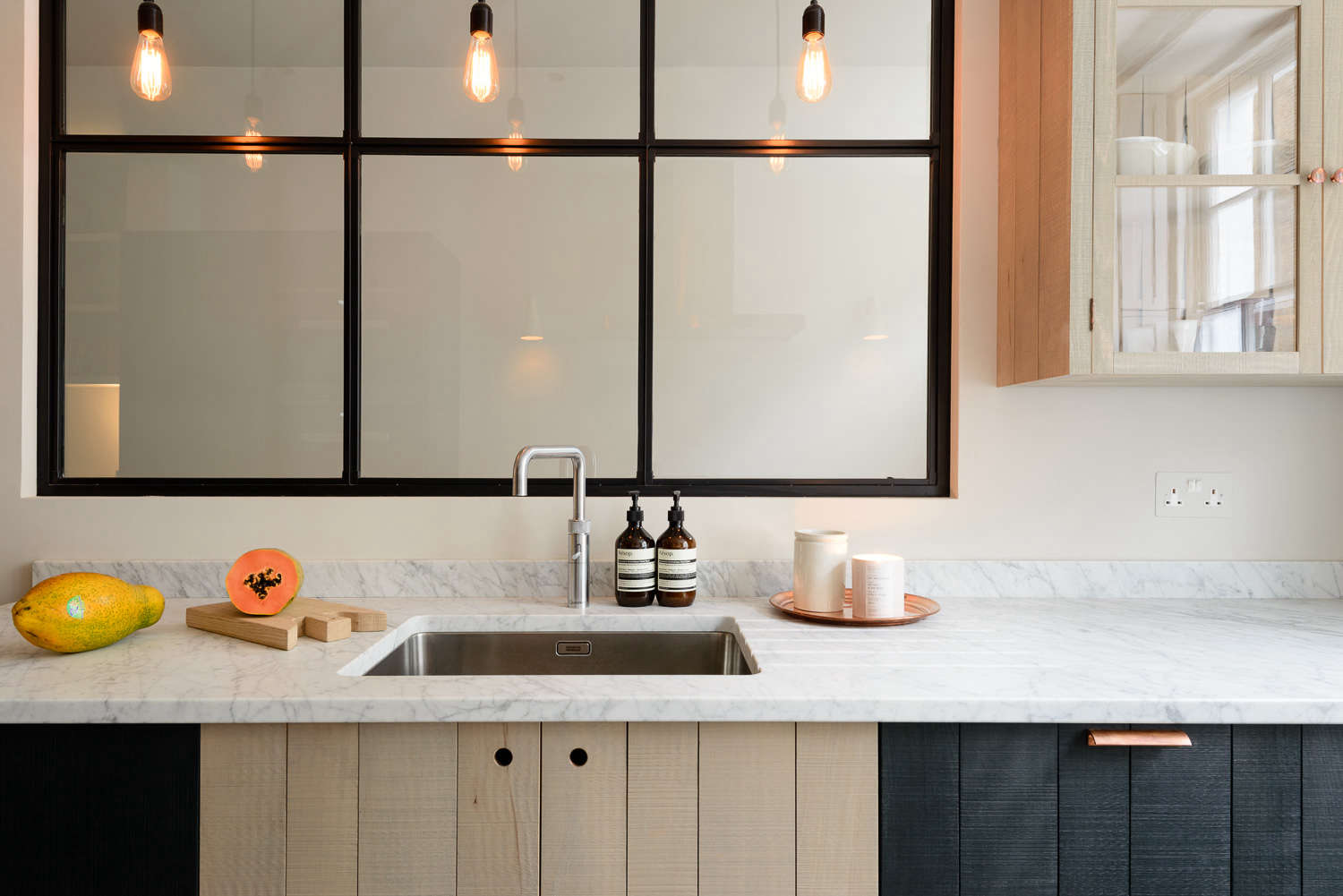
Some light bulbs do their job quietly. They sit inside a shade, mind their own business, and try not to be noticed. Then there is the LED filament bulb: squirrel cage smokethe moody little show-off of the lighting world. It does not merely illuminate a room; it leans against the brick wall of your design scheme wearing a vintage leather jacket and whispering, “Yes, I know I look expensive.”
In plain English, this bulb combines three popular lighting ideas: LED efficiency, decorative filament design, and smoked glass style. The “squirrel cage” part refers to the looping filament pattern inside the bulb, inspired by early Edison-style incandescent lamps. The “smoke” part refers to the gray, tinted glass that softens the glow and gives the bulb a dramatic, slightly industrial look. Together, they create a warm, atmospheric light that works beautifully in exposed fixtures, pendant lights, wall sconces, chandeliers, cafés, bars, bedrooms, and dining spaces.
But this bulb is more than just a pretty face glowing in a hipster coffee shop. A quality smoke glass LED filament bulb can use far less energy than a traditional incandescent bulb, last much longer, produce less heat, and still deliver that nostalgic amber glow people love. The trick is knowing how to choose the right onebecause not every smoky Edison-style bulb is built for the same job.
What Is an LED Filament Squirrel Cage Smoke Bulb?
An LED filament squirrel cage smoke bulb is a decorative LED light bulb designed to look like a vintage Edison bulb. Instead of a plain frosted globe, it usually has clear or smoked glass that reveals the filament structure inside. In this case, the filament is arranged in a “squirrel cage” pattern, meaning it loops vertically in a repeating cage-like shape. The result is a bulb that feels old-school, stylish, and intentional.
Traditional Edison bulbs used glowing tungsten filaments, which looked gorgeous but wasted a lot of electricity as heat. Modern LED filament bulbs recreate that visual effect using tiny LED strips arranged to mimic classic filaments. That gives you the romance of the past without inviting your power bill to a boxing match.
Why “Squirrel Cage” Matters
The squirrel cage filament is one of the most recognizable vintage bulb designs. It creates a symmetrical, architectural glow inside the glass, making the bulb attractive even when switched off. When turned on, the pattern adds visual texture instead of blasting the room with flat, anonymous light.
This is why squirrel cage bulbs are often used in open fixtures. If your lamp hides the bulb completely, the filament design does not matter as much. But if the bulb is visiblehanging from a pendant cord, sitting in a wire cage fixture, or glowing inside a clear glass shadethe squirrel cage pattern becomes part of the décor.
What the Smoke Glass Finish Does
Smoke glass is a gray or dark-tinted finish applied to the bulb envelope. It reduces glare, adds depth, and gives the light a softer, moodier appearance. Compared with clear glass, smoked glass usually appears less bright to the eye, even when the bulb has similar lumen output. That makes it excellent for ambiance but not always ideal as the only light source in a kitchen, bathroom vanity, or homework zone.
Think of smoked glass like sunglasses for your light bulb. Very stylish. Very cool. Not always the best choice for reading tiny instructions on a medicine bottle at midnight.
Why LED Filament Bulbs Became So Popular
LED filament bulbs became popular because they solve a design problem. People loved the look of vintage incandescent bulbs, but older bulbs were inefficient, hot, and short-lived. LED technology made it possible to keep the warm, decorative look while improving energy use and lifespan.
A well-made LED bulb can last many times longer than an incandescent bulb. LEDs also convert more electricity into light and less into heat. That matters in pendant lights, enclosed rooms, restaurants, and homes where several decorative bulbs may run for hours each evening. A dining room chandelier with eight incandescent Edison bulbs can quietly become a tiny ceiling heater. Replace them with LED filament bulbs, and suddenly the room feels charming instead of baked.
Best Places to Use a Squirrel Cage Smoke LED Bulb
This bulb works best where the bulb itself is meant to be seen. Its job is not just illumination; it is atmosphere, texture, and style. Below are some of the best uses.
1. Pendant Lights Over Dining Tables
A smoke glass squirrel cage bulb is a natural fit for pendant lighting above a dining table. It creates a warm, cozy glow that makes dinner feel more intimate. Even takeout pizza looks more sophisticated under a smoky Edison bulb. Suddenly, the cardboard box becomes “casual rustic presentation.”
For dining rooms, look for bulbs in the 2200K to 2700K color temperature range. This warmer light flatters wood tones, softens shadows, and helps the room feel relaxed.
2. Industrial and Farmhouse Fixtures
Black metal cages, exposed sockets, pipe-style fixtures, and reclaimed wood chandeliers all pair beautifully with smoked LED filament bulbs. The dark glass adds a little drama, while the squirrel cage filament reinforces the vintage-industrial look.
This is especially useful when a fixture feels too plain. A basic socket pendant can look unfinished with an ordinary white bulb. Add a smoke glass squirrel cage LED bulb, and suddenly the fixture looks like it has a design degree and possibly a favorite jazz record.
3. Bedroom Accent Lighting
In bedrooms, smoked filament bulbs work well in bedside lamps, wall sconces, or low-hanging pendants. The glow is soft and relaxing, especially when paired with dimming. Avoid using one as your only source of bedroom light unless the room is small or you prefer a very low-light environment.
For better function, combine the smoke bulb with layered lighting: a ceiling fixture for general brightness, a reading lamp for task lighting, and the squirrel cage bulb for mood. Lighting designers often recommend layering light because one lonely bulb cannot do every job, no matter how charming it looks.
4. Cafés, Bars, and Small Retail Spaces
Commercial interiors love these bulbs because they create instant character. A row of smoke glass Edison bulbs over a bar can make the space feel warm, handcrafted, and memorable. In small boutiques, they can help products feel curated rather than simply displayed.
However, businesses should pay close attention to brightness and color rendering. If customers need to see product colors accurately, choose bulbs with a higher CRI, preferably 90 or above. A low-CRI bulb may make colors look dull, muddy, or slightly off.
How to Choose the Right LED Filament Bulb
Buying a decorative bulb can feel simple until you meet the tiny alphabet soup of lighting terms: E26, ST64, CRI, CCT, lumens, watts, dimmable, enclosed fixture rating. Do not panic. The bulb aisle is not trying to personally attack you. It only feels that way.
Check the Base Type
In the United States, the most common household screw base is E26. Many Edison-style LED filament bulbs use this standard base. If your fixture uses a smaller candelabra socket, you may need an E12 bulb instead. Always check the fixture before ordering, because forcing the wrong bulb into the wrong socket is not DIYit is comedy with consequences.
Pick the Right Shape
Squirrel cage smoke bulbs come in several shapes. The most common decorative styles include:
- ST19 or ST64: The classic elongated Edison shape, ideal for pendants and exposed fixtures.
- G25 or globe: A rounder shape often used in vanities, chandeliers, and decorative lamps.
- T-style tubular bulbs: Long and narrow, great for linear sconces or unusual modern fixtures.
- A19 vintage-style bulbs: Familiar household shape with a decorative filament twist.
If the bulb will be visible, choose a shape that complements the fixture. A large smoky globe can look stunning in a simple pendant, while an ST19 bulb often looks best in industrial cages and bare-socket designs.
Understand Lumens, Not Just Watts
Watts tell you how much energy a bulb uses. Lumens tell you how much light it produces. In the incandescent era, people shopped by watts because wattage roughly suggested brightness. With LEDs, that shortcut does not work as well. A 6-watt LED can replace a much higher-wattage incandescent bulb while producing similar brightness.
For smoke glass bulbs, pay extra attention to lumens because the tinted glass can make the light feel softer. If you need real illumination, look for a higher-lumen bulb or use several bulbs together. For pure mood lighting, lower lumens may be perfect.
Choose Warm Color Temperature
Color temperature is measured in Kelvin. Lower numbers look warmer and more golden; higher numbers look cooler and whiter. For a squirrel cage smoke LED bulb, the sweet spot is usually 1800K to 2700K. This range creates a warm, vintage glow that matches the bulb’s design.
Use extra-warm 1800K bulbs for restaurants, bars, patios, and cozy corners. Choose 2200K to 2700K for dining rooms, bedrooms, and living rooms. Avoid very cool temperatures like 5000K in a smoke Edison bulb unless you are intentionally going for “vintage laboratory where the plants are worried.”
Look for Dimmable Performance
Many people buy smoked filament bulbs for ambiance, so dimming matters. A dimmable LED bulb lets you lower brightness for dinner, movie night, or “I cleaned one corner of the house and now deserve atmosphere.”
But not all LED bulbs are dimmable, and not all dimmable LEDs work perfectly with old dimmer switches. For best results, use an LED-compatible dimmer and check the bulb packaging or manufacturer guidance. If a bulb flickers, buzzes, or refuses to dim smoothly, the issue may be the dimmer rather than the bulb itself.
Consider CRI for Color Quality
CRI, or Color Rendering Index, describes how accurately a light source shows colors compared with natural light. A CRI of 80 is generally acceptable for many rooms. A CRI of 90 or higher is better for dining rooms, retail spaces, makeup areas, art displays, and anywhere color matters.
Warm, smoky bulbs are usually chosen for atmosphere, not surgical precision. Still, a higher CRI can make wood, fabric, food, and skin tones look richer and more natural. In a dining room, that means your beautifully roasted vegetables look intentional, not like they were lit by a haunted refrigerator.
Pros and Cons of Smoke Glass Squirrel Cage LED Bulbs
Pros
- Beautiful vintage appearance: The visible filament and smoked glass create instant character.
- Energy efficient: LED technology uses far less electricity than traditional incandescent bulbs.
- Lower heat output: LEDs typically run cooler, making them more comfortable in multi-bulb fixtures.
- Long lifespan: Quality LED bulbs can last for years under normal household use.
- Great for exposed fixtures: The bulb itself becomes part of the design.
- Warm, cozy ambiance: Ideal for dining, relaxing, entertaining, and decorative lighting.
Cons
- Not always bright enough: Smoked glass can reduce perceived brightness.
- May not suit task lighting: It is better for ambiance than detailed work.
- Dimmer compatibility varies: Some bulbs need modern LED-compatible dimmers.
- Style-specific: The look may clash with ultra-minimal or bright clinical interiors.
- Quality differences matter: Cheap versions may flicker, buzz, or have poor color consistency.
Design Tips for Using LED Filament Bulb: Squirrel Cage Smoke
Use Odd Numbers in Decorative Arrangements
For pendant clusters, odd numbers often look more natural. Three smoked squirrel cage bulbs over a kitchen island or dining table can create balance without feeling too formal. Five bulbs can work in larger spaces, especially when hung at slightly different heights.
Pair with Matte Black, Brass, or Bronze Hardware
Smoke glass bulbs look especially good with matte black metal, aged brass, oil-rubbed bronze, and dark wood. These finishes support the vintage-industrial style without fighting for attention. Chrome can work too, but it usually creates a more modern contrast.
Avoid Overusing Them
One smoky filament bulb is stylish. Ten in a small room can feel like the lighting department of a moody pirate ship. Use them where they can shineliterally and visuallythen balance them with simpler light sources.
Do Not Rely on Them Alone in Work Areas
In kitchens, offices, laundry rooms, and bathrooms, you need practical brightness. Smoke glass LED filament bulbs can be part of the design, but they should not be the only lighting if you are chopping vegetables, applying makeup, reading labels, or trying to find the tiny screw you just dropped on the floor.
Common Mistakes to Avoid
Buying by Looks Only
Yes, the bulb is attractive. Yes, the smoky glass looks cool. But you still need to check lumens, base size, color temperature, dimmability, and fixture compatibility. A gorgeous bulb that does not fit your socket is just a tiny glass sculpture with commitment issues.
Choosing Too Low a Lumen Output
Many smoked Edison bulbs are designed for atmosphere, so they may produce less usable light than expected. If the fixture is decorative, that is fine. If it is your main light source, choose higher lumens or use multiple bulbs.
Using Cool White Bulbs in Cozy Spaces
A cool white Edison bulb often defeats the purpose of the vintage design. For most homes, warm white is the safer and more attractive option. Stick with 2200K to 2700K unless you have a specific design reason to go cooler.
Ignoring Fixture Ratings
Some LED bulbs are not rated for enclosed fixtures. Heat can build up and shorten bulb life. If your fixture traps heat, choose an LED bulb specifically labeled for enclosed use.
LED Filament Bulb vs. Traditional Edison Bulb
A traditional incandescent Edison bulb wins on pure nostalgia, but an LED filament bulb wins almost everywhere else. It uses less energy, runs cooler, lasts longer, and is available in many styles, including smoke glass and squirrel cage designs.
The best LED filament bulbs now come very close to the warm look people associate with old incandescent lighting. Some even offer warm-dimming technology, meaning the light becomes warmer as it dims, similar to the behavior of incandescent bulbs. That feature is excellent for dining rooms, bedrooms, and lounges where mood matters.
of Real-World Experience: Living With a Squirrel Cage Smoke Bulb
The first thing you notice after installing a squirrel cage smoke LED bulb is that it changes the attitude of the room before it changes the brightness. A normal bulb says, “Here is light.” A smoked squirrel cage bulb says, “Here is a scene.” It makes a simple corner look more designed, a plain pendant look more expensive, and a quiet dinner feel a little more like a reservation you almost forgot you made.
In a dining area, the effect is especially strong. The smoked glass softens the glare, so people are not staring into a harsh bare bulb while trying to enjoy pasta. The squirrel cage filament gives the eye something interesting to land on, and the warm color temperature makes wood tables, ceramic plates, and brass hardware look richer. It is a small upgrade, but it can make the entire room feel more finished.
That said, the bulb teaches one lesson quickly: mood lighting is not the same as task lighting. In a living room or dining room, this is a strength. In a kitchen prep area, it can become annoying. If you are trying to dice onions under a low-lumen smoke glass bulb, you may begin questioning your life choices, your recipe, and possibly the onion. The best experience comes from using the bulb as accent or ambient lighting while relying on brighter downlights, under-cabinet lights, or table lamps for actual tasks.
Dimming also makes a huge difference. At full brightness, a smoked LED filament bulb can look stylish and lively. Dimmed down, it becomes warm and intimate. This is where the bulb really earns its place. A compatible LED dimmer lets you move from “family dinner” to “late-night conversation” without changing fixtures. If the dimmer is not compatible, though, you may get flicker or buzzing. That is not ambiance; that is your ceiling trying to communicate in Morse code.
Another practical experience: these bulbs look best when the fixture gives them space. In a tight shade or enclosed globe, the smoke finish and filament pattern are harder to appreciate. In an exposed pendant, wire cage, open chandelier, or glass shade, the bulb becomes a design feature. It is one of the few home upgrades where the object looks good both on and off.
Cleaning matters too. Smoke glass can show dust, fingerprints, and kitchen film more than you expect. When the bulb is cool and switched off, a gentle wipe with a soft dry cloth helps keep the glass looking crisp. Never clean it while hot, and never spray cleaner directly onto the bulb or socket.
Overall, the experience is best described as “small object, big mood.” A squirrel cage smoke LED filament bulb will not solve every lighting problem, but it can make the right fixture feel intentional, cozy, and memorable. Use it where atmosphere matters, support it with brighter layers where function matters, and it will reward you with that rare design combination: vintage charm, modern efficiency, and just enough drama to make the room interesting.
Conclusion
The LED filament bulb: squirrel cage smoke is a smart choice for anyone who wants decorative lighting with vintage personality and modern efficiency. It brings together the exposed beauty of Edison-style filaments, the soft drama of smoked glass, and the practical advantages of LED technology. Used correctly, it can transform pendants, sconces, chandeliers, cafés, bedrooms, and dining rooms into warmer, more inviting spaces.
The key is choosing the right bulb for the job. Check the base, shape, lumens, color temperature, CRI, and dimmability before buying. Use smoke glass squirrel cage bulbs where ambiance matters most, and pair them with brighter lighting layers where tasks need clarity. Do that, and this little bulb will do more than light the roomit will give the room a personality.
Note: This article is written for web publication in standard American English and is based on current lighting terminology, LED bulb selection guidance, and common residential and commercial lighting practices.