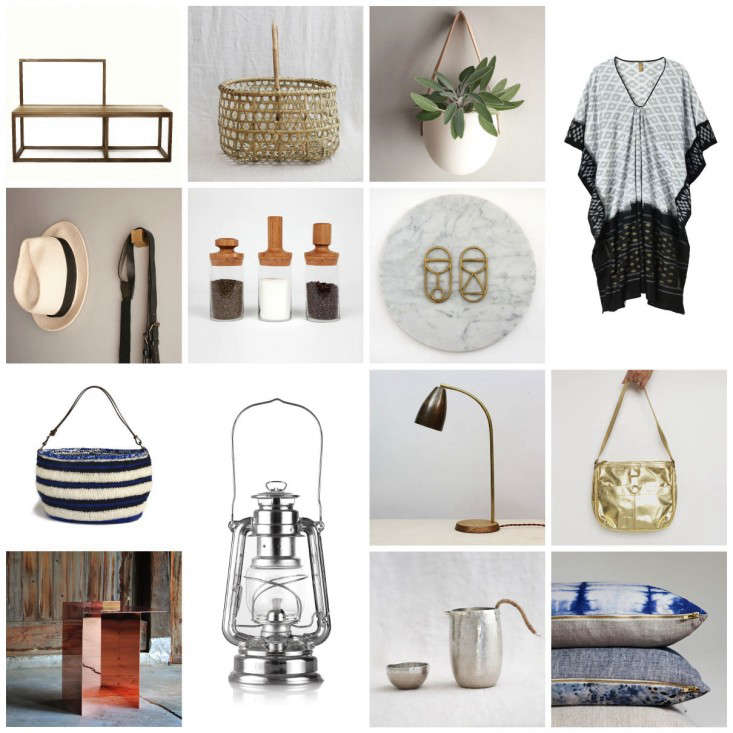
Note: This article is written as an original, web-ready editorial piece based on real information about the original Remodelista Market announcement in New York, including its 2013 Park Avenue Garage Sale setting, participating makers, and the broader New York design-market culture.
There are markets, and then there are marketsthe kind where every object looks as if it has a backstory, a passport stamp, and possibly a favorite espresso order. The Remodelista Market in New York belongs firmly in the second category. Originally announced as a curated gathering for design lovers, holiday shoppers, locavores, and habitual browsers, the event brought the Remodelista point of view off the screen and into the city: tactile, edited, understated, and refreshingly allergic to clutter.
Set inside the Park Avenue Garage Sale at 10 West 56th Street, the New York market invited shoppers to meet a carefully chosen group of East Coast designers and specialty retailers. The promise was simple but powerful: thoughtfully made goods for the considered home, with a few small-batch fashion finds included because even the most disciplined minimalist occasionally needs a beautiful scarf.
What Made the Remodelista Market in New York Special?
The Remodelista Market was not designed to feel like a typical retail event. It was more like stepping into a living mood boardone edited by people who know the difference between “rustic charm” and “I found this in a basement and now it smells mysterious.” Remodelista’s editorial identity has always centered on the considered home: spaces shaped by restraint, quality, utility, craft, and personal meaning. The New York market translated that philosophy into a real-life shopping experience.
The event ran from November 21 to 23, with daily shopping hours from 11 a.m. to 6 p.m. A pre-opening shopping party was also held on November 20 from 6 p.m. to 8 p.m., giving Remodelista readers a chance to browse early, enjoy cocktails and music, meet the editors, and shop before the weekend rush. Admission to the market was free, which made the event feel welcoming rather than exclusive.
In a city where design can sometimes feel intimidating, the Remodelista Market offered a friendlier doorway into elevated home style. Visitors could touch ceramics, compare textiles, talk to makers, and understand how objects are made. That matters. A handmade bowl is not just a bowl when the person who shaped it can explain the clay, the glaze, and why it survives both soup and existential dread.
A Curated Vendor Roster for the Considered Home
The original New York vendor lineup included a focused roster of designers and specialty retailers such as Anzu, Allied Maker, Ancient Industries, BTW Ceramics, Corinne Gilbert, Fort Standard, Haute Bohemian Groupe, Kaufmann Mercantile, Light + Ladder, Muriel Favaro, Nonchalant Mom, Rebecca Atwood, Richard Ostell, Mrs. Robertson, and Two. This group reflected the Remodelista taste universe: modern craft, timeless materials, quiet luxury, and objects with staying power.
Textiles With Personality
Rebecca Atwood’s presence in the vendor list made perfect sense. Her textile work is known for painterly patterns, soft palettes, and a sense of handwork that feels modern without becoming cold. In the context of a New York market, textiles like these help shoppers understand one of Remodelista’s favorite design truths: a room does not need to shout to be memorable. Sometimes a pillow, throw, or fabric panel can do the emotional heavy lifting while the sofa sits there pretending it did everything.
Lighting, Ceramics, and Objects That Earn Their Space
Allied Maker and Light + Ladder represented the kind of small-scale design practice that has become increasingly important in American interiors. Lighting, in particular, can make or break a room. A thoughtful fixture can turn a corner into a reading nook, a dining table into a gathering place, or a hallway into something more poetic than “the place where shoes go to become obstacles.”
Ceramics from makers such as BTW Ceramics fit naturally into the Remodelista Market’s home-focused mix. Handmade ceramics are practical, but they also introduce irregularity and warmth. In a world of mass-produced perfection, a slightly uneven rim can feel like a tiny rebellionwith excellent table manners.
Utility, Craft, and the Modern General Store Idea
Kaufmann Mercantile, Ancient Industries, and similar design-minded retailers helped define the market’s modern general store feeling. These brands focused on goods that were useful, durable, and handsome enough to leave out on the counter. That combinationfunction plus beautyis one of the reasons the Remodelista brand has remained relevant to homeowners, renters, architects, stylists, and people who have strong opinions about drawer pulls.
Why New York Was the Right Setting
New York is one of the best places in the United States for a market like this because the city already thrives on discovery. Its design culture is layered: luxury showrooms, independent boutiques, antiques dealers, art galleries, trade fairs, flea markets, architectural landmarks, and tiny shops where the owner knows the provenance of every spoon. The Remodelista Market fit into that ecosystem by offering an edited alternative to big-box shopping and oversized trade-show fatigue.
The location near Midtown also gave the event a convenient, high-energy backdrop. For visitors, it was easy to combine the market with a design day in the city: browse the vendors, visit nearby shops, stop for coffee, pretend to “just look” at ceramics, and then go home carrying a tote bag that says otherwise.
New York’s appetite for design events has only grown. Citywide celebrations such as NYCxDESIGN, independent home and gift shows like Shoppe Object, maker-focused events such as Field + Supply, and platforms like WantedDesign have helped turn the region into a magnet for creative commerce. The Remodelista Market belongs to that same larger story: people want to know where their objects come from, who made them, and why they feel different from something grabbed in a panic from aisle seven.
The Appeal of Shopping Small-Batch and Local
One of the strongest ideas behind the Remodelista Market in New York was the celebration of East Coast designers and specialty retailers. Small-batch shopping is not just about buying fewer things. It is about buying with more attention. A well-made cutting board, hand-thrown cup, linen napkin, or sculptural light can become part of daily life for years. That is the quiet magic of considered design: the best pieces do not demand attention every five minutes; they simply improve the room by existing.
For shoppers, local and regional markets also create a more human buying experience. Instead of scrolling through hundreds of nearly identical product photos online, visitors can ask questions. What wood is this? How should I care for this textile? Is this glaze dishwasher safe, or will my dishwasher become the villain in this story? These conversations make the purchase more meaningful and often lead to better decisions.
For makers, a curated market offers visibility and feedback. A designer can see what shoppers pick up first, which colors spark interest, and how people respond to a new form or material. That real-time exchange is difficult to recreate online. It is part commerce, part community research, and part performance art involving very tasteful shelving.
Holiday Shopping Without the Panic Spiral
The timing of the original Remodelista Market in New York made it especially appealing for holiday shoppers. Late November is the season when gift lists start behaving like unpaid invoices: unavoidable, increasingly dramatic, and somehow multiplying. A curated market can simplify the process because the editing has already been done. Instead of walking through a department store maze, shoppers can focus on objects that feel personal and lasting.
The vendor mix offered possibilities across budgets, from small accessories and tabletop pieces to textiles, lighting, and specialty home goods. That range is important. A good design market should not make visitors feel as if they need to refinance their apartment to buy a candle. The Remodelista Market’s “enticements for all budgets” approach helped make good design feel approachable.
Another advantage: gifts from makers often carry stories. A hand-built ceramic vase, woven textile, or carefully crafted household tool gives the recipient something more memorable than a generic present. It says, “I thought about your home, your habits, and your taste,” which is much better than, “I panicked near a checkout line.”
How the Market Reflected Remodelista’s Design Philosophy
Remodelista has long championed interiors that feel edited rather than decorated into submission. The site’s signature sensibility favors natural materials, timeless silhouettes, useful objects, and spaces that balance beauty with daily life. The market captured that philosophy by gathering makers whose work emphasized craft, material honesty, and design longevity.
This matters because home design can easily become trend-chasing. One year everything is lacquered, the next year everything is raw plaster, and suddenly everyone is discussing mushroom-colored paint as if it has diplomatic importance. Remodelista’s approach is calmer. It asks whether an object will still look good in five years, whether it works well, and whether it adds quiet pleasure to daily routines.
That is why the market’s vendor mix felt cohesive even though it included different categories. Textiles, ceramics, lighting, clothing, home accessories, and specialty goods can all live together when they share the same values: quality, restraint, usability, and a sense of touch.
Design Lessons From the Remodelista Market
1. Buy Fewer, Better Things
The most obvious lesson is also the hardest one in a culture built on impulse carts and overnight shipping. The Remodelista Market encouraged shoppers to slow down. Instead of buying five forgettable items, choose one piece that brings beauty or utility into everyday life. A single excellent lamp can change the atmosphere of a room more than a dozen decorative objects that have no job except collecting dust and judging you silently.
2. Mix Modern and Handmade
Many of the most compelling homes combine clean-lined modern pieces with handmade objects. This balance keeps interiors from feeling either too sterile or too chaotic. A sleek table paired with handmade ceramics, a simple bed dressed with textured textiles, or a minimal entryway warmed by an artisan basket can create depth without visual noise.
3. Ask About Materials
One of the great benefits of shopping a maker market is the ability to ask specific questions. Materials matter. Linen behaves differently from cotton. Stoneware differs from porcelain. Brass ages differently from powder-coated steel. Understanding materials helps shoppers buy pieces that suit their routines, not just their Pinterest boards.
4. Let Objects Have a Point of View
A considered home is not a showroom. It should include pieces with character, memory, and a little tension. The best market finds often have a clear point of view: a strange shape, an unusual glaze, a textile pattern that feels personal, or a tool so well designed it becomes oddly lovable. That character is what keeps a room from looking like it was assembled by a very efficient algorithm.
The Broader Rise of Curated Design Markets
The Remodelista Market in New York was part of a larger shift in American retail: shoppers increasingly wanted connection, craft, and curation. As online shopping expanded, in-person markets became more valuable, not less. They offered what the internet could not fully provide: touch, scale, conversation, atmosphere, and the thrill of stumbling on something unexpected.
New York has been especially receptive to this model. The city supports trade shows, pop-ups, gallery installations, holiday markets, museum shops, independent boutiques, and design fairs. Each serves a slightly different audience, but the common thread is discovery. People want to find objects that feel specific rather than anonymous.
The Remodelista Market stood out because it was editorially driven. It was not simply a collection of vendors renting tables. It was an expression of a design worldview. That distinction is important for SEO readers and real-world shoppers alike: curation creates trust. When visitors recognize the taste behind the selection, they feel more confident exploring unfamiliar makers.
Why the Announcement Still Matters
Although the original New York announcement referred to a specific event in 2013, the idea behind it still feels current. The market anticipated several long-running design priorities: shopping locally, supporting independent makers, choosing durable goods, valuing craft, and building homes with intention. These values have only become more relevant as consumers think more carefully about sustainability, overconsumption, and the emotional quality of domestic life.
The Remodelista Market also showed how a digital publication can create a meaningful offline experience. Readers who admired Remodelista’s online eye could meet the editors, encounter makers in person, and bring home objects that reflected the site’s design principles. In modern media terms, that is smart community building. In human terms, it is simply fun to meet people who also care deeply about bowls.
Experience: A Day at a Remodelista-Style Market in New York
Imagine arriving at a New York design market on a crisp late-November day, the kind of day when the city seems to run on wool coats, coffee, and everyone walking slightly faster than necessary. You step inside expecting a shopping event, but what you find feels more intimate: tables arranged with ceramics, textiles folded in careful stacks, handmade lighting glowing softly, and makers ready to talk without hovering like retail hawks.
The first thing you notice is texture. Not the flat, filtered texture of online shopping, but real texture: linen with a relaxed slub, clay with a satin glaze, brass with a warm gleam, wood that still looks like it remembers being a tree. You pick up a cup and feel its weight. You unfold a napkin and suddenly understand why people become passionate about hems. This is the danger of good design markets: they make ordinary household objects seem wildly important. Honestly, they are not wrong.
One of the best experiences at a market like this is talking directly to the makers. A ceramicist might explain how each piece is fired. A textile designer might describe the inspiration behind a pattern. A lighting designer might walk you through the finish, the bulb, and the mood a fixture creates. These conversations change the way you shop. You are not just comparing prices; you are comparing stories, processes, and long-term value.
Another memorable part is the editing. In New York, shopping can become overwhelming very quickly. There is always another floor, another rack, another boutique, another person telling you that something is “iconic.” A Remodelista-style market cuts through that noise. The selection feels calm, confident, and useful. You can browse without feeling attacked by options. It is retail with a deep breath.
Gift shopping becomes easier, too. You might find a small ceramic bowl for a friend who cooks, a handwoven textile for someone who loves quiet luxury, a beautifully made tool for the practical person who claims not to want gifts but definitely does, or a candle for the host who already owns everything except free time. Because the objects are distinctive, they feel personal. They do not need elaborate wrapping, though a bit of brown paper and twine never hurt anyone’s design credibility.
The experience also teaches restraint. You may want everything. This is normal. Stay calm. The smartest approach is to walk the market once, take notes, circle back, and choose the pieces that keep tugging at your attention. Markets reward patience. The object you remember after twenty minutes is usually the one worth buying. The object you forgot immediately was probably just flirting with you under good lighting.
By the time you leave, the city feels a little different. You notice window displays, hardware, old stone, restaurant lighting, and the way people carry flowers on the subway as if starring in their own independent film. That is the quiet aftereffect of a good design market: it sharpens your eye. You go in looking for gifts and come out seeing your home more clearly.
For homeowners, renters, designers, and curious browsers, the Remodelista Market in New York represented more than a weekend event. It was a reminder that good design is not about filling space. It is about choosing well, living with intention, and letting everyday objects do more than merely exist. They should serve, age, delight, and occasionally make guests ask, “Where did you find that?”the highest compliment in the language of interiors.
Conclusion
Announcing the Remodelista Market in New York was more than a design-news moment; it was an invitation into a slower, smarter way of shopping for the home. With its Park Avenue Garage Sale location, free admission, pre-opening party, and carefully selected roster of East Coast makers and specialty retailers, the market captured the essence of Remodelista’s considered style. It celebrated objects that are useful, beautiful, personal, and built to last.
For anyone interested in New York design events, artisan home goods, holiday shopping, or independent makers, the Remodelista Market remains a compelling example of how editorial taste can become a real-world experience. It proved that a market can be more than a place to buy things. It can be a place to learn, connect, discover, and remember that the best homes are not assembled overnight. They are collected thoughtfully, one excellent object at a time.