Simple stitched hot pads are the kind of sewing project that quietly wins the kitchen: humble enough for daily use, pretty enough to gift, and satisfying enough to make you wonder why you ever bought a sad, thin potholder from a bargain bin.
Why Purl Bee’s Simple Stitched Hot Pads Still Feel Fresh
Purl Bee’s Simple Stitched Hot Pads became beloved because they captured a rare crafting sweet spot: easy construction, practical purpose, and a handmade look that feels polished instead of “I wrestled this fabric at midnight and lost.” Originally shared by Purl Bee, now part of Purl Soho’s creative archive, the project reflects the brand’s signature style: clean lines, natural materials, gentle color, and a design that lets hand stitching do the charming little tap dance.
At first glance, these hot pads look almost too simple. A square or rectangular pad. A neat border. A few lines of hand stitching. No complicated patchwork maze. No advanced quilting gymnastics. No pattern pieces that look like they were drafted by a geometry teacher with a grudge. But that simplicity is exactly the point. The project proves that a useful kitchen textile does not need to shout. Sometimes it can politely clear its throat and still become the most admired thing near the stove.
For SEO-minded crafters, the phrase Purl Bee’s Simple Stitched Hot Pads also connects to several popular search interests: DIY hot pads, handmade potholders, quilted kitchen gifts, beginner sewing projects, and heat-resistant batting tutorials. In real-life sewing terms, it is a small project with big appeal. You can finish a set in an afternoon, use fabric scraps intelligently, and create a gift that will not be quietly re-gifted unless the recipient has no soul or already owns twelve.
The Design: Simple, Useful, and Quietly Elegant
The beauty of the Simple Stitched Hot Pads lies in their restraint. Instead of relying on complicated piecing, the project uses fabric, insulation, edging, and hand quilting to create a refined handmade object. The result feels like something you might find in a stylish kitchen shop, except you made it yourself, which automatically adds 37 percent more emotional value. That number is not scientific, but anyone who has ever made a gift knows it is spiritually accurate.
Clean Fabric Choices
One of the reasons this project works so well is the use of tasteful fabric. Purl Soho projects often favor natural fibers, subtle textures, and colors that look calm rather than chaotic. For hot pads, medium-weight cotton, linen blends, denim, chambray, or sturdy quilting cotton can all create different moods. Denim feels casual and durable. Linen looks quietly fancy. Quilting cotton opens the door to prints, stripes, dots, and seasonal designs.
Hand Stitching as the Star
The hand stitching is not just decorative. It also helps secure the layers, adds texture, and gives the hot pad that handmade-with-care look. Straight lines, diagonal lines, grids, or simple geometric shapes can turn plain fabric into something personal. Even slightly uneven stitches have charm. In fact, a few gentle irregularities can make the piece feel human, which is much better than looking like it was assembled by a kitchen robot with no appreciation for soup.
Practical Insulation
A hot pad must be attractive, yes, but it must also protect surfaces and hands from heat. That means the inner layers matter. Many hot pad and potholder tutorials use insulated batting such as Insul-Bright, often paired with cotton batting for extra thickness and heat absorption. The key is remembering that heat-resistant does not mean heat-proof. A handmade hot pad should be used thoughtfully, especially with very hot cast iron, broilers, grill pans, or ovenware that has been sitting at high temperature.
Materials You Need for a Simple Stitched Hot Pad
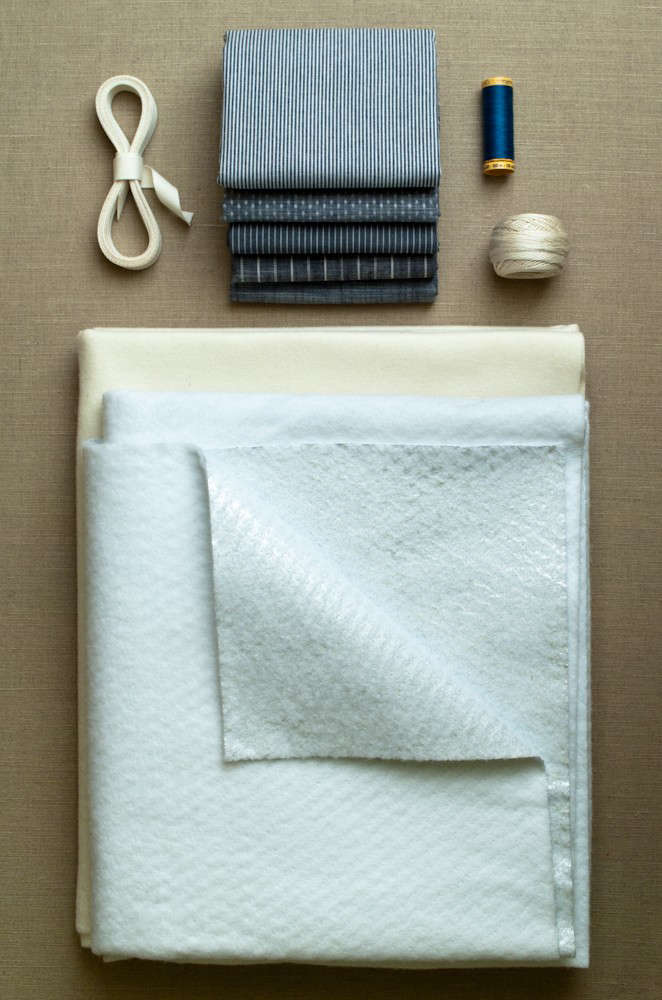
To make your own version inspired by Purl Bee’s Simple Stitched Hot Pads, gather materials that are both beautiful and sensible. A hot pad is not the place for mystery fabric from the bottom of a craft drawer unless you know what it is. Synthetic fabrics can melt under heat, and nobody wants a potholder that behaves like grilled cheese.
Recommended Materials
- Two pieces of sturdy cotton, linen, denim, or quilting cotton for the front and back
- One layer of insulated batting for heat resistance
- One or more layers of cotton batting for loft and comfort
- Cotton twill tape, bias binding, or handmade fabric binding for the edges
- Cotton embroidery thread, pearl cotton, or sashiko-style thread for visible stitching
- Cotton sewing thread for machine construction
- Rotary cutter, ruler, fabric marker, pins or clips, and a sewing machine
For everyday kitchen use, cotton is the practical hero. It handles heat better than many synthetics, washes well, and offers enough variety to satisfy both minimalists and people whose fabric stash has developed its own zip code. Cotton batting adds thickness, while insulated batting reflects heat away from the hand or table. Together, they create a better barrier than a single thin layer.
One important safety note: insulated batting that contains metalized film should not be used in the microwave. If you plan to make microwave bowl cozies, use microwave-safe materials, typically 100 percent cotton fabric, cotton batting, and cotton thread. A hot pad for oven use and a microwave cozy may look like cousins, but they do not follow the same safety rules at the family reunion.
How to Make Simple Stitched Hot Pads
The process is beginner-friendly, but the finished result can look surprisingly professional. That is the sneaky joy of this project. You are mostly cutting, layering, stitching, and binding, yet the final hot pad looks like it attended a design workshop in Brooklyn.
Step 1: Choose the Size
A common hot pad size is around 8 by 8 inches, but you can adjust the dimensions depending on your needs. A larger rectangle works well for casserole dishes. A square is great for everyday pans and teapots. If you are making a gift set, try two squares and one larger trivet-style pad. It looks intentional, and “intentional” is the crafting word for “I planned this, not just ran out of fabric.”
Step 2: Cut the Layers
Cut a front fabric piece, a backing fabric piece, insulated batting, and cotton batting. If you want extra thickness, add a second cotton batting layer. Trim carefully so the layers align. Accurate cutting makes sewing easier and prevents the edges from becoming bulky, lumpy, or weirdly philosophical.
Step 3: Build the Sandwich
Layer the materials with the backing fabric wrong side up, batting in the middle, and front fabric right side up. Pin or clip the layers securely. Some makers use temporary basting spray, but pins or clips work well for a small project. The goal is to keep everything from shifting while you stitch.
Step 4: Quilt or Stitch the Layers
You can machine quilt simple lines first, or you can lean into the hand-stitched look that makes this project special. Mark lines lightly with a fabric-safe tool, then stitch through the layers using pearl cotton or embroidery thread. Running stitch is enough. You do not need advanced embroidery skills. The hot pad is not judging you; it is busy preparing for lasagna duty.
Step 5: Finish the Edges
Bind the edges with twill tape, bias tape, or fabric binding. A clean binding gives the hot pad structure and durability. You can machine stitch one side and hand stitch the other for a neat finish. Add a small hanging loop if you want the hot pad to live on a hook instead of disappearing into the drawer where kitchen textiles go to form secret societies.
Design Variations Inspired by Purl Bee
The original charm of Purl Bee’s Simple Stitched Hot Pads is easy to adapt. Once you understand the basic structure, you can create dozens of versions without needing a new pattern each time. This is excellent news for anyone with fabric scraps, leftover batting, or a suspiciously large collection of “just in case” craft supplies.
Minimalist Linen Hot Pads
Use natural linen or linen-cotton blends in neutral colors, then add cream, navy, or charcoal hand stitching. This version fits beautifully in modern kitchens and makes a refined housewarming gift. Pair it with a wooden spoon and a small jar of fancy salt if you want to appear effortlessly thoughtful.
Bold Quilting Cotton Hot Pads
For a cheerful kitchen, use printed quilting cotton. Florals, gingham, stripes, fruit motifs, and abstract patterns all work well. Keep the stitching simple so the fabric can be the star. If the print is busy, use solid binding to calm everything down. Think of the binding as the responsible adult in the room.
Denim and Sashiko-Inspired Stitching
Denim gives hot pads a sturdy, classic feel. Add visible white or cream stitching for a sashiko-inspired look. Simple grids, crosses, or parallel lines can look striking without becoming complicated. This is also a smart way to reuse clean denim from old jeans, as long as the fabric is in good condition and not too thick for your machine.
Holiday Gift Sets
Simple stitched hot pads make excellent holiday gifts because they are quick, useful, and easy to personalize. Choose warm colors for Thanksgiving, red and green accents for Christmas, blues and whites for winter, or bright citrus tones for summer cooking. Add a handwritten recipe card and suddenly you are not just giving hot pads; you are giving a tiny domestic lifestyle moment.
Common Mistakes to Avoid
Even simple projects have traps. Fortunately, the traps here are small, avoidable, and unlikely to ruin your day unless you try to sew binding while hungry. Never sew binding while hungry. That is how seams become emotional.
Using the Wrong Fabric
Avoid thin synthetics, unknown blends, and decorative fabrics that cannot tolerate heat or washing. Choose cotton, linen, wool, or other suitable natural fibers whenever possible. If the fabric feels slippery, plasticky, or suspiciously shiny, it may not be the best candidate for oven duty.
Making the Hot Pad Too Thin
A single layer of batting may not provide enough protection for real kitchen use. Many makers prefer combining insulated batting with cotton batting. If the pad feels flimsy in your hand, it is probably too flimsy for a hot pan. Add another layer before finishing the edges.
Skipping the Quilting
Quilting or hand stitching keeps the layers from shifting over time. Without it, the inside can bunch, fold, or migrate to one corner like it is trying to escape. Stitching also adds texture and gives the hot pad that handcrafted look people love.
Forgetting Care Instructions
Hot pads get splattered. They meet soup, sauce, melted butter, and the occasional mysterious oven drip. Use washable materials and tell gift recipients how to care for them. Machine washing and air drying are usually safe for cotton-based projects, but construction and material choices matter.
Why Handmade Hot Pads Make Excellent Gifts
Handmade hot pads are practical gifts with personality. Unlike decorative items that require the recipient to rearrange a shelf, hot pads go straight into service. They protect tables, help with baking, and add color to the kitchen. They are especially good for housewarmings, hostess gifts, teacher gifts, bridal showers, and holiday baskets.
The project is also budget-friendly. You can make several from a modest amount of fabric, especially if you mix solids with scraps. Because each hot pad is small, you can use premium fabric without needing much yardage. This is the crafter’s loophole: luxury, but tiny.
Another advantage is personalization. For a friend who bakes bread, make a larger rectangular pad for loaf pans. For a coffee lover, make a small pad that doubles as a teapot or French press trivet. For someone with a farmhouse kitchen, use ticking stripe or chambray. For a maximalist, choose bold prints and contrasting stitching. The format is simple, but the mood can change completely.
Experience Notes: What Making Simple Stitched Hot Pads Teaches You
Making a set of Purl Bee-inspired Simple Stitched Hot Pads feels like one of those projects that starts small and then quietly improves your sewing habits. The first thing you notice is how much precision matters when the object is simple. There is nowhere for sloppy cutting to hide. A quilt with forty fabrics can distract the eye, but a plain hot pad with visible stitching tells the truth immediately. That is not a bad thing. It teaches you to slow down, press the fabric properly, and measure like someone who has made peace with the ruler.
The second lesson is that hand stitching changes the emotional temperature of a project. Machine stitching is efficient and strong, but hand stitching adds rhythm. You sit down, thread a needle, and work one line at a time. The process feels calmer than most kitchen activities, especially compared with trying to unload a dishwasher while a pot boils over. A simple running stitch can become almost meditative. Even if the stitches are not perfectly even, they create a surface that feels alive.
Another useful experience is learning how different materials behave. Denim feels sturdy but can make bulky corners. Linen looks elegant but may shift if not pinned well. Quilting cotton is easy to handle, but thin cotton needs enough batting to feel protective. Insulated batting adds function, while cotton batting adds body. After making two or three hot pads, you begin to understand the balance between beauty, thickness, flexibility, and heat protection.
Binding is often the part that tests patience. The first corner may look heroic, the second acceptable, the third suspicious, and the fourth like it has been through a small personal crisis. But binding improves quickly with repetition. Clips help. Pressing helps. Not rushing helps most of all. Once you learn to bind a hot pad neatly, that skill transfers to quilts, placemats, coasters, table runners, and other small home sewing projects.
Using the finished hot pads is oddly satisfying. They are not just pretty squares. They become part of daily cooking: sliding under a hot baking dish, protecting the table from a skillet, or sitting beside the stove ready for action. Handmade kitchen items gain character through use. A tiny stain from blueberry pie or a softened edge after washing does not ruin them; it makes them part of the household story.
The best experience, though, may be gifting them. A set of handmade hot pads feels personal without being overly intimate. You do not need to know someone’s clothing size, wall color, or candle scent preferences. Everyone with a kitchen needs something heat-safe and washable. Add a recipe card, wrap the set with twine, and the gift feels complete. Purl Bee’s Simple Stitched Hot Pads remind us that useful things can still be beautiful, and beautiful things are even better when they can handle a casserole.
Conclusion
Purl Bee’s Simple Stitched Hot Pads remain popular because they are approachable, elegant, and genuinely useful. They combine smart materials, clean design, and charming hand stitching in a project that beginners can manage and experienced sewists can personalize endlessly. Whether you make them from linen, denim, quilting cotton, or treasured scraps, these hot pads prove that practical sewing does not have to be boring. In fact, it can be the tiny handmade detail that makes a kitchen feel warmer before the oven is even on.