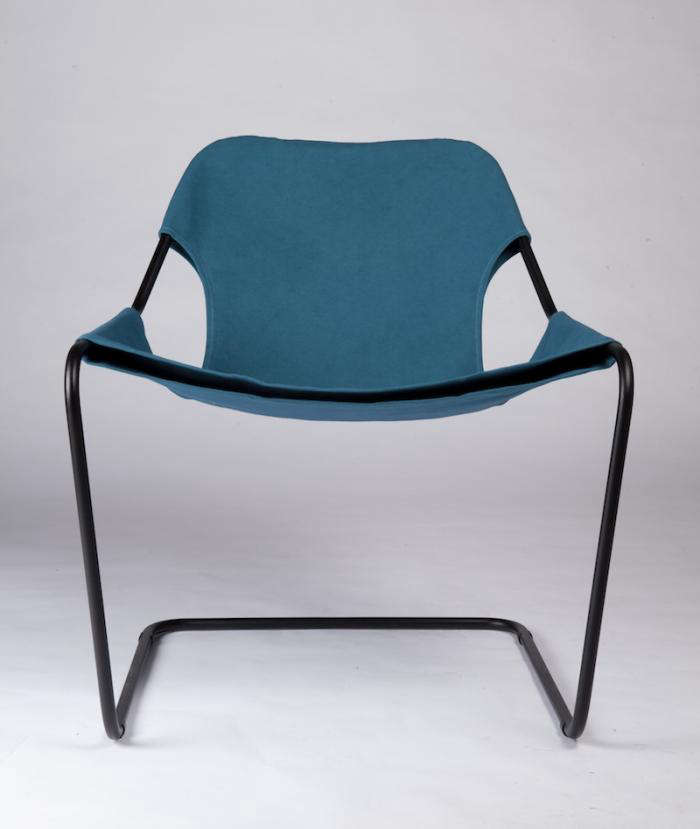
The Paulistano Canvas Chair is the kind of chair that makes minimalism look effortless, which is slightly unfair because effortless design is usually the hardest trick in the furniture circus. At first glance, it appears almost too simple: a continuous steel frame, a suspended canvas sling, and a relaxed silhouette that seems to say, “I know exactly what I’m doing.” But behind that quiet confidence is one of the most admired pieces of Brazilian modern furniture, designed in 1957 by architect Paulo Mendes da Rocha.
Created originally for the Paulistano Athletic Club in São Paulo, the chair reflects a rare balance of engineering, comfort, and architectural poetry. It does not shout for attention with bulky cushions or decorative drama. Instead, it earns attention through proportion, tension, and honesty of materials. The Paulistano Canvas Chair is light, sculptural, flexible, and surprisingly comfortableproof that a chair can have the backbone of a bridge and the soul of a hammock.
Today, the Paulistano remains a favorite among collectors, architects, interior designers, and design lovers who appreciate furniture with a story. It is part of the broader legacy of Brazilian modernism, a movement known for combining structural intelligence with human warmth. Whether placed in a modern living room, reading corner, studio, veranda, or gallery-like interior, the Paulistano Canvas Chair adds character without trying to redecorate the entire room by force.
What Is the Paulistano Canvas Chair?
The Paulistano Canvas Chair is a lounge chair designed around a simple but brilliant idea: one continuous steel structure supports a removable fabric sling. The canvas seat and back wrap around the frame, creating a gentle cradle for the body. Unlike many lounge chairs that rely on thick padding, the Paulistano uses tension, flexibility, and material movement to provide comfort.
The canvas version is especially appealing for people who want a softer, more casual look than leather. While leather versions feel luxurious and develop a rich patina over time, the canvas model brings a lighter, more relaxed personality. It feels at home in airy apartments, coastal interiors, creative studios, sunrooms, and warm modern spaces where comfort matters but visual clutter is not invited to the party.
Its frame is typically made from steel, often available in finishes such as phosphated carbon steel, stainless steel, or powder-coated options. The cover is commonly made from durable cotton canvas in a range of colors. This combination of strong metal and flexible textile gives the chair its signature personality: industrial but graceful, precise but welcoming.
The History Behind the Paulistano Chair
Paulo Mendes da Rocha designed the Paulistano Chair in 1957 for the living areas of the Paulistano Athletic Club, a building he also designed. This context matters because the chair was not created as a random decorative object. It was part of a complete architectural environment. Mendes da Rocha approached furniture the way he approached buildings: through structure, material honesty, and public use.
The chair’s name comes from the club and from São Paulo itself. “Paulistano” refers to someone or something from the city of São Paulo. In that sense, the chair is not just a piece of furniture; it is a compact expression of urban Brazilian modernism. It carries the energy of a city known for density, movement, architecture, and cultural ambition.
For many years, the chair remained something of a design-world secret. It was admired by those who knew Brazilian architecture but was not widely available internationally. Later reissues introduced the design to a broader audience, especially after Mendes da Rocha received global recognition. His 2006 Pritzker Architecture Prize helped bring renewed attention to his body of work, including the Paulistano Chair.
Who Was Paulo Mendes da Rocha?
Paulo Mendes da Rocha was one of Brazil’s most important architects and a leading figure associated with the Paulista School of architecture. Born in 1928, he became known for bold structures, exposed materials, social purpose, and a deep respect for public space. His buildings often used concrete, steel, and open spans in ways that felt both powerful and humane.
His architectural work included the Paulistano Athletic Club Gymnasium, the Brazilian Museum of Sculpture, renovations of major cultural buildings, and public projects that explored how architecture could improve civic life. He was not interested in architecture as decoration. He cared about how structures behave, how people move through space, and how design can serve society. In other words, he was not the kind of designer who would add a fake golden lion to a chair leg just because the corner looked lonely.
The Paulistano Canvas Chair reflects that same philosophy. Its beauty comes from the way it works. Every curve has a reason. Every material has a job. The chair is elegant because it is efficient, not because it is overdressed.
Why the Paulistano Canvas Chair Is a Design Icon
1. It Uses Structure as Decoration
Many chairs hide their structure beneath upholstery. The Paulistano does the opposite. It celebrates the frame. The steel line becomes the visual identity of the chair, tracing a continuous loop that supports the body while creating a sculptural outline. This makes the chair look light even though it is built from strong material.
2. It Is Minimal Without Feeling Cold
Minimalist furniture can sometimes feel like it was designed by someone who has never experienced a cozy Sunday. The Paulistano avoids that problem. The canvas sling softens the steel frame, giving the chair a relaxed human quality. It looks clean and architectural, but it also invites you to sit, lean back, and perhaps pretend you are reading a serious design book while actually checking your phone.
3. It Balances Flexibility and Strength
One of the most fascinating qualities of the Paulistano Chair is its slight flex. The steel frame is strong, but the form allows subtle movement. The sling supports the body without stiffness. This combination gives the chair a comfort profile that feels different from heavily cushioned lounge chairs. It is supportive, breathable, and responsive.
4. It Belongs to Museum-Level Design
The Paulistano Chair is recognized by major design institutions and collectors as an important piece of modern furniture. Its presence in museum design collections reinforces what many design lovers already know: this is not just a nice chair. It is a cultural object with architectural importance.
Paulistano Canvas Chair Materials and Construction
The Paulistano Canvas Chair is famous for its disciplined use of materials. The frame is usually formed from a single steel bar or tube, shaped into a continuous structure. This gives the chair a clean, uninterrupted silhouette and reduces visual complexity. It also demonstrates the designer’s interest in pushing structural form as far as possible without losing function.
The canvas cover is removable and replaceable, which is a practical advantage. Over time, fabric can fade, stretch, or collect the evidence of lifecoffee, pets, children, guests who balance snacks with the confidence of circus performers. A replaceable cover allows the chair to remain useful for many years, rather than becoming disposable when the textile wears out.
Canvas also changes the mood of the chair. Compared with leather, it feels more casual and breathable. It can make the Paulistano more approachable in warm climates or relaxed interiors. Neutral canvas colors create a quiet, gallery-like look, while bolder tones can turn the chair into a strong accent piece.
How Comfortable Is the Paulistano Canvas Chair?
The Paulistano Canvas Chair is comfortable in a distinctive way. It is not a sink-in-and-disappear lounge chair. It does not swallow you like an oversized recliner. Instead, it supports the body through the suspended sling, allowing a relaxed posture with gentle give. The experience is closer to sitting in a refined hammock-chair hybrid than a traditional upholstered armchair.
The low seat height and angled back make it well suited for lounging, reading, conversation, and slow coffee drinking. It is less ideal as a task chair or dining chair because its purpose is relaxation, not upright productivity. If you try to answer spreadsheets from it, the chair will not stop you, but it may quietly judge your priorities.
Because the canvas is breathable, it can feel cooler than leather in warmer rooms. The fabric also brings a softer tactile quality. People who prefer a relaxed, informal seat often gravitate toward the canvas version, while those who want a more refined or collectible look may prefer leather.
Where to Use a Paulistano Canvas Chair in Your Home
Living Room
In a living room, the Paulistano Canvas Chair works beautifully as an accent chair. Its open frame prevents the room from feeling crowded, making it a smart option for apartments and smaller spaces. Pair it with a low coffee table, a wool rug, and a clean-lined sofa for a balanced modern look.
Reading Corner
The chair’s lounge posture makes it a natural fit for a reading corner. Add a floor lamp, a small side table, and a stack of books that may or may not ever be finished. The result feels intentional without becoming fussy.
Bedroom
In a bedroom, the Paulistano Canvas Chair can soften the space while adding architectural interest. It is especially useful near a window or beside a dresser. Unlike bulky upholstered chairs, it does not visually dominate the room.
Studio or Office Lounge Area
For creative studios and home offices, the chair creates a relaxed thinking spot. It is not meant for eight hours of typing, but it is excellent for sketching ideas, reviewing notes, or taking a short break from the tyranny of the desk chair.
Covered Patio or Veranda
Some canvas and outdoor-compatible versions may work in protected exterior areas, depending on the exact model and manufacturer guidance. In general, the chair should be protected from harsh weather unless it is specifically designed for outdoor use. Canvas appreciates fresh air, but it does not appreciate being abandoned in a thunderstorm.
How to Style the Paulistano Canvas Chair
The Paulistano Canvas Chair is visually light, so it pairs well with both minimal and layered interiors. In modern spaces, it can sit beside low-profile sofas, concrete floors, wood shelving, and sculptural lighting. In eclectic rooms, it creates a clean counterpoint to vintage rugs, ceramics, art books, and collected objects.
For a warm Brazilian modern look, pair the chair with natural wood, woven textures, plants, and earthy tones. For a more urban gallery style, use black, white, gray, and steel finishes. If you want the chair to feel playful, choose a colored canvas cover and let it act as the room’s design wink.
Because the frame is open, the floor beneath it remains visible. That means rugs matter. A textured rug can ground the chair and make the seating area feel complete. Without a rug or nearby table, the chair may look slightly like a beautiful sculpture waiting for its museum label.
Paulistano Canvas Chair vs. Leather Paulistano Chair
The canvas and leather versions share the same essential design language, but they create different moods. The Paulistano Canvas Chair feels relaxed, breathable, and colorful. It suits casual rooms, warm climates, and interiors where texture matters more than polish. It is also often easier to visually blend into laid-back spaces.
The leather version feels richer and more formal. It develops patina over time and can become more personal with age. Leather may appeal to collectors who enjoy natural material aging, while canvas may appeal to those who want easygoing comfort and a lighter presence.
Neither version is “better” in a universal sense. The right choice depends on lifestyle, climate, budget, and design goals. If your room already has heavy leather furniture, canvas may provide balance. If your space needs warmth and luxury, leather may be the better choice.
Buying Tips: What to Look For
When buying a Paulistano Canvas Chair, authenticity matters. Look for authorized retailers, clear manufacturer information, and accurate product specifications. Since iconic designs are often copied, buyers should pay attention to frame quality, cover construction, dimensions, and brand documentation.
Check the finish of the steel frame and consider how it will age. Stainless steel offers a polished, durable look. Powder-coated finishes can feel more contemporary and may suit modern color palettes. Phosphated steel has a more raw, industrial character and may develop surface changes over time, which some owners love and others may find surprising.
Also consider replacement covers. A chair with available replacement canvas is easier to maintain long-term. This is especially useful in homes with pets, children, or guests who treat red wine like an Olympic event.
Care and Maintenance
Maintaining a Paulistano Canvas Chair is relatively straightforward, but it does require common sense. Vacuum the canvas gently to remove dust. Treat spills quickly with a clean cloth and avoid harsh chemicals unless the manufacturer recommends them. If the cover is removable, follow care instructions carefully. Not all canvas should be machine washed, and assuming otherwise can lead to a tragic laundry-room opera.
For the steel frame, wipe it with a soft dry or slightly damp cloth. Avoid abrasive cleaners that could damage the finish. If the chair is used near windows or in humid areas, inspect the frame occasionally. Proper care helps preserve both appearance and structural quality.
Is the Paulistano Canvas Chair Worth It?
The Paulistano Canvas Chair is worth considering if you value design history, architectural clarity, and long-term visual relevance. It is not the cheapest lounge chair on the market, but it offers something mass-produced accent chairs rarely provide: cultural significance, structural intelligence, and timeless character.
It is best for people who enjoy furniture as both function and art. If your ideal chair is oversized, heavily padded, and equipped with cup holders, the Paulistano may not be your soulmate. But if you appreciate clean lines, honest materials, and a chair that can start conversations without being loud, it is an excellent choice.
Experiences With the Paulistano Canvas Chair
Living with a Paulistano Canvas Chair is different from simply admiring it in a showroom photo. In pictures, the chair can seem almost impossibly delicate, like it might float away if someone opens a window. In real life, it feels more grounded. The steel frame gives it a firm architectural presence, while the canvas seat keeps it from feeling severe. It has that rare ability to look refined without behaving like furniture that requires white gloves and emotional distance.
One of the first things people notice is how the chair changes a room without adding bulk. Many lounge chairs claim to be accent pieces, but some of them “accent” a room the way a marching band accents a library. The Paulistano is quieter. It creates interest through negative space. You see the rug, the floor, the light passing around it. This makes it especially satisfying in smaller living rooms where every inch has to earn its rent.
The sitting experience can surprise first-time users. People often expect a design icon to be beautiful but slightly punishing, like a chair designed for someone who believes comfort builds weak character. The Paulistano Canvas Chair is more forgiving than that. The sling supports the body with a gentle recline, and the frame has a subtle springiness. It is not plush in the traditional sense, but it is comfortable for reading, talking, or sitting with a drink while pretending you are not checking whether guests noticed your excellent taste.
Canvas also makes the chair feel more relaxed than its leather sibling. A canvas Paulistano can sit near houseplants, linen curtains, wood shelves, and casual textiles without looking too precious. It works well in homes that are stylish but actually lived in. That is important because some designer furniture seems allergic to real life. The canvas Paulistano, by contrast, feels like it understands that people own blankets, drop crumbs, move pillows, and occasionally sit sideways.
Another practical experience is how easy it is to move visually, even when it stays physically in the same place. Because the chair is open and airy, you can reposition it in a room without throwing off the entire balance. Angle it toward a sofa, and it becomes conversational. Place it by a window, and it becomes a reading chair. Move it near a low table, and suddenly it looks like part of a curated lounge. It is flexible in the design sense, not just the structural one.
Over time, the chair encourages a different kind of appreciation. You begin to notice the curve of the steel, the way the canvas hangs, the shadow it casts on the floor, and how little material is actually needed to make a complete seating experience. That is the quiet genius of the Paulistano Canvas Chair. It does not try to impress you every five minutes. It simply keeps being good, day after day, until you realize that the best furniture often has excellent manners.
Conclusion
The Paulistano Canvas Chair is more than a handsome lounge chair. It is a compact lesson in modern design, proving that comfort, structure, and beauty can come from restraint rather than excess. Designed by Paulo Mendes da Rocha in 1957, it remains relevant because its logic is timeless: use strong materials intelligently, let the structure speak, and create a chair that serves the body without cluttering the room.
For homeowners, designers, and collectors, the canvas version offers a relaxed and versatile way to enjoy this Brazilian modern classic. It brings softness to steel, warmth to minimalism, and history to everyday living. Whether used as a reading chair, accent piece, or design focal point, the Paulistano Canvas Chair continues to prove that great furniture does not need to shout. Sometimes it just needs one elegant line, a well-made sling, and the confidence to sit there looking effortlessly cool.
Note: This article is written in original American English for web publishing, based on verified design history, museum information, manufacturer details, and reputable design references.