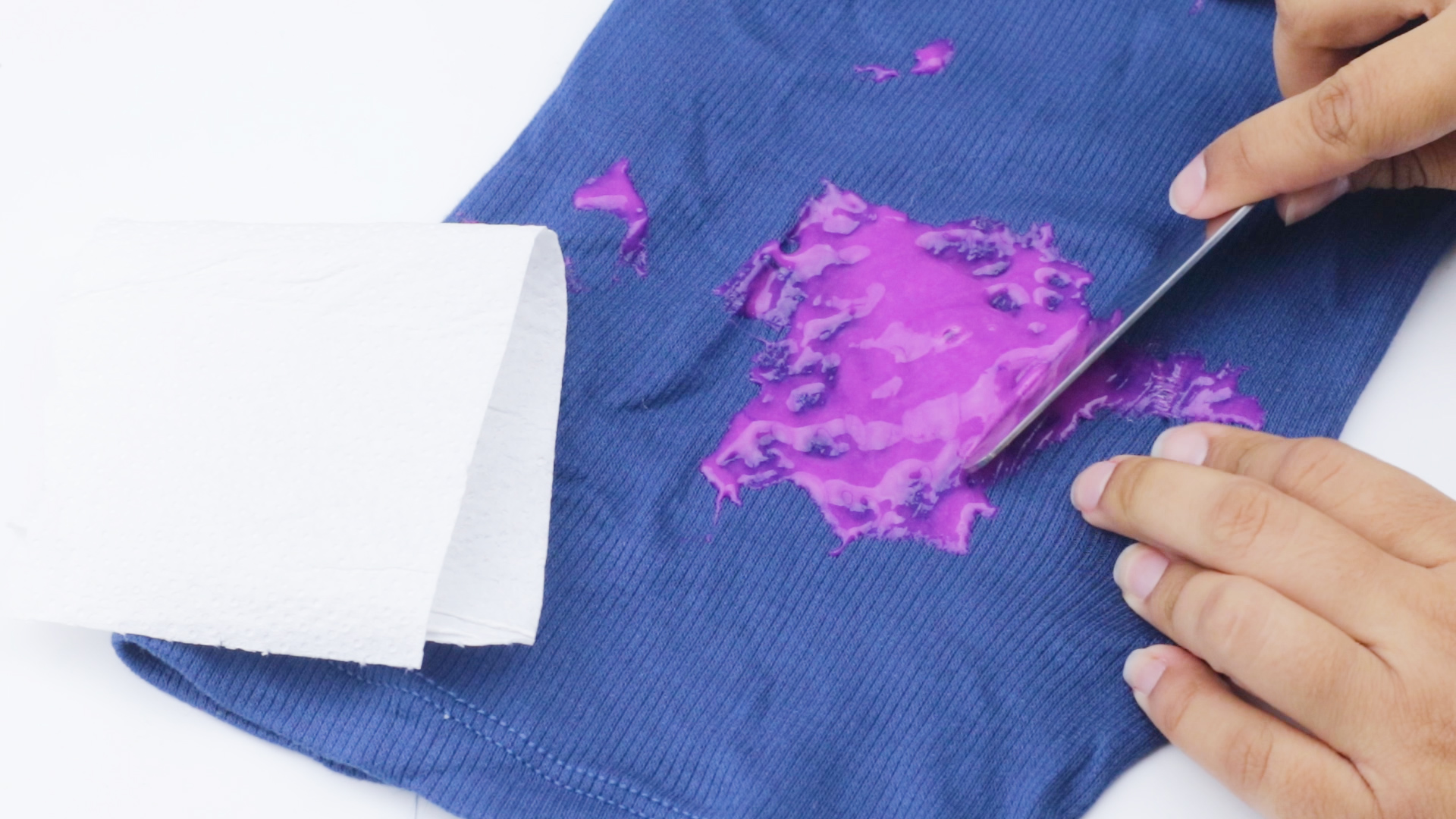
Silly Putty is charming when it bounces, stretches, and keeps kids entertained for more than nine heroic minutes. It is less charming when it becomes one with a cotton T-shirt, a school hoodie, or the mysterious “good pants” someone was absolutely not supposed to wear during craft time. The good news: you do not have to hold a tiny funeral for the garment. In most cases, you can remove Silly Putty from clothes with a few household items, a little patience, and the emotional strength to not immediately throw the shirt into the dryer.
This guide explains how to get Silly Putty out of clothes using three easy and effective methods: freezing and scraping, rubbing alcohol, and dish soap with laundry pretreatment. These methods work best on washable fabrics like cotton, denim, polyester, and many everyday blends. You will also learn what not to do, how to handle dried Silly Putty, and how to avoid turning one sticky blob into a full-blown laundry opera.
Before You Start: Save the Fabric, Not the Drama
Silly Putty is made primarily from silicone and color pigments, which is why it behaves like a tiny alien: it stretches, squishes, bounces, and clings to fabric fibers with suspicious enthusiasm. The trick is to remove as much of the putty as possible before washing. If you toss the garment straight into the washer while the putty is still stuck on, you may spread residue deeper into the fibers. If you put it in the dryer, heat can set the stain and make the putty even harder to remove.
Gather Your Supplies
- Ice cubes or a freezer bag
- A dull butter knife, spoon, or old credit card
- Rubbing alcohol, preferably 70% isopropyl alcohol
- Cotton balls, cotton swabs, or a clean white cloth
- Liquid dish soap or liquid laundry detergent
- A soft toothbrush or laundry brush
- Stain remover, optional but helpful
- Paper towels or a clean towel
Check the Care Label First
Before you treat the stain, check the care label. If the clothing says “dry clean only,” do not experiment like a laundry scientist in a garage lab. Blot away loose putty, avoid rubbing, and take the item to a professional cleaner. For washable clothes, test rubbing alcohol or detergent on a hidden seam first, especially on bright colors, delicate fabrics, rayon, silk, wool, acetate, or anything you would be sad to ruin.
Way 1: Freeze and Scrape the Silly Putty
The freezing method is usually the best first step. Cold temperatures harden Silly Putty, making it less stretchy and easier to lift from fabric. Think of it as putting the putty in timeout until it stops being so clingy.
Best For
Fresh Silly Putty, thick blobs, denim, cotton T-shirts, sweatshirts, kids’ clothes, and washable everyday fabrics.
Step-by-Step Instructions
- Remove loose putty by hand. Gently lift away any large pieces. Do not rub. Rubbing pushes the putty deeper into the weave, which is the laundry version of making eye contact with a problem and inviting it to stay.
- Chill the putty. Place ice cubes in a plastic bag and press the bag onto the Silly Putty for several minutes. You can also place the garment in the freezer with the putty facing up for 30 to 60 minutes.
- Scrape gently. Once the putty hardens, use a dull butter knife, spoon edge, or old credit card to lift it away. Work from the outside of the stain toward the center so you do not spread residue.
- Repeat if needed. If the putty softens while you work, chill it again. A few freeze-and-scrape rounds are better than one aggressive scraping session that roughs up the fabric.
Helpful Tip
Put a clean towel under the stained area while scraping. It supports the fabric and catches loose bits. If you are working on a pocket, turn the pocket inside out so you are not scraping blindly into the fabric cave of doom.
What This Method Does Not Do
Freezing removes the bulk of the Silly Putty, but it may leave behind a greasy-looking or colored residue. That is normal. Do not panic. The next method handles the clingy leftovers.
Way 2: Use Rubbing Alcohol to Loosen Sticky Residue
Rubbing alcohol is one of the most useful tools for removing Silly Putty residue from washable clothes. It helps loosen the putty’s grip on fabric fibers so you can blot and lift the stain instead of wrestling it like a tiny rubber octopus.
Best For
Leftover residue after scraping, dried Silly Putty, cotton, polyester, denim, sturdy blends, and washable fabrics that pass a hidden spot test.
Important Safety Notes
Rubbing alcohol is flammable, so use it away from flames, sparks, candles, stovetops, and hot appliances. Work in a well-ventilated area. Let the fabric fully air-dry before placing it near heat or into a dryer. Also, do not use rubbing alcohol on delicate fabrics without testing. Some dyes and finishes may not appreciate your enthusiasm.
Step-by-Step Instructions
- Place a towel behind the stain. Lay the garment stain-side up on a clean towel or stack of paper towels. This keeps loosened residue from transferring to another layer of fabric.
- Spot test first. Dab a small amount of rubbing alcohol on an inside seam. Wait a few minutes and check for color bleeding, fading, or texture changes.
- Apply rubbing alcohol. Saturate a cotton ball, cotton swab, or clean white cloth with rubbing alcohol. Blot the stained area. Do not pour half the bottle onto the shirt like you are baptizing it.
- Let it sit briefly. Give the alcohol about one to three minutes to work. The residue should begin to loosen.
- Lift and blot. Use a dull edge to scrape gently, then blot with a clean cloth. Switch to a fresh part of the cloth as residue transfers.
- Repeat carefully. Stubborn stains may need several rounds. Patience is the secret ingredient, right after ice and not yelling.
What If the Putty Has Been Through the Dryer?
Dried or heat-set Silly Putty is more stubborn because heat can push residue deeper into fabric fibers. Start with the freeze-and-scrape method, then use rubbing alcohol in several short rounds. You may need to pretreat, wash, inspect, and repeat. Do not dry the garment again until the stain is completely gone.
Way 3: Treat with Dish Soap or Laundry Detergent, Then Wash
After you remove the main putty and loosen residue with rubbing alcohol, dish soap or liquid laundry detergent helps break down the remaining oily or colored mark. This finishing step matters. Skipping it is like cleaning up after a party but leaving one slice of pizza under the couch.
Best For
Final stain cleanup, greasy-looking residue, faint color marks, washable fabrics, and clothes that still feel slightly tacky after scraping.
Step-by-Step Instructions
- Apply liquid dish soap or detergent. Put a small amount directly on the stain. Clear dish soap is a good choice for light fabrics because colored soaps can sometimes leave their own mark.
- Work it in gently. Use your fingers, a soft toothbrush, or a laundry brush. Rub from the outside toward the center. Gentle circular motions are enough; you are cleaning fabric, not sanding a deck.
- Let it sit. Give the soap or detergent 10 to 15 minutes to break down residue.
- Rinse with cool or lukewarm water. Flush the treated area from the back of the fabric when possible. This helps push residue out rather than deeper in.
- Wash normally. Launder according to the care label, using the warmest water safe for the fabric.
- Inspect before drying. This is non-negotiable. If you still see putty, shadowing, or tackiness, repeat the treatment before using the dryer.
Optional Boost for Stubborn Residue
If a faint sticky spot remains, apply a laundry stain remover after the detergent step and let it sit according to the product directions. Then wash again. Avoid chlorine bleach unless the care label allows it and the fabric is bleach-safe. Bleach is not a magic wand; sometimes it is just chaos in a bottle.
What Not to Do When Removing Silly Putty from Clothes
Do Not Use Heat First
Heat can soften Silly Putty and help it spread. Avoid hot water, hair dryers, irons, and the dryer until the putty is removed. If you use heat too early, the stain may sink deeper into the fibers and become more difficult to treat.
Do Not Scrub Aggressively
Scrubbing feels productive, but it can grind putty into the fabric and damage the surface. This is especially true for knits, fleece, leggings, and soft cotton. Use controlled blotting and gentle scraping instead.
Do Not Use Acetone on Unknown Fabrics
Nail polish remover may dissolve certain sticky materials, but acetone can damage acetate, triacetate, some synthetics, dyes, and finishes. Unless the garment is very sturdy and you know the fabric can handle it, rubbing alcohol is the safer household choice.
Do Not Dry Until the Stain Is Gone
The dryer is where stains go to become permanent residents. Always inspect the fabric after washing. If you still see residue, repeat the alcohol and detergent steps before drying.
How to Remove Silly Putty from Different Types of Clothes
Cotton T-Shirts
Cotton is usually forgiving. Freeze the putty, scrape it off, blot with rubbing alcohol after testing, then treat with liquid detergent. Wash in warm water if the care label allows it.
Jeans and Denim
Denim can handle more scraping than delicate fabrics, but do not get reckless. Use an old credit card or spoon edge, then treat residue with rubbing alcohol. Dark denim should always be spot-tested to avoid fading.
Fleece and Sweatshirts
Fleece traps putty in its fuzzy surface. Freeze thoroughly, then lift small pieces slowly. Blot with alcohol rather than rubbing hard. After detergent treatment, rinse well because fleece likes to hold onto soap like it is saving it for winter.
Leggings and Stretchy Athletic Wear
Stretchy fabrics may contain spandex, which can be sensitive to harsh chemicals and heat. Spot test, use light pressure, and avoid hot water. Air-dry until you are sure the stain is gone.
Delicate or Dry-Clean-Only Clothing
For silk, wool, rayon, acetate, embellished garments, vintage clothing, or anything labeled dry clean only, remove loose putty without rubbing and call a professional cleaner. Saving money is nice. Accidentally creating a permanent shiny patch on a silk blouse is less nice.
Quick Troubleshooting Guide
The Putty Keeps Smearing
Stop scraping and chill it again. If the putty is warm, it will stretch and smear. Freeze, scrape, and repeat in short cycles.
The Stain Looks Greasy
Treat it with liquid dish soap or laundry detergent. Let it sit for 10 to 15 minutes, rinse, and wash. Greasy-looking residue often needs detergent, not more scraping.
The Color Remains After Washing
Apply stain remover or liquid detergent again and wash once more. Avoid the dryer until the color mark is gone. For white washable cotton, oxygen bleach may help if the care label allows it.
The Fabric Feels Sticky After Cleaning
Use another short round of rubbing alcohol, then detergent. Stickiness usually means residue remains in the fibers.
Real-Life Experience: The Hoodie, the Putty, and the Laundry Lesson
Anyone who has dealt with Silly Putty on clothes knows the discovery usually happens at the worst possible time. It is rarely a calm Saturday morning with perfect lighting and a free afternoon. More often, it is ten minutes before school, the child is suddenly emotionally attached to the stained hoodie, and the putty has chosen the front pocket as its forever home.
One common scenario starts with a hoodie or sweatpants pocket. A kid puts Silly Putty in there “just for a second,” which in child-time means anywhere from four minutes to three business days. Body heat softens the putty, the fabric folds around it, and soon the pocket lining looks like it has been sealed with bubblegum from another planet. The first instinct is to pull at it. That removes some of the blob, but it also stretches the rest into thin strings that cling to every fiber. This is the moment when many people make the stain worsenot because they are careless, but because sticky stains are annoying and humans are not built to calmly negotiate with goo.
The method that tends to work best in real life is not dramatic. It is slow, boring, and effective: freeze, scrape, blot, pretreat, wash, inspect. Put the garment in the freezer or press ice against the spot until the putty hardens. Scrape what you can with a dull edge. Then use rubbing alcohol on a cotton ball to loosen the residue. After that, work in dish soap or laundry detergent and let it sit before washing. The process may need two rounds, especially if the putty was warmed by a pocket, a car seat, or the dryer.
The biggest lesson is to avoid the dryer until you are absolutely sure the stain is gone. A faint mark on wet fabric can look harmless, but after heat, it may become more stubborn. Air-drying gives you a chance to inspect the clothing under good light and repeat treatment if needed. This is especially important with school uniforms, sportswear, and favorite pajamasthe holy trinity of clothes children suddenly cannot live without once they are stained.
Another practical lesson: teach kids that Silly Putty belongs in its egg, container, or a designated play area, not in pockets, bedsheets, backpacks, car upholstery, or “hidden treasure spots.” A small plastic bag or storage cup can prevent a surprising amount of laundry drama. Still, accidents happen. Silly Putty is practically designed to travel where it should not. With the right method, most washable clothes can recover, and the person doing the laundry gets to enjoy that rare domestic victory: defeating a sticky blob without sacrificing the outfit.
Conclusion
Getting Silly Putty out of clothes is not about brute force. It is about order. First, freeze and scrape away as much putty as possible. Next, use rubbing alcohol to loosen the sticky residue, after testing the fabric. Finally, treat the spot with dish soap or liquid laundry detergent and wash according to the care label. Always inspect before drying, because heat can set whatever residue remains.
The three easy and effective waysice, rubbing alcohol, and detergentcover most washable clothing disasters. Whether the victim is a T-shirt, jeans, hoodie, or pair of sweatpants, move slowly, test first, and repeat as needed. Silly Putty may be clever, but with patience and the right cleaning steps, your clothes can win the rematch.