Note: This article is written for web publishing and synthesizes real design, housing, energy-efficiency, and lake-cabin living concepts without inserting source-link markup inside the content.
Where Small Cabins Meet Big Atmosphere
There is something almost unfairly charming about a tiny cabin at the top of a lake. It sits there like it knows a secret. The water changes color every hour, the trees act like unpaid set designers, and the cabin itself only needs a few hundred square feet to make a full-sized house feel slightly overdramatic. That is the magic behind Top of the Lake: Tiny Cabins in Dark and Light: the balance between moody exteriors, bright interiors, compact design, and the kind of calm that makes your phone feel like a noisy raccoon.
Tiny cabins are not just cute boxes with a porch and a heroic kettle. They are design puzzles. Every wall has to work. Every window has to earn its keep. Every chair must be comfortable enough for reading, napping, coffee-drinking, and pretending to understand bird calls. When placed near a lake, the stakes get higher. The cabin must respect the view, handle moisture, stay cozy in changing weather, and avoid becoming a storage closet with ambition.
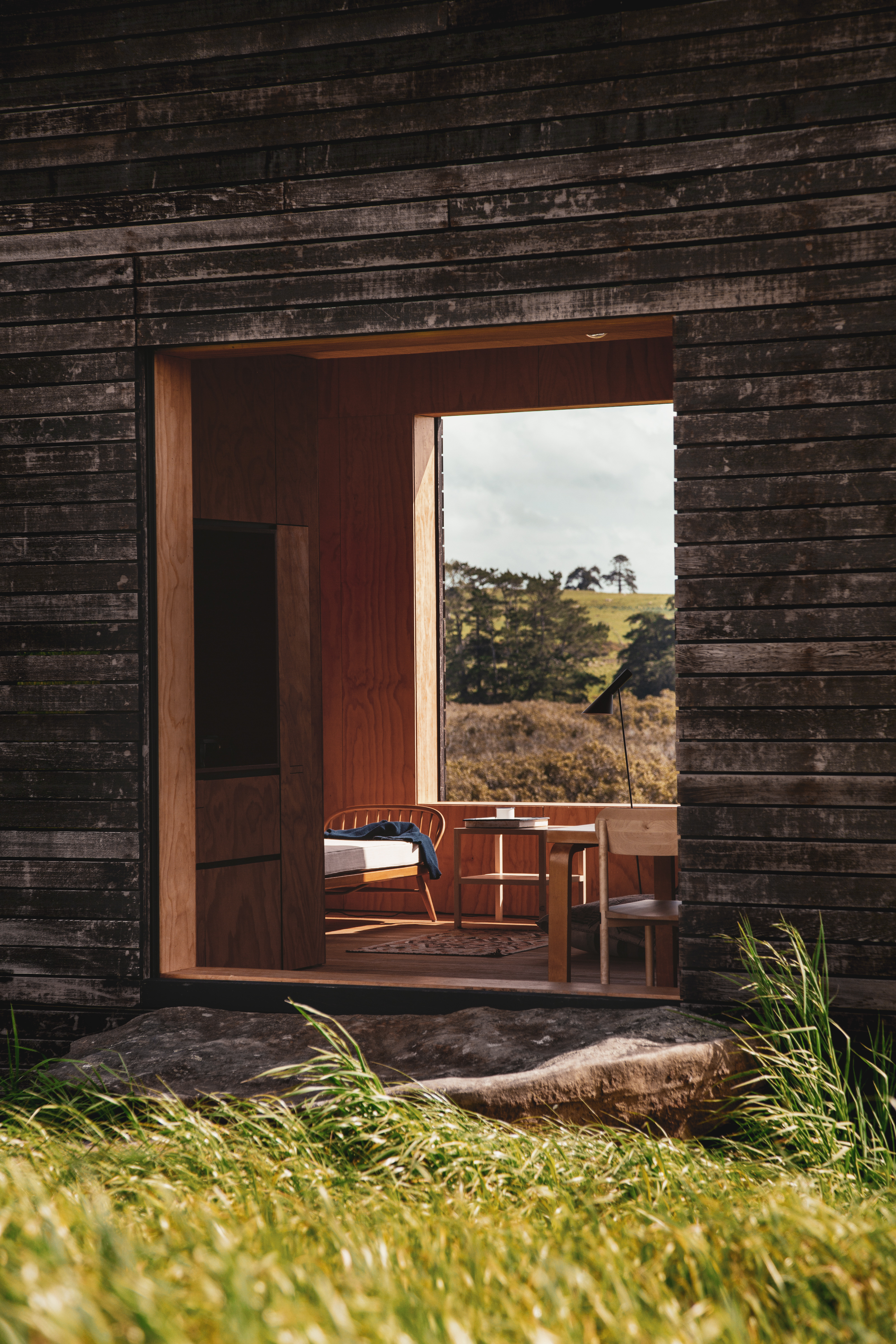
The best lake cabins often use contrast. A dark cabin exterior can blend into trees, rocks, and evening shadows, while a light interior can make the small space feel open and breathable. The result is a tiny retreat that feels grounded from the outside and airy from the inside. In other words, it is architectural espresso with a whipped-cream interior.
Why Dark Exteriors Work So Well on Lakeside Tiny Cabins
Dark cabin exteriors have become a favorite in modern cabin design because they do something surprisingly polite: they let nature take the spotlight. Black, charcoal, deep brown, and weathered gray siding can visually recede into wooded or rocky landscapes. Instead of shouting, “Look at me, I am a cabin!” the structure quietly says, “The lake is over there. You are welcome.”
On a lakeside site, dark materials also create a strong silhouette. A tiny black cabin against pale winter snow, golden grass, green pine, or silver water can look striking without needing complicated shapes. Simple forms become more dramatic. A gable roof feels sculptural. A rectangular cabin becomes a clean frame for the view. Even a small porch suddenly looks like a movie scene where someone is about to sip coffee and make a life-changing decision.
Popular dark exterior choices
Dark cabin design can be achieved through stained cedar, painted fiber cement siding, metal cladding, charred wood finishes, or dark-stained timber. The best choice depends on climate, maintenance expectations, budget, and local building rules. Around lakes, durability matters. Moisture, sun reflection, wind, and seasonal temperature swings can be tough on exterior materials. A beautiful cabin should not require a weekly emotional support session with a paintbrush.
For a tiny cabin, the exterior palette should stay simple. One dominant dark finish, one roof material, and one or two warm accents are usually enough. Add natural wood around the door, a stone step, or a small deck, and the cabin gains warmth without losing its bold personality.
Why Light Interiors Make Tiny Cabins Feel Larger
Step inside a tiny lake cabin and the design goal changes immediately. Outside, dark colors can hide the cabin in the landscape. Inside, light colors help the space expand. Pale wood, creamy white walls, soft beige textiles, and reflective surfaces can stretch daylight across the room. Since tiny cabins often have compact floor plans, this visual brightness matters.
A light interior does not have to mean sterile or boring. Nobody wants a lakeside retreat that feels like a dental office with better views. The trick is layering. Use light walls, then add texture through linen curtains, wool blankets, woven rugs, unfinished wood, rattan baskets, matte ceramics, and warm lighting. The cabin stays bright, but it also feels human. You know, like a place where pancakes happen.
Designing with windows and reflection
Windows are the crown jewels of a lake cabin. A well-placed picture window can make a 300-square-foot room feel connected to 300 acres of sky and water. Clerestory windows bring in light without sacrificing privacy. A glass door can turn the entire front wall into a view. Mirrors can also help, especially when placed where they bounce natural light rather than reflect a pile of hiking boots.
The best tiny cabins do not simply add more windows everywhere. They frame specific moments: sunrise over the lake, a stand of trees, a dock, a slope of wild grass, or the evening glow on the water. Good window placement turns the landscape into art. Very convenient, since the lake does not charge gallery fees.
The Dark-and-Light Formula: A Cabin That Feels Balanced
The most successful tiny cabins in dark and light use contrast with purpose. A dark exterior creates protection and drama. A light interior creates calm and openness. Warm wood connects both. This formula works especially well for lake cabins because water already changes constantly. The cabin becomes a stable object in a shifting environment.
Think of the exterior as the “campfire at night” side of the design: quiet, earthy, and slightly mysterious. Think of the interior as the “first coffee in the morning” side: bright, warm, and ready for socks. Together, they create emotional range. A tiny cabin should not feel like one note played forever on a kazoo. It should offer shadow, light, warmth, rest, and maybe one very good reading chair.
Smart Floor Plans for Tiny Lake Cabins
In a small cabin, layout is more important than square footage. A poorly planned 600-square-foot cabin can feel like a hallway full of regrets. A carefully planned 250-square-foot cabin can feel peaceful, efficient, and surprisingly generous.
The best floor plans usually begin with the view. The living area should face the lake when possible. The kitchen can be compact but functional, with open shelving, under-counter storage, and a small dining surface that doubles as a work desk or board-game battlefield. Sleeping areas can be tucked into a loft, alcove, Murphy bed, built-in bunk, or main-floor sleeping nook.
Space-saving ideas that actually work
Built-ins are the tiny cabin’s best friend. A bench can hide blankets. Stairs can become drawers. A bed platform can store luggage. A wall-mounted table can fold down for meals and disappear afterward like a polite magician. Vertical storage also matters. Hooks, rails, shelves, and tall cabinets keep essentials accessible without turning the floor into an obstacle course.
Multifunctional furniture helps, but it should not be too clever for its own good. A sofa that transforms into a bed, desk, dining table, kayak rack, and emotional support llama may sound impressive, but daily use matters. In tiny cabin design, simple usually wins.
Materials That Suit Lakeside Living
Lake cabins need materials that handle real life. Wet shoes, sandy towels, muddy paws, coffee spills, and one person who insists they are “very careful” while carrying chili are all part of the ecosystem. Flooring should be durable and easy to clean. Engineered wood, sealed concrete, luxury vinyl plank, tile, or well-finished pine can work depending on the design style and climate.
For walls and ceilings, wood paneling adds warmth without requiring much decoration. Light pine, white oak, birch plywood, or painted tongue-and-groove boards can make a cabin feel crafted rather than cramped. In wet zones, choose moisture-resistant materials and proper ventilation. Lakes are beautiful, but they are basically giant humidity machines wearing sunglasses.
Moisture control and fresh air
Because tiny cabins have less interior volume, moisture and indoor air quality deserve attention. Cooking, showering, wet gear, and even breathing can increase humidity quickly in a small space. Good ventilation, properly sized heating and cooling, bathroom fans, range hoods, and smart window placement help keep the cabin comfortable and healthy.
Air sealing and insulation are also important. A tiny cabin may be small, but drafts can still make it feel like a refrigerator with a scenic view. Thoughtful insulation, sealed gaps, quality windows, and suitable window coverings can improve comfort across seasons and reduce wasted energy.
Lighting: The Secret Ingredient in Tiny Cabin Design
Lighting can make or break a dark-and-light cabin. During the day, natural light carries the mood. At night, artificial lighting needs to soften the room without flattening it. Overhead lighting alone can make a tiny cabin feel like a break room at a very rustic gas station. Layered lighting is better.
Use warm wall sconces, low lamps, under-shelf lighting, dimmable pendants, and small reading lights. Exterior lighting should be modest and shielded, especially near lakes where darkness is part of the experience. A porch light should guide you safely, not announce your cabin to passing satellites.
Decorating a Tiny Cabin Without Overcrowding It
Decorating a tiny cabin is an exercise in restraint. Every object is louder in a small space. One beautiful wool blanket looks cozy. Nine decorative pillows on a daybed may require a written evacuation plan. Choose fewer pieces with better texture, better function, and stronger connection to the setting.
Lake cabin decor often works best when it borrows from the outdoors without becoming a gift shop. Use driftwood tones, stoneware, soft blues, moss greens, warm browns, and natural fibers. Vintage paddles, black-and-white lake photography, handmade ceramics, old maps, or a single sculptural branch can add personality. Avoid turning the place into a museum of “Things With Fish On Them,” unless fish are paying rent.
Color palette ideas
A balanced dark-and-light tiny cabin palette might include charcoal siding, natural cedar trim, pale oak floors, warm white walls, black hardware, oatmeal linen, and muted blue accents. Another version could use deep green exterior paint, whitewashed wood inside, brass fixtures, terracotta textiles, and stone-gray counters. The goal is not perfection. The goal is a space that feels calm when it rains, bright when the sun comes out, and forgiving when someone drops a marshmallow under the stove.
Porches, Decks, and Outdoor Rooms
A tiny cabin becomes much larger when the outdoors is part of the plan. A small deck, screened porch, fire pit area, dock bench, or gravel patio can function as an extra room. In warm weather, the deck may become the dining room. In cool weather, the porch becomes the coffee observatory. During mosquito season, the screened porch becomes civilization itself.
Outdoor spaces should be simple and durable. Use weather-resistant furniture, easy storage for cushions, non-slip surfaces, and lighting that does not overpower the night. If the cabin sits on a slope, terraces and steps can create usable zones without disturbing the site too much. The best lakeside designs feel settled into the land, not dropped from a catalog by helicopter.
Sustainability and the Appeal of Living Smaller
Tiny cabins appeal to many people because they reduce excess. Less space means fewer materials, fewer purchases, less cleaning, and fewer mysterious drawers filled with batteries that may or may not be alive. Smaller homes can also support more mindful energy use when designed with efficient systems, good insulation, smart orientation, and durable materials.
However, tiny does not automatically mean sustainable. A poorly insulated cabin with bad windows and inefficient heating can waste energy. A well-designed cabin uses its size wisely. It considers sun exposure, shade, ventilation, water management, and long-term maintenance. Good design is not just about looking adorable on the internet. It is about performing well when the weather gets dramatic.
Real-Life Experience: What It Feels Like to Stay in a Tiny Cabin at the Top of a Lake
The first thing you notice is the quiet. Not total silence, because nature is surprisingly chatty, but a layered kind of quiet: water touching the shore, leaves moving, a bird making a comment from somewhere invisible, the soft pop of wood as the cabin warms in the morning sun. A tiny lake cabin changes your pace before you even unpack. You walk slower because there is nowhere to rush. You make coffee like it is a sacred ceremony. You stare out the window and suddenly understand why chairs were invented.
A dark exterior makes the cabin feel protected when you return from a walk at dusk. From the outside, the cabin becomes a warm lantern, its windows glowing against the trees. Inside, the light interior feels almost surprising. The room seems bigger than it should. The lake reflects across the walls. A pale wood ceiling catches the last daylight. Even a small kitchen feels pleasant because everything is within reach. You can make breakfast without hiking across a giant floor plan. The spatula is right there. The mug is right there. Your dignity after spilling coffee may be slightly farther away, but still recoverable.
Living small also makes routines more intentional. You do not bring twelve outfits because there is nowhere to hide them. You do not scatter belongings because the cabin immediately tells on you. A tiny space rewards tidiness with peace. When everything has a place, the cabin feels generous. When nothing has a place, it feels like a suitcase exploded during a thunderstorm.
The lake adds its own rhythm. Morning light feels clean and silver. Afternoon brings reflections, canoe sounds, and the noble laziness of sitting on the deck with a book you may or may not actually read. At night, the dark cabin disappears into the landscape while the interior becomes a soft pocket of warmth. You notice the practical details: hooks near the door for wet jackets, a bench for boots, a lamp exactly where you need it, a blanket within arm’s reach. Tiny cabin luxury is not about marble everywhere. It is about not having to search for socks when the floor is cold.
There are challenges, of course. Rainy days test storage. Cooking fragrant food in a small space requires ventilation unless you want the bed to smell like onions until Thursday. Privacy can be limited if you are sharing the cabin, so a curtain, loft rail, sliding panel, or outdoor escape route to the deck becomes valuable. But these limitations are part of the charm. The cabin asks you to simplify, and after a day or two, the request starts to feel less like a restriction and more like a favor.
The best experience comes when the cabin design supports the setting instead of competing with it. A dark shell belongs to the trees. A light interior belongs to the morning. The porch belongs to coffee. The lake belongs to everyone and no one. By the time you leave, a regular house may feel suspiciously large, as if it is showing off. A tiny cabin at the top of the lake teaches a simple lesson: comfort does not need to be huge. It needs to be thoughtful, warm, well-lit, and close enough to the water that your worries have somewhere scenic to go.
Conclusion: Small Cabin, Big Mood
Top of the Lake: Tiny Cabins in Dark and Light is more than a design phrase. It is a way to think about compact living with atmosphere. Dark exteriors help tiny cabins blend into wooded lakeside settings while creating drama and depth. Light interiors make small rooms feel open, calm, and livable. Smart layouts, durable materials, layered lighting, good ventilation, and meaningful outdoor space turn a small cabin into a retreat that feels much larger than its footprint.
The best tiny lake cabins do not try to imitate full-size houses. They celebrate what small spaces do well: focus attention, reduce clutter, frame nature, and make everyday rituals feel special. A tiny cabin can hold a bed, a table, a kitchen, a chair, a view, and an unreasonable amount of happiness. That is not bad for something smaller than many garages.