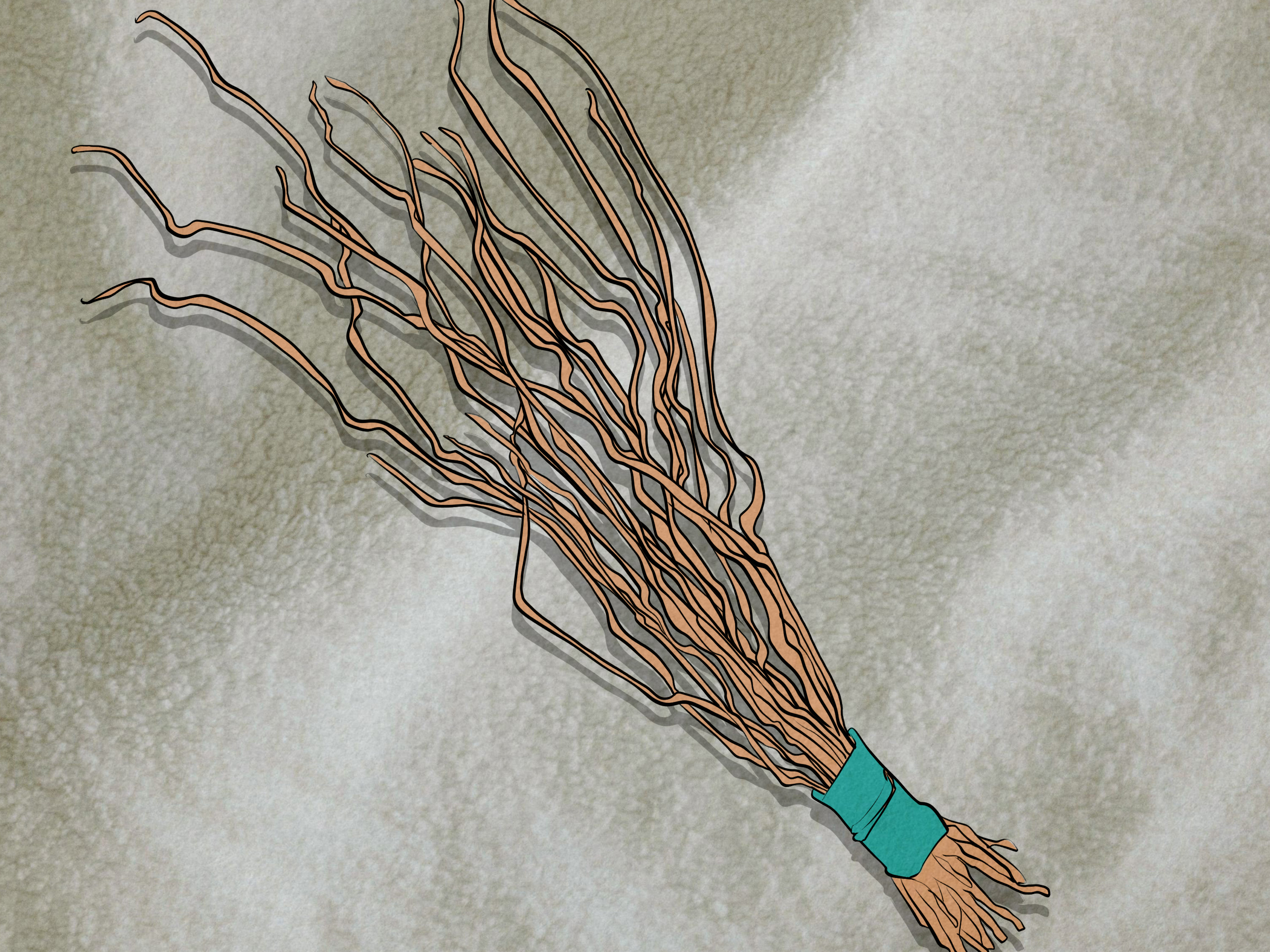
Few trees know how to make an entrance quite like the willow. It does not stand stiff and formal like an oak, nor does it point dramatically skyward like a pine trying to win a posture contest. A willow leans, bends, drapes, sighs, and shimmers beside water as if it has just finished reading a very emotional letter. No wonder people have spent centuries asking, “What do willow trees symbolize?” The tree practically arrives with its own soundtrack.
Across cultures, willow tree symbolism often centers on grief, healing, flexibility, intuition, renewal, feminine energy, and the mysterious pull of water. The weeping willow, in particular, has become one of the most recognizable natural symbols of mourning and remembrance. Yet the willow is not only a sad tree. It is also a survivor. Cut a healthy willow branch, place it in moist soil, and it may root with impressive enthusiasm, as if saying, “New life? Sure, I can pencil that in before lunch.”
That mixture of sorrow and resilience is what makes the willow so spiritually rich. It looks fragile, but it grows fast. It bends in storms, but it does not easily give up. It has long been connected with rivers, moonlight, cemeteries, folk magic, poetry, medicine, and farewell rituals. In other words, the willow is not just a tree; it is a leafy philosopher with excellent hair.
The Core Meaning of Willow Tree Symbolism
The willow tree most commonly symbolizes emotional depth, adaptability, mourning, renewal, and spiritual connection. Its long, drooping branches create the visual impression of tears, which explains why the weeping willow is often linked to grief. At the same time, its flexible limbs and quick-rooting nature make it a powerful image of endurance and rebirth.
In spiritual interpretation, the willow invites people to feel deeply without becoming frozen by emotion. It teaches a softer kind of strength: not the strength of refusing to bend, but the strength of bending and still remaining rooted. That is why willow symbolism appears in conversations about healing, emotional release, transition, memory, and personal growth.
Common symbolic meanings of willow trees include:
- Grief and mourning: especially because of the weeping form of the branches.
- Resilience: because willow branches bend without easily breaking.
- Renewal and rebirth: because many willows root quickly from cuttings.
- Water and emotion: because willows often grow near streams, ponds, rivers, and wetlands.
- Intuition and dreams: especially in folklore that connects willow with the moon and hidden wisdom.
- Farewell and longing: especially in Chinese poetic tradition.
- Healing: partly because willow bark has a long historical association with pain relief.
Why Willow Trees Are Associated With Grief
The weeping willow’s shape almost explains itself. Its branches hang downward like curtains of green rain, creating the impression of a person bowed in sorrow. This visual resemblance made the tree a natural symbol for mourning, especially in art, poetry, memorial design, and cemetery imagery.
In American funerary art, the willow became especially popular in the late eighteenth and nineteenth centuries. Gravestones and mourning objects often featured urns, draped cloth, and weeping willows. The urn represented death, while the willow expressed grief, remembrance, and sometimes the hope of life beyond death. It was a very elegant way for stone carvers to say, “We are heartbroken, but we are trying to be tasteful about it.”
The willow’s grief symbolism also appears in biblical and literary traditions. The famous image of people hanging their harps on willow trees by the rivers of Babylon has helped shape the tree’s association with sorrow, exile, and homesickness. Whether in scripture, cemeteries, or romantic poetry, the willow often appears when words alone are not quite enough to carry sadness.
Willow Trees and Spiritual Healing
Although the willow is strongly connected to mourning, its meaning is not limited to loss. In many spiritual readings, willow trees symbolize emotional healing. The tree does not deny sorrow; it gives sorrow somewhere to go. Its branches move with the wind. Its roots drink from wet ground. Its leaves tremble, release, and return again with the seasons.
This is why the willow often speaks to people going through transitions: grief, heartbreak, family change, personal uncertainty, or the strange moment when life rearranges the furniture without asking permission. The willow’s message is not “Be cheerful immediately.” That would be rude and unrealistic. Its message is closer to: “Let the feeling move through you. Bend. Breathe. Root again.”
Historically, willow bark also carries associations with physical relief. Long before modern aspirin, people used willow bark in traditional medicine because it contains salicin, a compound related to the development of salicylic acid. This history adds another layer to willow symbolism: the tree is not only a sign of emotional comfort but also a reminder of humanity’s long relationship with plants as sources of care and discovery.
Flexibility: The Willow’s Quiet Superpower
If oak symbolism often says, “Stand firm,” willow symbolism says, “Stay rooted, but do not be ridiculous about it.” Willows are famous for flexible branches that move with wind rather than fighting every gust like a tiny wooden warrior. This physical trait has become one of the tree’s strongest spiritual meanings.
To symbolize flexibility does not mean to be weak. In fact, the willow’s flexibility is part of its strength. A brittle branch snaps; a willow branch sways. Spiritually, this makes the willow a symbol of adaptability, emotional intelligence, and survival through change. It reminds us that not every battle must be won by force. Some are survived by patience, softness, and the ability to change shape without losing the self.
This meaning is especially useful in modern life, where everyone seems to be one calendar notification away from becoming a startled raccoon. The willow offers a calmer model: respond, adjust, stay connected to your roots, and do not confuse rigidity with courage.
Willow Trees, Water, and the Moon
Willows often grow near water, and this natural habitat has deeply influenced their folklore. Rivers, ponds, marshes, and damp soils are the willow’s favorite neighborhoods. Because water is frequently associated with emotion, dreams, cleansing, memory, and intuition, the willow has absorbed many of those meanings.
In folklore, the willow is often linked with the moon. This connection makes symbolic sense: the moon influences tides, water reflects moonlight, and willows thrive in watery places. Together, these associations create a spiritual image of feminine energy, emotional rhythm, intuition, and hidden knowledge. The willow becomes a tree of thresholds: between land and water, waking and dreaming, sorrow and renewal.
This is one reason willow trees appear in mystical and poetic traditions. Their branches seem to veil the world, creating a private green room where thoughts can wander. Sit under a willow long enough, and even your most practical ideas may begin wearing a cloak and speaking in metaphors.
Willow Folklore in Celtic and European Traditions
In Celtic-inspired tree lore, willow is often associated with intuition, enchantment, water, and the moon. The old Irish Ogham tradition includes Saille, commonly linked with willow. Modern spiritual interpretations often describe willow as a tree of dreams, poetic inspiration, emotional wisdom, and the ability to move between visible and invisible worlds.
European folklore also gives the willow a more complicated personality. In some stories, it is protective and magical. In others, it is eerie, unlucky, or connected with cemeteries and spirits. This split personality is not unusual for trees that grow near water and shadowy places. Folklore loves a location with mist, roots, and poor lighting.
The willow’s association with enchantment may also come from its practical uses. Willow branches are pliable and useful for weaving baskets, fences, and living structures. A tree that can be bent, shaped, and regrown naturally becomes a symbol of craft, transformation, and magical manipulation. It is the botanical equivalent of “trust the process.”
Willow Symbolism in Chinese Culture
In Chinese tradition, willow carries a beautiful meaning of farewell, longing, and the wish for someone to stay. The Chinese word for willow, liǔ, sounds similar to a word meaning “to remain” or “to stay.” Because of this, willow branches became associated with parting and emotional attachment. Giving or breaking a willow branch could symbolize a tender goodbye: please stay, please remember, please return.
Willow also appears in Chinese poetry as a symbol of spring, separation, and the fragile ache of leaving home. Its branches are soft and graceful, yet they grow back readily, making the tree a symbol of both sadness and renewal. That dual meaning is important. The willow does not simply say goodbye; it says goodbye with the hope that life continues.
In some East Asian traditions, willow branches are also connected with protection, purification, and spiritual compassion. The image of a willow branch held with water appears in Buddhist-influenced iconography, where it can suggest mercy, cleansing, and gentle healing. In these traditions, willow symbolism is less about dramatic sorrow and more about compassionate presence.
The Weeping Willow as a Symbol of Love and Romance
Because willow trees often grow beside water and create secluded, curtain-like spaces, they have long carried romantic associations. Lovers meet under willows in poems, paintings, parks, and probably several overly ambitious picnic plans. The tree’s privacy, grace, and emotional atmosphere make it a natural setting for longing, confession, and memory.
The weeping willow can symbolize love that is tender, patient, or touched by sadness. It may represent devotion after separation, the ache of distance, or the kind of affection that keeps growing quietly even when life becomes complicated. Unlike red roses, which announce romance with a trumpet, willow romance whispers from the riverbank and hopes you are emotionally available.
Willow Trees and Renewal
One of the most hopeful meanings of the willow tree is renewal. Willows are famously eager growers. Many species root from cuttings, and some grow quickly in the right conditions. This biological trait has inspired symbolic meanings of rebirth, immortality, and the continuation of life after difficulty.
That is why willow symbolism works so well in memorial spaces. The tree can honor grief while also suggesting that life does not end in a single moment of loss. Memory keeps growing. Love changes form. New leaves return. The willow does not erase sorrow; it gives sorrow a season, a shape, and a way forward.
What Does Seeing a Willow Tree Mean Spiritually?
Spiritually, seeing a willow tree may be interpreted as a reminder to soften, listen inwardly, and adapt to change. It may suggest that you are entering a period of emotional release or healing. If you are grieving, the willow can symbolize permission to mourn without shame. If you are facing uncertainty, it may encourage flexibility instead of panic. If you are beginning again, it can represent the quiet miracle of regrowth.
Of course, not every willow sighting requires a dramatic spiritual announcement. Sometimes a willow is simply a tree, and sometimes that tree is photogenic enough to make everyone nearby suddenly interested in poetry. Still, symbols matter because they help people organize feelings. The willow gives shape to emotions that are often hard to name.
Willow Tree Dreams: Possible Meanings
Dreaming of a willow tree may point to emotional sensitivity, memory, healing, or unresolved grief. A healthy willow in a dream can suggest renewal, protection, or emotional balance. A willow beside water may point to intuition and the subconscious. A broken or leafless willow may reflect sadness, exhaustion, or a need for rest.
Dream symbolism is personal, so context matters. Are you standing under the tree, walking away from it, or watching it from across a river? Is the willow sheltering you or blocking your path? The emotional tone of the dream often reveals more than the tree itself. The willow is the symbol; your feeling is the interpreter.
Willow Tree Meaning in Tattoos, Jewelry, and Memorial Gifts
Today, willow tree designs appear in tattoos, memorial jewelry, artwork, garden design, and sympathy gifts. A willow tattoo may represent survival after loss, emotional strength, spiritual intuition, or a bond with someone who has passed away. In jewelry and memorial art, the willow often expresses remembrance without needing heavy language.
For gardens, planting a willow can create a living memorial, although practical care matters. Willows like moist areas, grow quickly, and can develop aggressive root systems, so they should be planted thoughtfully and away from pipes, foundations, and small spaces. Symbolism is lovely, but plumbing bills are not spiritual growth; they are just expensive.
Personal Experiences and Reflections on Willow Tree Symbolism
One of the reasons willow symbolism feels so powerful is that people often encounter these trees during quiet, reflective moments. A willow is not usually the tree you rush past on the way to buy batteries. It is the tree you notice near a pond, at the edge of a park, beside an old cemetery, or along a walking path when your thoughts have finally stopped sprinting.
Many people describe feeling sheltered beneath a willow. Its branches create a soft boundary between the outside world and the inner world. Standing under one can feel like stepping behind a green curtain, where the noise of daily life becomes slightly less bossy. This experience helps explain why willow trees are linked with emotional privacy. They make room for feelings without demanding a public announcement.
For someone dealing with grief, a willow can feel strangely companionable. It does not cheerlead. It does not offer a motivational quote in a shiny font. It simply bends. Its shape seems to say that sorrow is not abnormal; sorrow is part of the landscape. That can be comforting. In a culture that often rushes people to “move on,” the willow suggests another path: stay present, let the tears fall, and trust that new leaves can still come.
Willows can also be meaningful during periods of personal change. Imagine walking near a river after a difficult decision, a breakup, a move, or the end of a long chapter. A willow leaning over the water may feel like a mirror of the moment: flexible, uncertain, alive, and still rooted. The tree becomes a reminder that change does not always arrive as a grand heroic scene. Sometimes it arrives quietly, like a branch brushing the surface of water.
Another common experience is noticing how alive a willow seems in motion. On windy days, its branches do not resist the air; they dance with it. This can become a practical lesson. People often spend enormous energy trying to control what cannot be controlled. The willow demonstrates another method: move with the pressure, release what is unnecessary, and return to balance when the gust passes. It is emotional aikido, but with leaves.
Gardeners may experience willow symbolism in an even more hands-on way. The tree’s ability to root from cuttings can feel almost magical. A branch that appears separate and finished can become the beginning of a new tree. This is why the willow works so well as a symbol of renewal. It proves, in a very literal way, that endings can carry beginnings hidden inside them.
Artists, writers, and spiritual seekers often respond to willows because they invite imagination. Their form is dramatic but not loud. Their branches suggest veils, hair, rain, tears, curtains, and flowing robes. A willow can look like a grieving figure, a wise elder, a dancer, or a secret keeper depending on the hour and the mood of the observer. That flexibility of meaning is part of its charm.
In personal reflection, the willow’s greatest lesson may be balance. It does not ask us to become emotionless. It does not ask us to collapse either. It shows how to be soft and strong at the same time. It honors sadness while still growing toward light. It bends toward water while remaining anchored in earth. For anyone moving through grief, love, change, or self-discovery, that is more than symbolism. That is a survival strategy with branches.
Conclusion: The Willow’s Message Is Soft, But Not Weak
So, what do willow trees symbolize? They symbolize grief, healing, flexibility, renewal, intuition, farewell, and emotional wisdom. Their spiritual meaning comes from both appearance and behavior: they weep, bend, root, regrow, and gather near water. Their folklore stretches across cultures, from cemetery carvings and European tree lore to Chinese farewell customs and poetic images of longing.
The willow tree reminds us that sadness and strength are not opposites. A person can bend and still endure. A heart can grieve and still grow. A goodbye can hurt and still carry love. The willow does not shout these lessons. It whispers them beside water, with branches low enough to touch the earth and leaves light enough to follow the wind.
Note: This article is written for informational and cultural-interest purposes. Spiritual meanings and folklore interpretations vary by region, tradition, and personal belief.