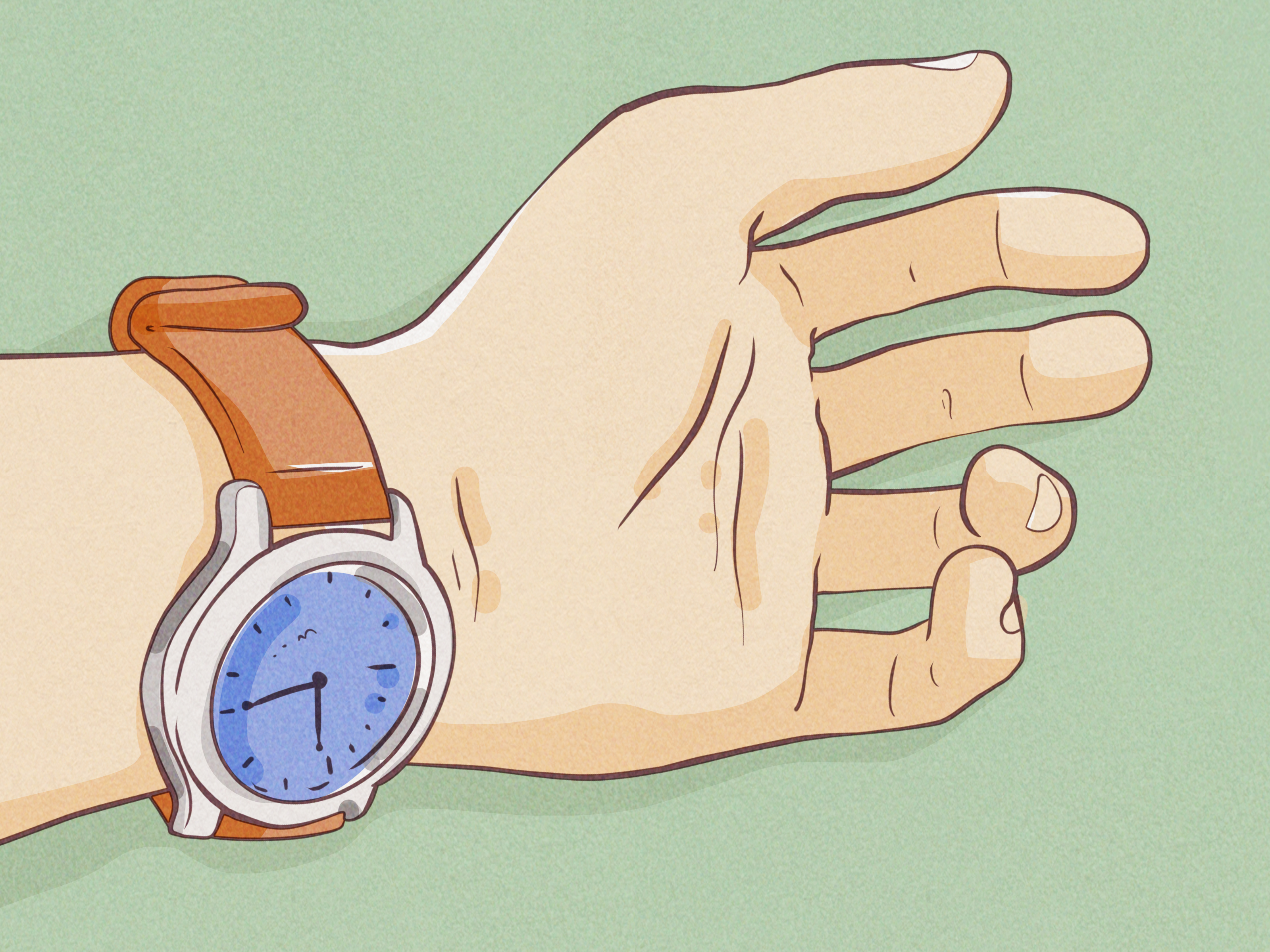
There is a tiny but dramatic moment in every watch owner’s life: you fasten the strap, look down, and wonder, “Is this elegant… or am I slowly cutting off circulation to my hand?” A watch should feel secure, stylish, and easy to forget about until you need the time. It should not leave your wrist looking like a waffle iron pressed into it.
So, how tight should a watch be? The best answer is: snug enough that it stays in place, loose enough that your skin can breathe, and balanced enough that the case does not slide around like it has weekend plans. A comfortable watch fit usually allows a fingertip to slip under the strap or bracelet without a struggle. It should not spin freely, pinch your skin, dig into your wrist bone, or slide halfway down your hand every time you type, drive, or reach for coffee.
This guide explains how to find the right watch fit using four simple tips. Whether you wear a leather dress watch, a stainless steel bracelet, a rugged field watch, or a smartwatch that tracks your heart rate with the enthusiasm of a tiny wrist doctor, these practical rules will help you get a better fit.
Why Watch Fit Matters More Than People Think
A watch is not just decoration. It is a moving object attached to one of the busiest parts of your body. Your wrist bends, twists, expands slightly in warm weather, shrinks a bit in cold weather, and occasionally gets attacked by your desk edge. A watch that fits poorly can become annoying fast.
If your watch is too tight, it may leave deep marks, trap sweat, irritate the skin, and make your wrist feel restricted. If it is too loose, the case can slide, rotate, hit furniture, scratch more easily, and feel heavier than it really is. On automatic watches, an extremely loose fit can reduce consistent wrist motion. On smartwatches, poor skin contact can affect features like wrist detection, heart-rate readings, haptic feedback, and workout tracking.
The perfect watch fit is a balance of comfort, function, and style. Think of it like a handshake: firm is good, crushing is not.
Tip 1: Use the One-Finger Rule
The easiest way to test watch tightness is the one-finger rule. Fasten your watch where you normally wear it, then try sliding the tip of your index finger or pinky between the strap and your wrist. If your finger slips in comfortably but not loosely, you are probably close to the right fit.
If you cannot fit a fingertip under the band, the watch is likely too tight. If you can fit two fingers with room to host a small wrist party, the watch is probably too loose. This simple test works for most leather straps, rubber straps, nylon straps, and metal bracelets.
What “snug” actually feels like
A snug watch should stay mostly in place when you move your arm. It may shift slightly during the day, especially when your wrist warms up, but it should not spin around the wrist or drop onto the back of your hand. You should be able to bend your wrist naturally without the clasp pinching or the case digging into your wrist bone.
Here is a practical example: sit at your desk and type for five minutes. If the watch case keeps sliding toward your hand and hitting the keyboard, it is too loose. If the strap leaves a deep red line after those five minutes, it is too tight. If you forget about it until you check the time, congratulationsyou have entered the comfort zone.
Tip 2: Wear the Watch Above the Wrist Bone
A watch usually fits best just above the wrist bone, toward the elbow rather than toward the hand. This placement gives the case a flatter, more stable surface. It also helps prevent the crown from pressing into the back of your hand when you bend your wrist.
Many people wear their watch too low because it feels natural at first. But when a watch sits directly on the wrist joint, it moves more, pinches more, and can look awkward. The wrist bone acts like a small speed bump. Keep the watch slightly above it, and the whole experience becomes smoother.
Why position affects comfort
Wrist shape matters. Some people have flat wrists, while others have rounder wrists. A large watch may sit securely on a flat wrist but wobble on a rounder one. Case thickness also matters. A slim dress watch usually hugs the wrist more easily than a thick dive watch or oversized chronograph.
For smaller wrists, a case between about 34mm and 40mm often feels more balanced. For larger wrists, cases in the 40mm to 46mm range may feel proportional, depending on lug-to-lug length, thickness, and strap style. But do not worship the millimeter chart like it came down from a mountain. The real test is how the watch sits on your actual wrist.
Tip 3: Adjust for Strap Material
Different watch bands feel different even at the same tightness. A leather strap, a stainless steel bracelet, a rubber strap, and a nylon strap all behave differently on the wrist. That means the perfect watch fit depends partly on the material.
Leather straps
Leather often needs a short break-in period. A new leather strap may feel stiff on day one but soften after several wears. Wear it snug, not tight, and give it time to shape to your wrist. Avoid forcing the buckle into the tightest hole just because the strap is new. That is not “breaking it in”; that is bullying leather.
Metal bracelets
A metal bracelet should feel secure without pulling arm hair or clanking around like loose change in a dryer. Because bracelet links are fixed sizes, it can be hard to get a perfect fit by removing links alone. This is where micro-adjustments help. Many clasps have small adjustment holes or extension systems that allow a finer fit.
If your bracelet is slightly too tight with one link removed and too loose with it added back, ask a jeweler or watch repair shop about half links or clasp micro-adjustments. A few millimeters can turn a watch from “annoying wrist shackle” into “daily favorite.”
Rubber and silicone straps
Rubber and silicone straps are popular for sports watches and smartwatches because they handle sweat and water well. They should sit snugly during workouts, but not so tight that sweat becomes trapped underneath all day. After exercise, loosen the strap or clean and dry the area to reduce irritation.
Nylon and fabric straps
Nylon straps, including NATO-style straps, are lightweight and adjustable. They can be very comfortable, but they may add thickness under the case. If the watch starts sitting too high, try a single-pass strap or a thinner fabric option. The goal is secure, not bulky.
Tip 4: Adjust for Activity, Weather, and Skin Comfort
Your wrist size changes more than you may think. Heat, exercise, salty food, hydration, travel, and even the time of day can make your wrist expand or contract slightly. That is why a watch that feels perfect in the morning can feel tight by late afternoon.
For office wear, the one-finger rule is usually ideal. For workouts, a smartwatch or sports watch may need to be slightly more secure so the sensors stay close to the skin and the case does not bounce. For relaxing at home, you may prefer a slightly looser fit. Comfort is allowed to have a schedule.
Signs your watch is too tight
- It leaves deep marks that last long after removal.
- Your wrist feels numb, sore, or restricted.
- The clasp pinches when you bend your wrist.
- Sweat builds up under the band and causes itching.
- Your skin becomes red, irritated, or tender.
Signs your watch is too loose
- The watch slides onto your hand.
- The case rotates to the underside of your wrist.
- The bracelet rattles loudly with normal movement.
- The watch bangs into desks, doors, or laptop edges.
- A smartwatch loses sensor contact or locks unexpectedly.
If you notice itching, redness, swelling, or a rash under your watch, take the watch off and let the skin recover. Sometimes the issue is tightness, trapped moisture, soap residue, or friction. In other cases, it may be sensitivity to metals such as nickel or to materials in the strap. If irritation keeps returning, consider switching materials and speak with a healthcare professional if symptoms persist.
How Tight Should a Smartwatch Be?
A smartwatch should usually be a little more secure than a traditional dress watch, especially during exercise. The back of the watch needs steady skin contact for features like wrist detection, heart-rate monitoring, haptic alerts, and some health measurements. However, “secure” does not mean “tourniquet with apps.”
For daily wear, keep a smartwatch snug but comfortable above the wrist bone. During workouts, tighten it slightly so it does not bounce. After exercise, loosen it again and clean the band if you sweat heavily. This keeps the sensors happy and your skin happier.
How Tight Should a Dress Watch Be?
A dress watch should sit flatter and more discreetly than a bulky sports watch. It should slide under a shirt cuff without a wrestling match. A leather strap or fine metal bracelet should keep the case centered on the wrist, but the fit can be slightly more relaxed than a running watch.
If you wear long sleeves often, check the watch with your actual shirt cuff. A watch that feels great with a T-shirt may feel cramped under a fitted dress shirt. Ideally, your cuff should move over the watch smoothly, not get stuck on the case every time you reach across the table.
How Tight Should a Metal Watch Bracelet Be?
A metal bracelet should have a little movement, but not enough to spin. Many people prefer a bracelet slightly looser than a leather strap because metal does not stretch and can feel colder or more rigid. The bracelet should not squeeze when your wrist expands in warm weather.
When sizing a bracelet, start with link removal, then fine-tune with clasp micro-adjustments. If possible, size the bracelet when your wrist is at a normal temperaturenot freezing cold and not swollen after a workout. This gives you a more realistic everyday fit.
Common Watch Fit Mistakes
Wearing it like a bracelet
A watch can be jewelry, but it is not exactly a bracelet. If it slides several inches up and down your arm, the case will wear awkwardly and may get scratched more often. A little movement is fine. A wrist migration documentary is not.
Choosing a case that is too large
Sometimes the strap is not the problemthe watch head is. If the lugs hang over the edges of your wrist, the strap may pull downward awkwardly, creating gaps and pressure points. A smaller case or shorter lug-to-lug measurement can improve comfort dramatically.
Ignoring case thickness
A thick watch can feel top-heavy even if the strap is correctly sized. If a watch constantly rolls to one side, the case may be too tall or heavy for your wrist shape. Try a thinner case, lighter strap, or better-balanced bracelet.
Never adjusting for seasons
Your summer fit and winter fit may not be identical. In hot weather, wrists often swell slightly. In cold weather, a bracelet may feel looser. A clasp with micro-adjustment is a gift from the watch gods, especially if your wrist changes throughout the day.
Experience: What I Learned From Wearing Watches Too Tight, Too Loose, and Finally Just Right
My first real lesson in watch fit came from wearing a stainless steel bracelet too loose because I thought loose meant comfortable. It looked stylish in the mirror for about three seconds. Then I walked to my desk, and the watch immediately slid toward my hand like it was trying to escape. Every time I typed, the clasp tapped the laptop. Every time I opened a door, the case introduced itself to the handle. By lunch, I was not wearing a watch; I was supervising a tiny metal wrecking ball.
So I made the classic overcorrection: I removed another link. Suddenly the watch looked perfect while my arm was still. Unfortunately, my wrist is not a statue. Once I started moving, the bracelet pinched. By late afternoon, it left a red mark deep enough to qualify as modern art. That was when I learned that visual fit and wearable fit are not always the same thing.
The best adjustment came from using the clasp micro-adjustment instead of obsessing over full links. One tiny shift changed everything. The watch stayed centered, but I could still slide a fingertip under the bracelet. It no longer attacked my keyboard, and my wrist no longer felt like it had signed a strict contract.
Leather straps taught me a different lesson. A new leather strap can feel too stiff at first, so the temptation is to wear it tighter to keep the case stable. That usually makes things worse. A better approach is to wear the strap comfortably snug and let the leather soften naturally. After a few days, it curves around the wrist and feels more personal, almost like a pair of shoes after the first awkward walk around the block.
Smartwatches added another twist. During workouts, I found that a slightly tighter fit helped keep sensor readings consistent. But wearing that same tightness all day was uncomfortable, especially in warm weather. The best routine was simple: snug for exercise, relaxed after. Clean the band, dry the wrist, and avoid trapping sweat under the strap for hours. It sounds obvious, but many comfort problems come from forgetting that skin needs air too.
The biggest takeaway is that the right watch fit is not a single permanent setting. It is a small habit. Check the fit when the weather changes. Adjust the strap if your wrist swells. Try a different material if your skin complains. Move the watch above the wrist bone if it keeps pinching. And never judge comfort only by how the watch looks in a photo. A great fit is the one you can wear all day without thinking about it.
Conclusion
So, how tight should a watch be? Aim for snug, comfortable, and stable. You should usually be able to slip one fingertip under the strap or bracelet. The watch should sit above the wrist bone, stay mostly centered, and allow your skin to breathe. It should not spin like a bracelet, squeeze like a blood pressure cuff, or leave angry marks after normal wear.
The perfect watch fit depends on your wrist shape, watch size, strap material, daily activity, and personal preference. A dress watch can sit a little more relaxed. A smartwatch may need a closer fit during workouts. A metal bracelet may require micro-adjustments. A leather strap may need time to break in. Once you learn these small details, your watch stops being something you constantly adjust and becomes what it should be: a comfortable, useful, stylish companion on your wrist.
Note: This article is for general style and comfort guidance. If a watch causes persistent pain, numbness, swelling, rash, or skin irritation, remove it and consider professional medical or watch-sizing advice.