Dry eyes can feel like your eyeballs spent the afternoon rolling around in beach sand. One minute you are blinking through a work email, and the next you are wondering whether your eyes have quietly resigned from their moisturizing duties. When burning, stinging, watery eyes, blurry vision, or contact lens discomfort become frequent visitors, an eye doctor may recommend a simple in-office exam called the Schirmer’s test.
The Schirmer’s test, also called the Schirmer tear test, helps measure how many tears your eyes produce over a short period of time. It is one of several tools used during a dry eye diagnosis, especially when your provider suspects that your eyes are not making enough of the watery layer of the tear film. The test is quick, low-tech, and not nearly as dramatic as it sounds. No lasers. No mystery machine. Just small paper strips, a few minutes, and your tear production doing its best to be measurable.
What is Schirmer’s test?
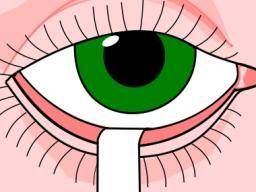
Schirmer’s test is a diagnostic eye exam that measures tear volume. During the test, a small strip of special filter paper is placed inside the lower eyelid. The paper absorbs tears, and after a set amount of time, usually five minutes, the eye care professional measures how far moisture traveled along the strip. The result is recorded in millimeters.
In plain English: the test asks, “Are your eyes making enough tears to keep the surface comfortable and protected?” That matters because tears are not just emotional confetti. They help nourish the cornea, wash away debris, reduce friction when you blink, and maintain clear vision.
Dry eye disease can happen when the eyes do not produce enough tears, when tears evaporate too quickly, or when the tear film is unstable or poor in quality. Schirmer’s test mainly looks at the aqueous, or watery, part of tears. This makes it especially useful when a doctor is checking for aqueous-deficient dry eye.
Why would a doctor recommend a Schirmer tear test?
An eye doctor may recommend Schirmer’s test if your symptoms suggest dry eye disease or if your exam shows signs that the eye surface is not getting enough lubrication. Common symptoms include burning, scratchiness, redness, fluctuating vision, sensitivity to light, and the odd feeling that something is stuck in your eye even though nothing is there. In other words, your eye feels like it has a tiny invisible roommate with a broom.
Common reasons for testing
Your provider may use Schirmer’s test when you have ongoing dry eye symptoms, trouble wearing contact lenses, a history of eye surgery, or signs of corneal irritation. It may also be used when dry eye could be related to medication use, autoimmune disease, hormonal changes, aging, eyelid problems, or environmental factors such as heavy screen use, wind, air conditioning, smoke, or dry indoor air.
The test may also be part of an evaluation for conditions such as Sjögren’s disease, an autoimmune condition that can reduce tear and saliva production. In that situation, Schirmer’s test is not the entire investigation, but it can provide an important clue.
How tears work: the tiny film doing a big job
To understand Schirmer’s test, it helps to know a little about the tear film. Your tears are not just water. They are a layered system that includes oil, water, and mucus. The oil layer helps slow evaporation. The watery layer provides moisture and nutrients. The mucus layer helps tears spread evenly over the eye surface.
If the watery layer is too low, the eye may feel dry, irritated, and gritty. If the oil layer is poor, tears may evaporate too quickly even if tear production is normal. That is why a person can have dry eye symptoms even when Schirmer’s test results are not severely low. Dry eye is not one-size-fits-all; it is more like a group project where one layer of the tear film may not be pulling its weight.
What to expect before Schirmer’s test
Before the test, your eye doctor will usually ask about your symptoms, medical history, medications, allergies, contact lens use, screen habits, and whether symptoms get worse in certain environments. Be honest and specific. Saying “my eyes feel weird” is understandable, but details such as “my eyes burn after two hours on the computer” or “my vision clears after I blink” are more useful.
You may be asked to remove contact lenses before testing. Your provider may also ask whether you have used eye drops recently because some drops can affect the exam. Do not stop prescription eye medication unless your doctor tells you to, but do mention everything you use, including artificial tears, allergy drops, redness relievers, ointments, and prescription dry eye treatments.
How Schirmer’s test is performed
The basic steps are simple. Your provider gently pulls down the lower eyelid and places the folded end of a narrow paper strip between the eyelid and the eye. The strip usually sits toward the outer part of the lower lid rather than directly in the center. The same process may be done in both eyes at the same time.
You will then close your eyes gently and wait for about five minutes. The key word is gently. Squeezing your eyes shut like you are trying to win an Olympic blinking medal can affect tearing. After five minutes, the strips are removed and measured.
Will the doctor use numbing drops?
Sometimes Schirmer’s test is done with numbing drops, and sometimes it is done without them. Without anesthesia, the test may measure both basal tear production and reflex tearing caused by the paper strip. With anesthesia, the goal is to reduce reflex tearing and get a better sense of baseline tear production. Different clinics may use different versions of the test depending on what they are trying to learn.
If you are nervous about anything touching your eye, tell your provider. Many people are more anxious about the idea than the test itself. The paper strip does not go behind the eye, does not cut the eye, and does not get lost in some secret eyelid basement. It simply rests inside the lower lid.
Does Schirmer’s test hurt?
Most people describe Schirmer’s test as mildly uncomfortable rather than painful. You may feel a tickling, scratchy, or foreign-body sensation while the strip is in place. Your eyes may water more from the irritation, especially if the test is performed without numbing drops. Some people barely mind it. Others spend the five minutes silently negotiating with their eyelids.
After the strips are removed, the irritation usually fades quickly. Your eyes may feel a little sensitive or watery for a short time, but serious side effects are uncommon. If your eye pain continues, your vision changes, or you develop significant redness after any eye exam, contact your provider.
What do Schirmer’s test results mean?
Schirmer’s test results are reported in millimeters of wetting after five minutes. A higher number generally means more tear production. A lower number suggests reduced tear output. Many clinicians consider very low wetting, often around 5 millimeters or less after five minutes, a sign of significant aqueous tear deficiency. Some use higher cutoffs, such as less than 10 millimeters, depending on the test method, symptoms, and the larger clinical picture.
However, the number is not a stand-alone verdict. A person with a borderline result may still have bothersome dry eye symptoms. Another person may have a low result but fewer symptoms. Dry eye testing is a bit like checking the weather: temperature matters, but humidity, wind, and cloud cover matter too.
Possible result categories
A normal or higher reading may suggest that tear volume is adequate, though it does not rule out evaporative dry eye or tear film instability. A mildly reduced reading may point to early or moderate tear-production problems. A very low reading may support a diagnosis of aqueous-deficient dry eye, especially when symptoms and eye surface findings match.
Your doctor may compare the results between your right and left eyes. Uneven results can happen and may be useful if one eye feels worse than the other.
Why Schirmer’s test is not the only dry eye test
No single dry eye test tells the whole story. Schirmer’s test measures tear quantity, but dry eye disease also involves tear quality, inflammation, eyelid function, blink patterns, nerve sensitivity, and the health of the cornea and conjunctiva. That is why your provider may combine Schirmer’s test with several other exams.
Tear breakup time
A tear breakup time test checks how long your tear film stays smooth after you blink. The provider usually places a safe dye on the eye and looks through a slit lamp microscope. If the tear film breaks up too quickly, your tears may be evaporating too fast or spreading unevenly.
Ocular surface staining
Special dyes such as fluorescein or lissamine green can highlight areas of irritation or damage on the surface of the eye. This helps the doctor see whether dryness is affecting the cornea or conjunctiva.
Meibomian gland evaluation
The meibomian glands in your eyelids produce the oily layer of tears. If these glands are blocked or not working well, tears may evaporate quickly. In that case, Schirmer’s test might look normal, but your eyes can still feel dry.
Tear osmolarity and inflammation testing
Some clinics use additional testing to evaluate tear salt concentration or inflammatory markers. These tests may help confirm dry eye disease or guide treatment decisions, especially when symptoms are complex.
What can affect Schirmer’s test accuracy?
Schirmer’s test is helpful, but it has limitations. Reflex tearing from irritation can make results appear higher. Anxiety, blinking, eyelid squeezing, recent eye drop use, contact lens wear, room conditions, and the exact placement of the strip may also influence the result.
This is why the test should be interpreted by a trained eye care professional and considered alongside symptoms, exam findings, and other dry eye tests. A single number is useful, but it is not the entire autobiography of your tear film.
How to prepare for the dry eye test
Most people do not need special preparation. Still, a few practical steps can make the appointment smoother. Bring a list of medications and supplements, including antihistamines, antidepressants, blood pressure medications, acne treatments, hormone therapies, and sleep aids. Many common medications can contribute to dryness.
Tell your provider about autoimmune conditions, thyroid disease, allergies, previous eye surgery, contact lens problems, or a history of dry mouth. Mention your work environment too. Long hours on screens, low humidity, ceiling fans, smoky air, and frequent driving can all aggravate dry eye symptoms.
If you use artificial tears, ask whether you should avoid them for a short period before the exam. The answer may depend on the clinic and the reason for testing.
What happens after Schirmer’s test?
After the test, your provider will discuss your results and explain what they mean in context. If your tear production is low, treatment may focus on improving moisture, reducing inflammation, preserving tears, or addressing underlying causes. If your tear production is normal but symptoms continue, your doctor may investigate tear evaporation, eyelid gland problems, allergies, or eye surface sensitivity.
Common dry eye treatment options
Treatment may include preservative-free artificial tears, lubricating ointments, warm compresses, eyelid hygiene, environmental changes, prescription anti-inflammatory drops, tear-stimulating medicines, punctal plugs, or procedures for meibomian gland dysfunction. The best plan depends on the type and severity of dry eye.
For example, someone with low Schirmer’s test results may need therapies that increase or preserve tear volume. Someone with oily gland dysfunction may benefit more from warm compresses, lid treatments, and strategies that improve the oil layer of the tear film.
When should you ask for a dry eye evaluation?
Consider scheduling an eye exam if dryness, burning, watering, or blurry vision happens often, interferes with reading or computer work, makes contact lenses uncomfortable, or requires constant eye drop use. You should also seek care if symptoms are one-sided, severe, linked with eye pain, or accompanied by light sensitivity or vision loss.
Watery eyes can also be a dry eye symptom. That sounds backward, but irritated eyes may produce reflex tears that are more watery and less stable. In other words, your eyes may be crying because they are dry. The human body enjoys a plot twist.
Questions to ask your eye doctor
Good questions can turn a quick test into a useful treatment plan. Ask whether your dry eye appears to be aqueous-deficient, evaporative, inflammatory, or mixed. Ask what your Schirmer’s test number was in each eye and how it compares with your other findings. Ask whether your meibomian glands look healthy and whether your medications or health conditions could be contributing.
You can also ask how long to try a treatment before expecting improvement. Dry eye often improves gradually, and some treatments need weeks to show full benefit. A clear timeline helps you avoid the classic patient hobby of wondering, “Is this working, or am I just blinking with more optimism?”
Living with dry eye after testing
A Schirmer’s test can help name one part of the problem, but daily habits still matter. Taking screen breaks, blinking fully, staying hydrated, using a humidifier, avoiding direct airflow, wearing wraparound sunglasses outdoors, and using artificial tears correctly can all help reduce symptoms. People who wear contact lenses may need a different lens type, shorter wear time, or a lens-free break during flares.
It is also wise to avoid overusing redness-relieving drops unless your provider recommends them. These drops may temporarily make eyes look whiter, but they do not treat dry eye and may worsen irritation for some people. Dry eyes need support, not a cosmetic cover-up.
Personal-style experiences: what the Schirmer’s test feels like in real life
Many people walk into a dry eye appointment expecting something complicated, only to discover that Schirmer’s test is surprisingly simple. The most memorable part is usually the sensation of the paper strips. Imagine having a tiny bookmark tucked gently inside your lower eyelid. It is not exactly a spa treatment, but it is also not the horror scene your imagination may have prepared.
A common experience is the urge to blink more than usual. Because the doctor asks you to close your eyes gently, you may suddenly become extremely aware of your eyelids. Five minutes can feel longer when your only job is “do nothing, but do it correctly.” Some patients report mild watering as soon as the strips are placed. Others feel more scratchiness than watering. Both reactions can happen, and the doctor will interpret the results based on the test method used.
One practical example: a person who spends eight hours a day at a laptop may complain of burning eyes every afternoon. During the visit, Schirmer’s test may show mildly reduced tear production, while tear breakup time shows the tear film evaporates quickly. In that case, treatment may include artificial tears, blink training, screen breaks, warm compresses, and attention to eyelid gland function. The Schirmer’s result helps, but the full exam explains more.
Another example: someone with dry mouth, gritty eyes, and fatigue may have very low Schirmer’s test results. The eye doctor may recommend additional evaluation for systemic causes, including autoimmune disease. Here, the test is not just about comfort; it may be a clue that the dryness has a broader medical context.
For contact lens wearers, the test can be a lightbulb moment. Many assume their lenses are the entire problem. Sometimes they are part of it, but the underlying issue may be reduced tear volume or unstable tear film. Once the dryness is treated, lens comfort may improve. In other cases, the doctor may recommend switching to daily disposable lenses, reducing wear time, or pausing lenses until the eye surface calms down.
People also often feel relieved after the test because it gives measurable information. Dry eye symptoms can be frustratingly invisible. Your eyes may look “fine” to others while feeling like they are auditioning for a desert documentary. Having a number, even a modest one, can validate the experience and guide next steps.
The best mindset is to treat Schirmer’s test as one piece of a larger puzzle. It does not grade your eyes as winners or failures. It simply helps your provider understand whether tear production is part of the problem. If the result is low, there are treatment options. If it is normal, that is useful too, because it points the investigation toward tear quality, evaporation, inflammation, eyelid function, or other causes.
After the appointment, some people feel a little eye awareness for a short while, but most return to normal activities right away. If drops are used, vision may be briefly blurry depending on the type of exam performed. Bringing sunglasses can be helpful if your eyes are already light-sensitive or if your doctor does additional testing.
The biggest takeaway from real-life experience is simple: do not let fear of the test stop you from getting help. Schirmer’s test is quick, manageable, and often useful. If your eyes are dry enough to make reading, working, driving, or sleeping uncomfortable, the few mildly awkward minutes may be a fair trade for answers.
Conclusion
Schirmer’s test is a quick dry eye test that measures how much moisture your eyes produce over about five minutes. It can feel mildly irritating, but it is generally simple and low risk. The results help eye care professionals identify whether low tear production may be contributing to dry eye symptoms. Still, Schirmer’s test is only one part of dry eye diagnosis. Tear quality, tear evaporation, eyelid gland health, inflammation, medical history, and daily habits all matter.
If your eyes often burn, sting, water, blur, or feel gritty, do not just keep buying random drops and hoping for the best. A proper eye exam can identify the type of dry eye you have and help match treatment to the cause. Your tear film may be tiny, but when it misbehaves, it can make a big scene.