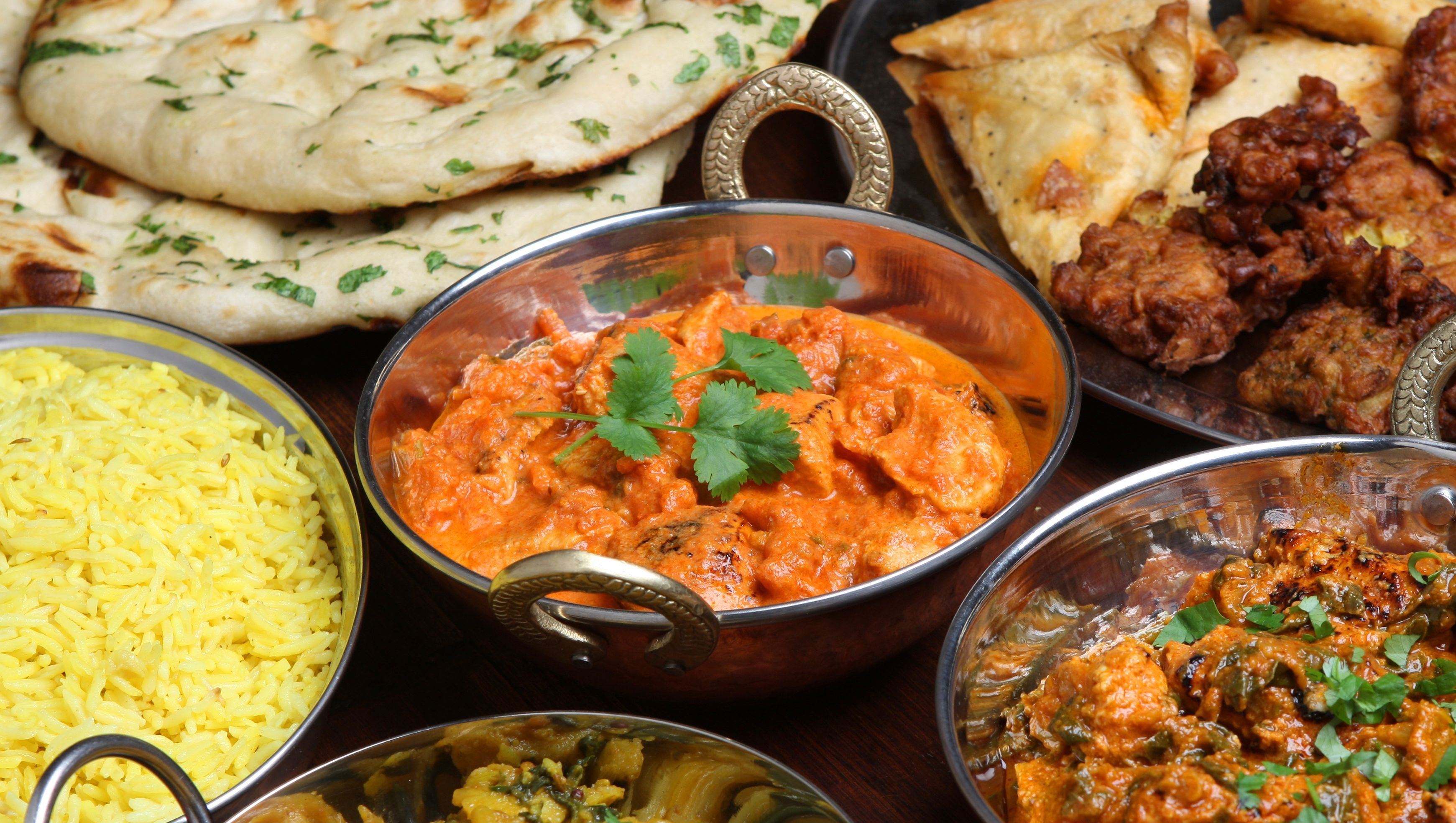
Indian vegetarian food is already halfway to a heart-healthy victory parade. It has lentils, beans, vegetables, yogurt, spices, whole grains, herbs, and enough flavor to make “low-sodium diet” sound less like a punishment and more like dinner with better manners. The trick is not whether Indian vegetarian foods can support healthy blood pressure. Many can. The real trick is choosing the right versions: more dal, chana, spinach, millet, oats, curd, nuts, seeds, and vegetables; less salt, deep-fried snacks, heavy cream, butter, ghee, packaged masalas, and pickle that tastes like it personally negotiated with a salt mine.
High blood pressure, also called hypertension, is strongly affected by eating patterns. A heart-smart diet usually emphasizes potassium, magnesium, calcium, fiber, plant protein, and antioxidants while reducing sodium, saturated fat, and added sugar. That sounds scientific because it is. But on a plate, it can look beautifully simple: moong dal khichdi, palak chana, vegetable sambar, ragi dosa, cucumber raita, brown rice, roasted makhana, and a bowl of fruit. In other words, your kitchen does not need to become a hospital cafeteria. It just needs a few smarter swaps.
This guide explores Indian vegetarian foods that may help lower blood pressure naturally as part of a balanced lifestyle. Food is not a replacement for prescribed medication, and anyone with kidney disease, heart disease, or potassium restrictions should talk with a healthcare professional before making major dietary changes. For most people, though, a plant-forward Indian plate can be a delicious ally for healthier numbers.
Why Indian Vegetarian Foods Can Support Healthy Blood Pressure
The strongest evidence for blood-pressure-friendly eating comes from dietary patterns such as DASH, which stands for Dietary Approaches to Stop Hypertension. DASH focuses on vegetables, fruits, whole grains, beans, nuts, seeds, and low-fat dairy while limiting sodium and saturated fat. Many traditional Indian vegetarian meals can be adapted to fit this pattern. A bowl of dal, a serving of sabzi, a whole-grain roti, plain curd, and fruit can be surprisingly close to the formula.
The Big Four Nutrients: Potassium, Magnesium, Calcium, and Fiber
Potassium helps balance sodium and supports healthy blood vessel function. Magnesium helps muscles and blood vessels relax. Calcium plays a role in vascular contraction and relaxation. Fiber supports heart health, cholesterol control, weight management, and steadier blood sugar. Indian vegetarian foods can provide all four when meals are built around pulses, leafy greens, vegetables, whole grains, nuts, seeds, and low-fat dairy.
However, there is one villain that often sneaks into even healthy Indian meals: excess sodium. Salt, packaged spice mixes, papad, namkeen, instant noodles, pickles, chutneys, restaurant gravies, and frozen snacks can quickly turn a good meal into a sodium festival. The goal is not bland food. Indian cooking has cumin, coriander, turmeric, ginger, garlic, curry leaves, mustard seeds, lemon, mint, cilantro, tamarind, cinnamon, cloves, and chilies. Your spice box is basically a flavor orchestra. Let it perform.
Best Indian Vegetarian Foods That Can Lower Blood Pressure
1. Moong Dal: Light, Comforting, and Blood-Pressure Friendly
Moong dal is easy to digest, rich in plant protein, and naturally low in saturated fat. It offers fiber, potassium, and magnesium, making it a smart choice for people trying to manage blood pressure. A simple moong dal tadka with minimal oil and salt can be far better than rich, cream-heavy restaurant dals.
Try yellow moong dal with turmeric, cumin, ginger, garlic, tomatoes, and cilantro. Use lemon juice at the end to brighten the flavor so you need less salt. For a complete meal, pair it with brown rice, millet, or whole-wheat roti and a side of cooked vegetables.
2. Masoor Dal: The Weeknight Hero
Masoor dal cooks quickly, which is wonderful news for anyone who has ever stared into the pantry at 7 p.m. and wondered whether cereal counts as dinner. Red lentils provide fiber and plant-based protein, both useful for heart health. They also make a creamy dal without needing cream.
Make masoor dal with tomatoes, spinach, turmeric, cumin, and a small amount of oil. Skip heavy butter toppings and keep salt modest. If you enjoy heat, green chilies and black pepper can add punch without sodium.
3. Chana and Chickpeas: Fiber-Packed and Filling
Chickpeas are one of the best Indian vegetarian foods for blood pressure because they combine fiber, protein, potassium, magnesium, and steady energy. Chana masala can be a heart-friendly dish when prepared with less oil and salt. The problem is not the chickpea. The problem is when the chickpea goes swimming in too much oil or gets paired with deep-fried bhatura the size of a pillowcase.
Choose boiled or pressure-cooked chickpeas with onion, tomato, ginger, garlic, cumin, coriander, amchur, and garam masala. Serve with brown rice, quinoa, millet, or whole-wheat roti. For a lighter version, make chana salad with cucumber, tomato, onion, cilantro, lemon, roasted cumin, and a small pinch of salt.
4. Rajma: Kidney Beans with a Heart-Smart Twist
Rajma is rich in fiber and potassium, and it can be very satisfying. A bowl of rajma with brown rice is classic comfort food. To make it better for blood pressure, soak dry beans well, cook them until soft, and use a tomato-based gravy instead of a heavy, buttery one. Keep portions sensible and go easy on salt.
If canned beans are used, choose no-salt-added versions when possible or rinse them thoroughly under water. Rinsing helps reduce sodium. Add flavor with bay leaf, cinnamon, cumin, ginger, garlic, and fresh cilantro instead of relying on extra salt.
5. Palak, Methi, and Other Leafy Greens
Leafy greens such as spinach, fenugreek leaves, amaranth, mustard greens, and kale are excellent choices for a blood-pressure-friendly Indian vegetarian diet. They provide potassium, magnesium, nitrates, antioxidants, and fiber. They also shrink dramatically while cooking, which means one giant bunch of spinach becomes three polite spoonfuls. Nature has jokes.
Try palak dal, methi thepla made with whole-wheat flour and minimal oil, sarson saag with less butter, or spinach chana. Avoid turning leafy greens into high-fat dishes with lots of cream, paneer, butter, or ghee. A little flavor is fine; a dairy avalanche is not necessary.
6. Vegetable Sambar: South Indian Comfort with Serious Nutrition
Sambar is one of the best examples of a balanced Indian vegetarian dish. It combines lentils, vegetables, tamarind, spices, and sometimes curry leaves and mustard seeds. When made with less salt, it offers fiber, protein, potassium, and antioxidants in one bowl.
Add vegetables such as drumstick, pumpkin, carrots, eggplant, okra, tomatoes, bottle gourd, spinach, and onions. Pair sambar with idli, dosa, brown rice, or millet. Watch the sodium in commercial sambar powder and use homemade spice blends when possible.
7. Ragi, Jowar, Bajra, and Other Millets
Millets are traditional Indian grains that deserve a comeback tour. Ragi, jowar, bajra, foxtail millet, and little millet provide fiber, minerals, and slower-digesting carbohydrates compared with many refined grains. Ragi is also known for its calcium content, while bajra and jowar can help make meals more filling.
Use millets in dosa, idli, roti, upma, pongal, khichdi, or porridge. Replace some white rice or refined flour with millets gradually, because your digestive system appreciates a polite introduction, not a surprise fiber parade.
8. Oats Upma and Masala Oats
Oats may not be ancient Indian food, but Indian kitchens have successfully adopted them and given them spices, vegetables, and personality. Oats contain soluble fiber, which supports heart health. Masala oats made at home with vegetables can be much healthier than packaged flavored oats, which may contain extra sodium.
Cook rolled oats with mustard seeds, curry leaves, onions, carrots, peas, beans, tomatoes, turmeric, and lemon. Add roasted peanuts or flaxseed for texture. Keep the salt light and let ginger, chilies, and lemon do the heavy lifting.
9. Low-Fat Curd and Raita
Low-fat plain curd can provide calcium and protein, both useful in a balanced blood-pressure diet. Cucumber raita, mint raita, or carrot raita can cool spicy meals while adding hydration and nutrients. The key is choosing plain curd rather than sweetened yogurt and avoiding too much salt or boondi.
A good raita can make a meal feel complete without adding heavy sauces. Try curd with grated cucumber, roasted cumin, chopped mint, black pepper, and a tiny pinch of salt. It is refreshing, simple, and far more helpful than a salty packaged dip pretending to be your friend.
10. Nuts and Seeds: Small Foods, Big Benefits
Almonds, walnuts, pistachios, peanuts, chia seeds, flaxseed, sesame seeds, and pumpkin seeds can support heart health because they provide healthy fats, magnesium, fiber, and plant compounds. Portion size matters. A handful is helpful. A cereal bowl of nuts is not a snack; it is a financial decision.
Add ground flaxseed to atta, sprinkle chia seeds into curd, use sesame in chutney, or add roasted peanuts to poha. Choose unsalted nuts and seeds. Salted versions can quickly cancel out some of the benefit.
11. Fruits Common in Indian Diets
Bananas, oranges, guava, papaya, pomegranate, apples, pears, berries, and melon can fit well into a blood-pressure-friendly diet. Fruits provide potassium, fiber, vitamin C, and antioxidants. Whole fruit is better than juice because it keeps the fiber and is more filling.
Guava with a little chili powder and no added salt, papaya with lime, or pomegranate over curd can be excellent snacks. People with diabetes should manage portions and pair fruit with protein or fiber-rich foods when needed.
Indian Vegetarian Foods to Limit for Better Blood Pressure
Some vegetarian Indian foods sound innocent because they are meat-free, but blood pressure does not care about vegetarian branding if the meal is salty, oily, or highly processed. Limit namkeen, sev, chips, papad, pickles, salted chutneys, instant soups, frozen parathas, deep-fried samosas, pakoras, bhujia, and restaurant paneer gravies. These foods can be high in sodium, saturated fat, or refined carbs.
Also watch portion sizes of ghee, butter, coconut oil, cream, full-fat paneer, and sweets. You do not have to ban them forever. Food should not feel like a courtroom drama. But make them occasional extras, not everyday staples.
How to Build a Blood-Pressure-Friendly Indian Plate
A practical Indian plate can follow a simple formula. Fill half the plate with vegetables or salad, one quarter with protein such as dal, chana, rajma, tofu, or low-fat curd, and one quarter with whole grains such as brown rice, roti, millet, or oats. Add fruit as a snack or dessert. Use spices, herbs, lemon, vinegar, tamarind, ginger, and garlic to reduce dependence on salt.
Sample One-Day Indian Vegetarian Meal Plan
Breakfast: Vegetable oats upma with low-fat curd and a small bowl of papaya.
Mid-morning snack: Unsalted roasted chana or a banana.
Lunch: Brown rice, vegetable sambar, cucumber raita, and cabbage carrot salad.
Evening snack: Masala chaas without extra salt, plus a small handful of unsalted nuts.
Dinner: Palak chana with whole-wheat roti and sautéed vegetables.
This kind of meal plan is filling, flavorful, and realistic. It does not require imported superfoods with names that sound like Wi-Fi passwords. It uses everyday Indian ingredients with smarter cooking methods.
Cooking Tips to Reduce Sodium Without Losing Flavor
Reducing salt is easier when flavor comes from multiple directions. Toast whole spices before grinding. Use fresh ginger, garlic, onion, curry leaves, cilantro, mint, green chilies, lemon juice, tamarind, tomato, and roasted cumin. Add salt near the end of cooking so a smaller amount tastes more noticeable. Taste before salting. Many people salt by habit, not by need.
When using packaged masalas, read labels. Some blends contain added salt. Choose salt-free spice mixes when possible. Rinse canned beans, limit pickles, and replace salty snacks with roasted makhana, fruit, unsalted nuts, sprouts chaat, or homemade dhokla with less salt.
of Real-Life Experience: Making Indian Vegetarian Food Work for Blood Pressure
The most successful blood-pressure-friendly Indian vegetarian routine is not the strictest one. It is the one people can repeat on a busy Tuesday when the pressure cooker is hissing, the phone is ringing, and someone in the house is asking, “What is for dinner?” as if dinner appears through spiritual Wi-Fi. In real life, consistency beats perfection.
One useful experience is to start with dal. Dal is familiar, affordable, and flexible. A person trying to lower blood pressure does not need to suddenly eat steamed broccoli and sadness every night. Instead, they can make moong dal, masoor dal, or toor dal with more vegetables and less salt. Adding spinach, bottle gourd, tomato, carrots, pumpkin, or beans increases volume and nutrients. The bowl becomes more filling without needing extra rice or fried sides. After a few weeks, taste buds often adjust, and the old amount of salt begins to taste too strong.
Another practical lesson is that snacks matter. Many people eat healthy meals but snack on salty items: sev, mixture, chips, papad, and packaged namkeen. These little bites are sneaky. They do not arrive with flashing warning lights, but they can add a lot of sodium. Replacing them with roasted chana, unsalted peanuts, fruit, sprouts chaat, makhana roasted with spices, or plain curd with cucumber can make a real difference. The snack still feels Indian, crunchy, and satisfying, but it stops behaving like a tiny salt delivery vehicle.
Breakfast is another powerful place to improve. Instead of refined-flour parathas with pickle, try vegetable dal chilla, oats upma, idli with sambar, ragi dosa, or poha with peas and peanuts. These meals give fiber and protein early in the day. They also reduce the temptation to grab processed snacks later. A protein-rich breakfast is like hiring a polite security guard for your appetite.
Eating out requires strategy. Restaurant Indian food can be delicious but often uses more salt, oil, butter, and cream than home cooking. When ordering, choose tandoori or grilled vegetarian options, dal without cream, chana, sambar, roti, plain rice, and vegetable dishes that are not described as “buttery,” “creamy,” or “royal.” Royal food is wonderful for a palace visit, less wonderful for everyday blood pressure. Ask for sauces on the side when possible and balance the meal with salad or curd at home.
The biggest experience-based insight is emotional: do not treat heart-healthy eating as punishment. Indian vegetarian food has color, aroma, spice, texture, and comfort. A blood-pressure-friendly version should still feel joyful. The goal is not to remove the soul from the food. It is to remove the excess salt, oil, and heaviness that hide the soul in the first place. With small changes, the same kitchen can produce meals that taste good, feel satisfying, and support healthier blood pressure over time.
Conclusion
Indian vegetarian foods can be excellent for lowering blood pressure when they are built around lentils, beans, leafy greens, vegetables, whole grains, fruits, low-fat dairy, nuts, seeds, and bold spices instead of excess salt and saturated fat. The best choices include moong dal, masoor dal, chana, rajma, palak, methi, vegetable sambar, millets, oats upma, low-fat curd, and unsalted nuts. The smartest approach is not a crash diet. It is a flavorful, practical eating pattern that respects tradition while making it more heart-friendly.
Think of your plate as a daily vote for your arteries. More dal, sabzi, fruit, whole grains, and curd? Good vote. More namkeen, pickle, deep-fried snacks, and salty packaged foods? Your blood pressure may request a meeting with management. Start small, cook more at home, reduce salt gradually, and let spices do what they were born to do: make healthy food taste like something worth coming back to.