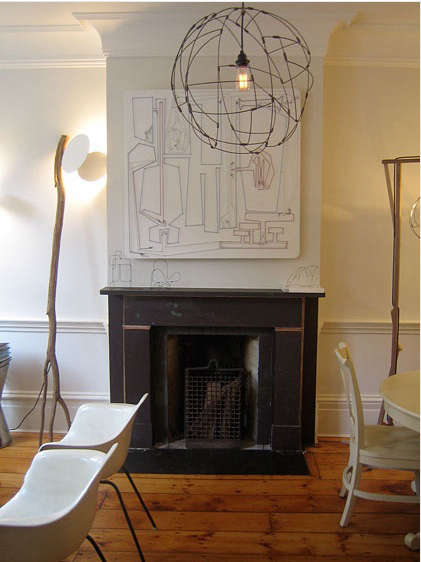
Some decor trends arrive wearing velvet gloves and a $400 price tag. Others simply fall off a tree, land in your yard, and wait patiently for someone with tasteand maybe a pair of garden glovesto notice. That is the quiet genius of using trees and branches as decor. They are sculptural, organic, affordable, endlessly adaptable, and surprisingly sophisticated when styled with intention.
In American interiors, natural decorating has moved far beyond the “stick it in a vase and hope for the best” era. Designers, stylists, and homeowners now use decorative branches, small indoor trees, preserved stems, pinecones, dried leaves, faux greenery, and sculptural twigs to add height, movement, warmth, and texture to rooms that might otherwise feel flat. A branch can soften a modern space, bring drama to an empty corner, make a dining table feel seasonal, or give a mantel that “I hired a stylist” look without requiring anyone to actually hire a stylist.
The best part? Trees and branches do not demand that your home look like a log cabin unless that is your dreamand if it is, may your throw blankets be plentiful. Branch decor can be rustic, minimalist, coastal, traditional, contemporary, bohemian, cottage-style, or quietly luxurious. It depends on the branch, the vessel, the scale, and the surrounding accessories.
Why Trees and Branches Work So Well in Home Decor
Branches are naturally architectural. Unlike flowers, which often bring color and softness, branches bring line, shape, and structure. A tall spray of cherry blossom stems in a ceramic vase can pull the eye upward. Bare winter branches can make a room feel calm and poetic. Olive branches can add Mediterranean ease. Magnolia leaves can make a mantel feel rich and Southern. Pine and fir clippings can instantly say “holiday” without shouting it through a megaphone wearing glitter boots.
Decorative trees and branches also solve one of the most common styling problems: empty vertical space. Many rooms have furniture that sits lowsofas, consoles, sideboards, coffee tables, benches. Without taller elements, the room can feel unfinished. A floor vase filled with branches, a small potted tree, or a sculptural branch installation gives the eye something to climb. That vertical movement makes a space feel designed rather than merely furnished.
They Add Texture Without Visual Clutter
Texture is what keeps a room from feeling like a furniture showroom where nobody is allowed to laugh too loudly. Wood grain, bark, leaves, twigs, seed pods, pinecones, and mossy elements create natural variation. Even in a neutral room, a few branches can add enough contrast to make the space feel layered.
This is especially useful in minimalist interiors. A single oversized branch in a tall vase can do the work of several smaller accessories. It feels calm, intentional, and slightly artisticas if your living room reads design magazines but does not brag about it.
They Make Seasonal Decorating Easier
Branches are excellent seasonal accessories because they change mood depending on the time of year. Spring invites budding branches, dogwood, cherry blossom, pussy willow, and fresh green stems. Summer welcomes leafy branches, olive stems, citrus branches, and airy arrangements. Fall is the season of fiery leaves, berry branches, dried grasses, seed pods, and knotty twigs. Winter belongs to pine, cedar, fir, bare branches, birch logs, eucalyptus, and evergreen garlands.
Instead of buying a new set of decorations every season, you can rotate natural elements. Your storage closet will thank you. So will your wallet, which has probably been through enough after one innocent trip to the home decor aisle.
Best Types of Trees and Branches for Decorating
Not all branches are created equal. Some look elegant in a vase. Some shed like a nervous golden retriever. Some are dramatic enough to become the focal point of a room. The right choice depends on your style, space, and tolerance for sweeping.
1. Bare Branches
Bare branches are ideal for modern, rustic, Scandinavian, farmhouse, and winter-inspired interiors. Their beauty is in their shape. Look for interesting curves, smaller offshoots, and balanced asymmetry. A branch should look natural, not like it was bullied into geometry class.
Use bare branches in tall floor vases, oversized ceramic vessels, glass cylinders, or even as wall-mounted art. They work beautifully in entryways, dining rooms, living rooms, and bedrooms. For a dramatic look, place a few long branches in a vase beside a fireplace or console table.
2. Flowering Branches
Flowering branches are spring’s way of saying, “Yes, your house can have main-character energy.” Cherry blossom, quince, forsythia, dogwood, magnolia, and apple blossom branches bring delicate color and movement into a room. They are especially beautiful in tall clear glass vases or simple white ceramic containers.
Because flowering branches are naturally expressive, keep the arrangement loose. Do not overpack the vase. Give each stem room to stretch. The charm is in the airy, imperfect shape.
3. Evergreen Branches
Pine, cedar, fir, spruce, and juniper branches are winter classics. They bring fragrance, color, and a sense of tradition. Use them in vases, garlands, wreaths, mantel arrangements, stair rails, entry baskets, and holiday centerpieces. Add pinecones, dried orange slices, ribbon, or small ornaments if you want a festive look.
For a more grown-up winter style, skip the heavy decorations and let the greenery do the work. A stoneware vase with cedar branches and a few white berries can look elegant long after the holiday decorations have returned to their mysterious attic kingdom.
4. Eucalyptus Branches
Eucalyptus is popular because it is graceful, fragrant, and easy to style. It works in bathrooms, bedrooms, kitchens, and living rooms. Fresh eucalyptus can be placed in a vase, tied into a shower bundle, or mixed with other greenery. Faux eucalyptus branches are also widely used because they hold their shape and require exactly zero emotional labor.
For a clean look, pair eucalyptus with matte ceramics, clear glass, or woven baskets. It is especially good for modern farmhouse, spa-inspired, coastal, and casual contemporary interiors.
5. Birch Logs and Branches
Birch is beloved for its pale bark and graphic texture. Birch logs can be stacked beside a fireplace, arranged in a basket, or used as part of a winter display. Tall birch branches can fill a corner or frame an entryway. Their light color works well with white walls, natural linen, black accents, and cozy wool textures.
Use birch when you want woodsy charm without making your living room look like it is auditioning for a camping documentary.
6. Olive, Magnolia, and Leafy Branches
Leafy branches are perfect when you want greenery without the fuss of a full bouquet. Olive branches feel relaxed and Mediterranean. Magnolia branches feel polished and classic, especially because the leaves often have glossy green tops and warm brown undersides. Large leafy stems can make a kitchen island, sideboard, or dining table look instantly styled.
For best results, choose a vessel with enough weight to support the stems. Branches are dramatic, but they should not be allowed to stage a vase rebellion and tip over during dinner.
Where to Use Trees and Branches as Decor
The beauty of branch decor is its flexibility. It can be subtle or bold, temporary or permanent, fresh or faux, seasonal or year-round. The trick is matching the scale of the arrangement to the location.
Entryway
An entryway is one of the best places for tall branches. It creates an immediate sense of welcome and gives the space a styled focal point. Place a large vase on a console table or use a floor vessel if the entry has enough room. Bare branches, flowering stems, or leafy greenery can all work depending on the season.
Add a small tray for keys, a mirror, and perhaps a candle or ceramic bowl. Keep the surface edited. The goal is “warm welcome,” not “a forest had a yard sale here.”
Living Room
In the living room, branches can add height to a mantel, fill an empty corner, or balance a large piece of furniture. A few tall stems in a floor vase can soften the edge of a media cabinet or bring life to a quiet reading nook. If your living room has a high ceiling, go taller than you think. Small accessories can look lost in large spaces, but branches know how to make an entrance.
For coffee tables, be careful with height. A low bowl with pinecones, moss, or small twigs is usually more practical than a tall vase that blocks conversation. Nobody wants to discuss weekend plans through a decorative shrub.
Dining Table
Branches make excellent dining table centerpieces when styled with proportion in mind. For everyday use, choose a low arrangement or a narrow vessel that does not interfere with sightlines. For special occasions, taller branches can be beautiful if the arrangement is placed at the end of a buffet table, sideboard, or entry table rather than directly between guests.
Fall branches with colorful leaves, winter evergreens, and spring blossoms can all create memorable tablescapes. Pair them with linen napkins, simple candles, ceramic plates, and natural textures for a look that feels thoughtful but not overworked.
Mantel
A mantel is basically a stage for accessories, and branches are excellent performers. Use garlands, leafy stems, small logs, pinecones, or sculptural twigs to create movement across the mantel. In fall, layer branches with pumpkins, brass candlesticks, or amber glass. In winter, use evergreen clippings, birch accents, and warm candlelight. In spring, try budding branches in small vases.
The secret is layering. Start with the tallest or longest natural element, then add smaller pieces in front. Vary the heights so the arrangement feels collected rather than lined up like students waiting for a school photo.
Bedroom
Branches in a bedroom should feel calm, not chaotic. Choose soft greenery, simple bare stems, or a small indoor tree such as a ficus, olive tree, or rubber plant. A vase of branches on a dresser can add a quiet organic note. Avoid overly fragrant greenery if strong scents disturb your sleep.
For a serene look, pair natural branches with linen bedding, warm wood, soft lighting, and neutral colors. The result feels restful, grounded, and far more elegant than the laundry chair currently holding seven “not dirty, not clean” outfits.
Bathroom
Bathrooms often need texture because they are full of hard surfaces: tile, glass, stone, metal, mirror. A small vase of eucalyptus, a branch arrangement on a vanity, or a tiny potted tree near a window can soften the room. Eucalyptus shower bundles are popular for their spa-like look and fresh scent.
Keep bathroom arrangements simple. Humidity can affect natural materials, so avoid delicate dried pieces that may become messy. Faux stems are a smart option in bathrooms with limited ventilation or low light.
Fresh, Dried, Preserved, or Faux: Which Should You Choose?
Each option has advantages. Fresh branches feel alive and seasonal. Dried branches last longer and bring texture. Preserved branches maintain a natural look with less maintenance. Faux branches are convenient, reusable, and often surprisingly realistic when chosen well.
Fresh Branches
Fresh branches are ideal when you want fragrance, color, or seasonal change. Place woody stems in clean water and trim the ends before arranging. Change the water regularly, remove leaves below the waterline, and keep the vase away from direct heat. Fresh branches can last longer than many cut flowers, especially if they are hardy varieties.
Dried Branches
Dried branches are best for sculptural displays, fall decor, and rustic arrangements. They require no water and can last for months. The downside is dust and brittleness. Use a soft cloth, feather duster, or gentle air blower to keep them clean.
Preserved Branches
Preserved greenery is treated to maintain color and flexibility. It is a good middle ground if you want a natural look without weekly maintenance. Preserved eucalyptus, moss, and leaves are popular in wreaths, arrangements, and wall decor.
Faux Branches
Faux branches are no longer the plastic-looking decor of decades past. Many modern faux stems have realistic leaf placement, bendable wires, textured bark, and natural color variation. They are especially useful in low-light rooms, vacation homes, rental apartments, and households where fresh greenery becomes a snack for curious pets.
When buying faux branches, avoid stems that are too shiny, too symmetrical, or too bright. Nature rarely does neon unless it is warning you not to touch something. Choose muted colors, irregular shapes, and realistic textures.
How to Style Branches Like a Designer
Styling branches is not complicated, but it does reward restraint. The most common mistake is using too many stems. Branches need air around them. They are more like sculpture than filler.
Choose the Right Vase
The vase matters almost as much as the branch. Tall branches need a heavy vessel with a stable base. Ceramic, stoneware, metal, and thick glass are excellent choices. A clear glass vase works well with fresh flowering branches, especially when the stems are clean and attractive. For rustic branches, try a weathered clay pot, woven basket, or matte black vase.
Scale is essential. A tiny vase with giant branches looks nervous. A huge vase with two timid twigs looks like it forgot why it came into the room. Aim for balance.
Use Odd Numbers
Arrangements often look more natural with odd numbers: three stems, five stems, seven stems. This is not a law, and the decor police will not arrive if you use four. But odd numbers tend to create a more relaxed shape.
Let the Shape Be Imperfect
Branches should not look overly controlled. Tilt some stems outward. Let one side be slightly taller. Allow curves and bends to show. Natural asymmetry is what makes branch decor feel alive.
Pair Branches With Other Natural Accessories
Branches work beautifully with stones, shells, pinecones, dried fruit, linen, woven trays, terracotta, candles, books, and handmade ceramics. These materials reinforce the organic mood without making the display feel theme-park outdoorsy.
For example, a console table might include a tall vase of olive branches, a stack of neutral books, a shallow stone bowl, and a linen-shaded lamp. A winter mantel might combine cedar branches, birch logs, brass candlesticks, and a simple mirror. A fall dining table might feature berry branches, small gourds, and warm-toned napkins.
DIY Ideas With Trees and Branches
If you enjoy hands-on decorating, branches are wonderfully forgiving. They can become centerpieces, garlands, wall art, hanging installations, wreaths, or seasonal displays. Just make sure any branches brought indoors are clean, dry, and free of pests.
Branch Centerpiece
Place a sculptural branch down the center of a table and weave in candles, small votives, leaves, or seasonal accents. For holidays, add tiny ornaments or ribbon. For everyday decor, keep it simple with linen and candlelight.
Hanging Branch Display
A horizontal branch can be suspended above a dining table, window, or entry bench and decorated with small hanging elements. In winter, use paper stars or lightweight ornaments. In spring, tie on small bundles of dried flowers. In summer, leave it plain for a minimalist look.
Always secure hanging decor carefully and keep it lightweight. Beautiful design should not become an unexpected ceiling-based adventure.
Natural Wall Art
Branches can be mounted inside a shadow box, arranged as a sculptural wall piece, or combined with dried leaves and pressed botanicals. This works especially well in cabins, coastal homes, creative studios, and rooms with earthy color palettes.
Seasonal Wreath
Use a grapevine base or flexible twigs to create a wreath. Add eucalyptus, pine, dried flowers, berries, ribbon, or small pinecones depending on the season. A simple twig wreath can work from late winter into spring without looking stuck in a holiday time warp.
Decorating Mistakes to Avoid
Branches are beautiful, but they can go wrong when scale, placement, or maintenance is ignored. The goal is organic elegance, not “haunted yard cleanup.”
Using Branches That Are Too Tall for the Space
Tall branches need room. If they scrape the ceiling, crowd a light fixture, or block a mirror, trim them or choose a shorter arrangement. The branch should enhance the room, not challenge it to a duel.
Blocking Conversation Areas
Large arrangements on coffee tables or dining tables can interfere with how people use the room. Keep tall pieces on consoles, mantels, kitchen islands, or sideboards. Use lower natural elements where people need clear sightlines.
Forgetting About Maintenance
Fresh greenery needs water. Dried branches collect dust. Faux branches need occasional cleaning. Natural decor is low-maintenance, not no-maintenance. A dusty branch arrangement can quickly move from “earthy” to “abandoned antique shop.”
Overdoing the Theme
A few branches can feel elegant. Branches on every surface, twig-patterned pillows, tree-stump tables, bark lamps, forest wallpaper, and a squirrel figurine army may be a bit much. Let natural accessories breathe. Contrast them with modern lines, soft textiles, and clean surfaces.
How Trees and Branches Fit Different Interior Styles
One reason branch decor remains popular is that it adapts easily to different design styles. It can look rugged, refined, romantic, or modern depending on how it is used.
Modern Interiors
Choose one dramatic branch arrangement in a simple vase. Keep the color palette limited. Bare branches, black vessels, white ceramics, and olive stems work well. The arrangement should feel sculptural and intentional.
Farmhouse and Cottage Style
Use eucalyptus, flowering branches, pinecones, baskets, galvanized containers, and weathered wood. Keep the look relaxed and layered. Add branches to pitchers, crocks, or vintage-inspired vessels.
Traditional Interiors
Magnolia, boxwood, evergreen branches, and symmetrical arrangements suit traditional rooms. Pair them with brass, silver, crystal, framed art, and classic table linens.
Bohemian Spaces
Try dried branches, pampas grass, seed pods, driftwood, macramé, woven baskets, and handmade pottery. The look should feel collected and creative, but not chaotic.
Coastal Homes
Use driftwood, pale branches, olive stems, glass vessels, shells, linen, and light woods. Keep the palette breezy: white, sand, soft gray, blue, and natural brown.
Real-Life Experience: What Branch Decor Teaches You After Living With It
After using trees and branches as decor in different rooms, one lesson becomes very clear: nature has better taste than most clearance aisles. A single branch can change the entire mood of a room. It adds height where the space feels low, texture where the room feels too polished, and personality where everything looks a little too perfect.
The easiest place to begin is the entryway. A tall vase with three or five branches can make the whole home feel more welcoming. Guests notice it immediately, even if they do not know exactly why the space feels pulled together. It creates a pause at the door, like the house is saying, “Yes, someone here owns coasters and has opinions about lighting.”
Living with branch decor also teaches restraint. At first, it is tempting to add more. More branches, more pinecones, more berries, more tiny decorative things that seem charming in the store and confusing at home. But the best arrangements usually have breathing room. One oversized branch in a quiet corner often looks better than a crowded vase full of competing stems. Negative space is not empty; it is part of the design.
Another practical discovery is that vessels matter. A beautiful branch in the wrong vase can look awkward. Tall stems need weight at the bottom. Wide branches need a vessel with a narrow enough neck to hold them in place. Clear glass looks lovely with clean fresh stems, but it can expose messy twig bottoms if the arrangement is not edited. Ceramic and stoneware hide a multitude of sins, which is one reason they deserve more applause.
Seasonal branches also make decorating feel less wasteful. Instead of buying bins of themed accessories, you can refresh the room with what the season already offers. Spring branches bring hope after months of gray weather. Summer greenery feels casual and fresh. Fall leaves and berry branches create warmth. Winter evergreens make the house smell festive without needing decorations that sing when someone walks by.
There is also a small emotional benefit. Natural decor slows a room down. It reminds you that a home does not have to be filled only with purchased objects. Some of the best accessories are gathered, noticed, trimmed, arranged, and enjoyed. That process gives a room a more personal feeling. It says someone paid attention.
Of course, branch decor has its funny side. Fresh stems may drop leaves exactly five minutes after you vacuum. Dried branches may collect dust with impressive dedication. Faux stems may look realistic until one plastic leaf shines under a lamp like it has entered witness protection. And if you bring in a branch from outside without checking it carefully, you may briefly become roommates with tiny creatures who were not on the lease.
Still, the benefits outweigh the quirks. Trees and branches are among the most versatile accessories in home decor. They can be free, affordable, dramatic, subtle, rustic, modern, seasonal, or timeless. They work in small apartments and large homes. They can stand alone or support a bigger design story. Most importantly, they make a room feel connected to the outside world, which is something even the most beautiful sofa cannot do by itself.
Conclusion
Accessories made from trees and branches prove that great decor does not always need to be expensive, complicated, or delivered in a box large enough to alarm your neighbors. Branches bring height, texture, movement, and natural beauty into the home. They can be styled in vases, arranged on mantels, woven into wreaths, used as centerpieces, or displayed as sculptural art.
Whether you prefer fresh flowering stems, evergreen clippings, bare winter branches, preserved greenery, or realistic faux options, the key is intention. Choose the right scale, keep arrangements edited, match the branch to the mood of the room, and let the natural shape do most of the work. When styled well, trees and branches do not look like an afterthought. They look like design confidence with bark.
Note: This article is written as original, web-ready content based on current U.S. home decor practices, interior styling principles, and real design guidance from reputable home and lifestyle publications.