There are ordinary dog photos, and then there are dog photos that look like they were born wearing a tiny crown and waiting for the internet to discover them. “Hey Pandas, Photoshop My Dog” belongs firmly in the second category. It is part pet tribute, part creative challenge, part digital comedy club, and part proof that the internet can still use its powers for goodspecifically, turning a dachshund into a medieval knight, a golden retriever into a space commander, or a nervous-looking pug into the CEO of a suspiciously successful snack company.
At its heart, this idea is simple: someone posts a dog photo and invites creative strangers to transform it. The results can be sweet, weird, cinematic, chaotic, or so ridiculous that you briefly question whether your morning coffee has been replaced with liquid confetti. But beneath the fun is a surprisingly rich mix of photography, editing technique, meme culture, online community behavior, and pet-owner emotion. Dogs are not just “content.” For many Americans, pets are family, which explains why a funny Photoshop request can feel oddly personal, joyful, and shareable.
This article explores why “Hey Pandas, Photoshop My Dog” works so well, what makes a dog photo perfect for editing, how modern tools like Photoshop and AI-assisted editing have changed the game, and how to keep the process ethical, funny, and respectful of the four-legged star of the show.
Why Dog Photoshop Requests Are Internet Gold
The internet loves two things with unusual intensity: dogs and absurd image edits. Put them together and you get a creative playground where nobody has to agree on a single joke. One person may turn a bulldog into a Renaissance oil painting. Another may place the same bulldog behind the wheel of a monster truck. A third may give it sunglasses, a briefcase, and the exhausted energy of an accountant during tax season. All three edits can be correct.
Dog Photoshop requests thrive because dogs already have built-in comedic range. Their faces are expressive, their body language is dramatic, and their timing is often accidentally perfect. A dog caught mid-jump can look like a superhero launching into battle. A dog with one ear flipped inside out can resemble a confused wizard. A dog staring at a sandwich can communicate more longing than most Oscar-winning monologues.
Online communities such as Photoshop battle forums, pet humor pages, and social sharing platforms have trained users to see strange photos as invitations. A picture is no longer just a picture; it is a setup. The fun comes from imagining what else the dog could be doing, where else it could be, and what story the image is secretly trying to tell.
The “Hey Pandas” Spirit: Friendly, Funny, and Collaborative
The phrase “Hey Pandas” carries a casual, community-driven tone. It sounds less like a formal design brief and more like someone leaning into a room full of creative friends and saying, “I brought snacks, chaos, and a dog photo. Who’s in?” That relaxed invitation is important. It lowers the pressure and opens the door to playful participation.
Unlike polished advertising campaigns, these posts succeed because they feel human. The original image is usually imperfect: the lighting may be odd, the background may include laundry, and the dog may be blinking in a way that suggests it has just learned about property taxes. That imperfection is exactly what makes the photo useful. A flawless studio portrait may be beautiful, but a strange candid image gives editors something to react to.
The best community edits often exaggerate what is already there. If the dog looks heroic, editors make it a warrior. If the dog looks guilty, editors place it at a crime scene involving stolen cheese. If the dog looks majestic, it becomes royalty. If it looks like it has no idea what is happening, it becomes the star of an action movie poster, which is fair, because most action heroes also look confused for at least half the film.
What Makes a Dog Photo Perfect for Photoshop?
Not every dog picture is equally edit-friendly. The most successful images usually share a few qualities: a clear subject, an expressive pose, enough background space to manipulate, and a little visual weirdness. The magic often begins before Photoshop opens.
1. A Strong Expression
A great dog Photoshop image starts with personality. A raised eyebrow, a dramatic side-eye, a huge grin, a confused stare, or a proud chest-forward pose gives editors emotional material. The more readable the expression, the easier it is to build a joke around it.
2. A Clean View of the Dog
Editors need to separate the dog from the background. A full-body shot, clear edges, and good contrast help a lot. If the dog is the same color as the couch, carpet, and shadows, the editor may spend half the time trying to locate the dog’s left leg, which is not comedyit is archaeology.
3. Interesting Body Language
Dogs create comedy with posture. A mid-air leap says adventure. A sprawled nap says luxury. A head tilt says “I understand none of this, but I support you emotionally.” These poses naturally suggest scenes, costumes, props, and captions.
4. Room for Imagination
Negative space matters. If there is empty room around the dog, an editor can add planets, castles, laser beams, cheering crowds, or a suspiciously dramatic sunset. A tightly cropped face can still work, but a little breathing room gives the image more creative possibilities.
From Simple Edits to Full Cinematic Absurdity
Dog Photoshop edits usually fall into several fun categories. Some are clean and simple: removing background clutter, sharpening the dog’s eyes, adding a cute caption, or changing the setting. Others go full theatrical production, complete with lighting effects, costumes, fake posters, fantasy landscapes, or pop culture references.
The easiest edit is a background swap. A dog sitting on a kitchen floor can suddenly be sitting on the moon, at a royal banquet, or in a tiny courtroom defending itself against allegations of sock theft. The next level is compositing: blending the dog into a scene so the lighting, shadows, and scale feel believable. This is where good editing becomes more than a joke; it becomes visual storytelling.
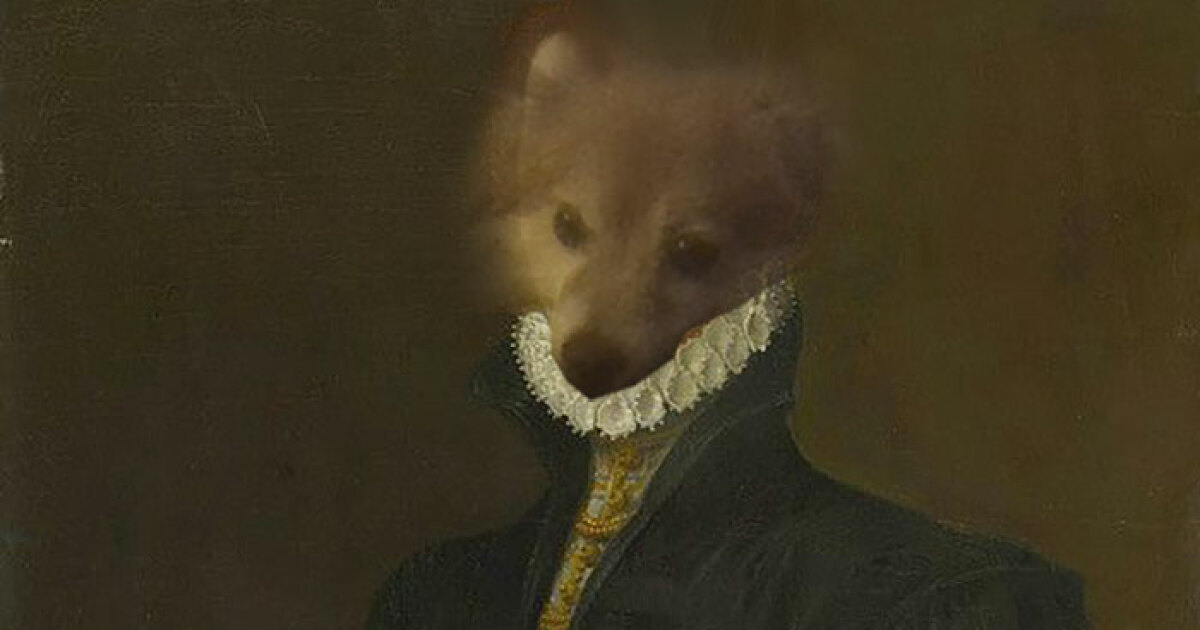
Then there are parody edits. A dog can be inserted into classic movie posters, famous paintings, album covers, sports moments, fake magazine covers, or dramatic news graphics. These work because viewers recognize the format instantly. The humor comes from the mismatch between the serious template and the gloriously unserious dog.
How Photoshop and AI Tools Changed the Game
Modern editing tools have made playful dog transformations easier than ever. Photoshop can remove backgrounds, isolate subjects, expand image edges, adjust lighting, and generate new visual elements. AI-assisted features can help fill missing areas, add objects, or create alternate backgrounds with text prompts. What once required advanced masking skills and hours of patient clicking can now begin with a few selections and a good idea.
That does not mean creativity has become automatic. Tools can generate a castle, but they cannot decide whether your corgi should be the castle’s king, court jester, or tax inspector. The funniest edits still depend on timing, taste, and a sharp understanding of the dog’s expression. A technically perfect image with no joke is just a polished screensaver. A slightly messy edit with a brilliant idea can win the room.
The best editors use AI and Photoshop as assistants, not replacements for imagination. They refine the mask around the fur, match the direction of light, add shadows under the paws, and keep the dog’s original charm intact. The goal is not to erase the real pet. The goal is to reveal the ridiculous alternate universe that was clearly living inside the photo all along.
Ethics: Keep It Funny, Honest, and Kind
Because photo editing is now so powerful, even goofy dog edits benefit from a little transparency. If an image has been heavily altered, it is smart to label it as edited, Photoshopped, AI-assisted, or fictional. That does not ruin the joke. In fact, it protects the fun by making sure nobody mistakes a fantasy scene for reality.
This matters more when edits are used for ads, fundraising, product promotion, or viral social campaigns. If a pet image is used to sell something, claims should be truthful and not misleading. If AI was used to create or change a commercial image, disclosure may be helpful or necessary depending on the context. For casual community posts, a simple caption like “edited for fun” or “AI-assisted Photoshop edit” is often enough to keep things clear.
There is also the matter of consent. Dogs cannot sign release forms, although many would probably stamp a paw print in exchange for peanut butter. Owners should use images they have the right to share. Editors should avoid turning someone’s beloved pet into something cruel, disturbing, or humiliating. The joke should punch up, sideways, or into outer spacenot down at the animal.
Don’t Forget the Dog Behind the Meme
Before a photo becomes a hilarious edit, it begins with a real dog. That means comfort comes first. A good photo session should be short, relaxed, and positive. Use treats, toys, familiar spaces, and natural encouragement. Avoid forcing costumes, stressful poses, loud props, harsh lighting, or outdoor conditions that could make the dog uncomfortable.
Watch for stress signals: excessive panting when it is not hot, lip licking, yawning in an unfamiliar situation, turning away, tucked tail, stiff posture, or attempts to leave. A funny picture is not worth making a dog miserable. The best pet photos happen when the dog is safe enough to be naturally weird.
In practical terms, photograph your dog in soft light, keep the camera at eye level, and take lots of shots quickly. Dogs do not care about your artistic vision. They care about smells, squirrels, snacks, and whether that plastic bag in the distance is secretly a monster. Work with their attention span, not against it.
Creative Ideas for “Photoshop My Dog” Posts
If you want people to edit your dog, give them a prompt that sparks imagination without boxing them in. Instead of saying, “Make this look better,” try something more playful: “Make my dog look like the final boss of a video game,” “Turn this face into a movie poster,” or “Give my dog the job it clearly thinks it has.” Specific prompts often produce stronger results because they give editors a direction.
Here are a few crowd-pleasing concepts:
- Movie poster dog: Turn the pet into the star of an action, romance, horror, or superhero film.
- Royal portrait dog: Add velvet robes, dramatic lighting, and the expression of someone who owns three castles and one squeaky duck.
- Workplace dog: Put the dog in a tiny office, courtroom, kitchen, spaceship control room, or detective agency.
- Sports legend dog: Add stadium lights, a jersey, and a crowd that has absolutely no idea what is happening.
- Fantasy quest dog: Give the dog armor, a magical forest, and a destiny involving biscuits.
- Album cover dog: Reimagine the photo as a dramatic band cover, complete with moody typography.
How to Make Your Dog Edit Look Better
A convincing dog Photoshop edit usually depends on three things: edges, shadows, and color. Fur is tricky, so careful masking matters. If the edges look too sharp, the dog may seem like a sticker slapped onto the background. Softening the mask slightly and preserving wispy fur can make the composite feel more natural.
Shadows are equally important. A dog floating half an inch above the floor may look less like a majestic space explorer and more like a haunted throw pillow. Add a shadow under the paws or body that matches the scene’s light source. Even a simple shadow can make an edit feel grounded.
Finally, match the color temperature. A warm indoor dog photo placed into a cool snowy mountain scene may need blue tones. A dog added to a sunset scene may need orange highlights. Small adjustments in contrast, brightness, and saturation help the dog belong in the new world.
Why These Posts Build Community
“Hey Pandas, Photoshop My Dog” is not just about the final images. It is about participation. People enjoy seeing what others create from the same starting point. One person notices the dog’s dramatic pose. Another notices the background shape. Someone else turns a tiny detail into the entire joke. The post becomes a collaborative sketchbook.
This is why Photoshop challenges can feel more generous than ordinary comment threads. Instead of simply reacting, users contribute. They spend time making something that gives the owner and viewers a laugh. In a noisy online world, that small act of creative effort matters.
And yes, some edits will be chaotic. Some will be technically questionable. Some will look like the dog has been pasted into a volcano using software from 2004. That is part of the charm. The community is not always chasing perfection. It is chasing surprise.
Experience Section: What “Hey Pandas, Photoshop My Dog” Feels Like in Real Life
Posting a dog photo for strangers to edit is a strangely vulnerable experience. On one hand, it is just a silly picture. On the other hand, that dog may be your best friend, your couch companion, your walking buddy, your snack supervisor, and the only creature in your home who truly believes every doorbell is a national emergency. Sharing the photo feels like saying, “Here is someone I love. Please be funny, but also please be nice.”
The first surprise is how quickly people find a story in the smallest detail. You may upload a photo because your dog made a goofy face. Then someone notices the angle of one paw and turns the whole image into a scene where your dog is conducting an orchestra. Another person sees the same face and creates a fake courtroom sketch titled “The Treat Jar Incident.” Suddenly, the photo you thought you knew has ten new lives.
The second surprise is how emotional the funny edits can feel. A dog placed into a royal portrait is hilarious, but it also says, “This pet is important.” A movie poster starring your old rescue dog can feel like a tribute. A space adventure featuring a puppy may be silly, but it captures the way owners already see their pets: brave, dramatic, mysterious, and slightly too interested in garbage.
There is also a practical lesson. The better the original photo, the better the edits. After seeing what editors can do, you start taking pictures differently. You notice clean backgrounds, softer light, better angles, and funnier poses. You stop deleting the weird shots. The blurry mid-bark photo? That could become an opera singer. The awkward sleeping position? That could become a Renaissance masterpiece. The suspicious stare from under the table? Clearly a spy thriller.
Another experience many pet owners share is the joy of seeing their dog through other people’s imaginations. You already know your dog as the creature who steals socks and sighs dramatically when dinner is six minutes late. But strangers may see a pirate captain, a detective, a wizard, a mayor, a drummer, or a tiny dragon trainer. Their edits do not replace your version of the dog; they expand it.
The best results happen when the community understands the tone. Lighthearted edits, clever captions, and affectionate absurdity usually land well. Mean edits do not. A dog can be made ridiculous without being mocked cruelly. There is a difference between turning a chihuahua into a fearless war general and making fun of its appearance. Good editors know the pet is the hero, even when the hero is wearing a digitally added helmet and sitting on a flaming skateboard.
Finally, the experience reminds us why pet content remains so durable online. It is not only cuteness. It is recognition. Dogs are expressive enough to become characters and familiar enough to feel universal. A funny edited dog photo says, “We all know this energy.” We know the guilty face, the proud trot, the dramatic flop, the wild zoomie blur, and the intense stare at a slice of pizza. Photoshop simply turns those everyday moments into tiny myths.
So if you are thinking about posting your own “Hey Pandas, Photoshop My Dog” request, choose a photo with personality, keep the prompt playful, and prepare to see your pet become everything from a space explorer to a snack baron. The internet may be unpredictable, but when creative people and funny dogs meet in the same thread, the results are usually worth the scroll.
Conclusion
“Hey Pandas, Photoshop My Dog” works because it combines the internet’s favorite ingredients: pets, humor, creativity, and a little harmless chaos. A single dog photo can become a fantasy poster, a historical portrait, a meme, a family keepsake, or a joke that makes someone laugh during a very ordinary lunch break.
The best edits respect the dog, honor the owner’s affection, and use technology as a creative tool rather than a shortcut for soulless weirdness. Whether made with classic Photoshop skills, AI-assisted features, or old-fashioned patience and questionable mouse control, the winning images all do the same thing: they reveal the hilarious secret life every dog clearly believes it is living.
So yes, Pandas, Photoshop the dog. Put it on the moon. Give it a crown. Send it into battle against the vacuum cleaner. Just keep it kind, keep it clear, and never underestimate the storytelling power of one very expressive snout.