RSV, short for respiratory syncytial virus, is one of those illnesses that sounds like it belongs in a medical textbook but often shows up looking suspiciously like a regular cold. A runny nose appears. A cough joins the party. Someone starts sounding congested enough to qualify as a tiny foghorn. Then the question hits: “Can we treat this at home, or is this a call-the-doctor situation?”
The good news is that many mild RSV infections can be managed at home with rest, fluids, nasal care, fever control, and a watchful eye. The less fun news is that RSV can become serious, especially for babies, toddlers, older adults, and people with certain medical conditions. Treating RSV at home is not about “curing” the virus overnight. It is about helping the body recover, keeping breathing comfortable, preventing dehydration, and knowing when symptoms are waving a red flag instead of a tissue.
This guide explains how to treat RSV at home safely, what actually helps, what to avoid, and when it is time to get medical care.
What Is RSV?
Respiratory syncytial virus is a common virus that infects the nose, throat, and lungs. Nearly everyone encounters RSV at some point, and many children get it early in life. In healthy older children and adults, RSV may feel like a cold: congestion, cough, sneezing, mild fever, fatigue, and a sore throat. In babies and high-risk adults, it can move deeper into the lungs and cause bronchiolitis or pneumonia.
RSV spreads through respiratory droplets, close contact, and contaminated surfaces. Translation: it loves daycare, family gatherings, shared toys, unwashed hands, and that one doorknob everyone touches but no one admits exists.
Can RSV Be Treated at Home?
Yes, mild RSV can often be treated at home. Most people do not need antiviral medication or antibiotics. Because RSV is caused by a virus, antibiotics do not help unless a healthcare provider identifies a secondary bacterial infection, such as an ear infection or bacterial pneumonia.
Home treatment focuses on supportive care. That means you are not attacking the virus directly; you are helping the person breathe easier, stay hydrated, rest well, and remain comfortable while the immune system does its work.
Common RSV Symptoms to Monitor
RSV symptoms often begin gradually. The first few days may look like a typical cold, then coughing and congestion can become more noticeable. Symptoms may include:
- Runny or stuffy nose
- Coughing
- Sneezing
- Mild fever
- Reduced appetite
- Fatigue or fussiness
- Wheezing in some cases
- Difficulty feeding in infants
In babies, RSV may not look dramatic at first. A baby might simply seem extra tired, feed less, breathe faster, or act unusually irritable. Because infants cannot announce, “Excuse me, my lower airways are having a rough afternoon,” caregivers need to watch behavior, breathing, feeding, and wet diapers closely.
How To Treat RSV at Home Safely
1. Encourage Fluids Often
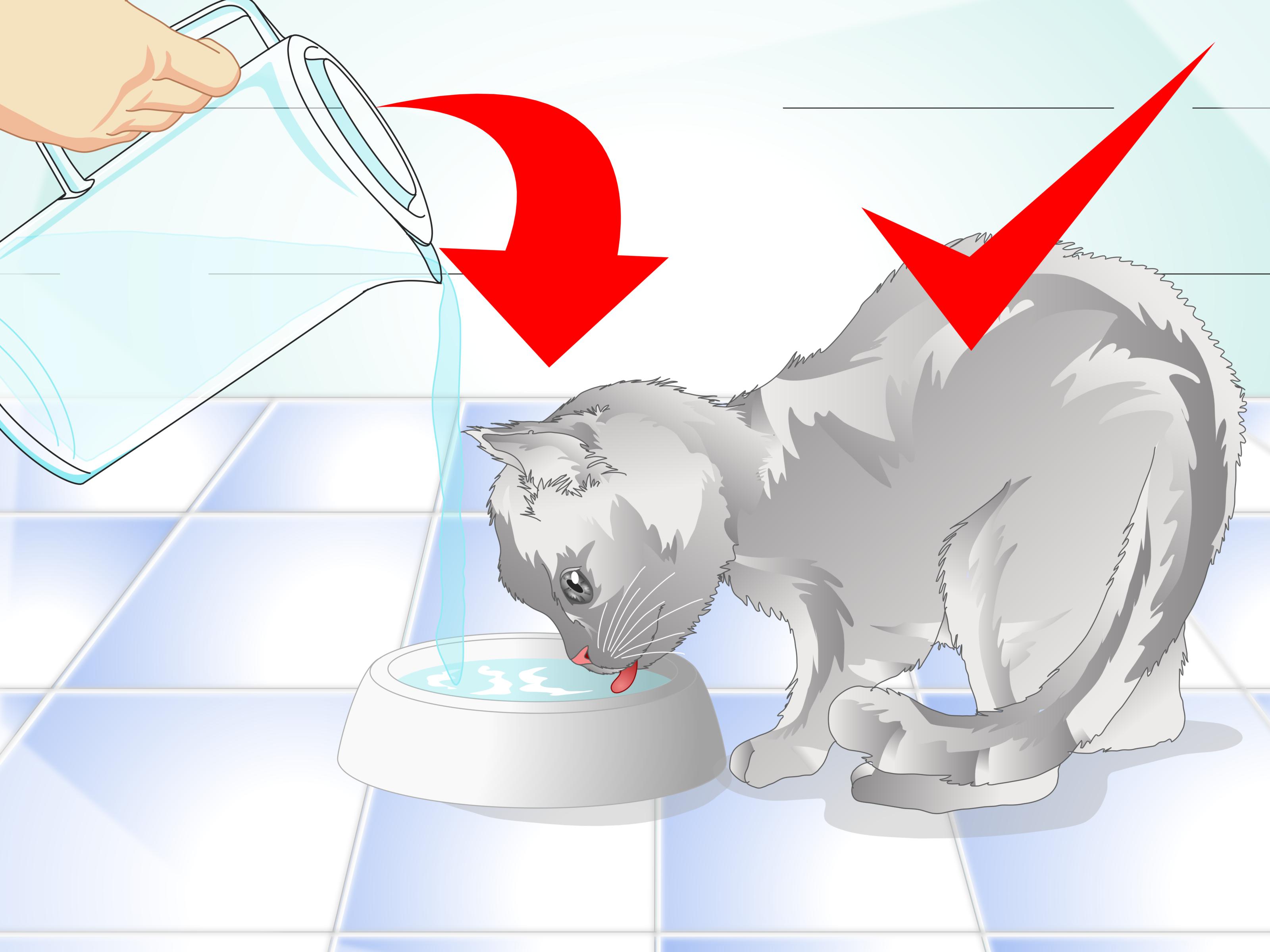
Hydration is one of the most important parts of RSV home care. Fever, faster breathing, and reduced appetite can all increase the risk of dehydration. For babies, continue breastfeeding or bottle-feeding as usual, but expect smaller, more frequent feeds. If congestion makes feeding difficult, clearing the nose before feeding may help.
Older children and adults can sip water, broth, warm tea, diluted juice, oral rehydration solution, or eat soothing options like ice pops. The goal is not to win a chugging contest. Small, steady amounts are usually easier, especially when coughing or congestion makes swallowing annoying.
2. Use Saline Drops or Spray for Nasal Congestion
Saline nasal drops or spray can help loosen thick mucus. This is especially helpful for infants and toddlers, who are not exactly skilled in the ancient art of nose blowing. Use saline before feeding and sleeping when congestion is making things harder.
For infants, place a few saline drops in the nostrils, wait briefly, then gently remove mucus with a bulb syringe or nasal aspirator. Be gentle and avoid over-suctioning, because too much suction can irritate the nose and make congestion feel worse.
3. Try a Cool-Mist Humidifier
A cool-mist humidifier can add moisture to dry indoor air, which may ease coughing and congestion. Keep the room comfortable but not overheated. Warm, dry air can make irritated airways feel even crankier.
Clean the humidifier every day according to the manufacturer’s instructions. A dirty humidifier can grow mold or bacteria, which is the opposite of helpful. In other words, the humidifier should not become a tiny swamp appliance.
4. Help With Fever and Discomfort
For fever or body aches, acetaminophen or ibuprofen may help, depending on the person’s age and health situation. Always follow the dosing instructions on the label or the guidance from a healthcare provider. Do not give aspirin to children or teens, because of the risk of a rare but serious condition called Reye’s syndrome.
For babies younger than 3 months, call a healthcare provider about any fever. For infants and young children, medication dosing should be based on weight, not guesswork. Kitchen spoons are for soup, not medicine measurement. Use the dosing syringe or cup that comes with the medication.
5. Prioritize Rest
Rest matters. RSV can make the body tired, especially when coughing interrupts sleep. Create a calm environment, reduce unnecessary activity, and let the person sleep when they can.
For babies, always follow safe sleep guidelines: place the baby on their back on a firm, flat sleep surface without loose blankets, pillows, or stuffed animals. Do not use pillows or inclined sleepers to “help congestion” in infants, because these can be unsafe.
6. Keep the Air Clean
Smoke, vaping aerosol, strong perfumes, scented sprays, and dusty rooms can irritate the lungs and make coughing worse. Keep the sick person away from tobacco smoke and other respiratory irritants. Clean frequently touched surfaces, wash hands often, and avoid sharing cups, utensils, towels, or pacifiers.
RSV spreads easily, so keeping germs contained is part of home treatment. Think of it as household defense mode: soap, tissues, trash cans, clean surfaces, and no heroic sharing of water bottles.
What Not To Do for RSV at Home
Do Not Use Antibiotics Unless Prescribed
Antibiotics do not treat RSV itself. They target bacteria, not viruses. Using antibiotics when they are not needed can cause side effects and contribute to antibiotic resistance. If a healthcare provider suspects a bacterial complication, they will decide whether antibiotics are appropriate.
Do Not Give Young Children OTC Cough and Cold Medicines
Over-the-counter cough and cold medicines are not recommended for very young children and can cause serious side effects. For children under 4, these products should generally be avoided unless a healthcare provider gives specific instructions. Even for older children, read labels carefully and avoid doubling up on ingredients like acetaminophen.
Do Not Use Honey for Babies Under 1 Year
Honey may soothe cough in children older than 1 year, but it should never be given to babies under 12 months because of the risk of infant botulism. For babies, stick with safer options such as saline, gentle suction, fluids, and medical guidance when needed.
Do Not Ignore Breathing Changes
Breathing is the big symptom category that deserves serious attention. A child who is working hard to breathe, breathing very fast, flaring nostrils, grunting, pulling in around the ribs, or showing bluish or gray coloring needs medical care right away.
When To Call a Doctor
Call a healthcare provider if symptoms are worsening, if a fever lasts longer than expected, if feeding or drinking becomes difficult, or if the person has a higher risk of severe RSV. Babies younger than 6 months, premature infants, children with heart or lung conditions, older adults, and people with weakened immune systems need extra caution.
For children, watch wet diapers and energy level. Fewer wet diapers, dry mouth, no tears when crying, unusual sleepiness, or inability to keep fluids down may signal dehydration.
When RSV Needs Emergency Care
Seek urgent or emergency care if any of the following occur:
- Difficulty breathing or pauses in breathing
- Fast breathing that does not improve
- Chest, rib, or neck muscles pulling in with breaths
- Bluish, gray, or pale color around lips, face, or nails
- Severe dehydration or very few wet diapers
- Extreme sleepiness, confusion, or limpness
- Symptoms that suddenly worsen after seeming to improve
- High-risk person with significant cough, fever, or breathing symptoms
Trust your instincts. If breathing looks wrong, it is better to get checked than to spend the night staring at someone’s chest like a nervous detective.
How Long Does RSV Last?
Many mild RSV infections improve within one to two weeks. The cough, however, can linger longer, especially in young children. Congestion may also take time to fully clear. Symptoms often feel worse around the middle of the illness before gradually improving.
If symptoms last longer than expected, worsen, or come with new fever, ear pain, chest pain, dehydration, or breathing trouble, contact a healthcare provider. A lingering cough can happen, but worsening breathing should never be brushed off as “just RSV doing RSV things.”
RSV Home Care for Babies
Babies need special attention because their airways are small, they breathe mostly through their noses, and they can become dehydrated quickly. Home care for babies usually includes frequent feeds, saline drops, gentle suction, rest, and monitoring breathing closely.
Try clearing the baby’s nose before feeding. Offer smaller amounts more often if full feeds are hard. Count wet diapers and watch for signs of increased work of breathing. If the baby is younger than 3 months, was born prematurely, has heart or lung disease, or seems unusually sleepy or difficult to wake, call a healthcare provider promptly.
RSV Home Care for Toddlers and Children
Toddlers and children may benefit from fluids, rest, fever reducers when appropriate, saline spray, a cool-mist humidifier, and quiet activities. Keep meals simple. Soup, fruit, yogurt, toast, smoothies, and ice pops may be easier than a big meal. Appetite often returns as the child feels better.
For children older than 1 year, a small amount of honey may help soothe a cough, especially before sleep. Avoid rough play if coughing or breathing symptoms are noticeable. A couch nest, picture books, calm cartoons, and washable blankets can become a surprisingly effective recovery station.
RSV Home Care for Adults
Adults with mild RSV can usually treat symptoms with rest, fluids, fever reducers, and comfort measures. Adults should avoid smoking and heavy exercise while recovering. Older adults and people with asthma, COPD, heart disease, or weakened immune systems should contact a healthcare provider if symptoms are more than mild or if breathing becomes difficult.
Because RSV, flu, and COVID-19 can look similar, testing may be helpful in some situations, especially for high-risk people or households with vulnerable family members.
How To Prevent RSV From Spreading at Home
RSV is contagious, so home care should include infection control. Wash hands often with soap and water for at least 20 seconds. Use hand sanitizer when soap is not available. Cover coughs and sneezes, throw tissues away, and clean frequently touched surfaces such as doorknobs, phones, remote controls, faucets, and toy bins.
Keep sick children home from school or daycare until symptoms are improving and they are fever-free according to local or school guidance. Avoid close contact with infants, older adults, and high-risk relatives while sick. Nobody wants to be the person who brought RSV to Grandma’s house as an uninvited plus-one.
Practical At-Home RSV Care Plan
A simple home plan can make RSV feel less chaotic. Start the day by checking temperature, breathing, hydration, and energy level. Offer fluids early and often. Use saline and gentle suction before naps and meals for young children. Run a clean cool-mist humidifier if the air is dry. Keep fever medicine dosing written down so no one accidentally gives it too soon.
At night, elevate comfort without using unsafe infant sleep positions. Older children and adults may feel better with an extra pillow, but babies should always sleep flat on their backs in a safe sleep space. Keep water nearby for older children and adults. For babies, plan for smaller nighttime feeds if congestion interrupts normal feeding.
Experience-Based Tips for Treating RSV at Home
Families who have dealt with RSV often say the hardest part is not one single symptom. It is the combination: the cough that shows up right when everyone is falling asleep, the congestion that makes feeding harder, and the constant question of whether things are improving or getting worse. A practical routine can reduce stress.
One helpful approach is to create a “sick station.” Keep tissues, saline, a thermometer, a medicine dosing chart, water, hand sanitizer, and a trash bag in one place. This prevents the midnight scavenger hunt where someone is whisper-yelling, “Where is the thermometer?” while the sick child coughs like a tiny old engine.
For infants, caregivers often find that timing matters. Saline and gentle suction before feeding can make a noticeable difference. A congested baby may want to eat but get frustrated because breathing through the nose is difficult. Clearing the nose first can help feeding go more smoothly. After feeding, keeping the baby upright while awake for a short period may reduce discomfort, but sleep should still happen on a flat, safe surface.
For toddlers, hydration can become a negotiation worthy of international diplomacy. Instead of asking a sick toddler to drink a full cup, offer tiny amounts often. Use a favorite cup, a silly straw, ice pops, or spoonfuls of fluid. The goal is steady intake. If the child refuses everything or urinates much less than usual, call a healthcare provider.
For older children, explain what is happening in simple language. Tell them their body is fighting a virus, and the coughing is part of clearing mucus. This can make symptoms less scary. Let them choose quiet activities: coloring, audiobooks, puzzles, or a comfort movie. Rest does not have to mean staring at the ceiling in dramatic Victorian fashion.
Adults caring for someone with RSV should also protect their own energy. Wash hands, avoid touching the face, disinfect shared surfaces, and sleep when possible. If multiple people in the household are sick, divide tasks: one person tracks medicine times, another handles laundry and dishes, and someone else manages meals. RSV is not the moment to prove you can run a household like a superhero with a stuffy nose.
A symptom log can be surprisingly useful. Write down temperature, medication times, fluid intake, wet diapers for babies, and any breathing changes. This helps you notice patterns and gives the doctor clear information if you need to call. “He had only two wet diapers since morning and is breathing faster than yesterday” is much more useful than “Something feels off,” although that feeling also matters.
Finally, trust the recovery curve but respect the warning signs. RSV often improves gradually, and the cough may linger. But labored breathing, dehydration, bluish or gray coloring, pauses in breathing, or unusual sleepiness are not wait-and-see symptoms. Home care works best when comfort measures are paired with smart monitoring.
Conclusion
Learning how to treat RSV at home starts with understanding what home care can and cannot do. You cannot make RSV vanish with a magic syrup, a heroic humidifier, or a bowl of soup so powerful it deserves its own cape. But you can make recovery safer and more comfortable with fluids, rest, saline, gentle suction, fever control, clean air, and close observation.
Most mild RSV cases improve with supportive care, but RSV deserves respect. Babies, older adults, and people with chronic health conditions are more likely to develop serious illness. If breathing becomes difficult, hydration drops, symptoms worsen, or your instincts tell you something is not right, contact a healthcare provider or seek urgent care.
At-home RSV treatment is really a balance: comfort, patience, prevention, and knowing when to ask for help. Keep the tissues close, keep the fluids coming, and keep an eye on breathing. The couch may become command central for a few days, but with the right care plan, most families can get through RSV one sip, one nap, and one cleaned humidifier at a time.