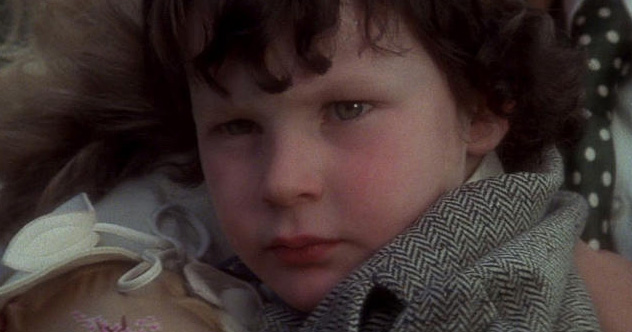
Some horror villains crash through walls. The Antichrist usually shows up with better manners, nicer tailoring, and a face that says, “Who, me?” That is exactly what makes Antichrist fiction so unnerving. These stories are not just about jump scares, demonic symbols, or the occasional extremely suspicious child on a tricycle. They are about corruption with a smile, evil hidden inside families, churches, governments, and the polished machinery of everyday life.
Across horror novels, apocalyptic thrillers, and supernatural films, the fictional Antichrist has evolved from a whispered prophecy into one of pop culture’s most durable nightmare engines. Sometimes the figure is a child born into conspiracy. Sometimes he is a handsome statesman, a reluctant adult heir to doom, or a messianic celebrity with excellent media instincts. In every version, the core dread remains the same: what if evil does not arrive looking monstrous at all? What if it arrives looking chosen?
Below are 10 of the most sinister fictional tales of the Antichrist, from foundational satanic horror to end-times fiction that turns biblical prophecy into page-turning chaos. If you enjoy apocalypse horror, occult thrillers, devil-child stories, and stories where destiny behaves like a loaded trap, welcome to the creepiest guest list in town.
Why Antichrist Fiction Still Works So Well
The Antichrist remains such a potent fictional figure because the concept blends several fears at once. It combines religion and rebellion, innocence and corruption, family drama and cosmic disaster. A haunted house is scary, sure. But a child who might grow up to end the world? That is a whole different tax bracket of panic.
These stories also tend to weaponize trust. Parents trust children. Citizens trust institutions. Believers trust prophecy. Antichrist fiction enjoys smashing all three at once. That is why the best entries in the subgenre rarely feel silly, even when their plots get gloriously dramatic. Beneath the horns, choirs, and ominous dogs, they are really asking a very human question: how would we recognize evil if it arrived wrapped in normal life?
1. Rosemary’s Baby
The devil-child story that made domestic life feel unsafe
If Antichrist fiction had a penthouse apartment with unsettling neighbors, Rosemary’s Baby would own it. Ira Levin’s novel, and Roman Polanski’s film adaptation, transformed Satanic horror by moving the terror into a fashionable Manhattan building and a marriage that looks respectable from the outside. Rosemary is not battling a cackling movie demon in a castle. She is battling gaslighting, isolation, and the awful suspicion that everyone around her knows more about her pregnancy than she does.
That is the genius here. The unborn Antichrist is frightening, but the real poison is the social machinery surrounding him. Husband, doctor, neighbors, all the supposedly trustworthy adults become part of the trap. The story hits hard because it makes motherhood, medicine, and marriage feel porous and dangerous. It is less “boo!” and more “please never offer me herbal dessert again.” Modern satanic horror owes this story an enormous debt.
2. The Omen
When the perfect little boy comes with a built-in apocalypse package
The Omen took the Antichrist out of the womb and placed him directly into the family photo album. Damien Thorn is a child, which is precisely why the story works so well. Horror has always loved the idea that innocence can mask evil, but this film sharpened that fear into a cultural icon. Here, the terror is not only that Damien may be the Antichrist. It is that his parents love him before they understand him.
The film layers parental dread with political unease. Damien is not tucked away in some remote prophecy bunker. He is close to diplomatic power, elite circles, and the sort of world where a well-dressed child can inherit influence before anyone notices the smell of sulfur. Add the now-legendary deaths, the religious warnings, the scalp-mark reveal, and that grin at the end, and you get one of horror’s most durable nightmares: the child you cannot stop because you still want him to be just a child.
3. Damien: Omen II
Puberty, but make it apocalyptic
Sequels often arrive like uninvited cousins at Thanksgiving. Damien: Omen II, however, understood its assignment. Instead of repeating the original beat for beat, it ages Damien into adolescence and asks a sneakier question: what happens when the Antichrist starts figuring out who he is? Suddenly, the horror is not just external prophecy. It is identity.
Teenage years are already awkward enough without discovering you may be Satan’s chosen heir. The film uses that transition effectively, turning Damien’s elite school setting into a pressure cooker of class, discipline, masculinity, and buried menace. He is still not fully in control, which makes the story interesting. Evil is developing, testing its limbs, learning the room. If The Omen is about parental suspicion, Omen II is about self-recognition, and it turns adolescence into one long, infernal coming-of-age story.
4. The Final Conflict
The Antichrist grows up, gets a job, and somehow becomes even creepier
By the time The Final Conflict rolls around, Damien is no longer a mysterious child. He is an adult with status, polish, and access. That shift matters. The most unsettling version of the Antichrist may not be the spooky kid in the corner; it may be the charismatic man in a tailored suit who understands power better than anyone else in the room.
This is where the Omen mythology becomes fully political. Damien operates within systems rather than against them. He is strategic, public-facing, and terrifyingly calm. The movie leans into the idea that evil does not always destroy institutions. Sometimes it learns to manage them. That makes The Final Conflict feel colder than its predecessors. The supernatural spectacle remains, but the deeper chill comes from watching apocalypse wear the face of leadership.
5. The First Omen
A prequel that understands paranoia, conspiracy, and bodily horror
Prequels usually carry the odor of unnecessary homework, but The First Omen earns its place by digging into the machinery behind Damien’s existence. Rather than merely pointing at familiar symbols and hoping nostalgia does the heavy lifting, the film builds a conspiracy around the engineered birth of the Antichrist. That makes the horror feel systemic rather than random.
Its real strength is that it reconnects Antichrist fiction to anxieties about reproductive control, institutional hypocrisy, and the way authority can weaponize faith. The story’s 1970s setting helps, too. The mood is full of old-world Catholic dread, shadows, secrets, and the sense that the walls themselves belong to somebody else’s agenda. Instead of treating the Antichrist as a simple shock reveal, the film makes his arrival feel like the result of planning, power, and people who believe the end can be managed like a project. That is deeply unnerving.
6. Damien (TV Series)
The reluctant Antichrist as prestige-horror antihero
The A&E series Damien takes the familiar Omen mythology and asks what adult Damien Thorn looks like if he does not remember, or does not want, his true nature. That is a smart pivot. Rather than serving pure villain energy from frame one, the show turns him into a man being chased by destiny, memory, and the awful suspicion that the worst thing ever said about him may be true.
This makes the Antichrist story feel contemporary. Modern audiences are used to psychologically conflicted antiheroes, so giving Damien a crisis of self fits the era. He is a war photographer, a witness to human suffering, and a man haunted by violence before he fully understands his place within it. The series may be uneven, but its central idea is strong: perhaps the most chilling Antichrist is not the one who cackles, but the one who slowly realizes that the world keeps arranging itself around him like a prophecy with teeth.
7. Left Behind
When the Antichrist stops lurking and starts leading
The Left Behind series took end-times fiction and turned it into a mass-market phenomenon. Its Antichrist, Nicolae Carpathia, is not a cryptic monster in the attic. He is a suave, politically gifted global figure who rises during post-Rapture chaos. That choice is essential to the series’ success. It frames the Antichrist as a public solution to global disorder, which is exactly why he becomes so dangerous.
Nicolae works because he feels plausible within the series’ logic. He is media-savvy, diplomatic, and skilled at making domination look like stability. The books transform biblical prophecy into thriller pacing, complete with surveillance, international intrigue, and the constant sense that history is sprinting downhill. Some readers come for the theology, others for the apocalypse mechanics, but the dark fascination is the same: the Antichrist here is not hidden. He is admired.
8. The Rising: Antichrist Is Born
An origin story that turns infancy into geopolitical dread
Prequels can either deepen a mythology or explain it to death. The Rising, a Left Behind prequel, lands in the more interesting camp by focusing on the birth and early shaping of Nicolae Carpathia. Instead of treating the Antichrist as fully formed from page one, it explores the conditions that prepare such a figure to emerge.
That makes the book more sinister than it first appears. Birth, bloodline, secret agendas, grooming by larger forces, all the classic anxieties of Antichrist fiction are here, but routed through the geopolitical thriller style of the larger franchise. The result is a story where evil is not simply born; it is cultivated, observed, and awaited. There is something especially creepy about narratives in which multiple players are not trying to stop the catastrophe at all. They are setting the table for it.
9. End of Days
Millennial panic, action-horror chaos, and Satan with terrible intentions
If some Antichrist stories whisper, End of Days kicks the church doors open and yells over exploding glass. This is the subgenre in blockbuster mode: millennium anxiety, Satan on Earth, Vatican warnings, urban dread, and a race to prevent the conception of the Antichrist before the calendar flips. It is big, loud, and not remotely subtle, which is honestly part of the charm.
What makes it worth noting is how neatly it captures late-1990s panic. The world was already nervous about Y2K, technology, and millennial symbolism, and the film stuffs all that unease into one apocalyptic blender. Under the action spectacle sits a classic Antichrist concern: evil exploiting a special woman’s body to usher in the end. It is pulpier than Rosemary’s Baby and less elegant than The Omen, but it understands that the Antichrist myth thrives whenever a culture suspects the clock is running out.
10. Lost Souls
The Antichrist as identity horror
Lost Souls does something quietly nasty with the Antichrist concept: it makes the possible vessel of evil an unsuspecting adult. Instead of a creepy child or world leader, the story centers on a man who may be destined to become the Antichrist without knowing it. That changes the fear completely. The question is not “Where is the monster?” It is “What if the monster is still becoming, inside an ordinary person?”
That premise gives the movie its best shiver. It wraps Catholic imagery, exorcism dread, and psychological uncertainty into a story about fate versus identity. Even when the film does not fully deliver on all its ambitions, the idea remains potent. Antichrist fiction is often most effective when it turns prophecy inward. Not every apocalypse begins with armies. Some begin with a single person learning that their life may have been a setup from the start.
What These Sinister Antichrist Stories Reveal
Taken together, these fictional tales show how flexible the Antichrist figure really is. He can be a baby, a schoolboy, a politician, a traumatized adult, or a messianic celebrity. He can arrive through satanic ritual, biblical prophecy, institutional conspiracy, or plain old end-times opportunism. The details shift, but the genre’s favorite anxieties stay put: corrupted innocence, false salvation, power wearing a human face, and the fear that the end may arrive through systems we already trust.
That is why Antichrist fiction refuses to stay buried. It is not just about religion. It is about authority, spectacle, manipulation, and the suspicion that civilization may be easier to hijack than we would like to admit. In other words, it is horror with great branding and absolutely terrible intentions.
The Audience Experience: Why These Stories Linger Long After the Credits
Watching or reading Antichrist fiction is a very particular kind of experience. It is not the same as a slasher movie, where the fear is immediate and physical, or a ghost story, where the dread often comes from place and memory. Antichrist tales get under the skin differently. They make you suspicious of normal life. Suddenly a nursery is creepy, a church hallway feels like a trap, and a smiling politician on television seems just a little too polished for comfort. The genre has a nasty habit of turning the ordinary into evidence.
That is a big reason these stories stick. They do not only frighten with supernatural power. They frighten with structure. The best examples create the sensation that events are moving according to a plan long before the main characters understand what plan they are in. That can make the audience feel trapped in a special way. You are not just waiting for danger to appear; you are realizing it has been present all along, quietly arranging things in the background. It is the horror equivalent of discovering the meeting invite was sent by the devil three weeks ago and somehow you still clicked “accept.”
There is also the emotional discomfort of watching love get used against people. Parents love children. Partners trust each other. Communities lean on shared belief. Antichrist fiction often invades those bonds and corrupts them from within. That is why Rosemary’s Baby feels so violating, why The Omen stings so sharply, and why even action-heavy entries like End of Days still carry an aftertaste of dread. The threat is never just cosmic. It is intimate.
Another part of the experience is cultural timing. These stories tend to boom when people already feel history wobbling beneath their feet. Social unrest, political distrust, millennial panic, institutional scandal, anxieties about technology, fears around reproduction or the future of the family, all of these can feed the appetite for Antichrist fiction. The genre offers a dramatic metaphor for a simple but unsettling fear: what if the forces shaping the future are not benevolent at all? What if evil is organized, media-trained, and excellent at public relations?
And then there is the aftereffect, the strange mental echo these stories leave behind. You may not spend the next day worrying about literal prophecy, but you might think more about charisma, manipulation, or how often danger arrives disguised as reassurance. That is the real power of the subgenre. It uses occult horror to ask worldly questions. Who gets believed? Who gets protected? How easily do people surrender judgment when someone claims authority, destiny, or salvation?
So yes, these stories can be outrageous. They can be melodramatic. They can absolutely lean too hard on chanting choirs and very committed nuns. But when they work, they tap into something ancient and painfully modern at the same time. They remind us that the scariest evil is not always the kind that breaks in. Sometimes it is the kind we raise, elect, trust, or excuse until it is far too late.
Conclusion
The fictional Antichrist remains one of horror and apocalypse fiction’s most fascinating villains because the character can be reshaped for every era. In one decade, he is the devil’s child hidden inside domestic life. In another, he is a sleek political operator or a reluctant heir to prophecy. Whether these stories lean literary, pulpy, psychological, or full-throttle cinematic, they all feed the same primal fear: that evil may not arrive as chaos, but as order with a rotten center.
That is why these sinister tales continue to attract readers and viewers. They are not just stories about the end of the world. They are stories about how the end might win our trust first.