A Small 60 Wall Hanging sounds like a contradiction at first, right? “Small” and “60” are not usually roommates in the same decorating sentence. But in home decor, size is less about the number on the tape measure and more about how the piece behaves in a room. A 60-inch wall hanging can feel light, balanced, and perfectly scaled when it is made from soft textile, macramé, woven fiber, canvas, wood, or slim metal. In a small apartment, bedroom, hallway, dorm, office nook, or compact living room, the right 60-inch wall hanging can do what paint, furniture, and one lonely framed print often cannot: create a focal point without eating floor space.
Wall hangings are having a very useful moment because they solve several design problems at once. They add color, texture, personality, softness, sound absorption, and visual height. They can make a rental feel less temporary, a bedroom feel warmer, and a blank living room wall look like someone with taste actually lives there. Best of all, they do not require a giant renovation budget, a contractor, or a dramatic weekend involving sawdust and regret.
This guide explains how to choose, style, hang, and care for a small 60 wall hanging in a way that looks intentional rather than “I clicked the first thing I saw online at 1:00 a.m.” We will cover sizing, materials, placement, color, room-by-room ideas, mounting tips, and real-life experience with making a 60-inch wall hanging work in smaller spaces.
What Is a Small 60 Wall Hanging?
A small 60 wall hanging usually refers to a decorative wall piece that measures around 60 inches in one direction, often width or length, while still feeling visually lightweight. It might be a 60-inch-wide macramé piece over a sofa, a 60-inch-long woven tapestry in a narrow hallway, a slim fabric banner above a bed, or a 60-inch wall art panel that fills empty space without overwhelming the room.
The word “small” matters because not every 60-inch wall decor item is bulky. A framed mirror with a heavy border may look massive at 60 inches, while a woven cotton hanging with fringe may appear airy and relaxed. A fabric wall hanging can cover a good amount of blank wall while keeping the room soft and breathable. That is why this category is especially useful for small rooms: it gives you big visual impact without adding another cabinet, console, shelf, or “decorative ladder” that nobody climbs.
Why 60 Inches Can Work in a Small Space
Small rooms need confidence. Tiny art on a tiny wall can sometimes make the room feel even smaller, like the decor is whispering apologies. A 60-inch wall hanging can create a strong anchor point, especially above a bed, sofa, desk, console table, fireplace, dining bench, or entryway bench. The trick is to choose a design that has the right visual weight.
It Uses Vertical Space Instead of Floor Space
In compact homes, floors are precious real estate. A wall hanging decorates upward, not outward. That means you can create a finished look without squeezing in another piece of furniture. This is especially helpful in studios, apartments, dorm rooms, guest rooms, and small home offices where every square foot already has a job.
It Adds Texture Without Clutter
Texture is what makes a room feel layered. A small space with only flat surfaces can feel cold, even if the color palette is pretty. Macramé, woven cotton, quilted fabric, cane, jute, linen, wool, reclaimed wood, or dimensional wall art gives the eye something to enjoy without scattering objects across tabletops. Your room gets character; your coffee table gets to breathe.
It Creates a Focal Point
Every room needs a visual “main character.” In a small bedroom, the wall behind the bed is often the best place. In a small living room, the sofa wall usually wins. In an entryway, the first wall people see can set the entire mood. A 60-inch wall hanging creates that focal point quickly, and unlike a dramatic wallpaper mural, it can move with you when your lease ends.
Best Materials for a Small 60 Wall Hanging
Material changes everything. A 60-inch piece can look casual, elegant, rustic, modern, bohemian, coastal, farmhouse, minimalist, or gallery-like depending on what it is made from. Here are the most practical options.
Macramé
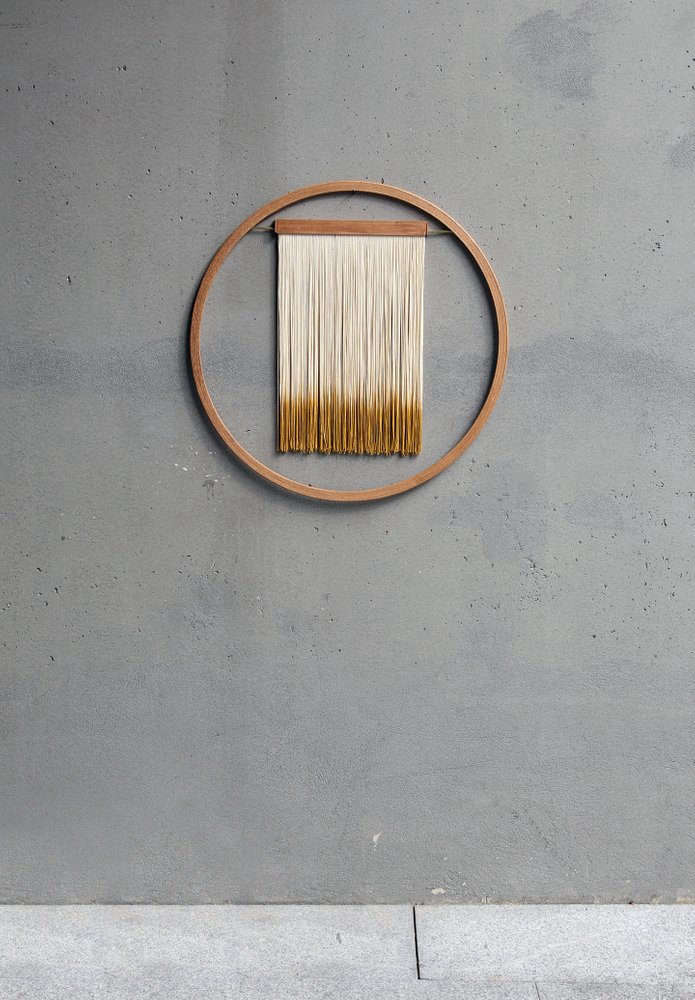
Macramé is one of the most popular choices for a 60-inch wall hanging because it offers texture, pattern, and softness. The knots create shadow and movement, while cotton rope keeps the look natural. A neutral macramé piece works beautifully over a bed, behind nightstands, above a console, or in a reading corner. Choose simple geometric knots for modern rooms and more fringe or layered patterns for boho spaces.
Woven Tapestry
A woven tapestry is excellent when you want warmth without heavy framing. Tapestries can be graphic, abstract, botanical, southwestern, coastal, vintage-inspired, or minimalist. They also help soften rooms with hard flooring, plain drywall, or lots of straight furniture lines. In a small room, a tapestry with limited colors often works better than a busy print with ten competing shades.
Fabric Banner or Quilt
Fabric banners and small quilts bring a handmade feeling to the wall. They are ideal for bedrooms, nurseries, craft rooms, and cozy apartments. A 60-inch textile piece can also be a smart alternative to framed art if you want less glare, less weight, and more tactile charm.
Wood Wall Hanging
Wood adds structure and warmth. A 60-inch carved wood panel, slatted wall piece, reclaimed wood art, or mixed wood-and-fiber hanging can make a plain wall look architectural. For small rooms, stick with slim profiles and natural finishes. Heavy dark wood can look beautiful, but it may visually shrink the room if the rest of the space is already dark.
Metal or Dimensional Art
Thin metal wall decor or dimensional art can look sleek and modern. It works well in dining rooms, offices, entryways, and above consoles. The key is depth. In a tight hallway, avoid pieces that project too far from the wall. Your shoulders should not have to negotiate with your decor every time you walk past.
How to Choose the Right Size and Shape
The number 60 is only the beginning. Before buying a wall hanging, measure the wall, the furniture below it, and the open space around it. A 60-inch-wide piece may be perfect above a 78- to 90-inch sofa, while a 60-inch-long vertical piece may be better for a narrow wall beside a window or closet.
Above a Sofa
A wall hanging above a sofa should feel connected to the furniture, not like it floated there by accident. For many sofas, a 60-inch wall hanging works well because it fills enough width to look intentional. Leave breathing room on both sides and avoid hanging it too high. The piece should visually belong to the seating area.
Above a Bed
Over a queen bed, a 60-inch wall hanging can look beautifully balanced. Choose a horizontal piece if you want a headboard effect. Choose a vertical or cascading textile if the ceiling is high and the bed wall needs softness. In a small bedroom, a neutral or tonal design usually feels calmer than a loud pattern.
In a Hallway
Hallways love vertical wall hangings. A 60-inch-long textile can make a hallway feel curated instead of forgotten. Since hallways are narrow, avoid bulky frames or protruding sculpture. A flat woven piece, fabric banner, or slim macramé panel is safer and more graceful.
In an Entryway
An entryway wall hanging should introduce your style quickly. A 60-inch piece above a bench, shoe cabinet, or narrow console can create a welcoming moment. Add a small bowl for keys, one lamp, and maybe a plant. Then stop. Entryways are where clutter goes to audition for a permanent role, so be strict.
Color Ideas for a Small 60 Wall Hanging
Color determines whether your wall hanging blends in, stands out, or starts a dramatic monologue. In small spaces, the safest approach is to repeat colors already in the room. Pull from your rug, pillows, bedding, curtains, wood tones, or artwork. This makes the hanging feel planned even if your actual planning process involved coffee and panic.
Neutral and Natural
Cream, beige, ivory, oatmeal, gray, taupe, tan, and natural cotton tones are perfect for renters and minimalists. They add texture without visual noise. Neutral macramé and woven wall hangings are especially good for bedrooms and living rooms where you want calm.
Earthy and Warm
Rust, terracotta, olive, clay, mustard, camel, and walnut tones can make a small room feel cozy. These colors work well with wood furniture, leather accents, plants, woven baskets, and vintage rugs.
High-Contrast Modern
Black-and-white wall hangings, graphic woven pieces, or simple geometric designs can add energy without adding clutter. This style works well in modern apartments, offices, and dining nooks. Keep the rest of the room edited so the contrast feels crisp rather than chaotic.
Soft Pastels
Blush, sage, powder blue, lavender, and muted peach are useful for nurseries, bedrooms, creative studios, and small guest rooms. Pastels give color without shouting. They are basically the indoor voice of wall decor.
How to Hang a 60-Inch Wall Hanging Safely
Before hanging anything, check the weight, wall type, and mounting hardware. A lightweight tapestry may only need small hooks, while a wood or metal wall hanging may require anchors, screws, or studs. Drywall alone is not magic. It has limits, and ignoring those limits is how decor becomes floor decor.
Step 1: Measure Twice
Use painter’s tape to outline the size on the wall before installing hardware. This simple trick helps you see the scale from across the room. Step back, sit down, stand up, and look from the doorway. If the outline feels balanced, you are ready to hang.
Step 2: Find the Right Height
For most wall art, the center should sit around eye level. When hanging above furniture, keep the piece close enough to feel connected. If the hanging is too high, it may look like it is trying to escape through the ceiling.
Step 3: Use Proper Hardware
Lightweight textile wall hangings may work with small nails, hooks, or removable strips if the surface allows. Heavier pieces need stronger support. Use drywall anchors, toggle bolts, molly bolts, masonry anchors, or studs depending on the wall and weight. When in doubt, choose hardware rated above the actual weight of the piece.
Step 4: Level It
A crooked wall hanging is charming for about three seconds. Then it becomes the only thing anyone can see. Use a level, measuring tape, or laser guide. If your piece hangs from a cord, remember that the cord may stretch slightly after a day or two, especially with heavier textile pieces.
Room-by-Room Styling Ideas
Small Living Room
Place a 60-inch wall hanging above the sofa to anchor the seating area. If your living room already has a lot of pattern, choose a quiet woven texture. If the room is mostly plain, choose a bolder design with color or geometric movement. Add two pillows that repeat one color from the hanging, and the whole room will suddenly look coordinated. People may assume you hired someone. Let them.
Bedroom
Use a horizontal textile wall hanging above the bed as a soft headboard alternative. This is especially helpful in apartments where a heavy headboard makes the room feel crowded. A cream macramé piece, linen tapestry, or warm earth-tone woven panel can make the bedroom feel restful without being boring.
Dining Nook
A 60-inch wall hanging can turn a tiny dining nook into a designed space. Hang it above a bench or small table. Choose a piece that is easy to dust and does not dangle too close to food. Fringe is lovely; fringe in soup is not.
Home Office
In a small office, wall decor should energize without distracting. A simple fiber hanging, abstract textile, or dimensional art piece can create a professional video-call background. Avoid shiny surfaces behind you if glare is a problem. Texture usually looks better on camera than a blank white wall that says, “I moved in three years ago and gave up.”
Nursery or Kids’ Room
Soft fabric wall hangings are a sweet choice for children’s rooms, but safety matters. Hang the piece securely and keep cords, tassels, and fringe away from cribs and young children. Choose washable or dust-friendly materials when possible because kids have a talent for making decor participate in snacks.
Common Mistakes to Avoid
Choosing a Piece That Is Too Busy
Small rooms can handle bold decor, but they need balance. If the rug, bedding, curtains, and pillows already have strong patterns, choose a simpler wall hanging. If everything else is quiet, then a patterned textile can become the star.
Ignoring Wall Color
A white wall hanging on a white wall can be beautiful if the texture is strong. But if the texture is subtle, it may disappear. Contrast matters. Try cream on warm beige, black on white, terracotta on ivory, or natural jute on soft green.
Hanging It Too High
This is the classic wall art mistake. If the wall hanging is above a sofa, bed, or console, it should relate to the furniture below it. Too much empty space between them makes the arrangement feel disconnected.
Forgetting Maintenance
Textiles collect dust. Choose a piece you can shake out, vacuum gently with a brush attachment, or spot clean according to its material. Kitchens and bathrooms need extra caution because moisture, steam, and grease can shorten the life of fabric wall decor.
Buying Tips for a Small 60 Wall Hanging
Before buying, check the exact dimensions, material, weight, mounting method, return policy, and care instructions. Product photos can be misleading because rooms in photos are often huge, bright, and suspiciously free of phone chargers. Measure your own wall and tape out the dimensions before you commit.
Look for clear product descriptions. Good signs include listed dimensions, material details, hanging hardware information, and care guidance. If the listing says only “beautiful home decor” and nothing else, proceed carefully. Beauty is nice, but measurements keep your wall from looking confused.
For handmade pieces, expect slight variations. That is part of the charm. For printed tapestries, check whether the design is printed on one side or both. For macramé, check whether a rod is included. For wooden or metal wall art, check weight and mounting hardware. For rental homes, confirm whether removable options are allowed and whether the wall surface can handle them.
Design Formulas That Always Work
The Calm Bedroom Formula
Choose a cream or beige macramé wall hanging, white bedding, two warm wood nightstands, soft lamps, and one plant. Keep the colors quiet and let the texture do the work. This formula is simple, peaceful, and very forgiving.
The Modern Apartment Formula
Choose a black-and-white geometric wall hanging above a slim sofa. Add a black floor lamp, a light rug, and two pillows in one accent color. The result feels clean, graphic, and grown-up without becoming cold.
The Boho Corner Formula
Hang a 60-inch woven tapestry above a reading chair. Add a rattan side table, a textured throw, a small stack of books, and a leafy plant. This creates a cozy nook that says, “I read here,” even if you mostly scroll recipes and never make them.
The Entryway Formula
Place a slim wall hanging above a narrow bench or console. Add a mirror nearby, a catchall tray, and one basket for shoes. Keep it functional, warm, and uncluttered. Entryways should welcome people, not challenge them to an obstacle course.
Experience Section: Living With a Small 60 Wall Hanging
The first time I tried a 60-inch wall hanging in a small room, I expected it to look too large. The room was not dramatic or designer-perfect. It was a regular apartment bedroom with one window, a queen bed, two small nightstands, and a wall that looked like it had been waiting patiently for someone to care. I taped the outline above the bed before hanging anything, and that one step changed my mind. The 60-inch width did not feel huge. It felt correct. The bed finally had a visual anchor, and the room looked more finished before I even installed the piece.
What surprised me most was how much texture mattered. A framed print in the same size would have looked heavier, especially behind a bed. The woven wall hanging felt softer. It added dimension, but it did not glare, reflect light, or make the wall feel crowded. In the morning, the side light from the window created small shadows in the fibers, giving the room a warmer look. At night, a lamp made the texture even more noticeable. It was like the wall had finally joined the conversation.
Another lesson came from color. I first considered a bold patterned tapestry, but the room already had patterned bedding. When I tested a neutral hanging instead, everything calmed down. The wall hanging did not compete with the bed; it supported it. That is an important point for small rooms. A 60-inch piece already has presence, so it does not always need loud colors. Sometimes the smartest choice is texture plus restraint.
Installation also taught me humility. I assumed I could eyeball the height. This was a mistake, because my eyes apparently enjoy chaos. After measuring, I lowered the wall hanging several inches so it related better to the headboard. That small adjustment made the entire room look more polished. The piece no longer seemed like it was floating. It became part of the furniture arrangement.
In a hallway, the experience was different but just as useful. A vertical 60-inch textile made a narrow passage feel intentional. It added softness where framed art might have felt too sharp or formal. Because the hallway was tight, I chose a flat piece with no bulky knots. That decision mattered. The wall looked decorated, but nobody brushed against the art while walking through.
The biggest practical lesson is that a small 60 wall hanging is not only about filling space. It is about giving a room rhythm. It can make a rental feel personal, make a bedroom feel restful, and make a blank wall feel designed. The best version is not always the most expensive or elaborate. It is the one that fits the room’s scale, repeats the room’s colors, hangs at the right height, and makes you happy every time you pass by. That last part is not a technical design rule, but it may be the most important one.
Conclusion
A Small 60 Wall Hanging is one of the easiest ways to make a compact room feel stylish, finished, and personal. Whether you choose macramé, woven tapestry, fabric, wood, metal, or dimensional art, the secret is balance. Match the piece to your room’s scale, repeat existing colors, hang it at the right height, and use hardware that actually supports the weight. A 60-inch wall hanging can be bold without being bulky, cozy without being cluttered, and decorative without stealing precious floor space.
For small bedrooms, living rooms, hallways, offices, and entryways, this type of wall decor offers a smart blend of form and function. It adds texture, creates a focal point, and gives your wall a reason to stop looking so empty and dramatic. Choose thoughtfully, measure carefully, and your small space can wear a 60-inch wall hanging beautifully.