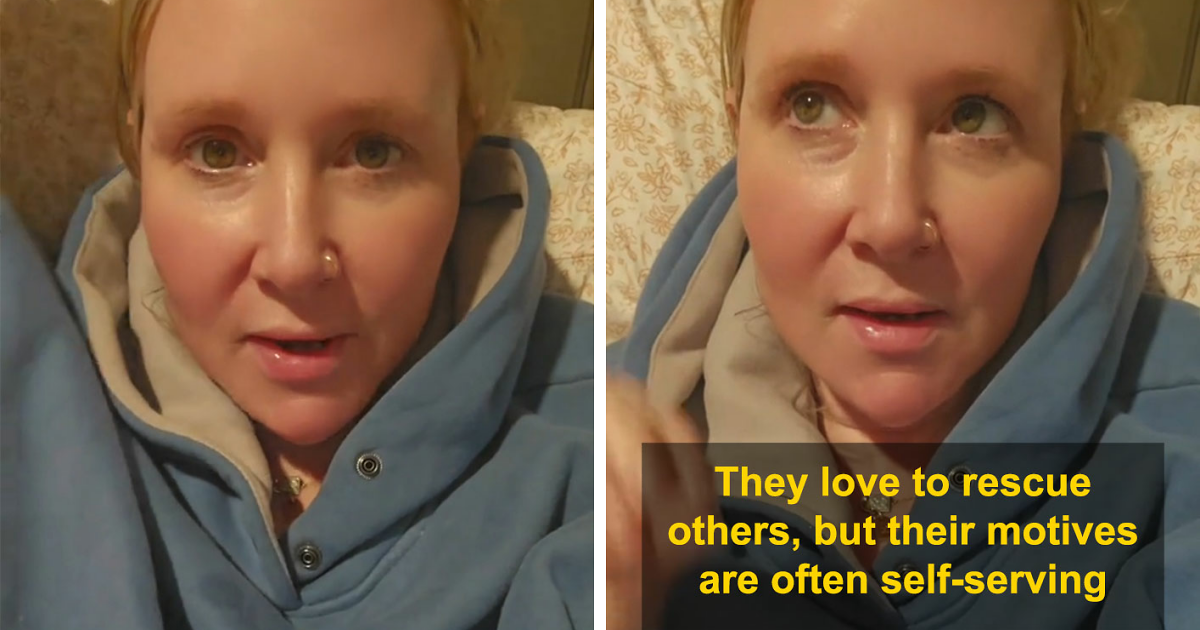
There are few things the internet loves more than a tidy list, a hot take, and a label that makes everyone immediately text their group chat: “Wait… is this my ex?” So when an influencer’s post about 10 red flags that could mean someone is a narcissist started making the rounds, people clicked, nodded dramatically, and probably side-eyed at least three people before lunch.
The reason the topic travels so fast is simple: narcissistic traits can be deeply confusing in real life. The person may seem magnetic, charming, funny, stylish, and wildly confident at first. Then, somewhere between the flattery and the first weird argument, the vibe changes. Conversations revolve around them. Criticism becomes a federal crime. Your feelings get treated like spam email. And suddenly you are wondering whether you are dealing with plain old selfishness, emotional manipulation, or something more serious.
Before we go any further, one important reality check: calling someone a “narcissist” online is easy; diagnosing narcissistic personality disorder is not. Mental health experts make a distinction between having narcissistic traits and having a diagnosable personality disorder. Still, certain patterns tend to show up again and again in unhealthy relationships, workplaces, families, and friendships. That is why these narcissist red flags matter. They are not a shortcut to diagnosis, but they can be a smart shortcut to protecting your peace.
Below is a grounded, no-drama guide to the 10 biggest warning signs, why they matter, and what to do if the person in question is turning your life into a one-person stage production with you cast as unpaid emotional support staff.
Why This Topic Keeps Going Viral
The phrase signs of narcissism performs well online because it speaks to a very modern frustration: people want language for behavior that feels emotionally exhausting. Many readers are not looking for a clinical lecture. They are trying to make sense of a boss who humiliates them in meetings, a partner who flips every disagreement into a courtroom drama, or a friend who treats empathy like an optional software update.
That said, social media lists can blur important lines. Some people are immature. Some are entitled. Some are emotionally abusive. Some may have a mental health condition. And sometimes these categories overlap in messy, unpleasant ways. The goal is not to become your neighborhood diagnostician. The goal is to recognize repeated harmful patterns and respond wisely.
10 Red Flags That Could Mean Someone Is Showing Narcissistic Traits
1. They need constant admiration like it is oxygen with better branding
Everyone likes appreciation. That is called being human. But one of the classic narcissistic traits is a relentless hunger for praise, attention, validation, and special recognition. If compliments are treated as rent you must pay just to keep the relationship stable, that is a problem. These people may fish for admiration, become agitated when ignored, or act insulted when they are not treated as the most fascinating person in the room.
2. They act entitled, even when reality did not sign that contract
A strong sense of entitlement often shows up as the belief that rules are for other people. They may expect priority treatment, instant replies, extra praise, or automatic forgiveness. When those things do not appear on command, they may react with anger, sulking, contempt, or wounded outrage. In their mind, normal boundaries can feel like a personal attack.
3. Empathy is suspiciously missing from the building
One of the biggest relationship red flags is a person who consistently dismisses your feelings, minimizes your pain, or seems unable to care unless your struggle affects them directly. This does not mean they never say the right words. Some can sound supportive in public. The real test is what happens when you need compassion, accountability, or emotional reciprocity over time.
4. They exploit people and call it confidence, ambition, or “just being honest”
Healthy confidence does not require stepping on people like they are emotional Lego pieces. A major warning sign is a pattern of using others for status, attention, money, convenience, image, or control. They may borrow support they never repay, treat relationships as transactional, or keep people around only while those people are useful. Once usefulness expires, so does the warmth.
5. Criticism sends them into rage, shame, or a full Shakespearean collapse
People with strong narcissistic tendencies often have fragile self-esteem hiding behind the fancy packaging. Even mild feedback can trigger disproportionate reactions: anger, mockery, defensiveness, silent treatment, revenge, or self-pity. Instead of considering the criticism, they may belittle the messenger, rewrite the story, or suddenly act like the real victim is them. Amazing trick, terrible relationship skill.
6. They dominate conversations and constantly redirect the spotlight
You mention your rough week, and five seconds later they are telling a longer, louder story about their much rougher week, which somehow ends with them being heroic, misunderstood, and professionally underappreciated. Sound familiar? Another common sign is conversational hijacking: interrupting, one-upping, bragging, or steering every discussion back toward themselves. It is less dialogue, more recurring solo performance.
7. They are charming at first, but the charm comes with fine print
Many people who display narcissistic behavior are not cartoon villains twirling invisible mustaches. They can be charismatic, persuasive, flirtatious, impressive, and socially skilled. The trouble often appears later. The kindness may feel conditional. The attention may vanish when you stop admiring them. The warmth may turn cold the minute you assert a need of your own. Early intensity is not always intimacy.
8. They manipulate reality through blame-shifting, gaslighting, or selective amnesia
When unhealthy narcissistic patterns show up in relationships, confusion is often part of the package. They may deny what they said, reframe events to make you look unreasonable, accuse you of the very thing they just did, or insist you are “too sensitive” whenever you bring up a legitimate concern. Over time, this can chip away at your confidence and make you question your own judgment.
9. They are jealous, competitive, or weirdly threatened by other people’s success
Envy is another classic marker. They may resent compliments given to others, downplay someone else’s achievements, or behave as if the universe has made an administrative error by praising anyone besides them. Sometimes the envy is obvious. Other times it comes disguised as sarcasm, backhanded compliments, gossip, or strategic withdrawal when someone else gets attention.
10. Their relationships follow a familiar cycle: idealize, devalue, repeat
In many unhealthy dynamics, the pattern is less “steady connection” and more “emotional roller coaster designed by an unpaid chaos intern.” At first, you are amazing. Then you disappoint them by acting like a separate human being. Then the criticism begins. Then they may pull you back with charm, apologies, gifts, or intensity. If a relationship keeps moving between pedestal and punishment, pay attention.
What These Red Flags Can Look Like in Real Life
In dating, these signs may show up as obsessive self-focus, constant need for reassurance, contempt during conflict, or a tendency to punish boundaries. In families, it might look like a parent who demands loyalty but offers little emotional safety, or who turns every milestone into a referendum on their greatness. In friendships, it can appear as one-sided emotional labor, chronic invalidation, or drama that somehow always makes them the star and everyone else the supporting cast.
At work, the pattern can be especially slippery. A narcissistic colleague or boss may be brilliant, polished, and persuasive in public while privately taking credit for other people’s work, humiliating subordinates, refusing accountability, and reacting badly to feedback. Because they can be socially strategic, others may not believe your experience right away. That disconnect is part of what makes these dynamics so stressful.
Not Every Self-Absorbed Person Has Narcissistic Personality Disorder
This point matters. A self-centered person, a controlling partner, and a person with narcissistic personality disorder are not automatically the same thing. Experts generally describe NPD as a long-term, inflexible pattern involving grandiosity, need for admiration, and lack of empathy that shows up across situations and creates real impairment or distress.
In plain English: being annoying at brunch does not equal a personality disorder. Being boastful on Instagram does not equal a diagnosis. Even being manipulative in one relationship does not, by itself, prove NPD. What matters is the pattern, the severity, the consistency, and the impact.
That said, you do not need a formal diagnosis to decide that a relationship is unhealthy. If someone repeatedly lies, controls, humiliates, exploits, or destabilizes you, you are allowed to take that seriously without waiting for a framed certificate from a clinician.
When Narcissism and Abuse Get Confused
This is where the conversation needs extra care. Some people use the word “narcissist” as a shortcut for “abusive,” but the two are not interchangeable. Abuse is about patterns of control, intimidation, manipulation, or harm. A person can be abusive without having NPD, and a mental health label should never be used to excuse abusive behavior.
If your situation involves threats, isolation, financial control, humiliation, fear, coercion, or escalating emotional cruelty, the bigger issue is not whether the person fits a trendy internet label. The bigger issue is that the behavior is unsafe and damaging. In that case, your next step is not more analysis. It is support, boundaries, documentation if needed, and a plan that protects your well-being.
What To Do If These Red Flags Sound Familiar
Get honest about the pattern
Do not judge the relationship by its best day. Judge it by its repeated reality. If the same harmful dynamics keep happening, stop arguing with your own observations.
Set clear boundaries
Be specific. “Don’t speak to me like that.” “I won’t continue this conversation if you insult me.” “I need decisions made together, not for me.” Boundaries are not magic spells, but they can reveal a lot. Healthy people may not love boundaries, but they can usually respect them. Unhealthy people often treat them like a hostile act.
Protect your self-esteem
One sneaky effect of dealing with narcissistic behavior is that you may start shrinking to keep the peace. Fight that instinct. Stay connected to people who know you, ground yourself in facts, and keep doing things that remind you who you are outside the relationship.
Stop expecting empathy on demand
This one is painful but practical. If someone has shown you repeatedly that they cannot or will not meet you emotionally, begging harder usually does not produce a breakthrough. It usually just produces exhaustion.
Consider professional support
A therapist can help you sort through confusion, rebuild trust in your own perception, and decide what kind of boundaries or next steps make sense. If the relationship feels unsafe or abusive, reaching out to a trusted support resource can be just as important as therapy.
The Bottom Line
The viral post struck a nerve because these red flags of narcissism feel familiar to a lot of people. And for good reason. Traits like entitlement, lack of empathy, exploitative behavior, emotional volatility around criticism, and chronic manipulation can do real damage in everyday life.
But the smartest takeaway is not “Aha, I have diagnosed someone from three TikToks and one awkward dinner.” The smarter takeaway is this: if a person’s pattern leaves you confused, diminished, controlled, or emotionally worn thin, that pattern deserves your attention. Labels can be useful. Boundaries are better. Clarity is best.
Real-Life Experiences People Often Describe Around These Red Flags
The following examples are composite-style experiences based on common patterns people report when dealing with narcissistic traits in relationships, families, and workplaces.
One common experience starts with feeling chosen. The person is magnetic, interested, flattering, and unusually intense. They text all day, praise you constantly, and make you feel like the most fascinating person on Earth. Then, once you are attached, the warmth becomes conditional. If you disagree with them, they go cold. If you succeed at something, they seem irritated instead of proud. The relationship starts feeling less like love and more like a performance review you can never quite pass.
Another experience is the slow erosion of confidence. You begin a relationship as a fairly grounded adult with opinions, preferences, and a normal sense of reality. A year later, you are apologizing for things you did not do, double-checking your memory after every argument, and feeling guilty for having basic needs. There may not be one giant dramatic event. Instead, there are hundreds of small moments of dismissal, blame, mockery, and confusion that stack up like emotional paper cuts.
In families, people often describe a parent who demands loyalty but cannot tolerate independence. If the child shines, the parent competes. If the child struggles, the parent centers their own discomfort. Holidays become power contests. Boundaries become acts of betrayal. Adult children raised in this environment may spend years learning that love is not supposed to feel like emotional hostage negotiation with side dishes.
At work, the experience can look polished on the surface and chaotic underneath. A manager may publicly praise teamwork while privately taking credit, creating rivalries, and punishing anyone who questions them. Employees often say the hardest part is not just the behavior itself, but the way other people miss it. The boss seems charming upstairs, so the person being targeted ends up looking “difficult” for noticing the obvious.
Friendships can be just as draining. People describe friends who expect endless emotional support but disappear the second the attention shifts away from them. They want admiration, access, and loyalty, but they do not offer much reciprocity. Over time, the friendship feels less like a bond and more like a subscription service you forgot to cancel.
What many of these experiences have in common is not just frustration, but disorientation. People often say, “I kept thinking if I explained myself better, they would finally understand.” That hope can keep someone stuck for a long time. In many cases, the turning point comes when they stop trying to win empathy from someone who keeps refusing to offer it, and start putting that energy into their own clarity, support system, and healing.