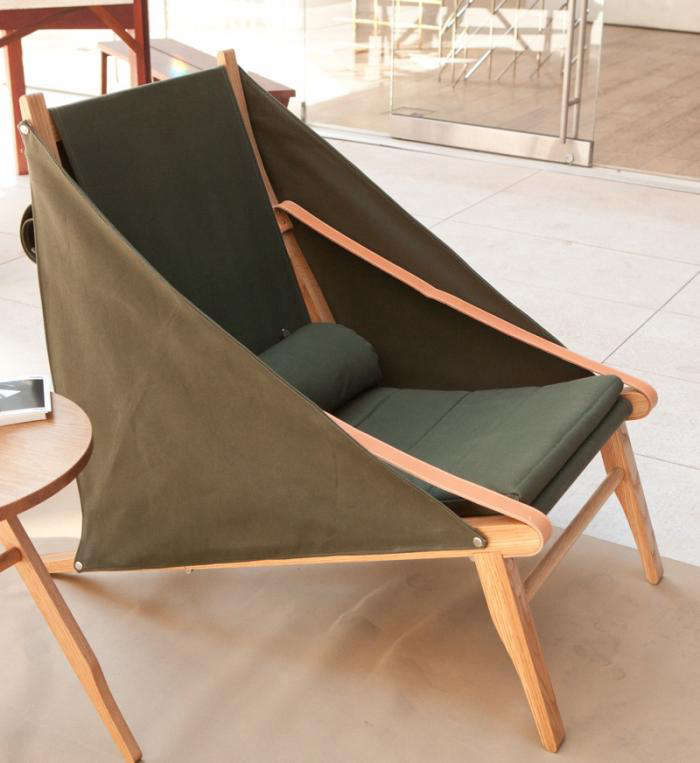
The Bivouac Lounge Chair is one of those furniture pieces that sounds like it should come with a compass, a wool blanket, and a handwritten note from a very stylish explorer. In reality, it is a beautifully restrained indoor-outdoor lounge chair associated with Atelier de Troupe, the Los Angeles design studio founded by Gabriel Abraham. The chair blends the relaxed intelligence of camp furniture with the polish of collectible design: wood frame, canvas upholstery, leather straps, folding function, and just enough attitude to make a patio feel like a film set.
Unlike bulky outdoor recliners that seem to be training for a bodybuilding competition, the Bivouac Lounge Chair keeps things lean. Its visual language is light, portable, and architectural. It does not shout, “Look at me!” It calmly sits there, looking cooler than everyone else at the barbecue.
Although the original chair has been discontinued, its design remains a useful reference point for anyone interested in outdoor lounge chairs, camp-style seating, modern patio furniture, and the broader return of elegant, low-profile relaxation pieces. This guide explores what made the Bivouac Lounge Chair special, how it fits into design history, what buyers should know, and how to style similar chairs in real homes.
What Is the Bivouac Lounge Chair?
The Bivouac Lounge Chair was designed as an indoor/outdoor camp lounge chair. Its known features include a wood frame, Sunbrella canvas upholstered seat, canvas side panels, and leather straps. The canvas was offered in colors such as green, blue, burgundy, yellow, and natural, giving the chair a practical yet expressive personality.
The name “bivouac” refers to a temporary camp or shelter, often associated with soldiers, climbers, hikers, and travelers sleeping under minimal cover. That meaning matters. The chair does not borrow the word simply because it sounds fancy in a catalog. Its structure and spirit are connected to the idea of portable comfort: a seat that feels ready for a deck, a cabin porch, a desert patio, or a sunroom where someone definitely owns too many design books.
The Design Story Behind Atelier de Troupe
Atelier de Troupe, now commonly associated with De Troupe, was founded in Los Angeles by Gabriel Abraham in 2011. Abraham’s background in production design and film is important because his furniture often feels cinematic. Instead of designing objects as isolated products, the studio tends to imagine atmosphere first: the room, the mood, the characters, the light, the story.
This explains why the Bivouac Lounge Chair feels more layered than a basic folding patio seat. It carries references to French and Italian vintage design, Bauhaus restraint, Hollywood set culture, and the Southern California indoor-outdoor lifestyle. It is practical, yes, but it is also theatrical in a very quiet way. Think less “camping trip with a leaky cooler” and more “modernist villa where someone casually serves espresso at sunset.”
Key Features of the Bivouac Lounge Chair
1. A Wood Frame With Warm Character
The wood frame gives the chair visual warmth. Many outdoor lounge chairs rely on metal, plastic, or synthetic wicker, which can be durable but sometimes feel cold or generic. Wood changes the mood. It softens hard architecture, looks natural near greenery, and pairs well with concrete, stone, tile, and stucco.
A wood frame also connects the chair to classic campaign furniture and director’s chairs. These older forms were built around mobility, function, and sturdy elegance. The Bivouac Lounge Chair belongs to that family tree, but with a more luxurious, design-forward posture.
2. Sunbrella Canvas for Indoor-Outdoor Living
Sunbrella canvas is a smart choice for a chair meant to move between patio and living room. Performance fabrics like Sunbrella are known for resisting fading, stains, mold, mildew, and weather exposure. That does not mean you should abandon the chair in a hurricane and expect it to write you a thank-you note, but it does mean the fabric was selected for real-life outdoor conditions.
The canvas seat gives the Bivouac Lounge Chair its casual confidence. It avoids overstuffed cushion drama and instead creates a sling-like support that looks relaxed and tailored at the same time.
3. Leather Straps With Utility and Style
The leather straps are not just decoration. They support the chair’s camp-inspired identity and reinforce the idea of portability. Leather also adds contrast against canvas and wood, creating a richer material palette. In furniture, small material decisions often do the heavy lifting. Here, the straps help transform a simple folding chair concept into something memorable.
4. Detachable Side Panels
The detachable side panels are one of the chair’s most distinctive details. They give the seat a sheltered, cocoon-like feeling without turning it into a bulky armchair. Visually, the side panels make the chair look a little like a mini retreat. You are not just sitting; you are claiming a small territory for reading, thinking, sipping, or pretending to think while actually scrolling your phone.
5. Foldable Camp-Chair Function
The Bivouac Lounge Chair was also known for being easily folded. That matters because folding furniture has an enduring appeal: it can adapt to smaller spaces, seasonal living, and flexible entertaining. A folding lounge chair can move from balcony to garden, from porch to guest room, and from “extra seat” to “main character chair” with very little fuss.
Why the Bivouac Lounge Chair Still Matters
The original Bivouac Lounge Chair is no longer a mainstream retail item, but its design remains relevant because it represents several trends that are still shaping furniture today.
Indoor-Outdoor Furniture Is No Longer an Afterthought
American homes increasingly treat outdoor spaces as extensions of the living room. Patios, terraces, decks, courtyards, and balconies are no longer just places to store a grill and a suspiciously faded plastic chair. They are places to host, relax, work, read, and recharge.
The Bivouac Lounge Chair fits this lifestyle perfectly. It looks refined enough for indoor use but practical enough for covered outdoor areas. That versatility is a major reason performance fabrics, natural materials, and modular outdoor furniture remain so popular.
People Want Furniture With a Story
A chair can be comfortable and still be boring. The Bivouac Lounge Chair avoids that problem because it has a clear narrative. Its name evokes camp life. Its structure nods to campaign furniture. Its materials suggest travel, craft, and utility. Its designer background brings in film, architecture, and Los Angeles modernism.
That combination gives the chair emotional value. It is not only a place to sit; it is a small design story you can place on a deck.
Minimalism Is Warmer Now
For years, minimalism was often interpreted as white walls, sharp edges, and furniture that looked slightly afraid of human contact. The Bivouac Lounge Chair represents a warmer version of minimalism. It is spare, but not sterile. It is simple, but not flat. Wood, leather, and canvas bring texture and humanity to the form.
How Comfortable Is a Camp-Style Lounge Chair?
Comfort in a lounge chair depends on seat depth, back angle, fabric tension, frame stability, and whether the chair supports the body without forcing a stiff posture. A camp-style lounge chair usually offers a relaxed recline rather than upright dining-chair support.
The Bivouac Lounge Chair’s canvas seat likely provided a flexible sling effect, allowing the sitter to settle into the chair. That type of support can feel more casual than foam cushions and more breathable in warm climates. It is especially appealing for reading, conversation, and slow afternoons outdoors.
However, sling-style seating is not for everyone. People who prefer thick cushions, high lumbar support, or adjustable recline may want a more padded outdoor lounge chair. The Bivouac style is best for those who appreciate low-slung comfort, sculptural simplicity, and a slightly nomadic mood.
Where to Use a Bivouac-Style Lounge Chair
Covered Patio
A covered patio is probably the ideal setting. The chair can enjoy fresh air without being punished by constant rain, direct sun, or falling leaves that seem personally committed to upholstery sabotage.
Sunroom
In a sunroom, a Bivouac-style chair creates a relaxed bridge between interior and exterior living. Pair it with a woven rug, a ceramic side table, and a leafy plant for a space that says, “I read architecture magazines, but I am still approachable.”
Modern Living Room
Because the chair has a strong design identity, it can work indoors as an accent lounge chair. It pairs well with low sofas, wood coffee tables, leather accessories, linen curtains, and warm neutral palettes.
Poolside Lounge Area
For poolside use, placement matters. Canvas and wood perform better with care, so a shaded or semi-covered zone is smarter than leaving the chair exposed every day. Add a small outdoor side table and you have a stylish landing spot for sunglasses, a towel, and a drink that has absolutely earned its tiny umbrella.
How to Style the Bivouac Lounge Chair
Use Natural Textures
The chair already includes wood, canvas, and leather, so it looks best with materials that speak the same language. Try jute, sisal, rattan, stoneware, linen, wool, or matte ceramic. Avoid overly glossy accessories unless you want the chair to look like it wandered into the wrong party.
Keep the Color Palette Earthy
Natural canvas, olive green, deep burgundy, muted blue, and warm yellow all suit the bivouac mood. These tones feel grounded and outdoorsy without becoming costume-like. Add black metal or aged brass accents for contrast.
Pair It With Low Furniture
A lounge chair with a relaxed profile works best near low tables, poufs, stools, or floor-level accessories. Tall side tables can feel awkward beside a camp-style chair. Keep the proportions calm and horizontal.
Add a Throw or Small Pillow
A compact pillow can improve comfort and add personality. Choose performance fabric outdoors and softer textiles indoors. One pillow is elegant. Six pillows means you are no longer styling a chair; you are building a fabric fort.
Buying a Bivouac Lounge Chair Today
Because the original Bivouac Lounge Chair has been discontinued, buyers may need to look for it through vintage dealers, resale platforms, design marketplaces, or private sellers. When evaluating a used piece, check the wood frame for cracks, loose joints, warping, and finish damage. Inspect the canvas for fading, mildew, tears, stains, or weakened stitching. Leather straps should be flexible, secure, and free from deep cracking.
If you cannot find the original, search for similar terms such as camp lounge chair, folding lounge chair, canvas sling chair, campaign lounge chair, director-style lounge chair, and indoor outdoor canvas chair. The goal is not to find an identical copy, but to capture the same balance of portability, material honesty, and relaxed sophistication.
Care and Maintenance Tips
Outdoor furniture lasts longer when it is treated like furniture, not like a garden shovel. For a wood-and-canvas chair, regular light cleaning is better than heroic deep cleaning once a year. Dust the frame with a soft cloth, wipe spills quickly, and avoid harsh chemicals unless the manufacturer specifically recommends them.
For canvas upholstery, mild soap and warm water are usually a safe starting point. Let fabric dry fully before storing or covering. For the wood frame, avoid prolonged standing water. If the chair is used outdoors, consider placing it under cover during heavy rain or long periods of direct sun. Leather straps should be kept clean and conditioned when needed, especially in dry climates.
Storage also matters. If you live somewhere with harsh winters, heavy storms, or intense humidity, store the chair indoors or in a dry covered area during the off-season. A little prevention can save a lot of future furniture therapy.
Who Is the Bivouac Lounge Chair Best For?
The Bivouac Lounge Chair is best for people who appreciate design with restraint, material quality, and a sense of narrative. It suits homeowners, designers, collectors, and anyone building an indoor-outdoor space that feels casual but not careless.
It may not be the right chair for someone who wants oversized cushions, cup holders, reclining mechanisms, or a chair that looks ready for a sports tailgate. This is not a gadget chair. It is a mood chair. It rewards people who enjoy atmosphere, craft, and understated drama.
Real-Life Experience: Living With a Bivouac-Style Lounge Chair
The first thing you notice about a Bivouac-style lounge chair is that it changes the pace of a space. A big cushioned club chair tells you to sink in and maybe not return for three hours. A metal dining chair tells you to sit up and behave. A camp-style lounge chair says, “Relax, but keep your boots nearby.” That combination is surprisingly useful.
On a covered deck, a chair like this quickly becomes the unofficial reading station. It is comfortable enough for a chapter or two, but not so soft that you disappear into it and wake up wondering what century it is. The canvas has a breathable quality that feels right on warm afternoons. Add a small side table, a glass of iced tea, and a shady corner, and suddenly the backyard feels less like a maintenance project and more like a destination.
Indoors, the experience is different but equally appealing. In a living room, a Bivouac-style chair works as a visual break from heavier upholstery. If the sofa is plush and rectangular, the folding wood frame adds rhythm. If the room has polished floors or white walls, the canvas and leather bring texture. It is the kind of chair guests notice without feeling intimidated by it. Nobody asks, “Am I allowed to sit there?” They ask, “Where did you find that?”
There is also a practical pleasure in furniture that can move. A folding lounge chair can migrate with the day. Morning coffee on the balcony, afternoon reading near a window, evening conversation by the fire pit. That flexibility makes the chair feel less like a fixed object and more like a companion. Yes, that sounds dramatic for a chair, but good furniture has a way of sneaking into your routines.
The only caution is that camp-style elegance requires a little discipline. If you leave the chair uncovered through storms, drag it across rough concrete, or treat the leather straps like gym equipment, the romance will fade quickly. But with normal care, this type of chair ages beautifully. Small marks on wood and leather can add character, while canvas can be cleaned and refreshed. Over time, the chair feels less showroom-perfect and more personal.
The best experience comes from using it in a space that matches its spirit: not too formal, not too cluttered, and not too precious. Place it where light moves across the floor. Give it breathing room. Let the materials do the talking. The Bivouac Lounge Chair was built around the idea of temporary shelter, but in the right home, it creates a permanent favorite spot.
Conclusion
The Bivouac Lounge Chair remains compelling because it captures a rare balance: rugged inspiration and refined execution, portability and presence, outdoor practicality and indoor elegance. Its wood frame, Sunbrella canvas, leather straps, folding construction, and camp-inspired identity make it more than a lounge chair. It is a design idea: comfort can be simple, useful, beautiful, and a little adventurous.
For collectors, the original Atelier de Troupe piece has obvious appeal. For homeowners and decorators, its real value may be even broader. It teaches us what to look for in modern outdoor lounge furniture: honest materials, flexible function, strong proportions, and a story worth sitting with.