Wrinkled clothes have a sneaky way of showing up at the worst possible moment. You pull a shirt from the dryer, expecting crisp confidence, and instead it looks like it spent the night arguing with a raccoon. The good news? Preventing wrinkled clothes is usually easier than rescuing them later with an iron, steamer, or last-minute panic.
Most clothing wrinkles are not random. They happen when fabric is crushed, twisted, overdried, left sitting damp, packed too tightly, or stored without enough breathing room. In other words, your laundry is trying to tell you something. Listen carefully, and it mostly says: “Please stop stuffing me into hot machines and abandoning me in baskets.”
This guide explains seven practical ways to prevent wrinkled clothes before they happen. You will learn how to wash, dry, hang, fold, and store garments so they come out smoother, fresher, and more wearable. No magic wand required. Just better habits, smarter timing, and fewer laundry crimes.
Why Clothes Wrinkle in the First Place
Wrinkles form when fabric fibers bend and set into creases. Moisture and heat make fibers more flexible, which is useful when you want to smooth clothes with steam, but not so useful when a wet shirt sits crumpled in the washer for two hours. As clothes cool or dry in a folded, twisted, or compressed position, the creases become more noticeable.
Natural fibers such as cotton, linen, and rayon are especially wrinkle-prone because they absorb moisture and bend easily. Synthetic fabrics such as polyester usually resist wrinkles better, but they are not invincible. Mix the wrong fabrics, overload the machine, use too much heat, and even your “wrinkle-resistant” shirt may surrender.
The secret is simple: give clothes space, remove them promptly, use the right cycle, avoid excessive heat, and store them properly. Now let’s turn that into a real-life laundry routine.
1. Do Not Overload the Washer or Dryer
If your washer looks like it is preparing for a camping trip with 47 shirts, 12 towels, and one mysterious sock from 2019, it is overloaded. Clothes need room to move freely in both the washer and dryer. When garments are packed too tightly, they twist, rub, and compress into each other. That creates deep wrinkles before the drying cycle even begins.
How Overloading Causes Wrinkles
In the washer, an overcrowded load cannot circulate properly through water and detergent. Fabric gets trapped in awkward folds and comes out tangled. In the dryer, overloaded clothes cannot tumble freely or receive even airflow. Some pieces overdry while others stay damp, and the entire load becomes a warm knot of regret.
What to Do Instead
Fill the washer loosely rather than packing it down. For everyday clothes, leave enough room at the top of the drum so items can move. For wrinkle-prone fabrics, wash smaller loads. Heavy items like jeans, hoodies, and towels should not be washed with lightweight shirts or blouses because they can crush lighter fabrics.
In the dryer, aim for movement. If clothes cannot tumble, they cannot relax. A smaller load may feel inefficient at first, but it often dries faster, wrinkles less, and saves you from ironing later. That is what laundry experts call “winning without suffering.”
2. Sort Clothes by Fabric Weight and Care Needs
Sorting laundry is not just about separating lights and darks. It is also about preventing wrinkles. A thin cotton button-down and a bath towel may both be washable, but they should not be best friends in the same load. Towels are heavy, absorbent, and bossy. Shirts are delicate, dramatic, and easily crushed.
Sort by Weight
Wash lightweight garments with other lightweight garments. Keep heavy items such as denim, towels, sweatshirts, and bedding in separate loads. This reduces friction, tangling, and pressure that can set creases into lighter clothes.
Sort by Fabric Type
Cotton shirts, linen pants, rayon dresses, and work blouses often benefit from gentler cycles and lower heat. Athletic wear, polyester blends, and synthetic fabrics may dry faster and need less heat. When you mix fabrics that dry at different speeds, some garments may overdry while others remain damp. That uneven drying is a wrinkle factory.
Sorting may feel like an extra step, but it saves time later. A few minutes before washing can prevent a 20-minute wrestling match with an iron.
3. Use the Right Wash Cycle and Spin Speed
Your washing machine has more settings than “normal” for a reason. The correct cycle can help prevent wrinkled clothes by controlling water temperature, agitation, and spin speed. For wrinkle-prone garments, aggressive agitation and high-speed spinning can twist fibers and create creases.
Choose Permanent Press or Wrinkle Control
The permanent press cycle is designed to reduce creasing. It usually uses a gentler wash action, moderate water temperature, and slower spin speed than a heavy-duty cycle. Some machines label this setting as “casual,” “wrinkle control,” or something similar.
This cycle is especially useful for shirts, blouses, chinos, synthetic blends, and everyday work clothes. It is not a miracle worker, but it gives fabric a better chance of coming out smooth.
Use Delicate for Fragile Fabrics
For delicate tops, dresses, lingerie, and lightweight fabrics, choose the delicate cycle. Lower agitation helps reduce twisting and friction. If the garment label recommends hand washing, follow that instead. Care labels may not be exciting reading, but they are less painful than ruining your favorite shirt.
Lower the Spin Speed When Needed
High spin speeds remove more water, which can shorten drying time. However, they can also press wrinkles into certain fabrics. If your clothes come out of the washer looking like they were vacuum-sealed, try a lower spin speed for wrinkle-prone items.
4. Remove Clothes Promptly After Washing
Leaving wet clothes in the washer is one of the fastest ways to create wrinkles. Damp fabric is flexible, heavy, and easy to crease. When clothes sit in a wet pile, gravity and pressure do the rest. Add a little time, and you have wrinkles with bonus musty odor. Truly, the deluxe package nobody ordered.
Why Timing Matters
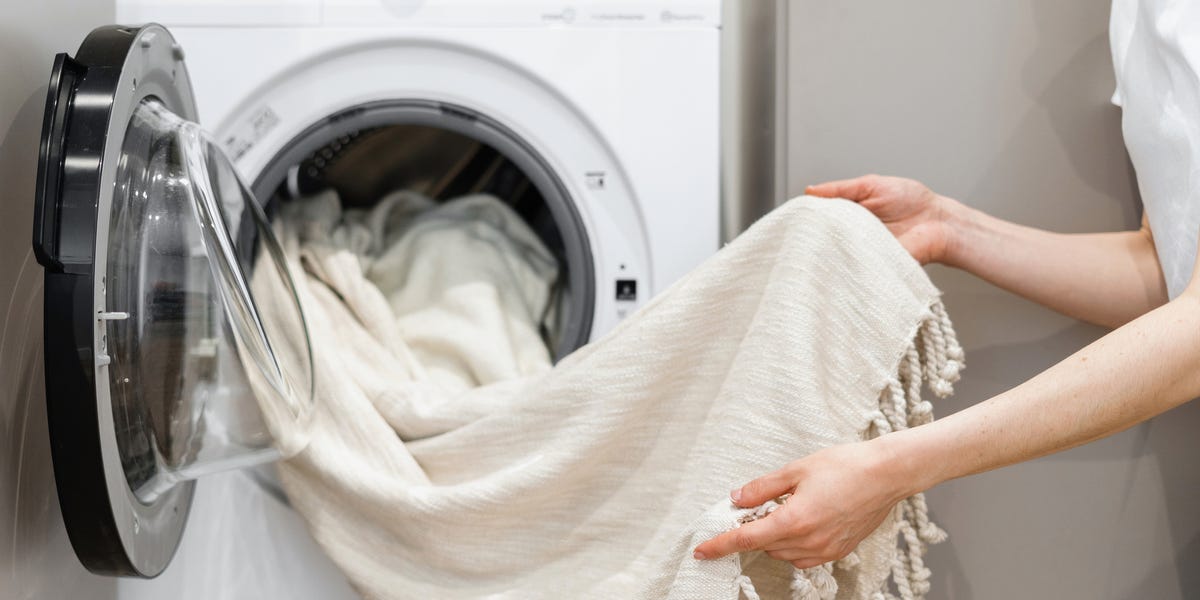
As soon as the wash cycle ends, remove the clothes. This prevents damp creases from setting and helps reduce odor. If you cannot move the load immediately, use a machine feature that periodically tumbles clothes after the cycle, if your washer has one.
Shake Each Item Before Drying
Before placing clothes in the dryer or on a drying rack, shake each garment out. This simple “shake method” separates twisted fabric, loosens folds, and improves airflow. It takes only a few seconds, but it makes a noticeable difference.
Hold shirts by the shoulders and snap them gently. Shake pants from the waistband. Untwist sleeves, collars, and hems. Your clothes should enter the dryer looking like individual garments, not one giant laundry burrito.
5. Dry Clothes with Lower Heat and Smarter Settings
Heat can help dry clothes, but too much heat can make wrinkles worse. Overdrying removes moisture completely and can leave fibers stiff, creased, and harder to smooth. For many garments, the goal is not “desert dry.” The goal is dry enough to wear, soft enough to relax, and smooth enough to avoid ironing.
Use Automatic Dry Instead of Timed Dry
Automatic dry cycles use sensors to detect moisture and stop when clothes are dry. Timed dry simply runs for the selected time, whether the clothes need it or not. That means timed drying can overdry garments, increase static, and create more wrinkles.
When available, choose automatic dry for everyday loads. Use timed dry only when you truly need extra control, such as finishing a slightly damp item for a few minutes.
Try Permanent Press, Delicate, or Tumble Dry Low
For wrinkle prevention, medium or low heat is usually better than high heat. Permanent press dryer cycles often use medium heat and a cool-down period to help reduce creasing. Delicate and tumble dry low settings are helpful for fabrics that need gentler treatment.
High heat may be useful for certain sturdy items, but it can be harsh on shirts, blouses, dresses, and many blends. When in doubt, check the care label and choose the gentler option.
Remove Clothes Slightly Damp
For cotton shirts, linen garments, and wrinkle-prone pieces, remove them while they are slightly damp. Smooth them with your hands, then hang them to finish drying. This helps the fabric relax into shape rather than baking wrinkles into place.
6. Use Dryer Balls, Steam, and Wrinkle-Prevent Features
Some laundry tools actually earn their space in the laundry room. Dryer balls, steam cycles, and wrinkle-prevent settings can all help reduce creases when used correctly.
Dryer Balls Help Separate Clothes
Wool dryer balls bounce between garments, helping separate fabric and improve airflow. This can reduce drying time and prevent clothes from clumping together. They are especially useful for sheets, towels, and medium loads of clothing.
Do not expect dryer balls to perform a Broadway-level wrinkle-removal routine, but they can help clothes tumble better. Better tumbling means fewer folds, fewer damp spots, and fewer surprise creases.
Use Wrinkle Shield, Wrinkle Care, or Extended Tumble
Many dryers have features that continue tumbling clothes intermittently after the drying cycle ends. These settings may be called Wrinkle Shield, Wrinkle Prevent, Wrinkle Care, Extended Tumble, or something similar. They are useful when you cannot unload the dryer immediately.
These features do not replace prompt removal, but they buy you time. Instead of letting clothes sit in one hot pile, the machine keeps them moving so creases are less likely to set.
Use Steam for Light Wrinkles
If clothes are already slightly wrinkled, a steam refresh cycle can help relax fibers. Some dryers include a steam option. You can also use a handheld steamer for quick touch-ups. For a simple dryer trick, place a slightly damp cloth in the dryer with a few wrinkled garments and tumble on low or medium heat for a short time. Remove and hang immediately.
7. Hang, Fold, and Store Clothes the Right Way
Even perfectly washed and dried clothes can wrinkle if you toss them into a basket and walk away. The final step matters. Clothes are most vulnerable to wrinkles when they are warm from the dryer or slightly damp from air drying. Handle them immediately.
Hang Structured Garments
Button-down shirts, blouses, dresses, jackets, and trousers usually do best on hangers. Use hangers that support the garment properly. Thin wire hangers may create shoulder bumps, while sturdy hangers help clothes keep their shape.
Before hanging, smooth collars, cuffs, plackets, pockets, and hems with your hands. Button the top button of shirts if needed to help maintain structure.
Fold Knits and Heavy Sweaters
Not everything should be hung. Sweaters and heavy knits can stretch on hangers. Fold them neatly and store them flat. Smooth each item before folding, and avoid stacking too many heavy garments on top of one another.
Give Clothes Breathing Room
An overcrowded closet is basically a wrinkle machine with doors. Clothes need space to hang naturally. If garments are squeezed tightly together, they rub, compress, and crease. Leave enough room so you can slide hangers without a fight.
Drawers should also be organized, not stuffed. Rolling casual clothes can reduce fold lines and make items easier to see. For dress shirts and delicate fabrics, folding with tissue paper or using drawer dividers can help maintain shape.
Extra Tips for Wrinkle-Prone Fabrics
Cotton
Cotton is breathable and comfortable, but it wrinkles easily. Use warm or cold water depending on the care label, avoid overdrying, and remove cotton garments slightly damp. Hang shirts immediately and smooth seams by hand.
Linen
Linen wrinkles because that is part of its personality. The goal is not perfection; it is controlled elegance. Wash linen gently, avoid high heat, and hang it while slightly damp. A steamer is often better than aggressive ironing.
Rayon and Viscose
Rayon can wrinkle and shrink if treated carelessly. Use cool water, gentle cycles, and air drying when recommended. Avoid twisting or wringing because the fibers can weaken when wet.
Polyester
Polyester resists wrinkles better than many natural fibers, but heat can still set creases. Use low or medium heat and remove items promptly. Steam can help release minor wrinkles.
Common Mistakes That Make Clothes More Wrinkled
One common mistake is washing too many items at once. Another is letting clean laundry sit in the washer or dryer. A third is overdrying clothes until they feel crispy. Finally, many people fold clothes too late, after the warm fabric has cooled into a wrinkled heap.
Another sneaky mistake is mixing sheets with small garments. Sheets can wrap around clothes, trapping them in damp folds. If you have ever pulled a T-shirt from inside a fitted sheet like a magician revealing a sad rabbit, you know the problem.
Wrinkle prevention is mostly about avoiding these small mistakes. The smoother your laundry process, the smoother your clothes.
of Real-Life Experience: What Actually Works in Everyday Laundry
After dealing with enough wrinkled clothes to make an ironing board file a workplace complaint, one thing becomes clear: the best wrinkle prevention system is the one you can actually follow. Fancy laundry advice is nice, but real life includes busy mornings, forgotten loads, small closets, and dryers that finish at the exact moment you sit down to eat.
The most useful habit is removing clothes from the dryer immediately. This sounds obvious, but it is the habit that changes everything. When clothes come out warm, they are still flexible. If you hang or fold them right away, they settle into a clean shape. If you leave them in a basket, they settle into whatever shape the basket demands. The basket is not a fashion designer. Do not trust it.
Another practical trick is to treat shirts differently from everything else. Casual T-shirts can survive a little chaos, but button-down shirts, blouses, polos, and work tops need attention. Shake them before drying, use lower heat, remove them slightly damp, and hang them right away. Smooth the front, tug the seams gently, flatten the collar, and let gravity do some of the work. This can make a shirt look almost ironed without ever plugging in an iron.
For pants, especially chinos and lightweight trousers, the best method is to remove them before they become bone-dry. Hold them by the waistband, shake them out, smooth the legs, and hang them from the waistband or fold them along the crease. If they dry in a twisted position, they will remember that twist with impressive loyalty.
Dryer balls are helpful, especially for sheets and mixed clothing loads. They keep items moving and reduce clumping. However, they work best when the dryer is not overloaded. If the drum is packed tight, dryer balls simply bounce around with the confidence of people who are not solving the problem.
The biggest surprise is how much closet space matters. You can do laundry perfectly and still ruin the result by stuffing clothes into an overcrowded closet. Shirts need room. Dresses need room. Pants need room. When everything is squeezed together, wrinkles form before you even wear the clothes. Removing a few unused items from the closet can improve your wardrobe faster than buying a new steamer.
Travel also teaches wrinkle prevention quickly. Rolling casual clothes works well for T-shirts, leggings, and soft fabrics. For dress clothes, folding along natural seams and placing heavier items at the bottom of the suitcase helps. Unpack as soon as you arrive, hang important garments in the bathroom during a warm shower, and smooth them by hand. It is not perfect, but it is much better than pulling clothes from a suitcase and pretending “creased chic” is a trend.
In everyday life, the winning formula is simple: smaller loads, correct cycles, lower heat, immediate removal, quick shaking, proper hanging, and enough storage space. These habits take a little attention at first, but they quickly become automatic. Best of all, they reduce ironing, protect fabric, and make your clothes look like you have your life togethereven on days when breakfast was coffee and a granola bar eaten over the sink.
Conclusion: Wrinkle Prevention Is Easier Than Wrinkle Rescue
Preventing wrinkled clothes does not require a luxury laundry room or professional equipment. It requires better timing, gentler handling, and smarter storage. Do not overload machines. Sort by fabric weight. Choose the right cycles. Remove clothes promptly. Use lower heat. Let wrinkle-prevent features help when needed. Hang, fold, and store garments before creases settle in.
The reward is simple: smoother clothes, less ironing, faster mornings, and fewer moments where you wonder if wearing a jacket indoors all day is a reasonable solution. Treat your clothes well during laundry, and they will return the favor by looking fresher, cleaner, and much less like they slept in a backpack.