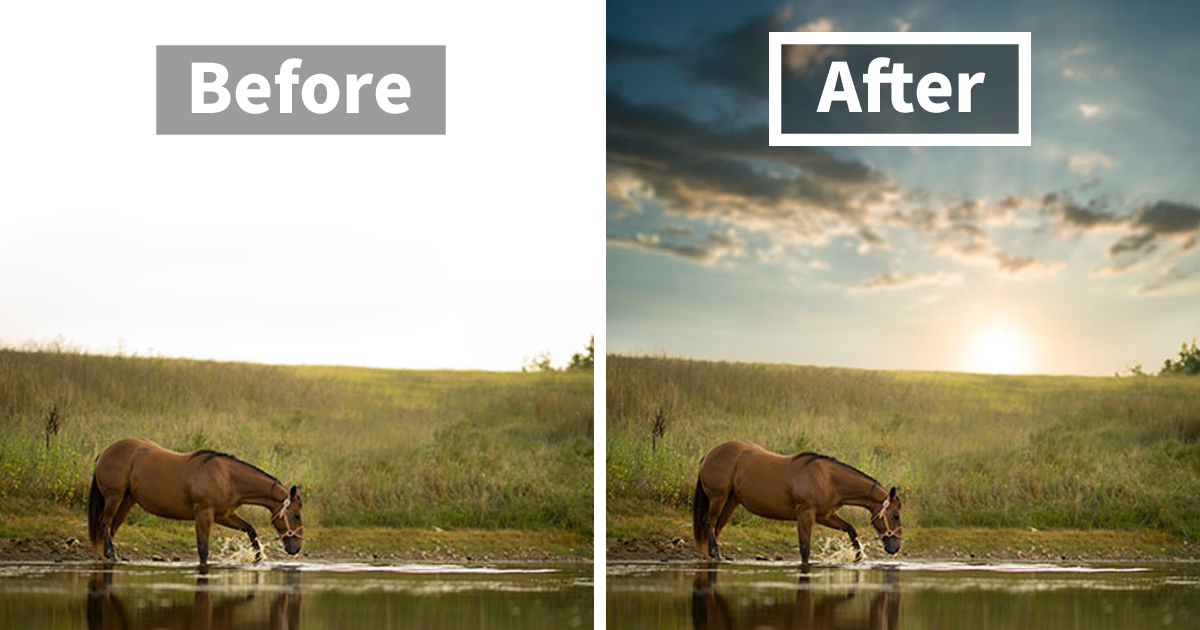
Photography is a funny little obsession. At first, you think it is about buying a better camera. Then you think it is about finding better places. Eventually, usually after deleting 700 blurry photos of your cat, your coffee, and one mysterious image of your own shoe, you realize the real secret: photography is about learning how to see.
The best photography lessons rarely arrive as lectures. They sneak in through mistakes: an overexposed sky, a crooked horizon, a portrait with a tree apparently growing out of someone’s head, or a once-in-a-lifetime sunset ruined because the lens cap was still on. Been there. Emotionally still there.
In this guide, I want to walk you through 19 practical photography lessons inspired by 19 imaginary but very realistic photos. Think of each “photo” as a small classroom: one teaches light, another teaches composition, another teaches patience, and one quietly whispers, “Please clean your lens.” Whether you shoot with a DSLR, mirrorless camera, film camera, or phone, these lessons can help you create stronger, sharper, more expressive images.
19 Photos, 19 Photography Lessons Worth Remembering
Photo 1: The Window Portrait Light Beats Gear
A simple portrait beside a window can look more professional than a heavily edited studio shot. Soft window light wraps around the face, reduces harsh shadows, and adds natural depth. The lesson is simple: before blaming your camera, look at your light. Move your subject closer to the window, turn them slightly, and watch how the face changes. Good light is the unpaid intern doing most of the work.
Photo 2: The Crooked Seascape Straight Horizons Matter
A beautiful ocean photo can lose its magic if the horizon tilts like the sea had three espressos. When shooting landscapes, use your camera grid or level tool. Straight horizons create calm, balance, and professionalism. Of course, creative tilt can work, but accidental tilt usually looks like your tripod sneezed.
Photo 3: The Busy Street Scene Find One Clear Subject
Street photography is exciting because everything happens at once. That is also the problem. A strong photo needs a clear subject, even in chaos. Look for a person in red crossing the street, a cyclist in a beam of light, or a vendor framed by umbrellas. Viewers should know where to look first. If the eye gets lost, the story gets lost too.
Photo 4: The Backlit Dog Exposure Compensation Saves the Day
Backlighting can create magical rim light around hair, fur, leaves, and silhouettes. But cameras often underexpose the subject when bright light fills the background. Use exposure compensation, tap-to-expose on your phone, or manual settings to brighten the subject. The dog deserves to be seen. The dog is the main character. The dog knows this.
Photo 5: The Coffee Cup Close-Up Backgrounds Are Not Background Noise
A cozy coffee photo can be ruined by a trash can, messy cable, or half-eaten sandwich lurking behind the mug like a tiny villain. Before pressing the shutter, scan the edges and background. Move clutter, shift your angle, or use a wider aperture to blur distractions. Great photography is often 20% shooting and 80% removing weird stuff from the frame.
Photo 6: The Running Child Shutter Speed Controls Motion
Fast shutter speeds freeze action. Slower shutter speeds show motion blur. If you photograph kids, pets, sports, or wildlife, shutter speed becomes your best friend. A child running through a sprinkler may need a fast shutter speed to freeze droplets. But a slow shutter speed can create artistic streaks of water and movement. Choose the look before choosing the setting.
Photo 7: The Flower Macro Depth of Field Is Tiny Up Close
Macro photography teaches humility. You move close to a flower, focus on the petal, and suddenly everything else melts into blur. That shallow depth of field can be beautiful, but it must be controlled. Use a smaller aperture when you need more of the subject sharp, keep your camera steady, and focus carefully. A tiny subject demands big patience.
Photo 8: The Golden Hour Portrait Timing Can Be a Filter
Golden hour, the period shortly after sunrise or before sunset, gives warm, angled, flattering light. It softens skin, adds dimension, and makes ordinary places look suspiciously cinematic. You do not need a dramatic mountain or expensive lens. Sometimes, you just need to wait until the sun stops behaving like a ceiling lamp in a supermarket.
Photo 9: The Night Market Raise ISO When You Must
Many beginners fear high ISO because it can add noise. But a noisy sharp photo is usually better than a clean blurry photo. In low light, raise ISO when needed to keep your shutter speed fast enough. Modern cameras and phones handle noise better than ever, and editing tools can reduce it. Blur caused by camera shake, however, is much harder to rescue.
Photo 10: The Mountain Trail Leading Lines Pull the Viewer In
Paths, roads, fences, shadows, rivers, and railings can guide the eye through an image. These are leading lines, and they are composition gold. In a mountain trail photo, let the path begin near the bottom of the frame and lead toward the subject or horizon. It creates depth and invites the viewer to walk into the scene without needing hiking boots.
Photo 11: The Centered Portrait Rules Are Tools, Not Laws
The rule of thirds is useful, but it is not a police officer. Center composition can be powerful when the subject is symmetrical, expressive, or visually strong. A centered portrait with clean background, direct eye contact, and balanced lighting can feel bold and intentional. The trick is knowing when you are breaking a rule and when you simply forgot it existed.
Photo 12: The Rainy Window Mood Matters More Than Perfection
Not every great photo is sharp, bright, and cheerful. A rainy window image can be soft, imperfect, reflective, and emotionally rich. Drops on glass, muted colors, and silhouettes can create atmosphere. Photography is not only about recording what happened. It is about preserving how a moment felt.
Photo 13: The Food Flat Lay Angle Changes Appetite
Food photography depends heavily on angle. Pizza, pastries, salads, and table spreads often look great from above. Burgers, drinks, cakes, and stacked dishes usually shine from the side or at a 45-degree angle. If your food photo looks boring, change your angle before adding another garnish. Parsley cannot fix everything.
Photo 14: The Black-and-White Alley Contrast Carries Emotion
Black-and-white photography removes the distraction of color and puts emphasis on light, shadow, texture, and shape. A narrow alley with strong contrast can become dramatic and timeless. When editing in monochrome, watch the tones. You still need separation between subject and background. Black and white is not a rescue boat for bad lighting, but it can be a beautiful creative choice.
Photo 15: The Family Group Shot Connection Beats Posing
Perfect posing can look stiff if everyone feels like they are waiting at the DMV. For family photos, connection matters. Ask people to walk together, tell a joke, look at each other, or hug naturally. The best frame might happen between official poses, when shoulders relax and real expressions appear. Keep shooting after everyone thinks the photo is over.
Photo 16: The Reflection Puddle Look Down, Not Just Forward
Reflections are everywhere: puddles, windows, polished floors, car hoods, sunglasses, and quiet water. A puddle can double a skyline or turn a boring sidewalk into a surreal scene. Train yourself to look up, down, behind, and sideways. Photographers who only shoot from standing eye level leave half the world unused.
Photo 17: The Minimalist Wall Negative Space Gives Subjects Room
Negative space is the empty area around your subject. It can make a small figure feel lonely, peaceful, brave, or overwhelmed. A person walking past a blank wall can become a powerful minimalist image if placed carefully in the frame. Do not fear empty space. Sometimes the quiet part of the photo says the loudest thing.
Photo 18: The Concert Shot White Balance Changes the Whole Mood
Concerts, restaurants, neon signs, and indoor events produce tricky colors. Auto white balance may make skin too orange, too blue, or creatively radioactive. Learn to adjust white balance in camera or during editing, especially if you shoot RAW. Color temperature affects emotion. Warm light feels cozy; cool light feels calm or mysterious. Green light makes everyone look like they recently returned from a swamp.
Photo 19: The Ordinary Doorway Photograph What Others Ignore
One of the biggest photography lessons is that interesting images do not always require exotic locations. A doorway, staircase, shadow, hand gesture, old sign, or quiet corner can become beautiful when photographed thoughtfully. The photographer’s job is not to find magic. It is to notice it before everyone else walks past.
Core Photography Lessons Hidden Inside These 19 Photos
1. Exposure Is Creative, Not Just Technical
Exposure is controlled by aperture, shutter speed, and ISO. Together, they affect brightness, blur, depth of field, and image quality. But exposure is not merely about making the meter happy. You might underexpose a scene for drama, brighten a portrait for softness, or slow the shutter to show movement. The “correct” exposure is the one that supports your story.
2. Composition Is How You Organize Attention
Composition tells the viewer where to look, how to move through the frame, and what matters most. Use the rule of thirds, leading lines, framing, symmetry, color contrast, and negative space. Then, when the image demands it, ignore the rulebook with confidence. Good composition is not decoration. It is visual direction.
3. Light Has Personality
Hard light creates bold shadows and drama. Soft light creates gentle transitions and flattering portraits. Side light reveals texture. Backlight creates glow and silhouettes. Front light is clear but can feel flat. Start naming the light around you. Once you recognize its personality, you can decide whether to work with it, modify it, or run away from it like it owes you money.
4. Editing Should Improve the Message
Editing is not cheating. Editing is part of modern photography. Adjusting exposure, contrast, color, crop, and sharpness can help the photo match what you saw and felt. But heavy editing without intention can turn a sincere image into digital soup. Ask yourself: does this edit support the subject, or am I just sliding buttons because it feels powerful?
5. Better Photos Come From Better Decisions
The biggest improvement in photography often comes before the shutter click. Move your feet. Wait for better light. Remove distractions. Change your angle. Watch the edges. Choose the right shutter speed. Focus on the eyes. Ask what the photo is about. These small decisions add up faster than buying another lens you will name “my precious” and then use twice.
Personal Experiences I’ve Learned From Chasing Better Photos
The most useful photography lessons I have learned did not happen during perfect conditions. They happened when the light was fading, the subject would not stand still, the background looked like a garage sale exploded, or I had exactly three seconds before the moment disappeared. Photography teaches you to make decisions quickly, but it also teaches you to slow down enough to notice.
One experience that changed how I shoot was photographing a simple street corner late in the afternoon. At first, it looked ordinary: parked cars, a crosswalk, a few people walking home. I almost skipped it. Then the sun slipped between two buildings and created a bright rectangle of light on the pavement. Suddenly, every person who walked through that patch became a character. A cyclist passed through first. Too early. A woman with a yellow bag crossed next. Better. Then an older man stepped into the light, his shadow stretching behind him like a second person. That was the frame. The lesson was patience. Great photos often arrive after the first boring version of the scene.
I also learned the importance of changing position. Beginners often zoom before they move. I did that too. I would stand in one place, twist the zoom ring, and hope the photo improved through mechanical optimism. But when I started kneeling, stepping sideways, shooting through objects, or getting closer, my photos changed. A flower photographed from standing height looked like a flower. The same flower photographed at petal level looked like a tiny landscape. A portrait from eye level felt normal. A portrait from slightly above or below changed the mood completely.
Another lesson came from failure: missed focus. Nothing humbles a photographer faster than capturing a beautiful expression with sharp ears and blurry eyes. For portraits, eyes matter. For animals, eyes matter. For street photography, the subject’s gesture matters. Technical sharpness is not everything, but when the emotional center of the image is soft by accident, the photo loses power. That taught me to slow down, choose focus points carefully, and take one extra frame when possible.
Editing taught me restraint. Early on, I treated every photo like it needed maximum contrast, maximum saturation, and enough clarity to make a pancake look like ancient stone. Over time, I realized editing should guide attention, not shout over the image. A little crop can strengthen composition. A small shadow lift can reveal a face. A gentle color adjustment can restore the mood. The best edit is often the one nobody notices.
Finally, photography taught me that ordinary life is not ordinary when you pay attention. Light on a kitchen wall, steam rising from soup, a child’s hand holding a crayon, rain on a car window, a dog sleeping in a sunbeamthese are not small subjects. They are proof that beauty does not always announce itself with fireworks. Sometimes it sits quietly in the corner, waiting for someone with a camera and enough curiosity to say, “Wait, that’s worth remembering.”
Conclusion
The 19 photography lessons in these 19 photos all point to the same truth: better photography is not only about better equipment. It is about awareness. Learn how light behaves. Understand exposure. Compose with intention. Watch your backgrounds. Respect timing. Edit with purpose. Most importantly, keep shooting the world in front of you, even when it looks ordinary at first glance.
Every photo is feedback. Some frames teach you what worked. Others teach you what went hilariously wrong. Both are valuable. The camera is not just a machine for taking pictures; it is a patient little teacher that lets you try again, one frame at a time.