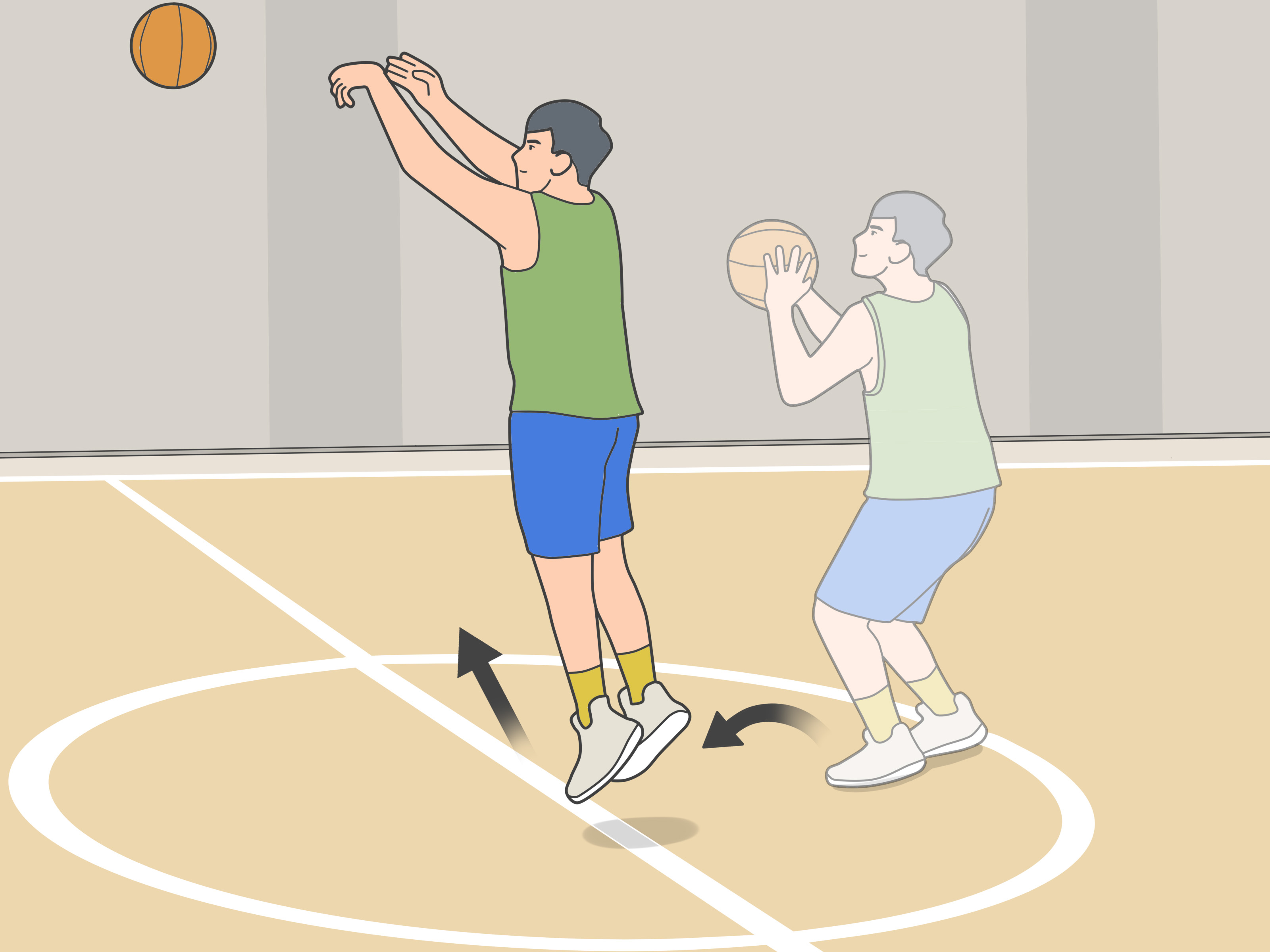
Shooting from deep is one of basketball’s most exciting skills. Nothing makes a defender panic faster than a player who casually steps behind the three-point line and looks comfortable enough to launch from the parking lot. But here is the truth: shooting far in basketball is not about having superhero arms, copying Stephen Curry’s pregame routine, or yelling “Kobe!” every time the ball leaves your hand. It is about clean mechanics, smart power, and patient practice.
If your long-range shot currently looks like a chest pass wearing a disguise, do not worry. Most players struggle with distance because they try to force the ball with their arms instead of using their whole body. A deep basketball shot should feel smooth, connected, and balanced. The power starts at the floor, travels through the legs and hips, flows through the core, and finishes with a relaxed wrist snap. When that chain works, the ball feels lighter. When it does not, the rim starts looking like it moved three zip codes away.
This guide breaks down 3 simple ways to shoot far in basketball without wrecking your form. You will learn how to use your legs for power, build a smoother one-motion shot, and increase your shooting range step by step. Whether you are trying to become a reliable three-point shooter, extend your range for game situations, or simply stop air-balling in front of your friends, these tips will help you shoot farther with better control.
Why Shooting Far Feels So Hard
Before fixing your long-range shot, it helps to understand why it falls short. Many players assume they are “not strong enough,” but strength is only part of the story. A player with average strength and excellent mechanics can often shoot farther than a stronger player with poor rhythm. Basketball shooting is a skill of timing, balance, touch, and energy transfer.
When you shoot close to the basket, small mistakes are easier to hide. You can flick the ball with your wrist, use a little extra arm, or release slightly off-balance and still make the shot. But the farther you move from the hoop, the more those tiny mistakes become giant neon signs. A slow release, weak leg drive, low arc, stiff shoulders, or poor foot alignment can turn a normal three-pointer into a tragic documentary titled The Ball Never Had a Chance.
The good news is that long-range shooting can be trained. You do not need to overhaul everything overnight. In fact, you should not. The best way to increase basketball shooting range is to improve a few key details, then repeat them until they feel natural.
Way 1: Use Your Legs Like a Power Source
If you want to shoot far in basketball, your legs must do more than stand there looking athletic. Your lower body is the engine of your shot. Your arms guide and finish the ball, but your legs provide much of the upward force that gets the ball to the rim.
Start With a Balanced Base
Set your feet about shoulder-width apart, with your weight balanced on the balls of your feet. Your shooting-side foot can be slightly ahead of the other foot if that feels natural. The goal is not to look like a statue in a basketball textbook. The goal is to feel balanced, springy, and ready to rise.
For right-handed shooters, having the right foot slightly forward often helps align the shooting hip, shoulder, elbow, and hand. Left-handed shooters can do the same with the left foot. This slight turn can make the shot feel smoother and reduce tension in the upper body.
Bend Your Knees, But Do Not Squat Like You Lost a Contact Lens
A common mistake is bending too much. Players drop into a deep squat, pause, and then try to explode upward. That creates a slow, heavy shot. Instead, use a comfortable knee bend that helps you load power quickly. Think of your legs like springs, not elevator doors.
The farther you shoot, the more important the timing of your leg drive becomes. Your knees bend as the ball dips or loads, then your legs extend as the ball rises into the release. The motion should feel connected. If your legs jump first and your arms shoot late, the shot loses power. If your arms fire before your legs help, the ball comes up short.
Let the Power Travel Upward
Long-distance shooting works best when the body moves in one efficient direction: up and toward the rim. Avoid leaning backward, fading sideways, or throwing your shoulders forward. Those movements waste energy and make accuracy harder.
A simple cue is: down together, up together. As the ball lowers into your shooting pocket, your knees load. As the ball rises, your legs extend. When your body moves as one unit, your long-range shot feels less like a desperate heave and more like a normal jumper with extra horsepower.
Leg-Power Drill: Form Shots to Step-Back Range
Start close to the basket, about five feet away. Shoot five clean shots using your normal form. If the ball feels smooth and balanced, take one step back. Repeat the process. Keep moving back only when your shot form stays the same. The moment you start pushing with your arms, leaning backward, or changing your release, move closer again.
This drill teaches your body to connect leg power with shooting touch. It also prevents the classic mistake of practicing shots from too far away before your mechanics are ready. That is like trying to drive on the highway before learning which pedal is the brake. Technically possible, emotionally unwise.
Way 2: Build a Smooth One-Motion Shot
The second simple way to shoot farther is to remove unnecessary stops from your shooting motion. A long-range shot needs rhythm. If the ball pauses near your forehead, shoulder, or chest, you lose energy. Then your arms have to work overtime to restart the ball. That is when shots become flat, forced, and inconsistent.
What Is a One-Motion Shot?
A one-motion shot is a smooth shooting action where the ball moves from the catch or dip into the release without a major pause. It does not mean every shooter must look identical. Some players release higher, some lower, some quicker, some more deliberate. But strong long-range shooters usually share one thing: the ball keeps moving.
For deep shots, this matters because the energy from your legs needs to meet the upward movement of the ball. When that timing clicks, distance becomes easier. When the ball stops, your power leaks away like air from a sad birthday balloon.
Keep the Ball in Your Shooting Pocket
Your shooting pocket is the place where the ball naturally loads before going up into the shot. For many players, it is around the waist, hip, or lower chest area. The exact location depends on your body and shooting style, but it should allow a quick, comfortable rise into the release.
If your shooting pocket is too far away from your body, you may push the ball forward. If it is too low, your release may become slow. If it is too high, you may lose leg power. Experiment during practice, but keep the main idea simple: the ball should move smoothly from the pocket to the rim.
Relax Your Shoulders and Guide With Your Shooting Hand
Many players tense up when they move farther from the hoop. Their shoulders climb toward their ears, their elbows flare, and their guide hand starts doing suspicious things. Tension kills touch. A good far shot should still feel relaxed through the arms and hands.
Your shooting hand should be under and slightly behind the ball. Your guide hand helps balance the ball but should not twist or push it. At release, your wrist snaps naturally and your fingers point toward the rim. A clean follow-through gives the ball better backspin and direction.
Use Arc, Not Brute Force
A flat shot has less room to drop through the rim. When players shoot from far away, they often push the ball forward instead of sending it up. That may get the ball closer to the basket, but it usually creates a hard, low shot that bounces off like the rim owes it money.
Think “up and out,” not just “far.” A higher arc gives the ball a better entry angle. You do not need to shoot the ball into the rafters, but your long-distance shot should still climb before it descends. If your shot is consistently short and flat, focus on finishing higher with your elbow extended and your wrist relaxed.
One-Motion Drill: Chair Dip and Rise
Stand a few feet from the basket or even shoot into the air without a hoop. Hold the ball in your shooting pocket. Dip slightly with your knees, then let the ball rise as your legs extend. Focus on making the motion smooth from bottom to top. Do not pause. Do not hitch. Do not suddenly launch the ball like you are trying to clear a fence.
After ten smooth reps, shoot close-range shots with the same rhythm. Then gradually move back. This drill helps you feel how your lower body and upper body work together.
Way 3: Extend Your Range Gradually
The fastest way to ruin your shot is to practice too far from the basket too soon. Players want to shoot NBA-range threes before they can make ten clean mid-range jumpers in a row. That is like trying to cook a five-course meal when your specialty is burning toast.
To shoot far in basketball, you need a range-building plan. Your body must learn how to add distance without changing the form that makes you accurate.
Find Your Current Comfortable Range
Your comfortable range is the farthest spot where you can shoot with proper form, good balance, and consistent arc. It is not the farthest place where you can occasionally throw the ball in after six tries and a prayer. Be honest. Your real range is where your mechanics still look good.
Start at the basket and move outward. Shoot from short range, mid-range, free-throw range, and then beyond. Pay attention to when your shot changes. Do you start pushing? Does your guide hand take over? Do your feet drift? Does your release become slower? That spot tells you where your current training range should begin.
Use the One-Step-Back Rule
Once you can make shots with clean form from one distance, take one step back. Not five steps. Not half court. One step. This small progression allows your body to adjust while protecting your mechanics.
For example, make seven out of ten from 12 feet with good form. Then move to 13 or 14 feet. If you still shoot smoothly, move back again. If your form breaks, move closer. The rule is simple: earn your range.
Practice Game-Speed Shots
Long-range shooting in an empty gym is helpful, but games are rude. Defenders close out, your heart rate jumps, your feet are moving, and the ball arrives from different angles. To become a better deep shooter, practice shots that feel like real basketball.
Work on catch-and-shoot threes, one-dribble pull-ups, shots after a pass, and shots after moving around the perimeter. Use the same mechanics every time: balanced feet, leg power, smooth rise, high finish. The goal is to make your shot portable, not just pretty when nobody is watching.
Track Makes, Not Just Attempts
Taking 300 shots sounds impressive, but 300 lazy shots can build 300 bad habits. Track your makes from different spots. Write down your results. A simple notebook or notes app can reveal patterns fast. Maybe your right-corner three is strong, but your left wing shot needs help. Maybe you shoot better after stepping into the ball than standing still. Data is not just for coaches with clipboards and intense eyebrows.
Quality reps matter more than random volume. Aim for focused shooting sessions where every shot has a purpose. If your form gets tired, take a break. Fatigue can teach your body ugly habits if you keep launching shots after your mechanics collapse.
Common Mistakes That Keep Players From Shooting Far
Mistake 1: Pushing With Two Hands
Your guide hand is not supposed to be a second shooting hand. If the ball spins sideways, your guide hand may be interfering. Practice one-hand form shooting close to the rim to rebuild touch and release control.
Mistake 2: Leaning Back
Leaning backward makes the shot harder because your energy moves away from the basket. Stay balanced and let your legs drive upward. If you fade, do it because the game requires it, not because your normal shot is running from responsibility.
Mistake 3: Starting Too Far Out
If your three-pointer looks completely different from your mid-range shot, you are probably too far away. Move closer and rebuild. Distance should be added only when your form can handle it.
Mistake 4: Shooting Flat
Flat shots often come from pushing the ball or releasing with tension. Finish high, extend your arm, and let the wrist snap naturally. Good arc gives the ball a friendlier path to the rim.
Mistake 5: Ignoring Footwork
Your shot starts before the ball reaches your hands. Prepare your feet early. Step into the catch with balance. A clean base makes the upper body’s job much easier.
A Simple Weekly Practice Plan for Shooting Farther
You do not need a complicated training system to improve your shooting range. Try this simple three-day plan and adjust based on your skill level.
Day 1: Form and Power
Start with 25 close-range form shots. Then take 50 mid-range shots focusing on leg drive and smooth rhythm. Finish with 30 one-step-back range shots, moving back only when your form stays clean.
Day 2: Range Progression
Begin near the basket and move back one step after every five makes. If you miss because of poor form, move closer. Finish by shooting from your current comfortable three-point range, not your fantasy range.
Day 3: Game Shots
Practice catch-and-shoot threes, shots after one dribble, and shots after movement. Track your makes from five spots: corners, wings, and top of the key. End with free throws to train focus while tired.
of Real-World Experience: What It Feels Like to Learn to Shoot Far
Learning to shoot far in basketball is humbling. At first, you may feel strong in your driveway, then step onto a real court and realize the three-point line has been personally disrespectful to you. The first few weeks can feel awkward because your body wants to solve distance by using more arms. That is natural. When the rim is farther away, your brain says, “Throw harder!” Good shooting says, “Move better.”
One of the biggest experiences players notice is that the ball feels different when the legs are involved. A shot powered mostly by the arms feels heavy. You feel the effort in your shoulders and chest. After several attempts, your release gets stiff, and the ball starts coming off your hand like a brick with ambition. But when the legs load and rise at the right time, the ball feels surprisingly light. It leaves the hand with less panic. You are not forcing distance; you are transferring energy.
Another common experience is discovering that “far” is not one distance. Your range changes based on fatigue, footwork, confidence, and rhythm. You might shoot well from deep during warmups, then come up short after sprinting for five minutes. That does not mean your shot is broken. It means your conditioning and mechanics need to meet each other. Game shooting is different from casual shooting. In a game, your feet must organize quickly, your eyes must find the rim, and your release must stay calm even when a defender is charging at you like they heard you insulted their sneakers.
Players also learn that small details matter. Turning the feet slightly can reduce tension. Catching the ball with knees already loaded can speed up the shot. Holding the follow-through can reveal whether the shooting hand is straight. Tracking makes can show which spots are reliable and which spots are just vibes. These tiny discoveries are part of becoming a shooter.
The most useful lesson is patience. Many players want to extend range in one workout. They shoot from deeper and deeper spots until their form falls apart, then wonder why their normal shot feels worse the next day. Better shooters build range like stacking bricks. First, own close shots. Then own mid-range. Then own the high school three. Then expand beyond it. Each new distance should feel like a stretched version of the same shot, not a new invention.
Confidence grows when practice is honest. If you can make five clean threes in a row from your comfortable range, that builds real belief. If you make one lucky deep shot after missing nine, that builds a highlight clip in your imagination but not much else. The best experience is when the ball starts reaching the rim without extra strain. That is when you know your mechanics are working. Suddenly, shooting far does not feel like a circus trick. It feels like basketball.
Conclusion
Shooting far in basketball becomes much easier when you stop treating distance as an arm-strength problem. The three simple ways are clear: use your legs for power, build a smooth one-motion shot, and extend your range gradually. These fundamentals help you shoot deeper without sacrificing accuracy, balance, or confidence.
Remember, your long-range shot should still look like your regular shot. If you have to lean backward, push with two hands, or launch the ball like a medieval catapult, move closer and rebuild. Great shooters earn their range through smart repetition, patient progress, and mechanics that hold up under pressure. Keep your base strong, your motion smooth, your follow-through relaxed, and your practice purposeful. The rim may still be far away, but it does not have to feel like another planet.