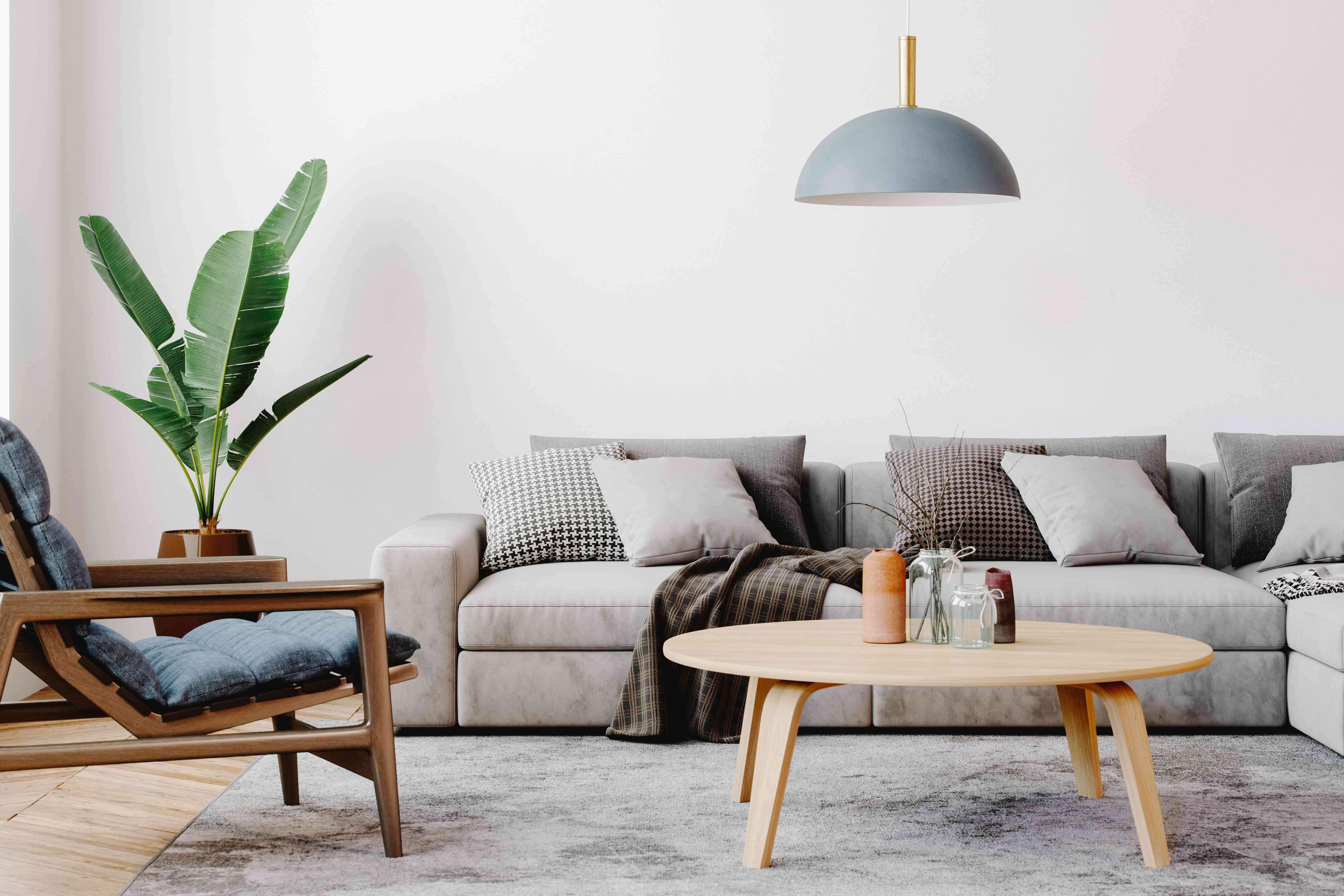
Your coffee table is tiny real estate with enormous emotional responsibility. It holds your coffee, your books, your remote controls, your candle that smells like “cozy cabin in Maine,” and, somehow, three receipts from stores you do not remember visiting. No wonder professional organizers pay attention to it. The coffee table is usually the visual center of a living room, which means even a small mess can make the whole space feel chaotic.
The good news? You do not need to become a minimalist monk or banish all personality from your home. A coffee table can be practical, beautiful, and lived-in without looking like a lost-and-found bin wearing a coaster. The secret is editing, grouping, and giving everyday items a real home.
Below are six common things that make your coffee table look cluttered, according to organizing and design principles used by professional organizers and interior stylists. More importantly, you will learn what to do instead so your living room looks calmer, cleaner, and ready for guestseven if the guests are just you, your blanket, and a streaming queue that asks, “Are you still watching?” Yes. Obviously.
Why the Coffee Table Gets Cluttered So Fast
The coffee table becomes messy because it sits at the intersection of comfort and convenience. It is close to the sofa, easy to reach, and flat. In home organization language, that makes it a “drop zone.” In regular human language, that means anything in your hand will probably land there.
Professional organizers often recommend keeping main surfaces as clear as possible because surfaces attract more stuff once the first item appears. One envelope becomes a mail pile. One remote becomes four remotes. One decorative bowl becomes a bowl full of batteries, hair ties, mystery screws, and the emotional weight of unfinished errands.
A clutter-free coffee table does not mean an empty coffee table. It means every item has a purpose: something useful, something beautiful, or something meaningful. If an item is none of those, it probably needs a different home.
1. Remote Controls and Loose Electronics
Remote controls are the classic coffee table clutter culprit. They are small, useful, and always needed exactly when they disappear into the sofa. But when several remotes, game controllers, chargers, earbuds, tablets, and random cords sit out together, the table starts to look more like a tech repair counter than a living room centerpiece.
Why It Looks Messy
Electronics create visual clutter because they come with awkward shapes, black plastic, tangled cords, flashing lights, and accessories that rarely look intentional. Even one charging cable can make a clean table feel unfinished. Add a laptop, tablet, and two controllers, and suddenly the vibe is less “stylish home” and more “someone is about to update firmware.”
What to Do Instead
Use a small decorative box, lidded basket, or drawer-style coffee table to hide electronics when they are not in use. A beautiful box can hold remotes, gaming accessories, earbuds, charging blocks, and screen cloths. The items stay close, but they stop shouting for attention.
If your coffee table has no storage, try a nearby side table drawer, media console, or slim basket tucked under the table. The best system is the one you will actually use. If the remote has to travel across the room, it will not. It will return to the coffee table like a tiny plastic boomerang.
2. Piles of Mail, Papers, and Receipts
Paper clutter may be the fastest way to make a coffee table look messy. A single envelope looks harmless. A few envelopes look urgent. A pile of envelopes looks like your coffee table is applying for a second job as an office desk.
Why It Looks Messy
Papers create clutter because they are thin, uneven, and easy to stack. Mail, receipts, school papers, coupons, magazines, instruction manuals, and delivery slips quickly form a layered mess. Worse, paper clutter often carries mental clutter. Every piece seems to whisper, “You should probably do something about me.” Rude, but accurate.
What to Do Instead
Create a paper landing zone somewhere other than the coffee table. Use a wall organizer, entryway tray, file basket, or small inbox near the door. Sort mail quickly into three categories: recycle, act on, and file. The key is not perfection; it is movement. Paper should not move from the mailbox to the coffee table and then retire there permanently.
For magazines, keep only the current issue or one attractive publication that you genuinely read. If magazines are stacked for “someday,” be honest: someday has had plenty of chances. Recycle old issues or store favorites in a magazine holder rather than letting them spread across the table.
3. Too Many Coffee Table Books
Coffee table books are beautiful. They add height, texture, personality, and a nice little signal that says, “I am cultured, but in a relaxed way.” However, too many books can turn a styled surface into a miniature library sale.
Why It Looks Messy
Books look intentional when they are edited. They look cluttered when they cover the entire table, lean in multiple directions, or compete with every other object nearby. Large books are visually heavy, so stacking too many makes the table feel crowded even if everything is technically neat.
What to Do Instead
Choose two to five books, depending on the size of your table. For a small table, one short stack may be enough. For a larger rectangular table, try two stacks with breathing room between them. Use books as a foundation for one small decorative object, such as a candle, bowl, or vase.
Pick books that reflect your interests: architecture, travel, photography, fashion, gardening, art, or local history. A coffee table should not look staged by someone who has never met you. It should look like your homejust edited enough that guests can set down a drink without negotiating with a tower of hardcover books.
4. Too Many Tiny Decorative Objects
Small decorative items are charming in theory. In practice, too many of them can make a coffee table look like a gift shop after a minor earthquake. Candles, figurines, crystals, bowls, beads, framed photos, mini plants, ceramic animals, and seasonal trinkets all compete for attention when displayed at once.
Why It Looks Messy
Lots of small items create visual noise. Your eye does not know where to land, so the whole table feels busy. Even expensive decor can look cluttered if there are too many pieces in similar sizes. Professional stylists often use variation in height, shape, and scale so a surface feels balanced instead of crowded.
What to Do Instead
Group small objects on a tray. This is one of the simplest organizer-approved tricks because a tray turns several items into one visual unit. Instead of seeing five separate objects, the eye sees one contained arrangement. It is the coffee table version of putting rowdy toddlers in a playpen.
Try the rule of three: one tall item, one medium item, and one low item. For example, a vase, a candle, and a small bowl can look polished without feeling overdone. Leave empty space around the grouping. Negative space is not wasted space; it is what makes your styling look intentional.
5. Scattered Coasters, Cups, and Everyday Leftovers
Coasters are useful. Cups are normal. Snack bowls happen. But when coasters are spread across the table, mugs linger overnight, and snack wrappers remain as tiny monuments to yesterday’s cravings, the coffee table quickly loses its charm.
Why It Looks Messy
Everyday leftovers make the table feel neglected. A coffee mug from this morning, a water glass from last night, and a popcorn bowl from a movie marathon tell a storybut not the one your living room wants to tell. These items are not decor; they are evidence.
What to Do Instead
Use stackable coasters and give them one permanent spot. A coaster set in a holder looks tidy and still protects the table. If you love entertaining, keep four coasters on a tray instead of spreading them like tiny landing pads.
For cups and dishes, build a reset habit. Before bed or before leaving the house, clear the coffee table. It takes less than two minutes and instantly makes the living room feel calmer. Think of it as making the bed for your sofa area. You do not need a cleaning montage. You just need one small routine.
6. Items That Are the Wrong Size for the Table
Sometimes the problem is not how many items are on the coffee table. It is that the items are the wrong size. A giant vase on a tiny table, an oversized tray covering every inch, or a large plant that blocks conversation can make the table look cramped even when it holds only a few things.
Why It Looks Messy
Scale matters. When decor is too large, the table looks overwhelmed. When everything is too small, the table looks scattered. A well-styled coffee table usually combines different heights and shapes while leaving enough open surface for real life.
What to Do Instead
Match decor to the table’s size and shape. On a round table, divide the surface into thirds and style each section lightly. On a rectangular table, create two or three zones: perhaps a book stack, a tray, and one natural element like flowers or a plant. On a square table, use a central anchor and keep the corners clear.
As a general rule, leave at least one-third of the table empty. That open space makes the whole arrangement look calmer and more expensive. It also gives you room for practical things, such as coffee, a snack plate, or your phone when you dramatically place it face down to pretend you are “unplugging.”
How to Style a Coffee Table Without Making It Look Cluttered
Once you remove the clutter, styling becomes much easier. The goal is not to create a museum display. The goal is to create a table that supports daily life while making the room feel pulled together.
Start With a Foundation
A tray, stack of books, or decorative bowl can serve as the foundation. This gives the table structure and prevents random objects from floating around visually. A tray is especially helpful for families, small spaces, and anyone who likes candles, remotes, and coasters but does not like chaos.
Add Height and Texture
Use one taller item, such as a vase with branches, a small plant, or a sculptural candleholder. Then add lower pieces like books, a dish, or a box. Mixing textureswood, glass, ceramic, fabric, metal, greenerymakes the arrangement feel layered without needing too many items.
Keep Function in Mind
A coffee table should still be usable. If you cannot set down a cup, play a board game, or put your feet up occasionally, the styling may be too precious. Good organization makes life easier, not more annoying. A beautiful table that cannot handle Tuesday night takeout is not a table; it is a very low altar.
A Simple 10-Minute Coffee Table Reset
If your coffee table is currently buried under modern life, do not panic. Here is a quick reset that works for most homes:
- Remove everything. Start with a blank surface so you can see the table again.
- Throw away trash. Receipts, wrappers, old tissues, and expired coupons do not need a farewell ceremony.
- Relocate items. Dishes go to the kitchen, papers go to the mail zone, electronics go to their storage spot.
- Choose your keepers. Pick one to three decorative elements and one or two practical items.
- Contain the small stuff. Use a tray, box, or bowl to group items neatly.
- Leave breathing room. Open surface area makes the table look clean and usable.
This method works because it is fast enough to repeat. Professional organizing is not only about big weekend overhauls. Often, the best systems are small habits that prevent clutter from becoming a full-time roommate.
Examples of Coffee Table Setups That Work
For a Small Apartment
Use one slim tray with remotes, coasters, and a candle. Add one small book or a low bowl. Avoid oversized vases or tall arrangements that make the table feel cramped. If storage is limited, choose a coffee table with a shelf or drawer.
For a Family Living Room
Use a durable tray, a lidded box for remotes, and a basket underneath for toys or blankets. Keep decor minimal and sturdy. A beautiful ceramic object is lovely until it meets a flying action figure. Choose pieces that can survive actual life.
For a Formal Sitting Area
Try two stacked books, a sculptural bowl, and fresh flowers. Keep the arrangement symmetrical or loosely balanced. This style works well in rooms used for conversation, reading, or hosting guests.
For a Cozy TV Room
Use a storage box for remotes, a coaster stack, and one candle or small plant. Keep the rest of the table open for snacks, drinks, and movie-night essentials. Comfort and order can absolutely share a sofa.
My Practical Experience: What Actually Keeps a Coffee Table Clutter-Free
In real life, coffee table organization only works when it respects how people actually live. A perfectly styled table can look beautiful in a photo, but if the household watches TV every night, drinks coffee every morning, and uses the living room as the main hangout space, the table needs more than pretty objects. It needs a system.
The biggest lesson is that clutter usually appears when items have no obvious home. If remotes do not have a box, they spread out. If mail has no basket, it lands on the nearest surface. If coasters do not stack neatly, they migrate like tiny wooden pancakes. The solution is rarely “try harder.” The solution is “make the right action easier.”
One of the most effective habits is the nightly reset. It does not need to be dramatic. No gloves, no playlist, no inspirational speech. Just take cups to the kitchen, toss trash, straighten the tray, and return anything that wandered onto the table. This tiny habit changes the feeling of the entire room the next morning. Walking into a living room with a clear coffee table feels like your home is politely saying, “Good morning, responsible adult.” Even if you are eating cereal from a mug.
Another useful experience is limiting decorative items by category. For example, choose one candle instead of four, one plant instead of three, and one stack of books instead of every design book you own. When everything is special, nothing gets noticed. Editing creates impact. A single beautiful vase has more presence when it is not surrounded by twelve nervous little objects competing for attention.
Trays are also more powerful than they look. A tray creates a boundary, and boundaries are magic in home organization. Without a tray, a candle, remote, coaster, and matchbox look like clutter. Inside a tray, the same items look styled. The tray tells the eye, “Do not worry, this is intentional.” That is basically the interior design version of wearing a blazer over a T-shirt.
Storage furniture can help, but it is not a cure-all. A coffee table with drawers is wonderful, but drawers can become clutter caves if they are not edited. Use small dividers or pouches inside drawers so batteries, chargers, remotes, and small accessories do not become one tangled mystery pile. Hidden clutter is still clutter; it is just wearing sunglasses.
Finally, the most realistic approach is to let the coffee table serve the room, not the other way around. If your household plays games, keep one favorite game nearby. If you read every evening, keep your current book on the table. If you entertain often, keep coasters accessible. A clutter-free coffee table is not about removing life from your living room. It is about removing the extras that get in the way of living well.
Conclusion
A cluttered coffee table can make an otherwise clean living room feel messy, but the fix is usually simple. Remove paper piles, hide electronics, edit books, group small decor, clear daily leftovers, and choose items that fit the table’s scale. These small changes create a surface that looks styled, functions well, and does not require constant fussing.
The best coffee table is not empty, sterile, or overly staged. It is intentional. It has room for beauty and room for real life. It can hold a cup of coffee, a good book, a remote control, and maybe one candle that makes your home smell like you have everything together. Even if the laundry in the next room knows the truth.