If weight loss had a mascot, soup would at least make the semifinal round. It is warm, comforting, flexible, and surprisingly good at helping people feel full without turning dinner into a calorie festival. That said, not every soup deserves a healthy halo. Some bowls are basically melted cheese in a sweater. Others are sodium bombs wearing a “light” label like a disguise from a low-budget spy movie.
The best soups for weight loss are the ones that do three things well: they fill you up, keep nutrition high, and keep calories reasonable. In plain English, that usually means broth-based soups, plenty of vegetables, a solid source of protein, and enough fiber to stop your stomach from sending dramatic text messages 45 minutes later.
Soup is not magic. It will not cancel out midnight cookies, weekend takeout marathons, or a lifestyle built entirely around “just one more snack.” But as part of a balanced eating pattern, the right soups can make weight management feel easier, more satisfying, and a lot less cranky.
Why soup can actually help with weight loss
One big reason soup works so well is volume. Broth, vegetables, beans, and lean proteins create a meal that takes up space in your stomach without piling on calories as quickly as denser foods. That is why many people feel surprisingly satisfied after a bowl of vegetable soup, lentil soup, or chicken soup, even when the calorie count is moderate.
Another advantage is pacing. Soup is naturally slower to eat than many grab-and-go meals. You sip, scoop, pause, and blow on the spoon because your tongue would prefer not to be burned off. That slower rhythm gives fullness cues time to catch up. In a world of speed-eating at desks and inhaling dinner while scrolling, soup is basically a tiny intervention.
There is also the nutrient-density factor. A good soup makes it easy to load up on vegetables, beans, lentils, herbs, and lean protein in one bowl. That means you can get fiber, vitamins, minerals, and protein without needing a six-item meal prep container that makes your fridge look like a science project.
The catch is simple: the soup has to be built well. A bowl based on heavy cream, lots of butter, processed meats, or giant handfuls of cheese may still be delicious, but it is not the daily MVP if your goal is sustainable fat loss.
What makes a soup weight-loss-friendly?
1. A broth or light blended base
Broth-based soups are usually lower in calorie density than cream-based soups. Blended vegetable soups can also work beautifully if the creaminess comes from vegetables, beans, or a small amount of yogurt instead of a full dairy stampede.
2. Plenty of vegetables
Non-starchy vegetables add bulk, fiber, and nutrients with relatively few calories. Think tomatoes, carrots, celery, zucchini, spinach, kale, mushrooms, cabbage, onions, broccoli, cauliflower, and green beans.
3. A real protein source
Protein helps soup stick with you. Chicken breast, turkey, beans, lentils, split peas, tofu, edamame, or Greek yogurt swirled in at the end can all do the job. Soup without protein can still be healthy, but it is more likely to leave you rummaging through the pantry an hour later like a raccoon with goals.
4. Fiber that does some heavy lifting
Beans, lentils, split peas, barley, farro, and lots of vegetables help create staying power. Fiber is one of the reasons the best soups for weight loss tend to be humble classics rather than trendy “detox” concoctions.
5. Reasonable sodium and smart toppings
Even healthy soups can get derailed by too much sodium, giant portions of cheese, buttery croutons, or a cream swirl large enough to qualify as weather. Toppings are not banned, but they should act like backup singers, not the lead singer.
The best soups for weight loss
1. Lentil soup
If soups had a hall of fame, lentil soup would have a plaque near the entrance. Lentils bring fiber, plant protein, and a naturally hearty texture that makes a bowl feel like an actual meal. They also work with tons of flavor profiles, from Mediterranean to Indian-inspired to classic American vegetable soup.
A good lentil soup usually includes onions, carrots, celery, garlic, tomatoes, and spices, which means you are getting serious flavor without needing a lake of cream. Red lentils break down for a softer, thicker soup, while brown or green lentils hold their shape better. Either version can support weight loss because both are satisfying and nutrient-dense.
2. Minestrone
Minestrone is a smart choice because it combines vegetables, beans, broth, and often a modest amount of pasta or grains. In other words, it checks several boxes at once. It is high-volume, colorful, comforting, and easy to customize based on what is in your kitchen.
The best minestrone for weight loss is not overloaded with pasta. The pasta should be a supporting actor, not a method actor trying to take over the film. Beans and vegetables do most of the work here, which helps keep the bowl filling without making it overly heavy.
3. Chicken vegetable soup
Chicken soup earns its reputation for a reason. When made with skinless chicken breast or lean shredded chicken, lots of vegetables, and a broth base, it is a classic high-protein option that feels cozy without being calorie-dense.
The best version leans more heavily on vegetables and chicken than on noodles. A few noodles are fine, but if the bowl looks like pasta wearing a broth costume, it is not really playing the same game. For better staying power, add white beans, barley, or extra vegetables instead of doubling the starch.
4. Bean soup
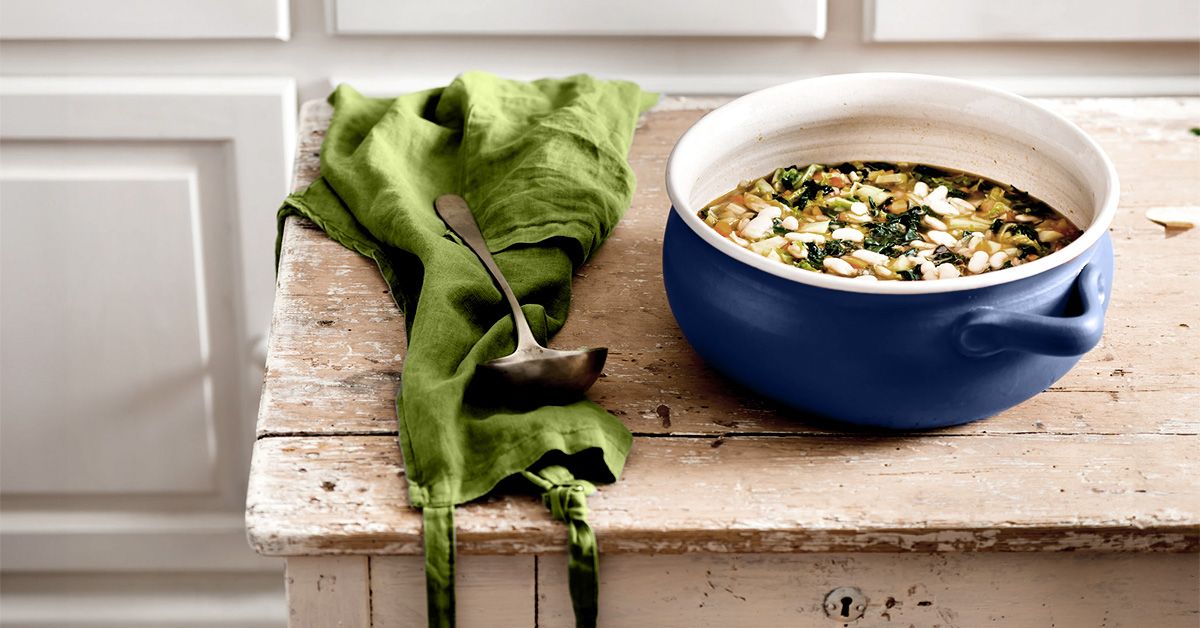
White bean soup, black bean soup, and mixed bean vegetable soup are all strong options for weight loss. Beans are affordable, filling, and versatile, and they help create a soup that feels rich and substantial even without much oil or cream.
White beans are especially useful because they can be blended into the soup to create a creamy texture naturally. That means you can get the cozy, velvety feel many people want from soup without leaning on heavy cream. It is basically a kitchen trick with excellent manners.
5. Tomato-based vegetable soup
Tomato soup can absolutely fit into a weight-loss plan, but the smarter versions are the ones with a tomato-and-vegetable base, not the ultra-creamy restaurant style that arrives tasting like grilled cheese’s best friend and your calorie budget’s worst enemy.
To make tomato soup more filling, pair the tomatoes with lentils, white beans, chickpeas, or shredded chicken. A plain bowl of tomato soup can be light but not always very satisfying. A fortified bowl is a different story. Add basil, garlic, red pepper flakes, and a little Parmesan, and suddenly it tastes like effort, even if it was mostly pantry work.
6. Broccoli soup with a light hand
Broccoli soup often gets judged because people picture a thick cheese-heavy version served in a bread bowl the size of a toddler. But lighter broccoli soup can be excellent for weight loss. Broccoli adds fiber and volume, and the soup can be made creamy with milk, Greek yogurt, cauliflower, or blended beans instead of a ton of cream.
The result is satisfying, comforting, and a nice option for people who want something creamy without going full restaurant indulgence. Just keep the cheese in a supporting role.
7. Split pea soup
Split pea soup is one of the most underrated bowls in the weight-loss world. It is thick, filling, naturally high in fiber, and usually loaded with staying power. Many versions rely on ham for flavor, but you can keep it lighter by using just a small amount for seasoning or skipping it entirely and leaning on garlic, onion, bay leaf, smoked paprika, and herbs.
Because split peas cook down into a rich texture, the soup feels deeply hearty even when it is made with simple ingredients. This is comfort food with practical shoes.
8. Vegetable soup with chickpeas or tofu
For plant-based eaters, a vegetable soup with chickpeas or tofu can be one of the best soups for weight loss. Chickpeas add protein and fiber, while tofu provides protein in a soft, easy-to-digest format that works especially well in broth-based soups.
The trick is not to make it too sparse. A watery broth with three lonely carrot slices and one cube of tofu is not a meal; it is an apology. Add mushrooms, greens, carrots, celery, onions, zucchini, and herbs so the soup has structure and real staying power.
Soups that seem healthy but can secretly slow you down
Not all soup is automatically a great weight-loss choice. Some common traps include:
- Heavy cream soups: Think loaded chowders, rich bisques, and restaurant-style creamy soups with lots of butter and cheese.
- Processed meat overload: Sausage-heavy soups can be delicious, but they can also drive up calories and sodium fast.
- Mostly starch, not much protein: Potato soup, noodle soup, or rice soup without protein or fiber can leave you hungry sooner.
- Store-bought sodium bombs: Some canned soups are convenient, but they can pack a lot of sodium into a single serving.
- Soup cleanses and fad soup diets: These are usually too restrictive, not very sustainable, and more dramatic than helpful.
This is where people get confused. They hear “soup is good for weight loss,” then choose the heaviest soup in the building and wonder why the scale is acting suspicious. The type of soup matters.
How to build the perfect soup for weight loss at home
If you want the formula, here it is: start with broth, add a mountain of vegetables, choose a protein, include a fiber-rich ingredient, and finish with bold flavor.
- Base: low-sodium chicken broth, vegetable broth, or a tomato base
- Vegetables: at least three or four kinds
- Protein: chicken, turkey, beans, lentils, split peas, or tofu
- Fiber booster: beans, lentils, barley, farro, or extra vegetables
- Flavor: garlic, onion, herbs, black pepper, lemon, vinegar, cumin, smoked paprika, chili flakes
This formula gives you a soup that tastes good, feels generous, and supports fullness. It also helps prevent the classic diet mistake of making food so “healthy” that you hate it by Wednesday.
The smartest way to use soup for weight loss
You do not need to eat soup for every meal, and you definitely do not need to start a cabbage-soup-only era. A smarter strategy is to use soup in ways that make your overall diet easier to manage.
For example, soup works well as:
- a light but satisfying lunch
- the first course before dinner
- a meal-prep staple for busy weekdays
- a comfort-food replacement on cold nights
- a way to rescue random vegetables before they become science fiction in the crisper drawer
It also helps to pair soup wisely. If your soup is light, add a side salad, fruit, or a small portion of whole-grain toast. If your soup already contains protein, beans, and grains, it may be enough on its own. The goal is satisfaction, not restriction.
And yes, store-bought soup can work. Just read labels, compare sodium, look for soups with vegetables and protein, and avoid options that are basically cream with branding. Convenience is not the enemy. Bad convenience is the enemy.
Conclusion
The best soups for weight loss are not the saddest ones, the trendiest ones, or the ones marketed like they were invented in a detox laboratory. They are the soups that quietly do the fundamentals well: lots of vegetables, enough protein, enough fiber, a broth or lighter base, and flavor that makes you actually want to eat them again.
Lentil soup, minestrone, chicken vegetable soup, bean soup, tomato-based vegetable soup, lighter broccoli soup, split pea soup, and hearty vegetable soups with chickpeas or tofu are all strong choices. They support fullness, make healthy eating feel easier, and prove that “comfort food” and “weight-loss-friendly” do not have to live in separate zip codes.
So no, soup is not a miracle. But it is one of the easiest, tastiest, and most practical tools for healthy weight management. Which, honestly, is a lot more useful than a miracle anyway.
Experiences: What real life with weight-loss-friendly soup actually feels like
In real life, people often discover that the best soups for weight loss are not exciting because they are trendy. They are exciting because they make ordinary days easier. A big pot of lentil soup or chicken vegetable soup can quietly solve the “what am I eating for lunch?” problem for three days in a row. That matters more than most diet hacks.
One common experience is surprise at how full soup can make you feel when it is built properly. People who are used to thinking of soup as a side dish often assume they will be hungry right away. Then they eat a bowl filled with lentils, beans, chicken, or lots of vegetables and realize they are actually satisfied. Not stuffed. Not sleepy. Just pleasantly full, which is a pretty underrated feeling.
Another common experience is realizing that soup can reduce decision fatigue. When a balanced soup is already in the fridge, it becomes easier to skip fast food or random snack meals. Instead of standing in the kitchen at 1 p.m. negotiating with a bag of chips and a leftover cookie, you heat up a bowl and move on with your life like the organized person you always claimed you were.
Many people also notice that soup helps on days when appetite feels unpredictable. A warm bowl can feel easier to eat than a giant cold salad, especially in winter or after a long day. That does not mean soup is the only healthy option, but it often feels more comforting and realistic. Healthy eating tends to work better when it feels like support, not punishment.
There are a few lessons people learn the hard way, too. One is sodium. A canned soup that looks innocent can leave you feeling puffy and thirsty if the salt content is sky-high. Another is that “creamy” can mean very different things. A creamy white bean and vegetable soup is one thing. A restaurant chowder with enough cream to moisturize a small village is another thing entirely.
People also learn that soup works best when it is part of a normal eating pattern, not a dramatic all-soup phase. Replacing one or two meals with balanced soup during the week can be practical. Replacing your whole personality with broth is less effective. Most sustainable success comes from repetition, not extremes.
And maybe the most relatable experience of all is discovering how flexible soup can be. One week it is minestrone. The next week it is tomato-white bean soup. Then it is chicken and barley, or split pea, or a vegetable soup loaded with whatever needs to be used before the produce drawer starts issuing warnings. That flexibility makes it easier to stick with, and anything you can stick with has a much better shot at actually helping.