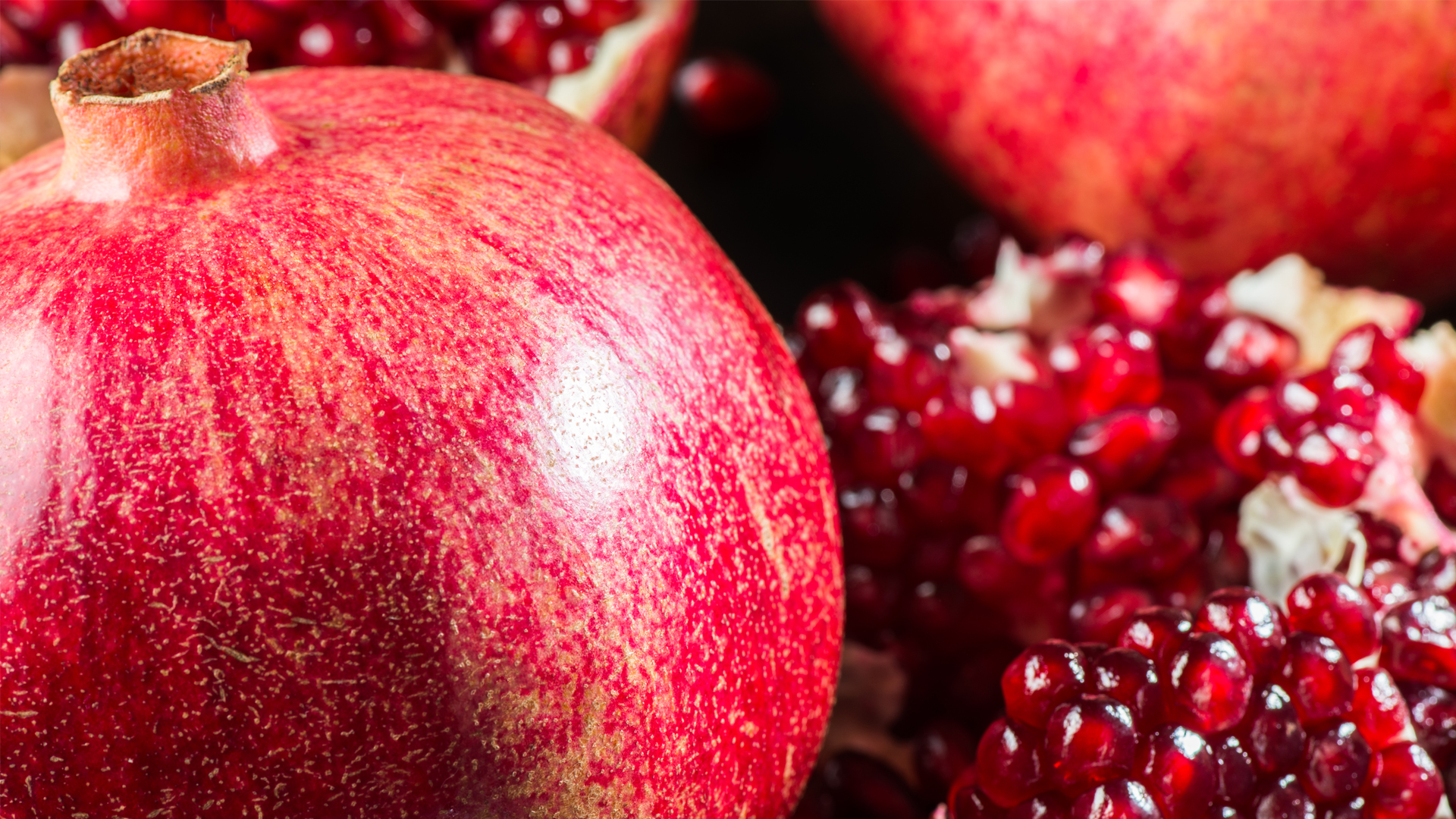
Pomegranates look like fruit designed by a jewel thief: dramatic red shell, hidden ruby arils, and just enough mystery to make a reasonable home cook whisper, “Do I need safety goggles for this?” The good news is that learning how to cut a pomegranate is much easier than its reputation suggests. The even better news: you can do it without turning your cutting board, shirt, and emotional stability bright crimson.
The secret is not brute force. Please do not attack the pomegranate like it owes you money. A clean, mess-free pomegranate method uses the fruit’s natural sections, a sharp knife, and sometimes a bowl of water. Once you understand where to cut, how deep to score, and how to loosen the arils, the whole process becomes surprisingly satisfying. It is less “kitchen crime scene” and more “tiny edible treasure hunt.”
This guide explains how to cut open a pomegranate, remove pomegranate seeds neatly, choose a ripe fruit, store the arils, avoid stains, and use those sweet-tart gems in everyday meals. Whether you want to sprinkle them over yogurt, toss them into salads, decorate desserts, or eat them by the handful while pretending you are very fancy, this step-by-step guide has you covered.
What Part of a Pomegranate Do You Eat?
The edible part of a pomegranate is the aril. Many people call them “pomegranate seeds,” but technically each aril is the juicy red casing around a small seed. You can eat the whole aril, seed and all. The texture is part juicy pop, part delicate crunch, and part “why did I ever buy boring snacks?”
The white membrane, also called pith, is not the prize. It is bitter, papery, and mostly there to separate the arils into natural chambers. The outer rind is also not something you eat. Your goal is simple: open the fruit with minimal damage, separate the arils from the pith, and keep the juice where it belongsinside the fruit or in your bowl, not on your ceiling.
How to Choose a Ripe Pomegranate Before Cutting
A mess-free cut starts before the knife ever comes out. Pick the right pomegranate and you will have an easier time opening it, better flavor, and more juicy arils.
Look for Weight, Not Perfect Beauty
A ripe pomegranate should feel heavy for its size. Weight usually means the arils inside are full of juice. Do not worry if the fruit is not perfectly round. In fact, slightly angular sides can be a good sign because plump arils may push against the rind from the inside.
Check the Skin
Choose a pomegranate with firm, taut, leathery skin. The color can range from pinkish red to deep ruby, depending on the variety, so do not judge ripeness by color alone. Avoid fruit with soft spots, mold, major cracks, or shriveled skin. A little surface scuffing is usually fine. Pomegranates are not entering a beauty pageant; they are entering your snack bowl.
Buy in Season When Possible
Pomegranates are most commonly associated with fall and winter in the United States. During peak season, they are easier to find, often more affordable, and usually more flavorful. If you spot a display in the produce section between autumn holidays and chilly-weather meals, that is your cue.
Tools You Need to Cut a Pomegranate
You do not need special gadgets. A pomegranate may look dramatic, but it does not require a culinary degree or a medieval fruit-opening device.
- A sharp paring knife or small chef’s knife
- A stable cutting board
- A large bowl
- Cool water, if using the water method
- A slotted spoon or small strainer
- Paper towels or a clean kitchen towel
- An apron, if you are wearing something white and feeling optimistic
A sharp knife is important because it lets you score the rind instead of sawing through the fruit. The goal is to cut the skin and pith, not slice deeply into the arils. Deep cuts release juice, and juice release is where the mess begins.
How to Cut a Pomegranate: The Easy, Mess-Free Method
This is the best all-purpose method for beginners. It respects the pomegranate’s natural structure, keeps juice splatter low, and makes it easy to remove the arils cleanly.
Step 1: Wash and Dry the Pomegranate
Rinse the pomegranate under cool running water and dry it well. Even though you are not eating the rind, your knife passes through the outside of the fruit. Washing first is a simple kitchen habit that helps keep things clean.
Step 2: Slice Off the Crown
Place the pomegranate on a stable cutting board. At the top, you will see the crown, the little blossom end that looks like a tiny royal hat. Use your knife to cut a shallow circle around it or slice off a thin cap from the top. Do not cut too deep. You only need to expose enough of the inside to see the white lines of membrane.
If you can see the pith radiating from the center like spokes on a wheel, congratulations. The fruit has just shown you exactly where it wants to be opened.
Step 3: Score Along the Natural Ridges
Look for the raised ridges or lines on the outside of the fruit. These usually line up with the internal white membranes. Using your knife, make shallow vertical cuts from top to bottom along those ridges. Aim for about five or six sections.
Here is the key: score the rind, but do not cut all the way through the fruit. Think of it like opening a cardboard box carefully instead of stabbing the contents. The arils are the contents. They are delicious. Protect them.
Step 4: Pull the Pomegranate Apart
Hold the scored pomegranate over a large bowl. Use your thumbs to gently pry the sections apart. If you scored along the membranes, the fruit should open into wedges with very little drama. If it resists, score a tiny bit deeper along the same lines and try again.
At this point, you can remove the arils over a dry bowl, but for the cleanest option, move to the water method below.
The Water Method for Removing Pomegranate Seeds
The water method is the mess-free hero of pomegranate prep. It helps reduce splatter, keeps your fingers cleaner, and makes separating arils from pith almost ridiculously easy.
Step 1: Fill a Bowl With Cool Water
Use a large mixing bowl and fill it with enough cool water to submerge the pomegranate sections. You do not need ice water. Regular cool water is fine.
Step 2: Submerge the Sections
Place the pomegranate wedges into the water. Working underwater, gently bend each section backward and use your fingers to loosen the arils. The water helps catch the juice and keeps the little red gems from launching across the kitchen like fruity confetti.
Step 3: Let Nature Sort the Bowl
One of the nicest parts of this method is that the arils usually sink, while pieces of white membrane float. Skim the floating pith from the top with a slotted spoon. Then drain the arils through a strainer.
Step 4: Dry the Arils
Spread the arils on a paper towel or clean kitchen towel and pat them dry. This step matters if you plan to use them in salads, desserts, grain bowls, or chocolate bark. Wet arils can make toppings slide around like they are auditioning for a tiny fruit ice rink.
Alternative Method: The Spoon-Tapping Technique
Some cooks like to cut the pomegranate into sections, hold each wedge over a bowl, and tap the rind with a wooden spoon to release the arils. This can work, especially with ripe fruit, but it is not always the cleanest method. If you tap too aggressively, juice may splatter. If you tap too gently, nothing happens except you look like you are politely applauding a fruit.
The spoon method is best when you already know your pomegranate is ripe and the arils are loose. For beginners, the water method is more forgiving and easier to control.
Common Mistakes When Cutting a Pomegranate
Mistake 1: Cutting Straight Through the Middle
Cutting a pomegranate in half like an orange is the fastest way to slice through arils and release juice. It works, technically, but it is messy. Scoring along the natural sections keeps more arils intact.
Mistake 2: Using a Dull Knife
A dull knife forces you to press harder, which can crush the fruit. Use a sharp knife and shallow cuts. Less pressure means less splatter.
Mistake 3: Wearing White
Can you cut a pomegranate while wearing a white shirt? Yes. Should you? That depends on your relationship with risk. Pomegranate juice can stain fabric, counters, and cutting boards if left too long. Wear an apron or choose clothing that has already accepted the realities of cooking.
Mistake 4: Rushing the Arils
Be gentle when loosening the arils. If you scrape hard, you may crush them. A slow thumb roll works better than clawing at the fruit like you are trying to win a race against lunch.
How to Avoid Pomegranate Stains
Pomegranate juice is bold, beautiful, and highly interested in becoming a permanent part of your kitchen decor. To avoid stains, work over a bowl, wipe spills right away, and rinse tools soon after use. If juice hits a cutting board, wash it quickly with warm, soapy water.
For fabric, blot the stain instead of rubbing it. Rubbing can push the juice deeper into the fibers. Rinse with cold water as soon as possible, then treat according to the care label. The sooner you act, the better your chances. Pomegranate juice waits for no laundry schedule.
How to Store Pomegranate Arils
Fresh pomegranate arils are best stored in an airtight container in the refrigerator. For the best texture and flavor, use them within a few days. Whole pomegranates last much longer than loose arils, especially when refrigerated, so avoid opening more fruit than you plan to use soon.
You can also freeze pomegranate arils. Spread them in a single layer on a parchment-lined baking sheet and freeze until firm. Then transfer them to a freezer-safe bag or container. This keeps them from freezing into one giant ruby-colored brick. Frozen arils are excellent for smoothies, sauces, cocktails, mocktails, and quick toppings.
How to Use Fresh Pomegranate Seeds
Once you know how to cut a pomegranate, the real fun begins. Pomegranate arils add color, crunch, acidity, and sweetness to all kinds of dishes. They make food look expensive even when dinner is mostly leftovers and optimism.
Breakfast Ideas
Sprinkle arils over Greek yogurt, oatmeal, chia pudding, smoothie bowls, waffles, or pancakes. Their sweet-tart flavor balances creamy and rich foods beautifully. A bowl of yogurt with honey, walnuts, and pomegranate arils looks like a café breakfast but takes about two minutes.
Salad and Grain Bowl Ideas
Add pomegranate arils to spinach salad, kale salad, roasted beet salad, couscous, quinoa bowls, wild rice, or farro. They pair especially well with feta, goat cheese, pistachios, walnuts, mint, citrus, roasted squash, and peppery greens.
Dinner Ideas
Use pomegranate arils as a finishing touch for roasted chicken, lamb, salmon, pork tenderloin, or roasted vegetables. They bring brightness to savory dishes and help cut through richness. Think of them as edible punctuation marks: small, colorful, and surprisingly powerful.
Dessert Ideas
Pomegranate arils are wonderful on pavlova, cheesecake, chocolate mousse, rice pudding, fruit salad, ice cream, and dark chocolate bark. Their tartness keeps sweet desserts from becoming too heavy.
Can You Juice a Pomegranate After Cutting It?
Yes. Once you have removed the arils, you can pulse them briefly in a blender and strain the mixture through a fine-mesh sieve. Do not over-blend, or the tiny seeds may make the juice taste slightly bitter. You can also crush arils gently in a zip-top bag and strain the juice.
Fresh pomegranate juice is great in sauces, marinades, salad dressings, mocktails, cocktails, and glazes. It is tart, intense, and beautifulbasically the drama queen of the juice world, but in a productive way.
Experience Notes: What Actually Helps in a Real Kitchen
After cutting enough pomegranates, you learn that the best method is not always the fanciest one. It is the one you will actually use on a busy weekday when dinner is happening, someone is asking where the forks are, and the cutting board is already crowded. The water method wins because it lowers the stakes. Instead of worrying about juice splatter, you can relax and work slowly. The bowl does most of the damage control for you.
One practical habit that makes a big difference is setting up the workspace before cutting. Put the bowl on the counter, place a towel nearby, and have a trash bowl ready for the rind and membrane. This sounds small, but it prevents the classic pomegranate shuffle: sticky hands, open cabinet, dripping wrist, mild regret. A tidy setup turns the process into a calm little routine.
Another useful lesson is to trust the pomegranate’s internal map. When you cut off the crown and see those white membrane lines, follow them. The fruit is practically giving you dotted lines. Cutting randomly creates broken arils and more juice. Scoring along the ridges keeps the sections intact and makes the arils easier to loosen.
If you are prepping pomegranate for guests, cut and seed it earlier in the day. Store the arils in the refrigerator, then sprinkle them on dishes right before serving. This keeps them fresh and glossy. Pomegranate arils are one of the easiest ways to make a dish look intentional. A plain green salad suddenly becomes holiday-worthy. A simple bowl of hummus looks restaurant-level. Roasted carrots become “seasonal.” It is a powerful little fruit.
For kids or first-time pomegranate eaters, serve the arils in a small bowl with a spoon. The juicy pop is fun, and the flavor is less intimidating when it is not hidden inside a strange red orb. For adults who claim they do not like fruit in savory food, try pomegranate with salty cheese, toasted nuts, and herbs. The combination usually changes minds faster than a lecture about antioxidants ever could.
One more real-world tip: do not open a pomegranate when you are already annoyed. This fruit rewards patience. Put on music, use the water method, and let the arils sink while the pith floats. It is oddly satisfying, almost meditative. By the end, you have a bowl of bright red arils and the small but real feeling that you have conquered something ancient and slightly dramatic.
And if a few drops of juice still escape? That is fine. Cooking is not a museum. Wipe them up, admire your ruby pile of arils, and enjoy the fact that you now know how to cut a pomegranate without turning your kitchen into a fruit-based warning label.
Conclusion
Learning how to cut a pomegranate is all about working with the fruit instead of against it. Choose a heavy, firm pomegranate, slice off the crown, score along the natural ridges, gently pull it into sections, and remove the arils in a bowl of water for the cleanest results. The arils sink, the bitter membrane floats, and your kitchen stays refreshingly unchaotic.
Once you master this easy pomegranate cutting method, you can use fresh arils in breakfasts, salads, grain bowls, roasted meats, desserts, drinks, and snacks. They add color, crunch, sweet-tart flavor, and a little sparkle to almost anything. Mess-free, delicious, and slightly glamorousthat is the kind of kitchen skill worth keeping.
Note: This article is original, web-ready content synthesized from reputable U.S. cooking, produce-handling, nutrition, and food storage guidance, with no source links included per publishing requirements.