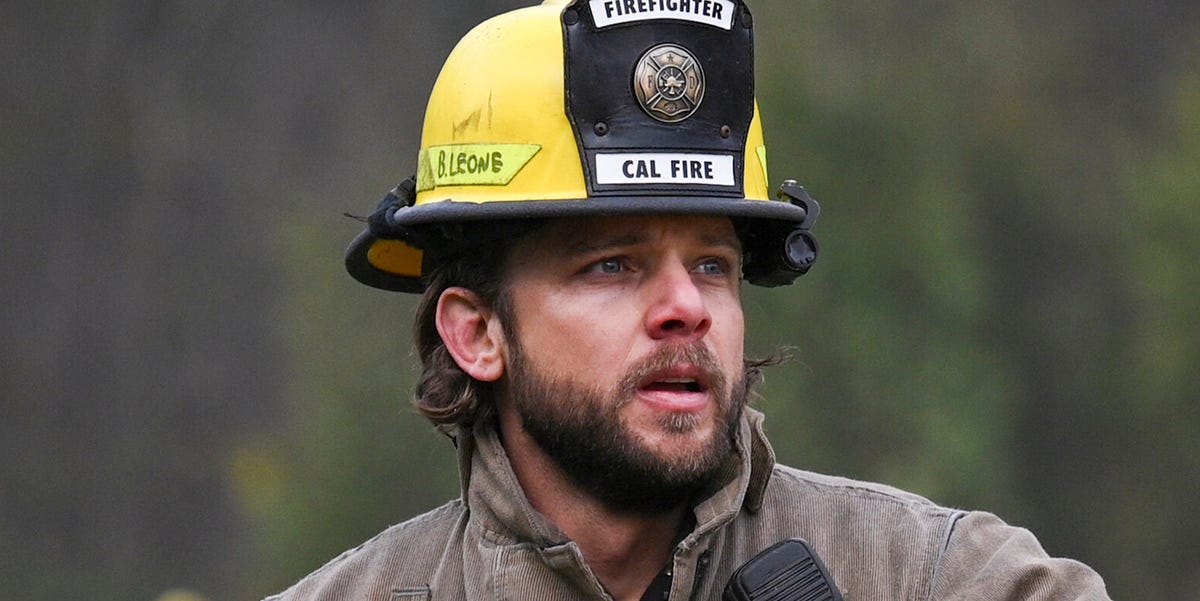
If you have been watching Fire Country with one eye on the flames and the other on CBS’s renewal board, good news: this series is not merely surviving. It is expanding, evolving, and behaving like a show that fully expects to keep its boots on television soil for a while. In a TV landscape where even solid dramas can suddenly vanish like a marshmallow dropped too close to a campfire, Fire Country has done something much more impressive. It has turned itself into a genuine franchise story.
That is the real headline behind all the recent buzz about the CBS drama. Yes, Fire Country has more episodes ahead. Yes, fans have more chaos, rescue missions, family friction, and heroic squinting into smoke to look forward to. But the bigger story is that the show’s future now looks larger than a single season pickup. With another renewal, an active spinoff, a crossover event, and some meaningful creative changes behind the scenes, Fire Country is no longer just a hit Friday-night drama. It is becoming one of CBS’s clearest signs that broadcast TV still knows how to build a world audiences want to live in.
The Big News: Fire Country Has More Than Momentum
The most exciting update about Fire Country’s TV future is simple on the surface and huge underneath: the series is officially moving forward with Season 5. That alone is a strong sign of confidence from CBS, especially in an era when networks love a hit but hate commitment. A fifth season means the network is not treating this show like a temporary ratings win. It is treating it like a dependable pillar.
And frankly, that tracks. Fire Country has become the kind of drama broadcasters dream about. It has action, family conflict, redemption arcs, romance, moral tension, and enough wildfire spectacle to keep promo editors gainfully employed for years. Better yet, it blends old-school network appeal with modern streaming-friendly binge value. One episode says, “Tune in Friday at 9.” Ten episodes in a row say, “Well, there goes my weekend.”
That renewed confidence did not appear out of thin smoke. CBS had already renewed the show for Season 4 before doubling down again for Season 5. In other words, the network has now shown repeated faith in the series, not just a one-time vote of support. When a broadcaster keeps saying yes, that matters. When it also starts building related shows around the original, that matters even more.
Why CBS Is Still Betting Big on Fire Country
There is a practical reason Fire Country keeps getting good news: people are actually watching it. That may sound obvious, but in television, “people seem to like it” and “the network can measure a real audience across platforms” are two very different things. Fire Country has given CBS both.
The series has posted strong multiplatform viewership, and that matters because television math is no longer just about who was parked on the couch at 9 p.m. on Friday. It is about delayed viewing, streaming, catch-up behavior, and the ability to keep a show alive in conversation after broadcast. Fire Country has managed that balancing act unusually well. It performs as a network drama, but it also behaves like a title people want to continue with on streaming.
That combination is gold. It means the show is not trapped in one viewing habit or one demographic lane. Older broadcast viewers can follow it weekly, while younger or time-shifted viewers can pick it up later without feeling lost. The setup is also accessible enough for new viewers to jump in. A redemption-seeking firefighter with a complicated past? That is a pitch even distracted remote-control thumb-scrollers can understand.
CBS also appears to understand that Fire Country fits beautifully into its brand strategy. The network has long thrived on procedural engines, emotionally legible characters, and worlds that can keep generating stories season after season. Fire Country checks all those boxes, then adds an extra layer of physical urgency. Fires spread. Families crackle. Secrets explode. Someone gives a meaningful look while ash floats dramatically through the air. Television, baby.
The Show Is Not Just Returning. It Is Expanding.
Here is where the “TV future” part gets especially interesting. Fire Country is no longer standing alone. The series has already expanded into Sheriff Country, a spinoff that proves CBS sees the original not as a one-off success, but as the center of a broader entertainment universe. That move says a lot.
Networks do not build spinoffs around shrinking properties. They build them around shows with narrative flexibility, a recognizable tone, and enough audience investment to support new corners of the same world. Fire Country had all three. Edgewater became more than a backdrop. It became a place where fire crews, law enforcement, family feuds, and civic crises could all overlap naturally.
That is why the expansion feels organic instead of desperate. Sheriff Country is not just a random cousin invited to the franchise barbecue. It extends the same emotional map: public service, local identity, high stakes, and messy personal history. The result is a TV universe that can now stage bigger events, cross-show storytelling, and character intersections that make the original feel even more important.
The upcoming crossover between Fire Country and Sheriff Country only reinforces that point. Crossovers are one of television’s favorite ways to announce, “This is a franchise now, please adjust your expectations accordingly.” And when they work, they do more than create hype. They train audiences to think of the shows as part of one ongoing ecosystem. That is a major sign of long-term intent.
What the Franchise Growth Really Means
Let us translate the network language into normal human language: CBS thinks Fire Country can keep carrying Friday nights and help anchor a bigger programming strategy. That is why the future feels more exciting than a routine renewal headline suggests.
For fans, this means several things at once. First, the story world is not closing up shop anytime soon. Second, CBS clearly believes there is still plenty of creative territory left to explore. Third, the show has reached that rare point where its future is tied not only to whether Bode survives the next emergency, but also to whether the entire franchise keeps evolving around him.
This kind of growth can be especially powerful for a drama like Fire Country because its premise naturally supports both serialized emotion and case-of-the-week intensity. One week can focus on a dangerous rescue. The next can dig into family grief, loyalty, guilt, or personal reinvention. That flexibility keeps the engine fresh. It also makes future seasons feel plausible instead of padded.
In short, Fire Country is not getting dragged into the future. It is being escorted there by CBS with the confidence of a show that still has gas in the truck.
Season 5 Will Also Bring Change Behind the Scenes
Now for the part that makes longtime TV fans sit up straighter: the future is promising, but it is not static. Fire Country is also heading into a period of creative transition. That sounds scary if you have been emotionally damaged by other shows. Television history is filled with series that survived the fire only to trip over the hose. But in this case, the shift may actually be part of what keeps the show fresh.
The series is moving into Season 5 with a new showrunner, Eric Guggenheim, after Tia Napolitano’s departure. That is real change, and it matters. Showrunners are not decorative. They shape tone, pacing, character focus, and the overall sense of what kind of show audiences are watching.
Still, this development should not automatically trigger panic. In many cases, a later-season change in leadership can help a successful drama reset its energy, sharpen its priorities, and rethink story momentum. That may be especially useful for Fire Country right now, because the show is entering the next phase of its life. It is no longer introducing itself. It is deciding what kind of long-run hit it wants to be.
That question becomes even more relevant after cast shifts that have already changed the emotional makeup of the series. When a show loses major characters or moves foundational relationships around, it faces a choice: cling to what worked before, or reframe the future around what works now. The smartest series do the second thing. Based on the network’s continued investment, CBS seems to believe Fire Country can pull that off.
Why Viewers Keep Coming Back
A lot of TV dramas have emergencies. A lot of them also have love triangles, haunted protagonists, and stern authority figures who soften exactly three times per season. So why has Fire Country connected strongly enough to keep growing?
The answer is that the show has always offered more than spectacle. At its best, it mixes disaster storytelling with deeply personal stakes. The fires are external danger. The real hook is internal combustion. Bode is not just trying to put out flames; he is trying to rebuild a life. That emotional framework makes the series larger than its weekly crises.
There is also something inherently compelling about the show’s setting and social texture. Fire Country is rooted in work, community, and second chances. It understands that heroism can be messy, that family loyalty can feel like both a lifeline and a trap, and that redemption is rarely tidy. This gives the drama a sturdier emotional core than a standard action procedural.
In plain English: viewers come for the fire, stay for the feelings, and keep arguing about characters like they are extended cousins who owe them updates.
What Fans Can Reasonably Expect Next
Looking ahead, the safest expectation is not that Fire Country will stay exactly the same. It is that it will keep trying to widen its lane. Season 5 should continue the show’s larger franchise role while also defining its post-transition identity. That likely means more emphasis on strong ensemble storytelling, tighter links to the broader Country universe, and a renewed effort to prove the series can thrive after major character and creative shifts.
It also seems likely that CBS will continue using the show as part of a strategic Friday lineup. That matters more than it sounds. A stable network slot helps establish audience habits, and Fire Country has become one of the dramas that gives viewers a reason to show up. In television, routine is underrated. A reliable hit can keep a whole night from feeling like a garage sale of random content.
Meanwhile, the crossover event with Sheriff Country points toward a future where these shows can support one another rather than compete for attention. That is smart franchise management. It invites fans to spend more time in the same world without asking them to emotionally start over with each new title.
So yes, the exciting news about Fire Country’s TV future is that it has been renewed again. But the more meaningful story is that the series now looks like part of a deliberate long-term plan. It is not hanging on by a thread. It is being woven into a bigger fabric.
Final Take: The Future Looks Hot, and This Time That Is a Compliment
Fire Country has reached a valuable stage in TV life: it is still popular enough to matter, still flexible enough to evolve, and now important enough to support a larger franchise strategy. That is not something every network drama gets to say. Plenty of shows burn bright for a year or two and then fade into the streaming abyss, where they live forever as “You should totally watch this, but be warned, it ends on a cliffhanger.”
Fire Country has avoided that fate. With Season 5 on the way, a spinoff already in play, a crossover strengthening the shared universe, and a creative refresh coming behind the scenes, the show’s TV future looks legitimately strong. Not guaranteed-forever strong, because this is television and chaos always lives nearby, but strong in the meaningful sense: network-backed, audience-supported, and creatively alive.
For fans, that is the best kind of news. The fire is still burning, the world is getting bigger, and Friday nights on CBS are not done with Edgewater yet.
Experiences Related to ‘Fire Country’ Reveals Exciting News About Its TV Future
One of the most interesting things about this moment for Fire Country is how familiar it feels to anyone who has ever fallen hard for a network drama and then nervously refreshed entertainment headlines like a person checking weather alerts before a camping trip. The experience of following a show like this is never just about the episodes. It is also about the rhythm of hope, panic, rumor, relief, and overanalysis.
Fans know that feeling well. A renewal headline lands, and suddenly the internet turns into one giant digital firehouse kitchen. People celebrate. They speculate. They ask whether favorite characters are safe, whether the next season will be darker, whether the new boss will change the tone, whether the spinoff means bigger storytelling or divided attention. In other words, viewers do what viewers always do when a show matters to them: they act like unpaid consultants with strong feelings and excellent memory for plot wounds.
There is also a specific kind of pleasure in watching a series go from “surprisingly solid” to “oh, this is becoming a real TV institution.” That transition is part of the experience here. Early on, Fire Country had to prove it was more than a flashy premise. Now the conversation is different. People are not asking whether the show can survive. They are asking what kind of future it wants to build. That is a much better class of problem.
For casual viewers, the experience is a little different but equally fun. This is the kind of show people discover during a random weekend, watch three episodes “just to see what the fuss is about,” and then somehow emerge on Monday with opinions about Bode, the Leone family, and whether Edgewater has the most stressful zip code on television. Renewal news matters because it gives those viewers permission to get invested. Nobody wants to emotionally move into a fictional town that might get bulldozed by cancellation next month.
Then there is the social experience. Fire Country works especially well as a shared-watch drama. It has enough action for excitement, enough emotion for debate, and enough plot twists to inspire the sacred phrase, “Okay, but did you watch last night?” Shows with that quality tend to last because they create conversation, not just consumption. They become part of people’s routines. They turn quiet Fridays into mini events. They give families, friends, and fandom circles something to dissect together.
That is why this future-facing news feels bigger than a standard announcement. It validates the audience’s relationship with the show. It tells longtime fans that their investment still matters, while telling newer viewers they can safely jump in without signing up for heartbreak by corporate scheduling memo. In television, that kind of confidence is powerful. It turns viewers into loyalists.
So the fan experience around Fire Country right now is a mix of celebration and curiosity. People are excited because the show is clearly alive and expanding. They are curious because change is coming, and change makes TV fandom interesting. Will Season 5 feel familiar? Probably. Will it also feel different? Almost certainly. And honestly, that blend may be exactly what keeps the series compelling. Too much sameness can make a drama feel tired. Too much reinvention can make it feel unrecognizable. The sweet spot is growth with continuity. That is the experience many fans are hoping for now.
If CBS and the creative team can deliver that balance, Fire Country will not just have a future. It will have the kind of future fans enjoy following in real time: messy, suspenseful, emotional, and just stable enough that nobody has to start an emergency group chat every time the network releases a schedule update.