Note: This article is for educational purposes only and is not a substitute for professional medical advice, diagnosis, or treatment. If meningitis is suspected, seek urgent medical care immediately.
Introduction: Meningitis Does Not Travel Like a Movie VillainBut It Can Move Fast
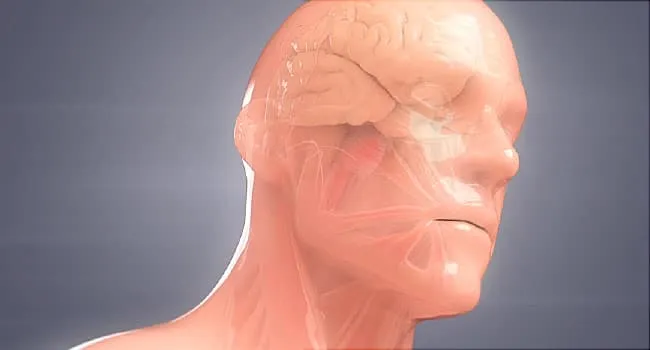
Meningitis is one of those medical words that can make a room go quiet. It sounds serious because it is serious. But when people ask, “How does meningitis spread?” the answer is not as simple as “someone sneezed, and now everyone panic-runs into the parking lot.” Meningitis is not one single germ. It is inflammation of the meninges, the protective membranes around the brain and spinal cord, and it can be caused by bacteria, viruses, fungi, parasites, or even noninfectious triggers such as certain medications or health conditions.
That means a video on how meningitis spreads should do more than show cartoon germs riding a sneeze like tiny surfers. It should explain which types spread from person to person, which ones usually do not, why close contact matters, and how everyday prevention habits can lower risk without turning life into a bubble-wrapped science experiment.
The most important point is this: meningitis itself is not always contagious, but some germs that cause meningitis can spread. Bacterial meningitis can be rare but dangerous. Viral meningitis is more common and often less severe, though it still deserves respect. Meningococcal disease, one of the better-known causes of bacterial meningitis, spreads mainly through respiratory and throat secretions such as saliva or spit, usually during close or lengthy contact. So yes, germs can travelbut they usually prefer close relationships, not casual hallway waves.
What Is Meningitis?
Meningitis happens when the meninges become inflamed. These membranes act like a protective wrapping around the brain and spinal cord. When infection or another trigger irritates them, symptoms may appear quickly and can include fever, headache, stiff neck, nausea, vomiting, sensitivity to light, sleepiness, confusion, or a general feeling that something is very wrong.
In infants, symptoms can be harder to spot. Babies may seem unusually sleepy, irritable, difficult to comfort, feeding poorly, or have a fever. Because early symptoms can look like the flu or another common illness, meningitis can be tricky. It is the medical version of a wolf wearing a very convincing sheep costume.
Main Types of Meningitis
Different causes spread in different ways. The most common categories include:
- Viral meningitis: Often caused by enteroviruses and usually more common than bacterial meningitis.
- Bacterial meningitis: Less common but potentially life-threatening and needing urgent treatment.
- Fungal meningitis: Usually not spread person to person and more likely to affect people with weakened immune systems.
- Parasitic meningitis: Rare and linked to specific exposures, depending on the parasite.
- Noninfectious meningitis: Can result from certain diseases, medications, cancer, or other body reactions.
How Meningitis Spreads: The Big Picture
The way meningitis spreads depends on the germ behind it. Think of meningitis like a fire alarm. The alarm tells you something is happening, but it does not tell you whether the cause is burnt toast, faulty wiring, or your uncle attempting “gourmet barbecue” indoors. In the same way, the diagnosis “meningitis” tells you there is inflammation, but the cause determines the spread, treatment, and prevention.
Some germs spread through respiratory droplets when a person coughs, sneezes, talks closely, kisses, or shares items that touch the mouth. Others spread through poor hand hygiene, contaminated surfaces, or contact with stool, especially when changing diapers or helping young children in bathrooms. Some causes are linked to mosquitoes, ticks, food contamination, or medical conditions rather than casual person-to-person spread.
Bacterial Meningitis: Close Contact Is the Main Route
Bacterial meningitis can be caused by several bacteria, including Neisseria meningitidis, Streptococcus pneumoniae, Haemophilus influenzae type b, and Group B Streptococcus in newborns. These bacteria do not all spread in exactly the same way, but respiratory secretions often play an important role.
Meningococcal bacteria are especially important when discussing “how meningitis spreads” because they can move from person to person through saliva or respiratory and throat secretions. This usually requires close or lengthy contact. Examples include kissing, living in the same household, sharing drinks, sharing eating utensils, or spending extended time in crowded settings such as dormitories, military barracks, or certain childcare environments.
Here is the comforting part: meningococcal bacteria are generally not as easy to spread as common cold or flu germs. Passing someone in a grocery aisle, sitting across a large classroom, or receiving a package from a delivery driver is not the usual concern. Meningococcal transmission prefers closeness. Basically, it is not a “wave from across the street” germ; it is more of a “shared soda at midnight” germ.
Can Healthy People Spread Bacterial Meningitis Germs?
Yes, in some cases. Some people can carry meningococcal bacteria in the nose or throat without getting sick. These carriers may still spread the bacteria to others. Most carriers never develop meningitis, and most exposed people do not become ill. However, when the bacteria invade the bloodstream or reach the meninges, the illness can become severe very quickly.
This is why public health teams may recommend preventive antibiotics for close contacts of someone with meningococcal disease. The goal is to stop the bacteria before they get a chance to audition for the role of “medical emergency.”
Viral Meningitis: More Common, Often Spread Through Everyday Germ Routes
Viral meningitis is often caused by non-polio enteroviruses, though other viruses can also be involved. Many enteroviruses spread through respiratory droplets, close contact, contaminated hands, surfaces, and contact with stool. This is why handwashing matters so much, especially after using the bathroom, changing diapers, or helping young children clean up.
Viral meningitis can also be associated with viruses spread in other ways. For example, some viruses are spread by mosquitoes or ticks. Others may spread through saliva or respiratory secretions. Because the route depends on the virus, prevention is a team sport: clean hands, smart hygiene, staying home when sick, avoiding shared drinks, and using insect bite prevention when appropriate.
Does Every Viral Infection Lead to Meningitis?
No. Most people exposed to viruses that can cause meningitis do not develop meningitis. They may have mild symptoms, cold-like illness, stomach upset, or no obvious symptoms at all. Meningitis happens when the virus reaches the central nervous system and causes inflammation. In other words, the virus may enter the building, but it does not always make it to the executive office.
Fungal, Parasitic, and Noninfectious Meningitis: Usually Not Spread Like a Cold
Fungal meningitis is typically not passed from person to person. It may happen when fungal spores from the environment are inhaled and later spread in the body, especially in people with weakened immune systems. Parasitic meningitis is rare and depends on the specific parasite and exposure. Noninfectious meningitis does not spread from person to person at all because it is not caused by a contagious germ.
This distinction matters for public understanding. Not every meningitis case means classmates, coworkers, or neighbors are automatically at risk. The cause determines whether contact tracing, preventive antibiotics, vaccination review, or simple reassurance is needed.
Common Ways Meningitis-Causing Germs Can Spread
1. Kissing and Close Face-to-Face Contact
Kissing can spread germs found in saliva or throat secretions, including meningococcal bacteria. Close face-to-face contact may also increase risk, especially when it is repeated or prolonged. This does not mean affection is banned forever. It means people should avoid close contact with someone who is sick and pay attention when public health officials identify close contacts after a meningococcal case.
2. Sharing Drinks, Utensils, or Personal Items
Sharing cups, water bottles, straws, eating utensils, toothbrushes, lip balm, or cigarettes can transfer saliva. In dorm rooms, sleepovers, locker rooms, and parties, these habits may feel harmless. But from a germ’s point of view, a shared water bottle is basically a rideshare app.
3. Coughing and Sneezing
Some meningitis-causing bacteria and viruses can spread through respiratory droplets. Covering coughs and sneezes, using tissues, washing hands, and staying home when sick can reduce spread. These habits are not glamorous, but neither is turning a sleeve into a microbial theme park.
4. Poor Hand Hygiene
Viruses that cause viral meningitis can spread when contaminated hands touch the mouth, nose, or eyes. Handwashing with soap and water is especially important after bathroom use, diaper changes, and before eating. Hand sanitizer can help when soap and water are not available, but after bathroom situations, soap and water are the gold standard.
5. Crowded Living Conditions
College dormitories, boarding schools, military housing, and crowded households can increase risk because people spend long hours close together. Shared kitchens, bathrooms, cups, and late-night snacks create plenty of opportunities for germs to mingle. Germs, unfortunately, are terrible at respecting personal space.
6. Certain Food or Birth-Related Exposures
Some bacteria linked to meningitis, such as Listeria monocytogenes, can spread through contaminated food. Newborns can also be exposed to certain bacteria during birth. These routes are different from the classic cough-sneeze-kiss pattern and show why meningitis prevention includes food safety, prenatal care, and vaccination.
Who Is at Higher Risk?
Anyone can get meningitis, but some groups have higher risk depending on the cause. Babies, young children, teenagers, young adults in dormitories, older adults, people with weakened immune systems, people without recommended vaccines, travelers to certain regions, and people in outbreak settings may face increased risk.
Students deserve special attention. Dorm life often combines close quarters, shared items, irregular sleep, and social contact. Add stress, late nights, and a communal fridge containing mysterious leftovers from three academic eras, and the immune system may not be living its best life.
Symptoms That Should Not Be Ignored
Meningitis can move quickly, especially bacterial meningitis. Warning signs may include sudden fever, severe headache, stiff neck, nausea, vomiting, confusion, extreme sleepiness, sensitivity to light, or a rash that does not fade when pressed. Not every person has every symptom. Some people may simply look very ill or worsen rapidly.
For babies, watch for fever, poor feeding, unusual crying, low energy, irritability, a bulging soft spot on the head, or stiffness. If meningitis is suspected, it is not a “wait and see after one more episode” situation. It is a “get medical help now” situation.
How to Prevent the Spread of Meningitis-Causing Germs
Stay Up to Date on Vaccines
Vaccines are one of the strongest tools against several causes of bacterial meningitis. In the United States, vaccines can help protect against meningococcal disease, pneumococcal disease, and Hib disease. Recommended schedules vary by age, health status, and risk factors, so families should check with a healthcare professional.
Practice Serious Handwashing
Wash hands with soap and water for at least 20 seconds. Do it after using the bathroom, changing diapers, coughing, sneezing, touching shared surfaces, and before eating. If 20 seconds feels long, hum a short chorus in your head. Your hands do not care whether you choose pop, country, or an embarrassing song from middle school.
Avoid Sharing Mouth-Contact Items
Do not share drinks, straws, utensils, toothbrushes, lip balm, or anything else that collects saliva. This rule is simple, slightly boring, and extremely useful.
Stay Home When Sick
If you are sick, resting at home protects others and gives your body a chance to recover. Schools, workplaces, and teams should support this. A perfect attendance award is not worth turning the classroom into a germ exchange program.
Clean High-Touch Surfaces
Doorknobs, phones, keyboards, bathroom handles, toys, and shared desks can collect viruses. Regular cleaning helps reduce spread, especially during outbreaks of respiratory or stomach viruses.
Take Public Health Advice Seriously
If a case of meningococcal disease occurs, health officials may identify close contacts and recommend preventive antibiotics or vaccination steps. This is not overreaction. It is targeted prevention based on how the bacteria spread.
What a Good “Video on How Meningitis Spreads” Should Show
A strong educational video should start by explaining that meningitis is inflammation, not one specific germ. Then it should show the main spread routes: saliva, respiratory droplets, close contact, contaminated hands, stool-related spread for some viruses, and special routes such as foodborne or environmental exposure for certain causes.
It should also correct common myths. Meningitis does not always spread through casual contact. Not all meningitis is contagious. Viral meningitis is usually more common than bacterial meningitis, but bacterial meningitis can be more urgent. Vaccines help prevent several major causes but do not prevent every possible type.
The best video would use real-life examples: a college student sharing a drink, a parent changing a diaper and forgetting to wash hands, roommates living in close quarters, or a sick person coughing into bare hands before touching a doorknob. These examples make prevention feel practical instead of scary.
Real-Life Experiences and Practical Lessons About How Meningitis Spreads
Imagine a college freshman named Maya moving into a dorm. She is excited, nervous, and living in a room roughly the size of a generous closet. During the first week, everyone shares everything: snacks, chargers, hoodies, water bottles, and questionable advice. Someone develops a fever and headache but assumes it is just exhaustion. Another friend takes a sip from the same bottle. A third borrows lip balm. Nobody is trying to be careless; they are just living normal student life. But normal student life can create close-contact opportunities for germs that spread through saliva and respiratory secretions.
The lesson is not that dorms are dangerous caves of doom. The lesson is that small habits matter. Maya starts keeping her own water bottle, avoids sharing straws, washes her hands before eating, and checks that her meningococcal vaccine is current. These are not dramatic lifestyle changes. They are tiny decisions that make germs work harder, and frankly, germs do not deserve an easy commute.
Now picture a childcare setting. A toddler has a mild viral illness. Toys are shared, noses are wiped, diapers are changed, and hands move from surfaces to faces at superhero speed. Some viruses that can cause viral meningitis spread through stool, contaminated hands, droplets, or surfaces. In that environment, prevention is not one heroic act; it is a routine. Wash hands after diaper changes. Clean toys. Keep sick children home when needed. Teach kids to cover coughs. Repeat, repeat, repeatlike a catchy song, but with more soap.
Another experience comes from family life. A teenager comes home with fever and a painful headache. A parent wonders whether it is flu, dehydration, stress, or “too much screen time,” the classic family diagnosis for nearly everything. But when the teen becomes unusually sleepy and complains of neck stiffness, the family seeks urgent care. That quick decision matters. Meningitis can be difficult to recognize early, and bacterial meningitis can worsen fast. Knowing warning signs is part of prevention because fast treatment can change outcomes.
There is also a social lesson. People sometimes react to meningitis news with fear and rumors. A school may report a case, and suddenly everyone thinks touching a desk or walking past the nurse’s office is enough to catch it. In reality, public health teams focus on close contacts because transmission usually depends on the germ and the exposure. Calm, accurate information helps communities respond wisely. Panic spreads faster than meningitis, and unlike meningitis, panic does not require close contact.
For video creators, educators, and health bloggers, the best approach is to make the message human. Show that prevention is practical: vaccines, handwashing, no sharing drinks, staying home when sick, cleaning surfaces, and listening to medical guidance. Explain that some causes are contagious and others are not. Emphasize that symptoms should be taken seriously. Make the tone clear but not terrifying. People learn better when they are informed, not when they are mentally hiding under a blanket.
In everyday life, meningitis prevention is not about fear. It is about respect for how infections move. Germs love shortcuts: shared saliva, unwashed hands, crowded rooms, and delayed care. Remove those shortcuts, and you lower risk. That is the practical heart of any helpful video on how meningitis spreads.
Conclusion: Know the Route, Reduce the Risk
Meningitis can sound frightening, but understanding how it spreads makes prevention clearer. Some meningitis-causing germs move through respiratory droplets, saliva, close contact, shared personal items, contaminated hands, or stool-related routes. Others do not spread person to person at all. The cause matters.
The smartest strategy is simple: stay current on recommended vaccines, wash hands well, avoid sharing items that touch the mouth, clean high-touch surfaces, stay home when sick, and seek urgent care if symptoms suggest meningitis. You do not need to live in fear. You just need to stop giving germs VIP access.