The internet has always had a flair for dramatic honesty. One day everyone is posting gratitude journals, sunrise smoothies, and captions about healing. The next day, TikTok hands the microphone to the haters, and suddenly people are proudly confessing that they despise loud chewing, airport boarding crowds, “quick calls,” wet socks, spoiler-filled movie trailers, and people who say “circle back” with the confidence of a medieval tax collector.
That is the funny, slightly chaotic energy behind the Hater’s Anthem trend, a viral social media moment inspired by Infinity Song’s track Hater’s Anthem. Instead of pretending to be endlessly positive, users are leaning into playful dislike. Not cruel harassment. Not targeted abuse. Just the small, petty, oddly relatable annoyances of everyday life the kind that make you whisper, “I know it’s not that serious, but also, yes it is.”
The trend works because it gives people permission to be honest without dressing every opinion in motivational-poster glitter. In a digital world obsessed with “good vibes only,” the Hater’s Anthem trend says, “Actually, some vibes are bad, and we should discuss them over a catchy sound.”
What Is the Hater’s Anthem Trend?
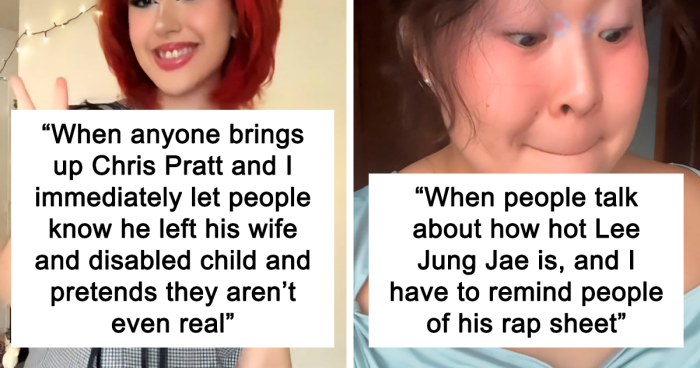
The Hater’s Anthem TikTok trend centers on people sharing things they strongly dislike in a humorous, exaggerated, and self-aware way. The format is simple: creators use the song, add text over the video, and list a pet peeve, unpopular opinion, or tiny daily frustration that makes them feel like a professional-grade hater.
What makes the trend so appealing is its low barrier to entry. You do not need professional lighting, a drone shot, a choreographed dance, or a dog who can wear sunglasses without looking emotionally betrayed. All you need is one opinion you have been quietly carrying around like a suspiciously heavy tote bag.
The Song Behind the Trend
The viral sound comes from Infinity Song, a New York-based sibling band known for polished harmonies, soft rock influence, and a retro-meets-modern sound. Their music stands out because it feels warm, melodic, and deeply musical which makes the “hater” theme even funnier. The song is not delivered like an angry rant. It has a bright, almost cheerful quality, creating a contrast that turns ordinary complaints into comedy.
That contrast is the secret sauce. If the sound were dark and aggressive, the trend might feel mean. Instead, the upbeat style makes the whole thing feel theatrical, like someone dramatically declaring war on lukewarm fries while birds chirp in the background.
Why People Love Sharing What They Hate
At first glance, a trend about “hating” might sound negative. But the most popular responses are usually not about genuine hostility. They are about relatable pet peeves, social awkwardness, personal preferences, and tiny inconveniences that make people feel seen.
People participate because the trend turns private irritation into public comedy. Everyone has a list. Maybe you hate when people walk slowly in the middle of a sidewalk. Maybe you hate when a streaming app asks, “Are you still watching?” as if it has been personally disappointed by your life choices. Maybe you hate when someone says “no worries” but clearly has several worries and a spreadsheet.
These small dislikes become funny because they are familiar. The audience does not just laugh at the creator; they recognize themselves. The comment section then becomes a support group for oddly specific annoyance.
It Feels Honest in an Over-Polished Internet
Social media often rewards perfection. Perfect outfits. Perfect apartments. Perfect morning routines where people wake up at 5 a.m., drink lemon water, journal, stretch, meditate, and somehow do not look like a haunted pillowcase. The Hater’s Anthem trend cuts through that polished image by celebrating a less curated emotion: irritation.
In a strange way, that honesty feels refreshing. It reminds people that not every post has to be aspirational. Sometimes content can simply say, “This common thing annoys me,” and the internet responds, “Finally, someone brave enough to say it.”
Funny Examples That Fit the Hater’s Anthem Mood
The trend has inspired countless categories of complaints. Some are silly. Some are painfully accurate. Some are so specific that you can almost hear an entire group chat applauding.
Everyday Pet Peeves
Everyday frustrations are the backbone of the trend. People use the sound to complain about slow walkers, loud phone conversations in public, people who block grocery aisles with their carts, and drivers who treat turn signals like optional personality accessories.
These examples work because they are universal. You do not need to know the creator personally. You just need to have lived in society for at least seven minutes.
Workplace Irritations
The workplace version of the trend practically writes itself. People joke about hating meetings that could have been emails, email threads that could have been one sentence, and coworkers who say “happy Monday” before the coffee has even entered the building.
The humor comes from shared exhaustion. Office language can be its own tiny comedy universe. “Let’s touch base” sounds harmless until it becomes the soundtrack to your fourth video call of the day.
Pop Culture Opinions
Some creators use the trend to share unpopular entertainment takes. They might say they dislike a beloved movie, a celebrity trend, a viral song, or a fashion comeback that everyone else seems to adore. This is where the trend can become spicy, because fandoms online can defend their favorites like tiny digital kingdoms.
Still, the best versions of the trend keep the tone playful. Saying “I never understood the hype” can be funny. Turning that into personal attacks is where the joke stops being a joke and starts needing a responsible adult in the room.
Why the Trend Went Viral
The Hater’s Anthem trend has several ingredients that help content spread quickly: a catchy sound, a simple format, emotional clarity, and endless room for personalization. Users can adapt it to food, dating, school, family habits, fashion, TV shows, travel, or the ancient human struggle of opening plastic packaging without losing faith in civilization.
TikTok trends often thrive when people can understand the format instantly. The Hater’s Anthem trend does not require explanation. Viewers see the caption, hear the sound, and immediately know the assignment: this person is about to confess a dislike with dramatic flair.
The Power of Specificity
Broad statements are rarely as funny as specific ones. “I hate bad manners” is fine. “I hate when someone stands directly in front of the elevator doors before anyone can get out” is better. The more specific the complaint, the more personal and memorable it becomes.
Specificity makes the audience feel like the creator reached into their brain, pulled out a tiny annoyance, and gave it a theme song.
The Comment Section Does Half the Work
Another reason the trend spreads is that viewers naturally want to add their own examples. A creator posts one complaint, and suddenly the comments become a buffet of grievances. People compete to be funnier, more accurate, or more dramatically offended by minor inconveniences.
That interaction keeps the trend alive. The original video is only the opening line. The audience turns it into a conversation.
Hating as Comedy vs. Real Online Hostility
There is an important difference between playful “hater” humor and actual online harassment. The best Hater’s Anthem posts punch sideways at situations, habits, and harmless annoyances. They do not target private individuals, protected identities, or vulnerable groups.
That distinction matters. The internet often blurs tone, and a joke can quickly become ugly when it shifts from “I hate when my fries are cold” to “I hate this specific person and everyone should pile on.” One is comedy. The other is a digital mob wearing a clown nose.
Healthy Complaining Has Limits
Complaining can be socially useful. It helps people bond, process frustration, and laugh at shared experiences. But when negativity becomes the whole personality, it can drain both the creator and the audience.
A good rule: if the complaint is about a situation, habit, or common experience, it probably stays in the playful zone. If it encourages harassment or dehumanizes people, it has left the comedy club and wandered into a swamp.
What the Trend Says About Internet Culture
The Hater’s Anthem trend reveals a lot about online behavior. People want authenticity, but they also want performance. They want to be honest, but they want that honesty packaged in a way that feels entertaining. The trend gives them both.
It also shows how quickly a song can become a cultural tool. Infinity Song created a track with a memorable concept, and TikTok users turned it into a flexible template for everyday commentary. That is modern music discovery in action: a song is not just heard; it is used, remixed, captioned, joked with, and transformed into a shared language.
The Rise of Playful Negativity
Playful negativity is not new. Stand-up comedy, sitcoms, newspaper columns, and group chats have always found humor in irritation. The difference now is speed. A joke that once stayed at the dinner table can become a viral format overnight.
In that sense, the Hater’s Anthem trend is not really about hate. It is about comic release. It gives people a way to say, “This bothers me,” without turning the whole conversation into a thunderstorm.
How Brands and Creators Can Learn From the Trend
For creators, the lesson is simple: honesty travels. Audiences respond to content that feels specific, human, and lightly rebellious. You do not need to be negative for the sake of negativity, but you can use contrast, surprise, and self-aware complaint to make content more relatable.
For brands, the lesson is a little trickier. A brand trying too hard to be a “hater” can sound like a youth pastor learning slang from a spreadsheet. But when done carefully, playful dislike can humanize a brand. A coffee company joking about hating weak coffee makes sense. A bank saying it hates Mondays might feel less convincing, unless the bank also fixes overdraft fees and brings snacks.
Keep It Light, Specific, and Safe
The best approach is to keep complaints harmless and specific. A bakery can joke about dry cake. A travel account can joke about overpacked carry-ons. A productivity app can joke about meetings with no agenda. The key is to avoid punching down or encouraging viewers to attack real people.
Humor works best when the audience feels included in the joke, not targeted by it.
Why “I Hate This” Can Feel So Relatable
The phrase “I hate this” is often less literal than it sounds. In online humor, it usually means “this annoys me,” “this is ridiculous,” or “please tell me I am not the only one who noticed this.” That emotional shorthand is part of the trend’s appeal.
People are not always looking for solutions. Sometimes they just want recognition. Nobody needs a five-step action plan for surviving loud chewing. They need one other person to say, “Yes, that sound also activates my villain origin story.”
The Experience Section: Living Through the Hater’s Anthem Era
The funniest thing about the Hater’s Anthem trend is how quickly it makes you audit your own personality. At first, you watch someone list a petty complaint and think, “Wow, people are dramatic.” Then three videos later, you are mentally drafting your own list with the focus of a Supreme Court justice. Suddenly you remember every tiny inconvenience you have ever endured: the person who leaves one sip of milk in the carton, the friend who says they are “five minutes away” while still choosing an outfit, the restaurant menu with no prices, the printer that smells fear, and the mysterious human urge to stop walking at the top of an escalator.
The trend feels especially accurate because modern life is full of micro-annoyances. We are surrounded by apps, alerts, lines, passwords, subscriptions, updates, and public behavior that seems designed by a committee of raccoons. You can have a perfectly normal morning and still encounter twelve small things that test your character before lunch. The Hater’s Anthem format turns those little moments into entertainment instead of letting them silently ferment in your soul like forgotten leftovers.
There is also a social comfort in realizing that your odd dislikes are not that odd. Maybe you thought you were alone in hating the sound of people watching videos out loud on public transportation. Then the trend shows you thousands of people nodding in spiritual unity. It becomes less about being negative and more about finding your tribe not a dark, angry tribe, but a funny one that also believes speakerphone conversations in grocery stores should be studied by scientists.
From a content creator’s perspective, this trend is a reminder that audiences connect with personality. The most memorable posts are not the ones that simply say, “I hate annoying people.” They are the ones that describe a precise situation: someone replying “per my last email,” a person taking twenty minutes to order at a coffee shop, or a streaming service hiding the “continue watching” button like it is buried treasure. Specific experiences create sharper comedy.
But the experience also comes with a warning label. Spending too much time in complaint mode can make the internet feel heavier than it needs to be. The best version of the Hater’s Anthem trend lets people laugh, release tension, and move on. It does not ask them to build a house in negativity and decorate it with angry throw pillows.
In real life, the healthiest way to enjoy the trend is to treat it like seasoning. A little playful hating makes content flavorful. Too much, and suddenly everything tastes like burnt toast. The magic is in the wink. The creator is annoyed, the audience relates, and everyone understands that the world will keep spinning even if someone uses “literally” incorrectly for the ninth time today.
Conclusion: The Internet’s Funniest Complaint Department Is Open
The Hater’s Anthem trend is viral because it turns everyday frustration into shared entertainment. It gives people a funny way to admit what annoys them without pretending to be perfect, peaceful, or permanently hydrated. At its best, the trend is not about cruelty. It is about honesty with rhythm, humor with boundaries, and the strange joy of discovering that thousands of strangers also have strong feelings about cold fries.
In a culture that often pressures people to be positive at all costs, the trend offers comic relief. Not every dislike needs to become a fight. Sometimes it can just become a caption, a laugh, and a reminder that being human means having opinions even tiny, petty, wildly specific ones.
Note: This article is an original, publication-ready synthesis based on real reporting about the Hater’s Anthem trend, Infinity Song’s viral moment, TikTok trend behavior, and broader research on online negativity and social media culture. No source links are included in the body per publishing requirements.