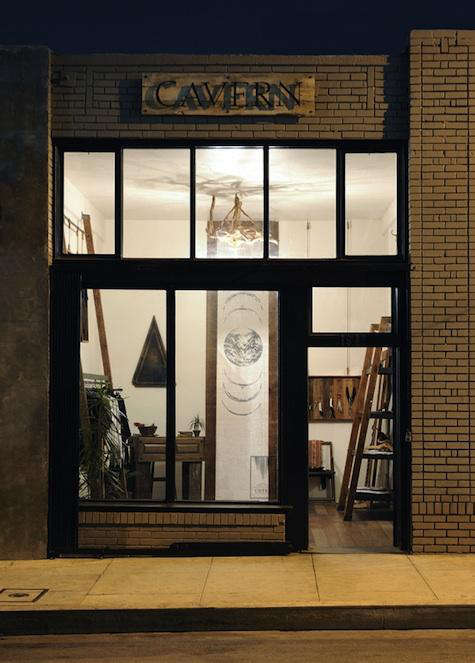
Note: This article is written for web publication and is based on real, publicly available information about Cavern Collection, Los Angeles design shopping, and the city’s independent fashion-retail culture. Because boutique addresses, stock, and ownership details can change over time, readers should verify current store status before visiting.
A Small Shop With a Big Desert Mood
Los Angeles has never been shy about style. It is a city where a vintage denim jacket can become eveningwear, a reclaimed wood bench can look more glamorous than a polished marble console, and a shop on a quiet block can feel like the secret clubhouse of musicians, artists, stylists, and people who know exactly how to make “I just threw this on” look suspiciously expensive.
That is the spirit behind Shopper’s Diary: Cavern Collection in LA, a close look at the cultish Hollywood boutique and atelier associated with designers Adam Tullie and Angeline Rivas. Cavern Collection was known for a specific kind of Los Angeles magic: faded desert color, hand-drawn patterns, art-school mystery, rough textures, and clothing that seemed equally ready for a canyon party, a gallery opening, or a band soundcheck at midnight.
The original Cavern Collection story is a time capsule from the late-2000s Los Angeles creative scene. But it still feels useful today because the best independent shops are never just places to buy things. They teach you how to look. They ask you to slow down. They make you wonder whether your living room needs a driftwood chandelier, a linen floor pillow, or simply more personality than a beige rental sofa can legally provide.
What Was Cavern Collection?
Cavern Collection operated as a Hollywood-based boutique and creative studio with a style that blended clothing, art, home goods, and moody California storytelling. The brand was associated with handmade-feeling garments, printed textiles, reclaimed materials, and an atmosphere that leaned into what might be called desert gothic bohemian: soft but not sweet, rugged but not messy, stylish but allergic to looking overproduced.
In Los Angeles retail terms, that matters. LA has always rewarded shops with a point of view. A store does not need to be huge if it has a strong enough pulse. Cavern Collection had that pulse. It felt less like a conventional boutique and more like a small creative ecosystem, where fashion, furniture, visual art, music, and interiors could all borrow from the same dusty, poetic vocabulary.
The brand’s world included clothing, custom work, and home pieces such as a driftwood chandelier, hand-fringed linen floor pillows, and a reclaimed wood-and-steel bench. Those objects tell you almost everything about the shop’s design language. Materials came first. Texture mattered. Nothing looked as if it had been polished into submission by a corporate mood board. The pieces had grit, and in LA, grit is often where the glamour hides.
The LA Setting: Why Hollywood Made Sense
Hollywood is a neighborhood of contradictions, which is exactly why a shop like Cavern Collection made sense there. It is touristy and local, glossy and worn-in, theatrical and strangely practical. One block can deliver souvenir T-shirts and movie nostalgia; the next can hide a serious design store, a vintage source, a gallery, a tiny showroom, or a café full of screenwriters pretending not to listen to one another.
Los Angeles shopping is neighborhood-driven. Hollywood has long offered vintage clothing, music culture, fine art, memorabilia, and niche retail. West Hollywood and nearby design corridors add another layer: fashion flagships, interior showrooms, furniture stores, and independent boutiques that attract decorators, stylists, and collectors. Cavern Collection belonged to that broader LA ecosystem, but it did not feel like a showroom trying to impress a client with a clipboard. It felt more personal, more experimental, and more likely to make you ask, “Is this a pillow, a textile artwork, or a lifestyle decision?” The answer, naturally, was yes.
The Cavern Collection Look: Faded Desert Chic
The easiest way to understand Cavern Collection is through texture. Think linen, rope, driftwood, steel, reclaimed timber, soft black, sun-faded neutrals, hand-drawn graphics, and the kind of imperfect surface that makes a room feel lived in before anyone has even sat down.
The phrase faded desert chic captures the brand’s appeal. This was not palm-tree glam or shiny Hollywood Regency. It was more canyon than cabana, more dusk than noon, more old boot leather than patent shine. A Cavern-inspired room might include a low reclaimed bench, a slouchy floor cushion, a weathered textile, and one dramatic lighting piece that looks like it was assembled by a poet with a toolbox.
That aesthetic remains relevant because modern interiors have moved away from sterile perfection. People want homes with warmth, patina, and story. The Cavern Collection sensibility fits naturally with today’s interest in sustainable design, handcrafted decor, organic materials, and pieces that feel collected rather than purchased in one panicked Saturday afternoon.
Key Elements of the Style
Reclaimed wood: Cavern’s interior and furniture references leaned into salvaged and sustainable materials. Reclaimed wood brings age, grain, and visual weight to a space without needing much decoration.
Textiles with personality: Linen pillows and printed fabrics gave the shop softness without making it precious. The look was relaxed, tactile, and slightly undone in the best possible way.
Art-driven graphics: Cavern Collection’s identity was closely tied to drawings and hand-made imagery. That gave the clothing and objects a personal signature rather than a generic boutique feel.
Neutral drama: Instead of screaming for attention with bright colors, Cavern used mood. Black linen, pale wood, rope, shadow, and desert tones created drama quietly.
What to Shop For: Cavern-Inspired Finds
Even if you cannot walk into the original Cavern Collection today, the shopper’s diary approach still works beautifully. The idea is not to copy a store item by item. The idea is to shop with a Cavern mindset: choose objects with texture, tension, and a little wilderness in them.
1. A Statement Light Fixture
A driftwood chandelier was one of Cavern Collection’s memorable home pieces, and it explains the shop’s home aesthetic perfectly. A statement light fixture should not merely brighten a room; it should change the room’s temperature. Look for natural wood, rope, woven fiber, aged metal, or sculptural forms. The goal is a light that makes dinner guests look up and say, “Wait, where did you find that?” which is the unofficial anthem of good design shopping.
2. Oversized Floor Pillows
Large linen floor pillows are practical, relaxed, and deeply LA. They suggest a lifestyle that includes lounging, reading, playing records, and casually having excellent taste. Choose linen, cotton canvas, leather, or heavy woven fabrics. Avoid anything too shiny or stiff. A Cavern-inspired pillow should look better after use, not worse.
3. Reclaimed Wood Furniture
A bench made of reclaimed wood and steel has the right mix of raw and refined. It can work in an entryway, at the foot of a bed, behind a sofa, or beside a dining table. When shopping, inspect the joinery, weight, finish, and proportions. Reclaimed does not mean wobbly. Charming imperfections are welcome; structural drama is not.
4. Hand-Drawn or Small-Batch Textiles
Textiles are one of the easiest ways to bring Cavern Collection energy into a home. Seek out hand-printed cushions, block-printed throws, small-batch wallpaper, or fabric with irregular patterns. The charm lies in human evidence: the line that wavers slightly, the print that feels alive, the pattern that looks discovered rather than engineered.
5. Clothing With a Story
Cavern Collection was also a fashion label, so the shopper’s diary should not stop at home decor. The right garment might be a black linen jacket, a softly structured shirt, a printed tee, a cloak-like layer, or a piece that looks like it has been places. The best LA clothing often has movement. It should work in sunlight, under stage lights, and in a dim restaurant where everyone is pretending not to recognize someone famous.
How Cavern Collection Fits Into LA Design Culture
Los Angeles design shopping is not centralized in one tidy district. That is both inconvenient and wonderful. The city asks shoppers to explore. You might find vintage furniture in Highland Park, ceramics in Venice, antiques on Highland, fashion in West Hollywood, architectural books downtown, and a tiny shop with perfect candles hiding next to a coffee counter. LA rewards curiosity.
Cavern Collection fits this map because it blurred categories. It was not only fashion. It was not only interiors. It was not only art. It was part of a larger LA tradition in which creative people build worlds instead of product lines. The boutique experience becomes immersive: the wall color, the floor, the rack spacing, the scent of wood, the music, the bench, the mirror, the object you pick up three times before finally accepting your destiny and buying it.
This is also why independent boutiques matter in the age of endless online shopping. A search bar can find you a black linen shirt. It cannot tell you how that shirt feels next to a reclaimed bench under a strange chandelier while afternoon light falls across century-old wood. Stores like Cavern Collection create context, and context is what turns objects into desire.
Shopping Lessons From Cavern Collection
Buy Fewer Things, But Make Them Better
Cavern’s design language argues for selectivity. One strong bench beats four forgettable accent tables. One excellent textile can do more for a sofa than a mountain of nervous pillows. When every item has texture, material integrity, and a reason to exist, a room becomes calmer and more interesting.
Let Materials Lead
Before choosing color, consider material. Linen, wood, steel, rope, leather, clay, and wool all bring different moods. A Cavern-inspired space often begins with touch: rough, soft, matte, worn, woven, weathered. If you want a home that feels layered, materials will do more than trends.
Mix Fashion and Interiors
One of the best ideas behind Cavern Collection is that personal style and home style can come from the same imagination. If you love washed black clothing, raw hems, and sculptural jewelry, you may also love blackened wood, hand-thrown ceramics, and low-slung furniture. Your closet is already giving your living room advice. Listen politely.
Choose Objects That Age Well
The Cavern mood is not about newness. It is about patina. Shop for pieces that will look better with time: wood that deepens, linen that softens, leather that creases, metal that dulls gracefully. Avoid objects that only look good on day one. Homes are not photo shoots; they are weather systems.
Who Will Love the Cavern Collection Aesthetic?
This style is ideal for shoppers who like interiors with soul but dislike clutter. It works for creative apartments, canyon homes, lofts, bungalows, studios, and even plain rentals that need a little atmosphere. If you are drawn to handmade goods, natural materials, independent fashion, vintage finds, and rooms that feel slightly mysterious, Cavern Collection belongs on your inspiration board.
It is also a smart reference for anyone trying to create an LA look without falling into clichés. You do not need neon signs, palm-print wallpaper, or a surfboard in the corner unless you actually surf. The Cavern version of LA is quieter: sun-faded, artistic, a little dusty, a little rock-and-roll, and completely uninterested in asking permission.
Practical Tips for Shopping the Look in Los Angeles
Start with neighborhoods known for design and independent retail, then give yourself time to wander. Hollywood, West Hollywood, La Brea, Highland Park, Silver Lake, Venice, and the Arts District each offer different shopping personalities. Do not try to do everything in one day unless your hobby is parking-related despair.
Bring measurements if you are shopping for furniture. Photograph your space in natural light. Wear comfortable shoes. Ask shop owners about materials, makers, and care instructions. Independent boutiques often carry limited-run pieces, so if you love something and it fits your budget, do not assume it will still be there after brunch. Brunch has taken many things from us.
For home goods, prioritize one anchor piece first: a bench, light fixture, rug, textile, or artwork. Then build around it slowly. For clothing, look for pieces that can layer across seasons. LA style is less about heavy wardrobes and more about adaptable pieces that move from warm afternoon to chilly evening without requiring a full costume change in your car.
Experience Diary: A Cavern-Inspired Shopping Day in LA
The best way to experience the spirit of Shopper’s Diary: Cavern Collection in LA is to plan a day around discovery rather than efficiency. Efficiency is for airport security lines and tax software. LA shopping deserves a slower rhythm.
Begin in Hollywood or nearby West Hollywood with coffee strong enough to negotiate with your future self. The morning light is ideal for looking at materials. In a good shop, wood grain appears deeper, linen looks softer, and ceramics reveal tiny details you would miss under harsh evening lighting. Walk in without a strict list. A list is useful, but the best boutiques often surprise you with the thing you did not know you needed: a blackened metal candleholder, a low stool, a handwoven throw, or a shirt that somehow makes all your other shirts look like they gave up.
Move slowly through each space. Notice how the store tells a story. Is the clothing arranged by color, mood, or silhouette? Are home objects displayed like sculpture or stacked casually as if they wandered in from a studio? Cavern Collection’s appeal came from that world-building instinct. The shop did not simply sell products; it created an atmosphere where a driftwood chandelier, a linen pillow, and an art-print garment all seemed to be speaking the same language.
After the first stop, take a walking break. LA is famous for driving, but design shopping improves when you walk at least a little. You notice doorways, tile, old signs, courtyard plants, and the strange poetry of sun hitting stucco. These details sharpen your eye. Suddenly you understand why reclaimed wood matters, why matte surfaces feel calmer than glossy ones, and why a slightly irregular handmade object can carry more charm than something perfectly factory-smooth.
For lunch, choose somewhere casual and bright. Spread your photos across the table and edit. The rule is simple: if you cannot remember why you photographed an item, it probably is not the one. The best finds stay in your mind. They bother you gently. They follow you into the sandwich portion of the afternoon.
In the afternoon, widen the search. Visit a design shop, a vintage source, a small clothing boutique, or a gallery store. Try to connect fashion and interiors. If you are drawn to a washed linen jacket, ask what the home version of that texture would be. Maybe it is a floor pillow. Maybe it is a curtain. Maybe it is the decision to stop buying shiny things that make your apartment feel like a phone store.
End the day with one purchase or one strong idea. Both count. A shopper’s diary is not about hauling home bags until your trunk looks like a design emergency. It is about training your taste. Maybe you buy a small ceramic bowl. Maybe you decide your entryway needs a reclaimed bench. Maybe you realize your living room lacks contrast, or your wardrobe needs one artful black layer. That is the Cavern lesson: style is not a pile of objects. It is a point of view, edited with patience and just enough weirdness to keep things alive.
Conclusion: Why Cavern Collection Still Feels Fresh
Cavern Collection’s original LA moment may be historical, but its design message has aged beautifully. The boutique represented a version of Los Angeles style that remains compelling: independent, tactile, artistic, and deeply connected to materials. It mixed clothing and home decor without treating them as separate worlds. It made reclaimed wood feel elegant, linen feel dramatic, and desert mood feel urban enough for Hollywood.
For modern shoppers, the lesson is clear. Seek out stores with identity. Choose pieces with texture. Let your home and wardrobe share a visual language. Buy fewer things, but make them memorable. And when in doubt, trust the object that makes you look twice. In the Cavern universe, that second look is where the good stuff begins.