Medical note: This article is for educational purposes only and is not a substitute for medical advice. Anyone considering cryotherapy, especially people with heart disease, circulation problems, nerve conditions, uncontrolled blood pressure, cold sensitivity, pregnancy, or chronic illness, should speak with a qualified healthcare professional first.
Cryotherapy for weight loss sounds like the kind of wellness trend invented by someone who looked at winter and thought, “Great, but can we make it more expensive?” The idea is simple enough: expose the body to very cold temperatures for a short time, supposedly encouraging calorie burning, fat metabolism, inflammation control, and faster recovery. In spas, gyms, and boutique wellness centers, whole-body cryotherapy chambers promise a frosty shortcut to feeling leaner, brighter, and more energized.
But does standing in a freezing chamber actually melt fat? Does it meaningfully increase metabolism? Or is cryotherapy another shiny health trend wearing a very chilly lab coat? The honest answer is: the science is interesting, but the weight loss claims are much weaker than the marketing. Cryotherapy may have certain medical and recovery uses, and localized fat-freezing procedures can reduce small areas of fat. However, whole-body cryotherapy is not a proven weight loss treatment, and it comes with possible side effects that should not be shrugged off like a cold breeze.
What Is Cryotherapy?
Cryotherapy is a broad term for treatments that use extreme cold. In medicine, cold has legitimate uses. Healthcare providers may use localized cryotherapy to freeze abnormal tissue, remove certain skin lesions, or treat specific medical conditions. This type of cryotherapy is targeted, controlled, and performed for a clear clinical reason.
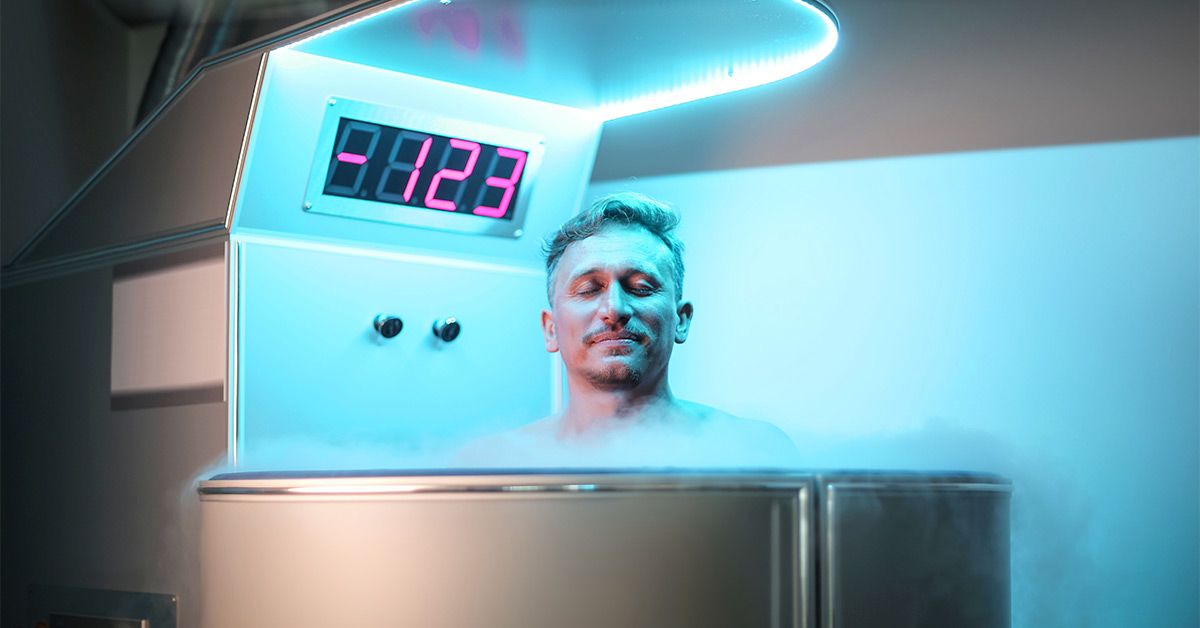
Wellness cryotherapy is different. The version most often linked to weight loss is whole-body cryotherapy, also called WBC. During a session, a person stands in a chamber or booth exposed to extremely cold air, sometimes for two to four minutes. The temperature can be far below anything a human would voluntarily encounter while walking to the mailbox in January. The goal is not to freeze tissue, but to trigger a temporary body response to cold.
Another cold-based treatment often confused with cryotherapy is cryolipolysis, commonly known by the brand name CoolSculpting. Cryolipolysis is a cosmetic body-contouring procedure that cools targeted fat cells under the skin. It is designed to reduce small pockets of fat, not to lower total body weight or treat obesity. That distinction matters because “fat reduction” and “weight loss” are not the same thing.
Why People Think Cryotherapy Helps With Weight Loss
The weight loss theory behind cryotherapy usually comes down to metabolism. When the body gets cold, it works to maintain core temperature. That process can use energy. Supporters argue that cold exposure may activate brown adipose tissue, often called brown fat, which burns calories to produce heat. In theory, more brown fat activity could mean more energy expenditure.
That sounds promising, and researchers are genuinely interested in brown fat. The problem is that a short cryotherapy session does not automatically translate into meaningful, long-term weight loss. The number of extra calories burned may be modest, and individual responses vary widely. A person’s age, body composition, metabolic health, cold tolerance, and amount of active brown fat may all influence the result.
Some cryotherapy clinics claim that a single session can burn hundreds of calories. That claim deserves an arctic-sized grain of salt. Even if the body uses extra energy after cold exposure, the real-world impact is unlikely to replace the proven basics of weight management: nutrition, physical activity, sleep, stress control, and sustainable habits. Cryotherapy may make someone feel refreshed, but feeling refreshed is not the same as creating a reliable calorie deficit.
What the Research Suggests
Research on whole-body cryotherapy and body weight is still developing. Some small studies have explored whether repeated whole-body cryotherapy sessions may influence inflammation, waist circumference, lipid markers, or body composition. A few findings suggest possible metabolic effects, especially when cryotherapy is used alongside exercise, diet, or obesity treatment programs. That is where the “purported benefits” conversation begins.
However, the overall evidence remains limited. Some studies are small, short-term, or focused on specific groups, such as athletes, postmenopausal women, or people participating in structured obesity programs. That makes it hard to apply the results to the average person hoping to lose 20 pounds before beach season. More importantly, newer research has found that whole-body cryotherapy may not significantly enhance weight loss when added to conventional obesity treatment.
In plain English: cryotherapy might be an interesting add-on in certain research settings, but it is not a magic freezer button for fat loss. If weight loss happens during a program that includes meal planning, exercise, coaching, and cryotherapy, the cold chamber may not be the main reason. It may simply be standing next to the actual heroes: calorie balance, movement, consistency, and time.
Purported Benefits of Cryotherapy for Weight Loss
1. Temporary Increase in Calorie Burning
The most popular claim is that cryotherapy increases calorie burn. Cold exposure can stimulate thermogenesis, the process of producing heat. The body may use energy to restore normal temperature after a session. This is biologically plausible, but the question is not whether the body responds to cold. The question is whether that response is large enough to matter for weight loss.
For most people, the effect is probably too small to compete with everyday habits. A sugary coffee drink, a large snack, or a weekend of “I deserve this” eating can easily outpace any extra calories burned after a brief cold session. Cryotherapy may slightly nudge energy use, but it does not cancel out nutrition math.
2. Possible Inflammation Reduction
Some users report less soreness and a sense of improved recovery after cryotherapy. Inflammation is also tied to obesity and metabolic health, so researchers have studied whether cold exposure may influence inflammatory markers. Some findings suggest whole-body cryotherapy could have anti-inflammatory effects in certain contexts.
Still, lower inflammation does not automatically equal weight loss. A person can feel less sore and still not lose body fat. The benefit may be more relevant to exercise recovery than direct fat reduction. If cryotherapy helps someone feel ready to train consistently, that could indirectly support a healthier lifestyle. But the real driver would still be the training routine, not the chamber itself.
3. Motivation and Wellness Momentum
Here is one underrated factor: people often feel motivated after trying something new. A cryotherapy appointment can make a person feel like they are investing in their health. That “fresh start” feeling may encourage better food choices, more steps, or a renewed commitment to workouts.
This is not a fake benefit. Motivation matters. But it is a behavioral benefit, not a guaranteed metabolic one. If cryotherapy becomes part of a broader plan that includes strength training, walking, balanced meals, and better sleep, it may help someone stay engaged. If it becomes a substitute for those habits, it is basically a cold, expensive detour.
4. Localized Fat Reduction With Cryolipolysis
Cryolipolysis deserves separate attention because it is often mixed into the same conversation. Unlike whole-body cryotherapy, cryolipolysis targets specific fat deposits with controlled cooling. It may reduce fat in areas such as the abdomen, thighs, flanks, arms, or under the chin. Results usually develop gradually over weeks as the body processes affected fat cells.
But cryolipolysis is not a weight loss treatment. It is intended for people near their goal weight who have stubborn, pinchable fat in specific areas. It does not treat visceral fat, improve cardiovascular fitness, or replace lifestyle changes. The bathroom scale may barely move, even if a treated area looks slimmer.
Side Effects and Risks of Cryotherapy
Cold therapy may sound clean and simple, but extreme cold is still extreme. The body is not a smoothie that becomes healthier just because you put it near ice. Possible side effects vary depending on the type of cryotherapy, the temperature, session length, equipment, provider training, and the person’s health status.
Common Short-Term Side Effects
Some people experience temporary redness, tingling, numbness, skin irritation, or discomfort after cold exposure. These symptoms may fade quickly, but they should still be taken seriously. If numbness or pain persists, that is not a “wellness glow.” That is a reason to stop and seek medical guidance.
Skin Injuries
Whole-body cryotherapy can injure the skin. Reported problems include frostbite, rashes, cold burns, and irritation. The risk may rise if skin is damp, protective gear is inadequate, exposure lasts too long, or equipment is poorly managed. Jewelry, sweaty clothing, or improper coverings can also increase the chance of injury.
Breathing and Oxygen Risks
Some whole-body cryotherapy systems use nitrogen vapor for cooling. In poorly ventilated spaces, nitrogen can reduce oxygen levels, creating a risk of lightheadedness, fainting, or more serious harm. This is one reason professional supervision, proper ventilation, and emergency procedures matter.
Blood Pressure and Heart Concerns
Cold exposure can affect blood vessels, heart rate, and blood pressure. People with cardiovascular disease, uncontrolled hypertension, circulation disorders, or serious lung conditions should be especially cautious. Even healthy people should avoid treating cryotherapy like a casual spa upgrade without understanding the risks.
Nerve Problems and Cold Sensitivity
People with neuropathy, Raynaud’s disease, cold urticaria, poor circulation, or reduced sensation may be more vulnerable to injury. If a person cannot accurately feel cold or pain, they may not realize damage is happening until after the session.
Side Effects of Cryolipolysis
Cryolipolysis has its own side effects. Common reactions may include redness, swelling, bruising, tenderness, numbness, firmness, itching, or aching in the treated area. These usually improve with time. A rare but notable complication is paradoxical adipose hyperplasia, where treated fat cells enlarge instead of shrinking. It is uncommon, but it can require additional medical treatment.
Who Should Avoid Cryotherapy?
Cryotherapy may not be appropriate for everyone. People with heart disease, uncontrolled high blood pressure, severe asthma or lung disease, poor circulation, nerve damage, cold-triggered hives, Raynaud’s disease, open wounds, recent surgery, pregnancy, or a history of fainting should be careful and speak with a clinician before trying it.
Anyone who feels chest pain, severe dizziness, breathing difficulty, intense burning, unusual numbness, or skin color changes during or after a session should stop immediately and seek medical help. A wellness treatment should not require heroic suffering. If your body is loudly saying “no,” listen.
Cryotherapy vs. Proven Weight Loss Methods
The most reliable approach to weight loss remains a calorie deficit created through sustainable eating habits and physical activity. That does not mean crash dieting, misery salads, or pretending cauliflower is pizza. It means building a lifestyle that can be repeated without turning every meal into a moral debate.
Effective weight management usually includes protein-rich meals, fiber from fruits and vegetables, reasonable portions, fewer ultra-processed foods, regular movement, strength training, quality sleep, and stress management. Physical activity helps the body use energy and supports long-term weight maintenance. Strength training helps preserve muscle, which matters because muscle is metabolically active and supports healthier aging.
Cryotherapy may be positioned as a “boost,” but it should never be treated as the foundation. Think of it as the optional garnish, not the main dish. If the fundamentals are missing, a freezing chamber will not rescue the plan.
So, Does Cryotherapy Work for Weight Loss?
The most balanced answer is: not reliably, not dramatically, and not by itself. Whole-body cryotherapy may create short-term physiological responses, and some users may feel better after sessions. But current evidence does not support it as a stand-alone weight loss treatment. Claims that it can replace exercise, dieting, or medical obesity care are not supported by strong evidence.
Cryolipolysis, on the other hand, may reduce small areas of fat, but it is body contouring rather than true weight loss. It may change shape more than scale weight. For someone already near a healthy weight with specific stubborn areas, it may be worth discussing with a qualified cosmetic medical provider. For someone seeking major weight loss, it is not the right tool.
Practical Questions to Ask Before Trying Cryotherapy
Before booking a session, ask what type of cryotherapy is being offered, who supervises it, what screening is required, what emergency procedures are in place, and whether the provider explains risks clearly. A reputable facility should not promise effortless fat loss or claim that cryotherapy treats medical conditions without evidence.
Also ask yourself a more honest question: “What am I hoping this will do?” If the goal is relaxation, recovery, or curiosity, that is different from expecting major weight loss. If the goal is fat reduction, consider whether nutrition, training, sleep, and medical guidance have been addressed first. The boring answer is often the correct one, which is rude of science but useful.
Realistic Experiences: What Cryotherapy for Weight Loss May Feel Like
People who try cryotherapy for weight loss often describe the first session as part science experiment, part dare. You arrive expecting something futuristic, then quickly realize the main event is standing in intense cold while your brain files a formal complaint. The session is usually short, but the cold can feel sharp and surprising, especially during the final minute. Some people feel energized afterward, as if they had a strong cup of coffee without the risk of accidentally sending emotional emails. Others feel cold, unimpressed, and very ready for socks.
A common experience is an immediate sense of alertness. The cold can wake up the nervous system, and many users report feeling refreshed or “lighter” after a session. That sensation can be motivating. Someone may leave thinking, “I did something healthy today,” and then choose a better lunch or take a longer walk. In that way, cryotherapy can become part of a positive routine. But the experience should not be confused with proof that fat is melting away.
Another realistic experience is disappointment when the scale does not change. A person might complete several sessions, feel good, and still see no major difference in body weight. That does not necessarily mean nothing happened in the body, but it does mean the treatment did not create a meaningful weight loss result. This is where expectations matter. If someone expects cryotherapy to replace meal planning or exercise, the outcome may feel frustrating. If they treat it as a wellness add-on, they may judge it more fairly.
Some people notice reduced soreness after workouts, which can indirectly support consistency. For example, someone doing strength training three days a week may feel that cryotherapy helps them return to the gym with less stiffness. If that leads to more regular exercise, the long-term benefit may come from the workout routine. Cryotherapy may be the sidekick, but the training plan is still Batman.
There are also less glamorous experiences. Skin can feel irritated. Fingers and toes may feel uncomfortably cold if protective gear is poor. People who are sensitive to cold may feel anxious inside the chamber. Others may experience temporary numbness or redness. These reactions are why screening and supervision matter. A safe session should feel intense but controlled, not alarming.
Cost is another part of the real-world experience. Cryotherapy sessions can become expensive, especially if packages are sold as a multi-week transformation plan. Before spending money, it helps to compare the cost with alternatives that have stronger evidence: a few sessions with a registered dietitian, a gym membership, walking shoes, strength-training equipment, or a medical appointment to discuss weight management options. Not as flashy, perhaps, but much more likely to move the needle.
The most sensible user experience is cautious curiosity. A person might try cryotherapy after checking with a healthcare professional, choose a reputable facility, avoid exaggerated claims, and track how they feel. They may use it for recovery or general wellness, while keeping weight loss anchored in food choices, movement, and consistency. That approach leaves room for personal preference without handing the steering wheel to hype.
Conclusion
Cryotherapy for weight loss is an intriguing idea wrapped in a very cold package. The body does respond to cold, and researchers continue to study how cold exposure affects metabolism, brown fat, inflammation, and recovery. But current evidence does not support whole-body cryotherapy as a reliable stand-alone weight loss treatment. It may help some people feel energized, less sore, or more motivated, but those benefits are not the same as proven fat loss.
Localized fat-freezing procedures such as cryolipolysis may reduce small pockets of fat, but they are cosmetic body-contouring tools, not obesity treatments. They do not replace calorie balance, exercise, or medical care. Meanwhile, whole-body cryotherapy has possible side effects, including skin injury, numbness, cold burns, blood pressure changes, and oxygen-related risks when nitrogen systems are used improperly.
The smartest approach is balanced: be curious, but do not be dazzled. Cryotherapy may have a place in some wellness routines, but it should sit behind the proven pillars of weight management. Eat in a way you can sustain, move your body regularly, sleep like it matters, manage stress, and get medical guidance when needed. If you still want to step into the cold chamber after that, do it with realistic expectations, proper screening, and a healthy respect for the fact that “freezing” and “fitness” are not automatically the same thing.