Vacation brain is a real condition. One minute you are responsibly packing sunscreen, passports, chargers, and that one shirt you will absolutely not wear. The next minute you are sitting in the driveway wondering, “Did I lock the back door, turn off the stove, feed the plant, or accidentally leave the house looking like a burglar buffet?”
Before you go chasing sunsets, hotel breakfasts, theme park churros, or a peaceful beach chair that somehow costs more than your monthly internet bill, your home needs a quick but thoughtful pre-vacation check. A good house checklist before vacation does more than calm your nerves. It helps prevent water damage, electrical hazards, food odors, security risks, and the classic “Why is there a mystery smell in the kitchen?” welcome-home surprise.
This guide breaks down the eight most important things to double-check in your house before you go on vacation. Think of it as your home’s final boarding pass inspection: practical, simple, and much cheaper than calling a plumber from another time zone.
Why a Pre-Vacation Home Checklist Matters
Leaving home for a few days may feel routine, but an empty house behaves differently. Small problems have more time to become dramatic. A slow drip under the sink can become a soggy cabinet. A package left on the porch can become a neighborhood advertisement that nobody is home. A forgotten trash bag can stage a full biological rebellion.
The best vacation home safety tips are not complicated. They are mostly boring in the most beautiful way: lock, unplug, adjust, clean, notify, and confirm. The goal is not to turn your house into a bunker. The goal is to make it look lived-in, reduce preventable risks, save energy, and come home to a place that still smells like a homenot like a refrigerator wrote a revenge novel.
1. Double-Check Every Door, Window, and Entry Point
Your first priority is basic home security before vacation. Start with the obvious: front door, back door, patio door, garage door, basement entrance, side gate, and any sliding glass doors. Then check the not-so-obvious spots, including bathroom windows, laundry room windows, pet doors, shed doors, and the door between the garage and the house.
Burglars tend to prefer convenience, not creativity. An unlocked window or a garage remote left in a visible car can make your house an easy target. Walk around your home as if you were trying to find a way inpolitely, of course, because we are civilized people with luggage.
Smart security checks before leaving
If you have a home security system, arm it and confirm that all sensors are working. If you use smart locks, make sure batteries are not low. For garage doors, consider unplugging the automatic opener or using vacation lock mode if your system has it. If you have outdoor cameras, check that they are connected, charged, and recording properly.
Do not hide a spare key under the mat, flowerpot, fake rock, or any other hiding place that has appeared in every movie since 1987. Give a key to a trusted neighbor, family member, or house sitter instead. If you use a smart lock, create a temporary access code and delete it when you return.
2. Inspect Water Sources and Consider Turning Off the Main Water Valve
Water is wonderful when it stays in pipes, glasses, showers, and pools. It is less wonderful when it quietly explores your floors while you are three states away eating waffles. Before vacation, check toilets, sinks, faucets, washing machine hoses, dishwasher connections, refrigerator water lines, outdoor spigots, and the water heater area.
Look for drips, damp spots, soft flooring, musty smells, rust, swollen cabinet bases, or mysterious puddles. A tiny leak may seem harmless when you are home, but an empty house gives it time to audition for a disaster movie.
Should you turn off the water before vacation?
For a longer trip, many homeowners choose to shut off the main water valve to reduce the chance of major water damage. This is especially useful if nobody will be staying in the house. However, if your home has systems that require water, such as some heating systems, irrigation setups, humidifiers, or fire sprinkler systems, you should understand your setup before shutting everything down.
If you turn off the main water supply, open a faucet briefly to relieve pressure. For washing machines, consider closing the hot and cold supply valves, since washer hoses are a common worry point. If you have a smart leak detector, make sure it is active and sending alerts to your phone.
3. Unplug Small Appliances and Check Fire Hazards
One of the easiest things to check before leaving for vacation is your electrical setup. You do not need to unplug your refrigerator unless you enjoy returning to a science experiment, but many small appliances should be disconnected. Toasters, toaster ovens, air fryers, coffee makers, electric kettles, hair dryers, curling irons, clothes irons, space heaters, chargers, and countertop gadgets are all worth unplugging.
Even when they are turned off, some devices draw standby power. More importantly, damaged cords, faulty switches, overheating parts, or power surges can create risk when nobody is around to notice. Unplugging small appliances is a simple safety habit with a bonus: fewer tiny energy vampires sipping electricity while you are trying to sip something tropical.
Do a final fire-safety sweep
Check that the stove and oven are off. Make sure candles are out. Confirm the fireplace is cold. Do not leave the dryer, dishwasher, or washing machine running as you leave. Empty the dryer lint trap, because lint is basically sweater dust with a dramatic personality.
Also inspect power strips. They should not be overloaded, warm to the touch, or chained together like an electrical conga line. Extension cords should be temporary solutions, not permanent wiring. If a cord is frayed, cracked, pinched, or loose in the outlet, unplug it and replace it.
4. Adjust the Thermostat, Water Heater, and Energy Settings
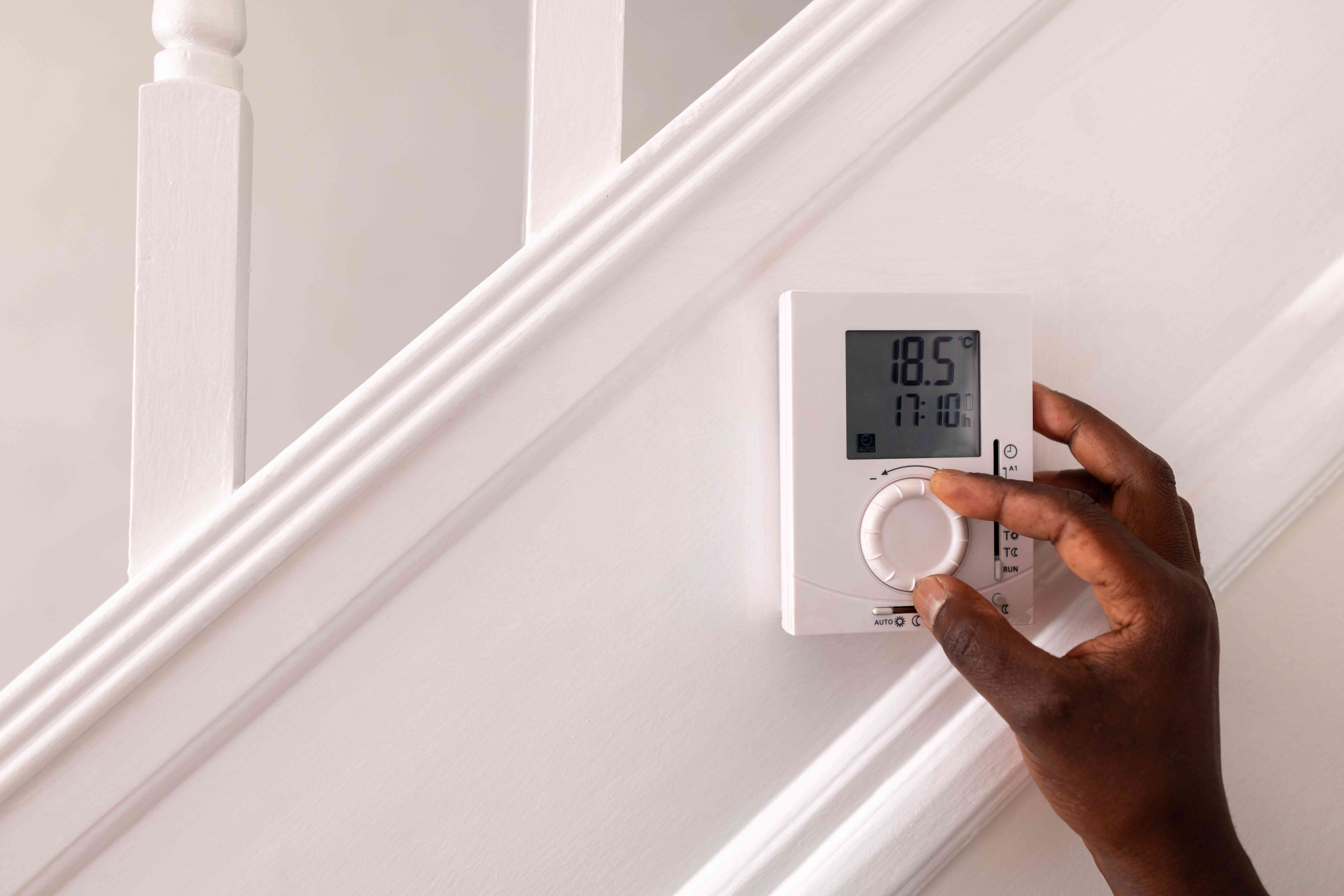
Your home does not need to feel like a luxury hotel suite when nobody is there to enjoy it. Adjusting your thermostat before vacation can save energy while still protecting your house from heat, humidity, or freezing temperatures.
In warm weather, set the thermostat higher than usual, but not so high that humidity becomes a problem. Many homeowners choose a range around the upper 70s to low 80s depending on climate, pets, houseplants, and indoor humidity. In cold weather, keep the heat high enough to prevent frozen pipes. A common setting is around 55 degrees Fahrenheit or higher, but colder regions may need more caution.
Use smart settings wisely
If you have a smart thermostat, set a vacation schedule and confirm remote access before you leave. Do not wait until you are at the airport gate to discover your thermostat app has logged you out and now wants a password you created during the Roman Empire.
For the water heater, check whether it has a vacation mode. This setting lowers energy use while keeping the system ready. If you plan to shut off the main water supply, follow your water heater manufacturer’s guidance, especially for electric units. When in doubt, use vacation mode rather than guessing. Your water heater is not the place for improvisational jazz.
5. Clean Out the Kitchen, Trash, and Refrigerator
A vacation should not end with you opening the refrigerator and meeting a cucumber that has become emotionally complicated. Before leaving, remove perishable foods that will spoil before you return. Check milk, deli meat, leftovers, berries, salad greens, takeout containers, and anything hiding behind the orange juice with suspicious confidence.
Take out all trash, including bathroom trash, kitchen trash, diaper pails, pet waste, and compost bins. Run the garbage disposal with water and a small amount of dish soap if needed. Wash dishes or run the dishwasher early enough that it finishes before you leave, then crack the dishwasher door slightly if it tends to trap moisture.
Prevent odors before they start
Wipe counters, clean the sink, and avoid leaving dirty pans “to soak” for a week. That is not soaking; that is soup with consequences. If you are leaving for an extended time, consider putting an open box of baking soda in the refrigerator and checking that the freezer door seals tightly.
Do not turn off the refrigerator unless it is completely empty, unplugged intentionally, cleaned, dried, and left open to prevent odor and mildew. For normal vacations, leave it running and simply remove anything likely to spoil.
6. Stop Mail, Manage Packages, and Avoid “Nobody’s Home” Clues
An overflowing mailbox, packages stacked on the porch, newspapers in the driveway, and trash cans left by the curb all say the same thing: “The residents are away, and their souvenir budget is probably irresponsible.”
Before your trip, request a mail hold if you will be gone for several days. Arrange package deliveries for before or after your travel dates, redirect shipments when possible, or ask a trusted neighbor to collect them. If you receive regular deliveries, pause them. This includes meal kits, newspapers, subscription boxes, pet supplies, and anything else that might sit outside looking lonely.
Make the house look naturally occupied
Use timers or smart plugs for a few lamps. Avoid leaving one light on 24 hours a day, because that can look less like “someone is home” and more like “someone forgot a lamp in 2009.” Set lights to turn on and off at realistic times. Keep blinds or curtains in their usual positions, but do not leave expensive electronics clearly visible from the street.
If you will be gone longer, arrange lawn care, snow removal, or trash bin help. A freshly maintained exterior quietly says, “Normal life is happening here,” which is exactly the message you want your house to send.
7. Prepare Pets, Plants, and a Trusted House Contact
Pets and plants are the two groups most likely to judge your vacation planning in silence. Make sure they are cared for before you leave. For pets staying home, confirm feeding schedules, medication instructions, vet contact information, emergency contacts, and access details for the pet sitter. Leave more food, litter, bags, or supplies than you think they will need.
For houseplants, water them appropriately before leaving. Move delicate plants away from harsh direct sun if needed. Grouping plants together can help maintain humidity, and self-watering devices may help for longer trips. Just test any watering gadget before the trip, not after you are already holding a boarding pass.
Give your contact the information that matters
A trusted neighbor, friend, or house sitter should know how to reach you, where the water shutoff valve is, how to access the house, and what to do in an emergency. If they are checking the home, ask them to look for leaks, strange smells, alarm sounds, fallen branches, package deliveries, and HVAC issues.
Do not make them guess. A simple printed note or shared document can include your travel dates, contact number, vet, plumber, electrician, alarm company, and any quirks of the house. Every home has quirks. Some homes have character. Some homes have a bathroom fan switch that also turns on a hallway light and a mystery outlet in the garage. Write it down.
8. Confirm Alarms, Documents, Insurance, and Final Walkthrough Details
Your final step is the “grown-up checklist,” which may not sound glamorous, but neither does calling your insurance company from a beach chair. Test smoke alarms and carbon monoxide detectors. Replace weak batteries. Confirm that smart alarms, cameras, and leak sensors can send alerts to your phone.
Take photos or a quick video of your home before leaving, especially if you are going away for a long time. This can be useful for insurance documentation if something happens. You do not need to photograph every spoon, but a simple room-by-room video can document the general condition of your house.
Check documents and emergency access
Make sure important documents are stored safely. This includes passports you are not taking, birth certificates, insurance papers, spare keys, vehicle titles, and financial documents. Lock up valuables or move them out of obvious sight. If you have a safe, use it.
Finally, do a last slow walkthrough before you leave. Not a frantic “I am late” sprint. A calm walkthrough. Look at the stove. Touch the door locks. Check faucets. Scan the floors. Listen for running water. Confirm the thermostat. Unplug small appliances. Take out the trash. Then leave with confidence, not with the emotional energy of a raccoon in a parking lot.
Quick Pre-Vacation House Checklist
- Lock all doors, windows, gates, garage doors, and sheds.
- Arm the security system and check camera connections.
- Inspect faucets, toilets, washer hoses, and water heater areas.
- Turn off the main water valve if appropriate for your home.
- Unplug small appliances, chargers, irons, and heat-producing devices.
- Adjust thermostat and water heater vacation settings.
- Remove trash, clean dishes, and toss perishable food.
- Hold mail, pause deliveries, and arrange package pickup.
- Set light timers or smart plugs to realistic schedules.
- Prepare pet, plant, and house-sitter instructions.
- Test smoke alarms, carbon monoxide detectors, and leak sensors.
- Do one calm final walkthrough before locking up.
Common Mistakes People Make Before Vacation
The biggest mistake is assuming, “I’ll remember.” You will not. Your brain will be busy remembering whether your hotel has free breakfast and whether your phone charger is in the carry-on or enjoying a quiet life on your nightstand.
Another common mistake is leaving home too quickly. Most preventable vacation problems happen because the final hour becomes chaos. Build in a 20-minute home check before departure. That small buffer can prevent big stress.
People also forget outdoor areas. Patio umbrellas, grills, garden tools, bicycles, and lightweight furniture should be secured before storms or wind. Lock sheds and gates. If you have outdoor lights, test them before leaving. If you use irrigation, make sure timers are set correctly and not spraying the driveway like your home is trying to water the pavement into a forest.
Extra Experiences and Practical Lessons From Real Vacation Prep
Anyone who has traveled often learns that the best vacation checklist is usually built from small mistakes. Not catastrophic mistakes, thankfully, but the kind that make you stand in your kitchen after a long flight and say, “Well, we will never do that again.”
One classic experience is the forgotten trash bag. Everything seemed fine when the family left at 5 a.m. The suitcase wheels were rolling, the coffee was strong, and the excitement was real. Seven days later, the kitchen smelled like a raccoon had opened a seafood restaurant in August. The lesson was simple: trash is not a “right before we leave if we remember” task. It belongs on the written checklist, preferably in bold, underlined, and emotionally respected.
Another common lesson involves packages. Ordering something two days before leaving feels harmless until the delivery is delayed and lands on the porch the day after departure. A box sitting outside for a week can attract thieves, weather damage, or simply announce that nobody is home. Experienced travelers often stop online shopping a week before vacation or send deliveries to a pickup location. Future-you will appreciate not having to ask a neighbor to rescue a giant box labeled “premium blender” from the rain.
Then there is the thermostat lesson. Some travelers set the air conditioning too high in summer to save money, only to return to a humid house that feels like a greenhouse with furniture. Others turn the heat too low in winter and worry about pipes. The better approach is balance. Save energy, yes, but protect the home first. A smart thermostat helps, but only if it is connected, updated, and accessible before the trip begins.
Water issues create some of the strongest opinions because water damage can be expensive and sneaky. Many homeowners who have experienced even a small leak become loyal fans of leak detectors, washer valve shutoffs, and knowing exactly where the main water valve is. The important lesson is not panic; it is preparation. Walk through the house and look under sinks. Check around toilets. Listen for running water. If a faucet already drips when you are home, it deserves attention before you leave.
Pet preparation also deserves more seriousness than people sometimes give it. A pet sitter does not automatically know your dog refuses to eat unless the bowl is placed three inches to the left of the cabinet, or that your cat hides in the laundry room when strangers arrive. Clear instructions prevent confusion. Leave food labels, medication notes, vet information, and emergency contacts. Also leave cleaning supplies visible, because pets have comedic timing and digestive systems with no respect for vacation schedules.
One of the most useful habits is taking a quick video during the final walkthrough. Record yourself checking the stove, door locks, thermostat, faucets, and unplugged appliances. This is not for social media unless your audience loves extremely practical cinema. It is for peace of mind. When you are halfway to the airport and suddenly wonder whether the oven is off, you can check the video instead of emotionally negotiating with reality.
The final experience is about slowing down. Many vacation problems start because departure becomes a race. Someone cannot find sunglasses. Someone else forgot a toothbrush. The rideshare is early. The dog is suspicious. Suddenly, the house check gets skipped. The best travelers create a departure ritual: bags by the door, checklist on the counter, final walkthrough, lock up, photo of the door, and go. It sounds simple because it is. And simple is exactly what you want before vacation.
Conclusion
A great trip starts before you leave the driveway. Double-checking your house before vacation protects your home, saves energy, reduces stress, and helps you return to normal life without discovering a leak, smell, power issue, or pile of mail doing its best impression of a warning sign.
The key is to focus on the big eight: entry points, water, electrical items, energy settings, kitchen cleanup, mail and deliveries, pets and plants, and alarms or documents. You do not need a complicated system. You need a reliable checklist, a calm final walkthrough, and the humility to admit that vacation brain cannot be trusted with everything.
Do the checks, lock the door, and go enjoy your trip. Your house will be fine, your mind will be quieter, and your future self will not have to meet a haunted refrigerator.
SEO Tags
Note: This article synthesizes practical guidance from reputable U.S. home safety, energy, insurance, postal, and fire-prevention resources, including government agencies, consumer safety organizations, and major home insurance publications.