Your home is full of loyal little objects doing thankless work every day. The smoke alarm blinks from the ceiling like a tiny security guard. The HVAC filter quietly catches dust, pollen, pet hair, and whatever mystery particles appear after someone shakes a blanket. Your toothbrush stands in the bathroom cup like a brave soldier, even though its bristles have started leaning in twelve directions.
The problem is that many household items do not dramatically announce their retirement. They do not send a resignation email. They do not pack a box and say, “It has been an honor.” They simply become less effective, less hygienic, or in some cases, less safe. That is why knowing which things to replace in your home can make a real difference for comfort, health, safety, and even energy costs.
This guide focuses on three home items you should probably replace right now: old smoke and carbon monoxide alarms, dirty HVAC air filters, and worn toothbrushes or electric toothbrush heads. These are not fancy upgrades. Nobody is asking you to install a marble waterfall in the laundry room. These are practical, affordable replacements that can help your home work better and make daily life cleaner, safer, and less suspiciously dusty.
1. Old Smoke and Carbon Monoxide Alarms
If there is one item in your home that should never be treated like decorative ceiling jewelry, it is the smoke alarm. Smoke alarms and carbon monoxide alarms are small, inexpensive devices with a very serious job: warning you early when something dangerous is happening. They are easy to ignore because they are usually silent, and silence can trick us into thinking everything is fine. But silence from an expired or broken alarm is not peace. It is a tiny plastic betrayal.
Smoke alarms should generally be replaced every 10 years. That date matters because sensors age, dust builds up, and electronics do not stay perfect forever. If you do not know how old your smoke alarm is, twist it off its mounting bracket and look for the manufacture date on the back. If the date is missing, faded, or old enough to remember flip phones, replace it.
Carbon monoxide alarms also have a limited service life. The exact replacement schedule depends on the model, so check the manufacturer’s label or manual. Many modern alarms include an end-of-life warning chirp, but waiting for a chirp is not a maintenance strategy. It is more like letting your house yell at you until you finally do the obvious thing.
Signs Your Alarms Need Replacing
Replace smoke or carbon monoxide alarms immediately if they fail a test, are more than 10 years old, are discolored or damaged, have missing battery covers, or continue chirping after you install fresh batteries. A chirping alarm at 2:17 a.m. is annoying, yes, but it is also information. Your ceiling is trying to have a meeting.
Every home should have smoke alarms on each level, inside bedrooms, and outside sleeping areas. Carbon monoxide alarms should be placed near sleeping areas and on each level, especially in homes with fuel-burning appliances, fireplaces, attached garages, or generators used nearby during outages. Proper placement matters because alarms cannot warn you about danger they cannot detect.
How to Replace Them the Smart Way
When shopping for replacements, choose alarms from recognized brands that meet current safety standards. Combination smoke and carbon monoxide alarms can be convenient, but make sure they are approved for both functions. For smoke detection, many homes benefit from having both photoelectric and ionization technologies, or dual-sensor units, because different fire types can produce different smoke patterns.
After installation, test each alarm monthly. If it uses replaceable batteries, replace them according to the manufacturer’s instructions or at least once a year if recommended for that model. If the alarm uses a sealed 10-year battery, do not try to pry it open like you are defusing a movie bomb. Replace the entire unit at the end of its life.
And yes, label the install date with a permanent marker. Future-you will appreciate not having to stand on a chair squinting at microscopic numbers while wondering whether “2016” is a date or a product code.
2. Dirty HVAC Air Filters
Your HVAC filter is one of the most underappreciated parts of the house. It sits in a slot near your furnace, air handler, or return vent and quietly catches airborne particles before they circulate through your system. When it is clean, it helps your heating and cooling equipment breathe. When it is clogged, it makes the system work harder, wastes energy, reduces airflow, and can contribute to more dust floating around your home.
If your vents seem weak, your rooms feel unevenly heated or cooled, your allergies feel extra dramatic indoors, or your energy bill is acting like it joined a gym and bulked up, check the filter. A dirty filter is not always the only cause, but it is one of the easiest things to inspect and replace.
How Often Should You Replace an HVAC Filter?
The best answer is: follow the manufacturer’s instructions for your filter and system. The practical answer is: many homes should inspect the filter monthly and replace it when it looks dirty or according to schedule. During heavy heating or cooling seasons, filters may need replacement every month or two. Homes with pets, smokers, allergy sufferers, nearby construction, wildfire smoke exposure, or high dust levels may need more frequent changes.
Thicker pleated filters can sometimes last longer than thin fiberglass filters, but “longer” does not mean “forever.” A filter that looks like a gray shag carpet has completed its mission. Thank it for its service and send it to the trash.
Choosing the Right Filter
Filter efficiency is often rated using MERV, which stands for Minimum Efficiency Reporting Value. Higher MERV ratings generally capture smaller particles more effectively, but not every HVAC system can handle every high-efficiency filter. A filter that is too restrictive can reduce airflow and strain equipment. Many experts recommend choosing the highest-rated filter your system can safely accommodate, and the EPA often points to MERV 13 as a strong option when compatible.
Before upgrading, check your HVAC manual or ask an HVAC professional. This is especially important if your system is older, your filter slot is narrow, or you notice airflow problems after switching filters. The goal is cleaner air, not turning your furnace into a wheezing accordion.
A Simple Replacement Routine
Write the replacement date on the filter frame before installing it. Make sure the arrow printed on the filter points in the direction of airflow, usually toward the furnace or air handler. Slide it in securely, close the panel, and set a reminder on your phone for the next inspection. This takes less time than watching someone online explain how to fold a fitted sheet, and unlike that video, it actually works.
Replacing HVAC filters is not glamorous, but it is one of the easiest home maintenance habits to build. Clean filters support better airflow, protect equipment, and can help improve indoor air quality when paired with good ventilation and regular cleaning.
3. Worn Toothbrushes and Electric Toothbrush Heads
Your toothbrush may look innocent, but it has one of the hardest jobs in the house. Twice a day, it scrubs plaque, food particles, and bacteria from your teeth and gums. Then it stands upright in the bathroom, recovering from battle while pretending it has not just seen things.
The American Dental Association and other dental health experts generally recommend replacing a toothbrush or electric toothbrush head every three to four months, or sooner if the bristles are frayed, matted, bent, or worn. Once bristles lose their shape, they cannot clean as effectively. A toothbrush with flattened bristles is basically a tiny broom after a tornado.
Signs Your Toothbrush Needs to Go
Replace your toothbrush if the bristles flare outward, the head looks stained, the handle is cracked, or it has been more than four months since you opened it. Also consider replacing it after you have been sick, especially if the brush was stored close to other brushes. While you do not need to panic-clean your entire bathroom like a movie laboratory scene, starting fresh with a new toothbrush is a simple, low-cost reset.
Children may need toothbrush replacements more often because they sometimes chew the bristles, press too hard, or use the brush as a multipurpose object of imagination. If a toothbrush has been used as a dinosaur tail, magic wand, sink scrubber, or “science experiment,” it has left dentistry and entered retirement.
How to Store a Toothbrush Properly
After brushing, rinse the toothbrush thoroughly and store it upright where it can air-dry. Avoid sealing a wet toothbrush in a closed container every day because trapped moisture can encourage microbial growth. Travel covers are useful for travel, not for turning your brush into a humid little cave.
Keep toothbrushes separated if multiple people share a bathroom. They do not need to socialize. A toothbrush family reunion is not cute when bristles are touching.
For electric toothbrush users, replacement heads matter just as much as manual brushes. The motor can keep buzzing enthusiastically, but if the bristles are worn, the cleaning performance drops. Many electric brush heads have color-fade indicators, but you can also set a three-month reminder. Your teeth do not care whether the handle still looks expensive; they care whether the bristles can do their job.
Why These Three Replacements Matter More Than You Think
These three household replacements are easy to postpone because they are not exciting. A new alarm, filter, or toothbrush does not transform a room like a couch or a fresh coat of paint. Nobody walks into a house and says, “Wow, your HVAC filter really pulls the space together.” But these small items affect safety, air quality, hygiene, and everyday comfort.
Old alarms are a safety risk because they may not warn you when seconds matter. Dirty HVAC filters can strain your system and circulate more dust. Worn toothbrushes can clean less effectively, even if you are brushing regularly. In other words, these items sit quietly in the background until they become a problem. Replacing them before that happens is boring in the best possible way.
A Quick Replacement Checklist
Replace Smoke and CO Alarms If:
- They are 10 years old or older.
- They fail the monthly test.
- The manufacture date is missing or unreadable.
- They continue chirping after proper battery replacement.
- They are damaged, painted over, or covered in dust.
Replace HVAC Filters If:
- The filter looks gray, dusty, or clogged.
- Airflow from vents feels weak.
- Your system has been running heavily during hot or cold weather.
- You have pets, allergies, smoke exposure, or nearby construction dust.
- It has reached the manufacturer’s replacement interval.
Replace Toothbrushes If:
- It has been three to four months.
- Bristles are frayed, bent, or flattened.
- You recently recovered from illness and want a fresh start.
- The brush head looks stained or worn.
- Your electric brush head indicator has faded.
Bonus: Other Home Items Worth Inspecting
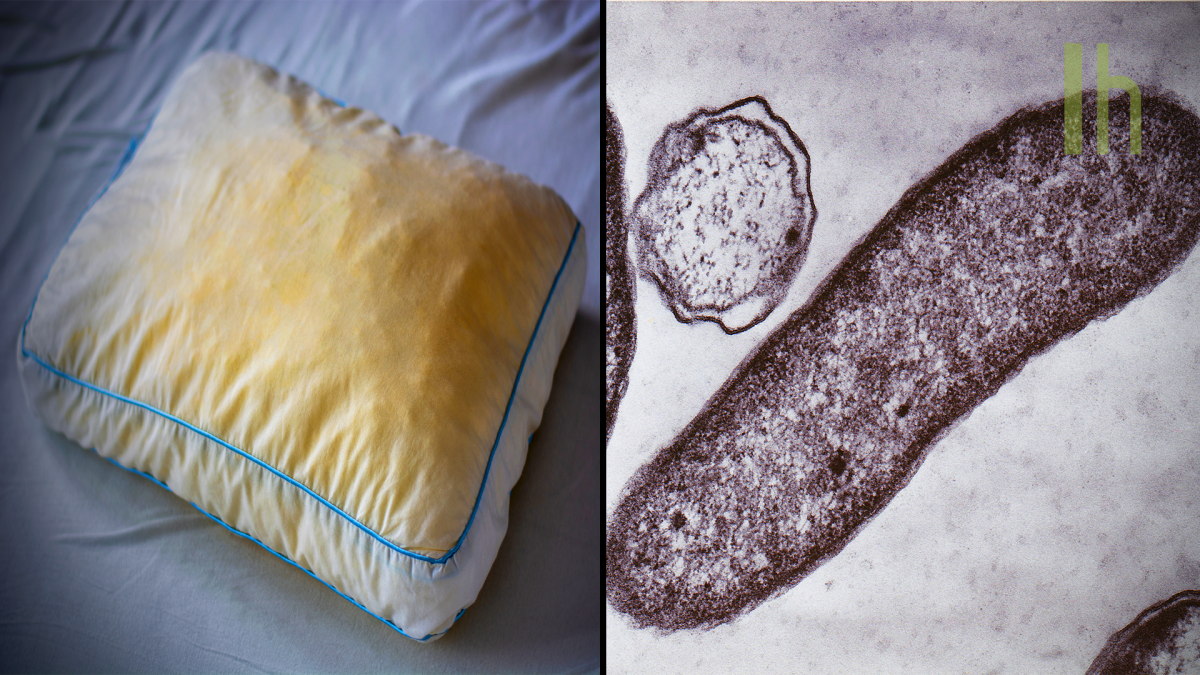
Once you get into replacement mode, it is worth glancing at a few other household items. Worn cutting boards with deep grooves can become hard to clean thoroughly, especially after contact with raw meat, poultry, seafood, or eggs. Kitchen sponges and dishcloths should be cleaned, dried, and replaced regularly because damp tools can hold food residue and germs. Vacuum filters, refrigerator water filters, shower liners, and old pillows may also deserve a hard look.
The trick is not to replace everything out of panic. The trick is to notice when an item can no longer do its job well. A scratched cutting board that cannot be cleaned properly is different from a perfectly usable one with light wear. A pillow that supports your neck is different from one that has collapsed into a sad pancake. Be practical, not dramaticunless your sponge smells like a swamp, in which case drama is appropriate.
Real-Life Experiences: What Happens When You Actually Replace These Things
The funny thing about basic home maintenance is that you often do not realize how much something was bothering you until you fix it. Replacing these three items can feel almost suspiciously satisfying, like your house suddenly stopped mumbling under its breath.
Take smoke alarms, for example. Many people discover the age of their alarms only after one starts chirping in the middle of the night. You climb on a chair, half-awake, holding a battery like it is a peace offering. Then you flip the alarm over and realize it was manufactured during an era when people still burned CDs. Replacing it brings instant relief. Not just because the chirping stops, but because you know the device above your head is not an antique pretending to be a safety tool.
HVAC filters create a different kind of surprise. A homeowner may pull out the old filter and see a thick layer of gray dust, pet hair, and mystery fluff. Suddenly the weak airflow makes sense. The bedroom was not cursed. The living room was not “just naturally stuffy.” The system was trying to breathe through a dusty sweater. After a fresh filter goes in, airflow can feel stronger, the system may sound less strained, and the house may feel fresher. It is one of those tiny chores that makes you wonder why you waited so long.
Toothbrush replacement is even more personal. A new toothbrush feels oddly luxurious for something that costs less than lunch. The bristles stand up straight. The handle is clean. The first brushing feels crisp, like your mouth opened a window. Then you look at the old brush and wonder how long it had been quietly losing the will to live. Replacing it every few months turns oral care from a vague habit into a simple routine you can actually track.
One useful experience is to make a small “replacement day” every season. Walk through the house and check alarms, filters, toothbrushes, kitchen sponges, and cleaning tools. It does not have to be a full home inspection with a clipboard and dramatic music. Just spend 20 minutes looking at the items that quietly protect your home and health. Write dates on filters. Mark alarm replacement years. Keep spare toothbrush heads in a drawer. Put one extra HVAC filter near the system so you are not forced to go shopping during a heat wave.
Another helpful habit is pairing replacement tasks with events you already remember. Change filters when you pay the electric bill. Check alarms when seasons change. Replace toothbrushes at the start of January, April, July, and October. Your brain loves patterns, especially when the alternative is trying to remember whether you bought that toothbrush in March, May, or during the emotional fog of a holiday sale.
These small replacements also create a quiet sense of control. You may not be able to stop dust from existing, prevent every kitchen spill, or convince children not to treat toothbrushes like chew toys. But you can replace the items that have clearly passed their prime. That is home care at its best: not perfect, not expensive, just smart enough to keep problems from becoming bigger than they need to be.
Conclusion
Replacing things in your home does not always mean buying something fancy. Sometimes it means swapping out the overlooked items that keep your home safer, cleaner, and more comfortable. Old smoke and carbon monoxide alarms protect you only if they still work. Dirty HVAC filters can make your system struggle and your air feel stale. Worn toothbrushes keep showing up for work, but they may not be cleaning as well as they should.
The good news is that these replacements are simple. Check the dates on your alarms. Inspect your HVAC filter. Look at your toothbrush bristles with honest eyes. If any of them look like they have been through a tiny household war, replace them. Your home will not throw a parade, but it might breathe better, feel safer, and smell less like a mystery.