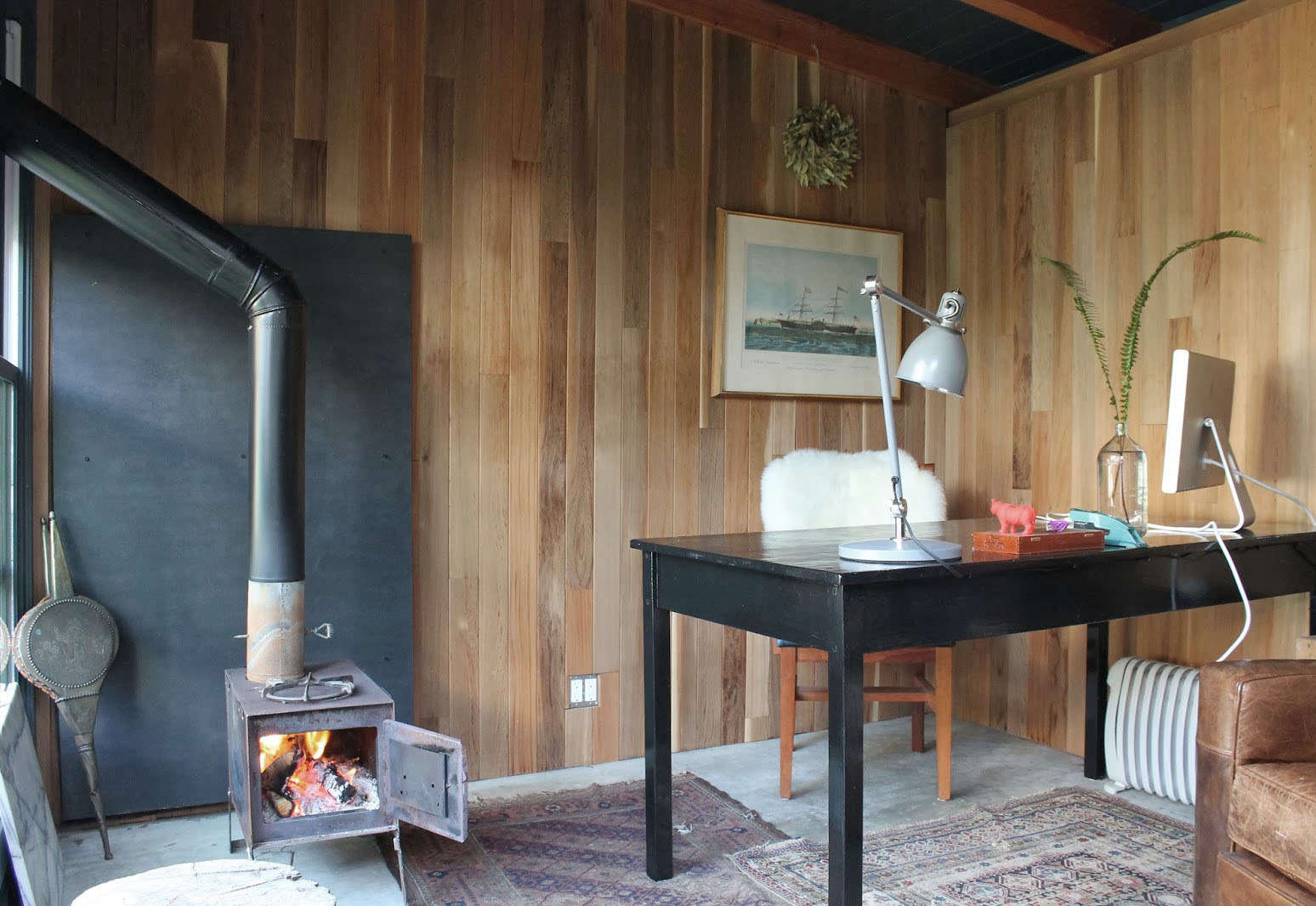
A good camp stove is a little like a good pocketknife: compact, practical, surprisingly handsome, and ready to make you look more competent than you felt five minutes earlier. The best ones do not simply boil water; they turn a patch of dirt, a tailgate, a cabin porch, or a carefully planned campsite into a temporary kitchen with manners.
The phrase “Design Sleuth: The Camp Stove for Home and Wilderness” points to a fascinating overlap: outdoor gear that does not look like it was designed during a committee meeting in a fluorescent basement. Some camp stoves are all function and no charm. Others, like the rugged wood-burning tent stoves made by Kni-Co in Oregon, have the kind of honest, tool-like beauty that makes design lovers pause mid-scroll and whisper, “Wait, why do I want a stove pipe now?”
This guide explores the camp stove as both equipment and design object: how it works, where it belongs, what fuel types make sense, and why the right stove can be equally at home in a wilderness camp, a backyard cooking setup, a wall tent, or an emergency-ready household kit. It is not a toy, not a shortcut for indoor cooking, and definitely not a decorative object to fire up in the living room. But when selected and used properly, a camp stove is one of the most satisfying pieces of outdoor design you can own.
What Makes a Camp Stove Worth Sleuthing?
Design sleuthing is about noticing the quiet genius behind everyday objects. In a camp stove, that genius lives in the balance between heat, airflow, stability, portability, and control. A stove must be strong enough to support a pot of chili, efficient enough not to guzzle fuel like a raccoon at a campground buffet, and safe enough to use in changing outdoor conditions.
The Kni-Co Denali-style wood camp stove is a perfect example of old-school utility with design presence. Its appeal is not glossy minimalism. It is the sturdy charm of steel, stove pipe, flat cooking surfaces, side shelves, water-tank options, and the comforting geometry of a tool made for cold mornings and real meals. The design says, “I can make coffee at dawn,” which is one of the most persuasive sentences in the English language.
Modern camp stoves take many forms. A propane two-burner stove serves family car campers. A compact canister stove keeps backpackers moving light. A liquid-fuel stove handles cold-weather trips and remote travel. A wood-burning biomass stove appeals to those who like cooking with found fuel where rules allow it. Each style solves a different problem, and the best choice depends less on trend and more on context.
The Camp Stove Family Tree
Wood-Burning Camp Stoves
Wood-burning camp stoves have a primal appeal: gather approved dry sticks or use prepared wood fuel, feed the firebox, and cook over a contained flame. Larger tent stoves can also provide heat in certain properly equipped canvas tents or shelters designed for that purpose. Their design usually emphasizes airflow, burn control, a stable cooking surface, and a stove pipe that routes smoke away from the shelter.
The trade-off is weight and responsibility. A heavy steel stove is not backpacking gear; it is basecamp gear. It suits wall tents, cabins, hunting camps, cold-weather trips, and off-grid settings where transport is handled by vehicle, sled, or very optimistic friends. Wood stoves also require fire awareness, local rule checking, and careful site management. During dry seasons or fire restrictions, wood flame may be limited or prohibited.
Propane Two-Burner Camp Stoves
The classic propane camp stove is the picnic-table hero. It folds like a metal suitcase, opens into a two-burner kitchen, and makes pancakes possible without asking anyone to whittle kindling before breakfast. For car camping, tailgating, backyard backup cooking, and family trips, propane stoves remain popular because they are familiar, stable, and easy to control.
Two burners matter when you want real meals: pasta and sauce, eggs and bacon, coffee and oatmeal, or soup and grilled cheese. The most useful designs include wind guards, a sturdy grate, adjustable burners, reliable ignition, and enough spacing for a skillet and pot to coexist without elbowing each other like commuters on a crowded subway.
Canister Backpacking Stoves
Canister stoves are the tiny overachievers of the stove world. They screw onto fuel canisters, weigh very little, and often boil water quickly. They are ideal for backpackers, solo campers, and anyone who wants a compact cooking kit for dehydrated meals, coffee, and simple one-pot dishes.
Their main limitation is stability and weather performance. A small burner perched on a fuel canister can feel top-heavy with a large pot, and wind can reduce efficiency. Still, for fast, light travel, a compact canister stove is hard to beat. Integrated stove systems improve wind resistance and efficiency by pairing the burner with a dedicated pot, though they may be less flexible for actual cooking beyond boiling water.
Liquid-Fuel and Multi-Fuel Stoves
Liquid-fuel stoves appeal to serious winter campers, expedition travelers, and people who like gear that sounds as if it should come with a field manual. White gas models perform well in cold conditions, and multi-fuel stoves can be useful where canisters are hard to find. They require more familiarity, more maintenance, and more care in handling fuel, but they reward experienced users with reliability in difficult environments.
Biomass and Electricity-Generating Stoves
Some newer wood-burning camp stoves use fans, improved combustion, or thermoelectric systems to burn more efficiently and even charge small devices. This is where camp stove design starts wearing a lab coat. A stove that cooks dinner while topping up a headlamp battery sounds futuristic, yet it still depends on the oldest cooking fuel around: small pieces of wood.
Home and Wilderness: Same Stove, Different Rules
The word “home” needs careful handling here. A camp stove can belong around the home as part of an outdoor kitchen, patio setup, emergency preparedness kit, or properly designed outbuilding. But portable camp stoves should not be used inside a house, garage, bedroom, ordinary tent, or enclosed space. Combustion produces carbon monoxide, an invisible and dangerous gas, and “I cracked a window” is not a safety plan; it is a sentence that makes firefighters sigh.
For home-adjacent use, think outdoors: driveway cooking during a power outage, backyard boiling for a crab feast, patio coffee during a renovation, or a basecamp-style setup near a cabin. In wilderness use, the stove becomes part of a larger system that includes food storage, water planning, fire restrictions, weather, wind, fuel supply, and cleanup.
A well-designed camp stove helps in both settings because it creates a predictable cooking zone. The stove lifts flame off the ground, supports cookware securely, and focuses heat where you need it. Compared with an open campfire, it can be more efficient, easier to control, and less impactful when used correctly.
Key Design Features to Look For
Stability Comes First
No feature matters if your pot wobbles like a nervous jellyfish. A good camp stove has a wide stance, strong pot supports, and a surface that feels secure. For family cooking, a two-burner tabletop stove with a broad base is often easier and safer than a tiny burner supporting a huge skillet. For backpacking, match pot size to stove size and avoid creating a tower of soup.
Wind Resistance Is Not Optional
Wind is the unpaid intern of outdoor cooking: always there, rarely helpful. It steals heat, increases fuel use, and turns a simple boil into a philosophical exercise. Wind guards, recessed burners, integrated pot systems, and smart site selection all improve performance. Even a powerful stove can struggle if exposed to gusts from every direction.
Simmer Control Makes Real Cooking Possible
High BTUs look exciting on paper, but control matters more when dinner is not simply “boil water and apologize.” A stove that simmers well can cook rice, eggs, sauces, pancakes, and soups without scorching everything into a tribute to carbon. For outdoor cooks who enjoy actual meals, adjustable flame control is a major design feature.
Packability Depends on the Trip
For backpacking, ounces matter. For car camping, comfort may matter more. For a wall tent in cold weather, a heavier wood stove may be worth every pound because it creates heat, cooking surface, and camp morale. The right stove is not the lightest or most powerful; it is the one that fits the trip.
Fuel Availability Shapes the Experience
Propane is convenient for car camping. Isobutane-propane canisters are common for backpacking. White gas shines in cold and remote conditions. Wood fuel reduces reliance on canisters but depends on local rules and available dry material. Butane can be elegant and compact for mild-weather camp kitchens, though it is less ideal in cold temperatures.
Before buying a stove, ask: Where will I use it? How many people will I feed? What weather is likely? Can I easily find the fuel? Am I cooking meals or just boiling water? These questions are not glamorous, but neither is discovering at 7 p.m. that your gourmet campsite pasta plan is now a cold granola bar with emotional damage.
Why the Kni-Co Style Still Feels Relevant
The Kni-Co-style steel camp stove appeals because it refuses to pretend. It is not trying to be invisible. It is a box of controlled fire with legs, a flue, and a flat top. That honesty makes it beautiful in the same way a cast-iron skillet or canvas tent is beautiful: purpose becomes the decoration.
For design-minded campers, this kind of stove has three big lessons. First, durable materials age better than fragile novelty. Second, modularity matters; shelves, water tanks, pipe sections, dampers, and spark arrestors let the stove adapt to the user. Third, a product designed for harsh conditions can still look good in a home context, provided the context is appropriate and safe.
This is the heart of “home and wilderness” design: objects that do not collapse when removed from a showroom. A camp stove should tolerate mud, soot, wind, cold fingers, and imperfect lighting. If it also looks excellent beside a stack of split wood, that is not a flaw. That is charisma.
Camp Stove Safety Without Killing the Vibe
Safety is not the boring part of camp cooking; it is the reason the fun continues tomorrow. Always use fuel-burning camp stoves outdoors in open, ventilated areas unless you are using a stove specifically designed and properly installed for a vented shelter system. Keep stoves away from tents, dry grass, leaves, low branches, picnic-table clutter, and anything that looks eager to catch fire.
Set the stove on a flat, nonflammable, stable surface. Keep children and pets away from the cooking zone. Never leave a burning stove unattended. Read the manufacturer’s instructions, check local fire restrictions, and understand that rules can change quickly during wildfire season. A stove that is allowed in spring may be restricted in late summer.
For wood-burning models, use only appropriate fuel and manage sparks carefully. For propane or canister stoves, inspect connections and store fuel safely. For liquid-fuel stoves, practice only in safe outdoor conditions and follow instructions closely. Your goal is delicious food, not becoming the main character in a cautionary brochure.
What to Cook on a Camp Stove
The best camp stove meals are designed around heat control and cleanup. One-pot meals work beautifully: chili, ramen with vegetables, rice bowls, oatmeal, curry, pasta, couscous, lentil soup, or skillet hash. For car camping, a two-burner stove lets you cook almost like you do at home, except the cutting board may be balanced on a cooler and someone will inevitably ask where the spatula went.
For backpacking, keep meals lighter and simpler. Dry foods save weight and pack efficiently. Plan around how much water you need and how long your fuel will last. The wilderness is not impressed by complicated menus. It prefers meals that are warm, nourishing, and possible before everyone becomes dramatically hungry.
Buying Advice: Match Stove to Personality
If you are a weekend car camper, choose a sturdy propane two-burner stove with good simmer control, wind protection, and easy cleanup. If you backpack, choose a lightweight canister stove or integrated stove system based on whether you cook real food or mostly boil water. If you camp in winter or travel far from standard fuel supplies, consider a liquid-fuel stove after learning its maintenance needs. If you love classic camp craft, have safe conditions, and travel by vehicle, a wood-burning tent stove may become the centerpiece of your camp.
If design matters to you, do not apologize. A tool you enjoy using gets used more often and cared for better. Look for honest materials, repairable parts, stable geometry, intuitive controls, and a form that makes sense. Beauty in outdoor gear is not about looking delicate; it is about visible competence.
Field Notes: Experiences With a Camp Stove for Home and Wilderness
The first thing you learn from cooking outdoors is that every meal has a supporting cast. There is the stove, yes, but also the wind, the table, the fuel, the pot, the person who packed the salt, and the person who confidently said, “We do not need the salt.” Spoiler: you need the salt.
A camp stove changes the rhythm of a trip. In the morning, it becomes the center of gravity. People drift toward it with mugs, sleepy faces, and the fragile hope that coffee is imminent. On a cold day, even the sound of a burner catching feels encouraging. The stove says the day is beginning, and breakfast is not theoretical.
At home, a camp stove can be part of a practical outdoor routine. During a kitchen remodel, it can turn the patio into a temporary breakfast station. During a power outage, it can help you heat water or cook simple meals outside while the refrigerator becomes a suspense novel. For backyard gatherings, it makes outdoor cooking feel less like a production and more like a casual ritual.
In the wilderness, the relationship becomes more intimate. You notice how fast water boils in wind. You learn which pan fits best. You discover that simmer control is the difference between golden pancakes and edible roofing material. You become deeply loyal to a stove that performs well when everyone is tired.
Wood-burning stoves add another layer of experience. They smell like camp, sound like comfort, and make a cold shelter feel civilized. But they also demand attention. You manage fuel, airflow, sparks, and ash. You respect the stove because it is not pretending to be harmless. That respect is part of the pleasure. The fire is contained, but it is still fire.
The best camp stove experience is not about pretending you are a rugged pioneer with a titanium spork. It is about reducing friction. A good stove makes the outdoors more welcoming. It gives structure to meals, warmth to routine, and confidence to the cook. It lets you spend less time fighting the elements and more time enjoying where you are.
And sometimes, the experience is simply aesthetic. A well-made stove beside a canvas tent, a kettle steaming in early light, a skillet balanced over steady heat: these are small scenes of order in a wild setting. They remind us that design is not only what something looks like. Design is how it behaves when the weather changes, when hands are cold, when dinner matters, and when the nearest kitchen is miles away.
Conclusion: The Camp Stove as Serious Design
A camp stove is more than a burner. It is a compact answer to one of the oldest human questions: how do we make heat useful? The best designs are stable, efficient, durable, and appropriate to their environment. Whether you admire the rugged steel presence of a wood-burning tent stove, the convenience of a propane two-burner, or the featherweight cleverness of a backpacking canister stove, the lesson is the same: good outdoor design earns trust by working well.
For home and wilderness, choose with honesty. Do not buy a heavy tent stove for ultralight hiking. Do not expect a tiny backpacking stove to feed eight hungry campers. Do not use portable stoves indoors. Do choose a stove that matches your cooking style, fuel access, safety needs, and sense of adventure. The right camp stove will not just cook your food. It will improve the entire atmosphere around itand possibly make you look like the calm, capable camp chef you always suspected you could be.