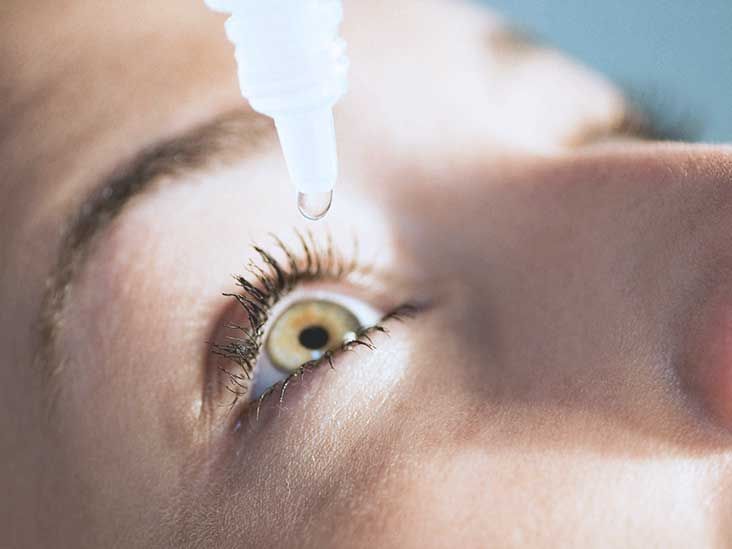
Let’s get right to it: homemade eye drops are usually not safe. Your eyes are not the place for kitchen experiments, Pinterest potions, or “my cousin swears by this” wellness adventures. The surface of the eye is delicate, and anything that goes into it needs to be clean, properly formulated, and ideally sterile. Once you start mixing water, salt, herbs, oils, or other ingredients at home, you lose control over all three.
If you’re dealing with dry, itchy, irritated, or red eyes, the temptation to whip up a do-it-yourself fix makes sense. Eye drops can be confusing. Drugstore shelves look like they were designed by a committee of chemists and marketers. But “natural” does not automatically mean “safe,” and “homemade” definitely does not mean “eye-friendly.”
In most cases, the smarter move is to skip DIY eye drops and use safer options instead, such as preservative-free artificial tears, sterile eyewash, warm compresses, eyelid hygiene, or a quick visit to an eye doctor if symptoms are getting worse. In other words, your eye wants a carefully made product, not a saltwater smoothie.
Why Homemade Eye Drops Sound Like a Good Idea
People usually turn to homemade eye drops for one of four reasons:
- They want a cheaper alternative to store-bought products.
- They assume “natural” ingredients must be gentler.
- They are trying to soothe dry eyes, allergies, or mild irritation fast.
- They want to avoid preservatives or ingredients they do not recognize.
Those concerns are understandable. Many people with dry eye disease or eye irritation do need ongoing symptom relief, and repeated purchases of eye drops can feel expensive. On top of that, some over-the-counter drops do contain preservatives that can bother certain users when used often. So the instinct to look for an alternative is not irrational. It is just risky when the alternative lives in your kitchen.
The Big Problem: Your Eye Needs Sterility, Not Good Intentions
The main reason homemade eye drops are unsafe is sterility. Any product placed directly into the eye should be sterile. That is not a fancy bonus feature. That is the baseline.
At home, it is nearly impossible to make eye drops that stay truly sterile. You may boil water. You may wash your hands. You may use a clean jar and feel very proud of it. But eyes are not impressed by effort. Bacteria, fungi, and other microbes can still get into the mixture through the water, the container, the air, your hands, or the dropper tip itself.
And if a contaminated liquid goes into your eye, the result can be more than irritation. It can lead to an eye infection, corneal damage, worsening inflammation, or vision problems. That is a steep price to pay for a do-it-yourself hack.
Common DIY Ingredients Can Backfire
Homemade eye drop recipes often involve ingredients like saltwater, distilled water, chamomile tea, herbal infusions, aloe vera, coconut oil, castor oil, or even breast milk. The internet really has range. Unfortunately, the eye is not a fan of improvisation.
Here is why these ingredients can cause problems:
- Water: Even distilled or boiled water is not the same as a sterile ophthalmic solution.
- Salt: The concentration may be wrong, which can sting or irritate the eye.
- Herbs and teas: These may contain particles, allergens, or microbes.
- Oils: These are not designed for direct ocular use and may blur vision or worsen irritation.
- Household containers: A container can look spotless and still be unsafe for eye use.
The eye’s surface has a very specific environment. A drop that is too concentrated, too acidic, too contaminated, or just plain not meant for eyes can upset that environment fast.
Can Homemade Saline Work as an Eye Rinse?
This is where many people get tripped up. They think, “It’s just salt and water. What could go wrong?” Quite a bit, actually.
Homemade saline may sound harmless, but it is not the same as sterile saline eyewash. Store-bought sterile eyewash is made under controlled conditions and packaged to reduce contamination. Homemade saline is not. Even when the ingredients seem simple, the final product may not be sterile, properly buffered, or at the right concentration for the eye.
For contact lens wearers, this matters even more. Using tap water, nonsterile water, or homemade saline around contacts can increase the risk of serious eye infections, including infections that are difficult to treat. Contact lenses can trap microbes against the cornea, which is not a fun surprise for anyone.
What Risks Do Homemade Eye Drops Create?
If you use homemade eye drops, you may be rolling the dice on several problems at once.
1. Eye infection
This is the biggest concern. Nonsterile drops can introduce bacteria, fungi, or other organisms into the eye. Infections can become serious quickly, especially if the cornea is involved.
2. Corneal irritation or injury
If the solution has the wrong salt level, pH, or ingredients, it can irritate the surface of the eye. Instead of soothing dryness, it may increase burning, stinging, redness, or pain.
3. Allergic reaction
Herbal or “natural” mixtures can trigger allergies. Your eye may react with swelling, itching, tearing, or worsening redness. Nature is beautiful, but pollen also exists. So let’s not romanticize every plant.
4. Delayed treatment
Sometimes the real danger is not the drop itself but the delay it causes. If someone uses homemade drops for what they think is dry eye, but the real issue is an infection, corneal abrasion, severe allergy, or inflammation, they may put off proper treatment until the problem gets worse.
5. Contact lens complications
DIY drops and contact lenses are an especially bad combo. Nonsterile fluid plus a lens sitting on the eye equals a higher risk of irritation and infection.
So What Is Safe for Dry or Irritated Eyes?
If your eyes feel dry, scratchy, mildly red, or irritated, you have better options than playing home pharmacist.
Use preservative-free artificial tears
These are one of the safest first-line options for many people with occasional or frequent dry eye symptoms. Preservative-free drops are especially useful if you need to use them often or if regular drops seem to irritate your eyes.
Try a sterile eyewash for rinsing
If you need to flush out dust, debris, or mild irritation, use a sterile eyewash or sterile saline made for the eyes. Not tap water in a mug. Not your homemade “clean” saltwater. And definitely not a mystery bottle from the back of a bathroom cabinet that has seen things.
Use warm compresses
If your eyes are irritated because of dry eye, meibomian gland dysfunction, or blepharitis, a warm compress can help loosen oil in the eyelids and improve tear quality. Sometimes the solution is not “more moisture” but “better tears.”
Practice lid hygiene
If crusting, lid irritation, or blepharitis is part of the problem, gentle eyelid cleansing can help. Use products designed for that purpose or follow guidance from an eye care professional.
Adjust your environment
Dry air, fans, smoke, heavy screen use, and air conditioning can all make symptoms worse. Running a humidifier, taking blink breaks, and reducing exposure to irritants can help more than people expect.
Use the right drop for the right problem
Not every eye drop is meant for every symptom. “Get the red out” drops can temporarily shrink blood vessels, but they do not treat the cause of dryness and may be a poor choice for frequent use. If your main problem is dry eye, artificial tears are usually the better lane.
When Should You Skip Self-Treatment and Call a Doctor?
Some eye symptoms deserve professional care, not home experiments and wishful thinking. Seek medical care promptly if you have:
- Eye pain that is moderate or severe
- Blurred vision or vision changes
- Light sensitivity
- Thick discharge
- Persistent redness in one eye
- An eye injury or a chemical splash
- Symptoms that are getting worse instead of better
- Contact lens-related pain or redness
If you get a chemical splash in your eye, the priority is immediate flushing with lots of clean water or sterile saline, then getting medical guidance right away. That is not the moment to start mixing ingredients like you are on a survival show.
What About “Natural” Remedies That Don’t Go in the Eye?
Here is the good news: not every home remedy is bad. The risky part is putting a homemade liquid directly into the eye. Some supportive home strategies can be perfectly reasonable when used correctly.
Safer home approaches include:
- Warm compresses over closed eyelids
- Artificial tears from a sterile commercial product
- Humidifiers
- Frequent blink breaks during screen time
- Staying hydrated
- Managing allergies with appropriate treatment
- Following contact lens hygiene carefully
That is the difference between a useful home strategy and a risky DIY eye drop recipe. One supports the eye. The other asks your cornea to trust your measuring spoon.
Are There Any Exceptions?
Generally speaking, you should not use homemade eye drops. Full stop. There are prescription eye drops, over-the-counter lubricants, sterile eyewashes, and clinician-guided treatments for a reason. Eyes are delicate, and serious complications can happen when people use products that were never intended for ophthalmic use.
Even products that are medically appropriate for the eye, such as certain saline or prescription drops, need to be manufactured, handled, and stored correctly. That should tell you something. If even legitimate eye products require strict standards, homemade versions are not exactly inspiring confidence.
Bottom Line: Are Homemade Eye Drops Safe?
No, homemade eye drops are not considered safe. They may be contaminated, improperly balanced, irritating, or simply wrong for the condition you are trying to treat. The eye is one of those body parts that strongly prefers professionally made solutions.
If you have mild dryness or irritation, choose safer remedies like preservative-free artificial tears, sterile eyewash, warm compresses, and better screen habits. If symptoms are painful, persistent, one-sided, or affecting vision, see an eye doctor.
Think of it this way: your coffee can survive experimental ingredients. Your eye cannot. Save the DIY energy for banana bread.
Experiences Related to “Are Homemade Eye Drops Safe?”
Many people first consider homemade eye drops after a frustrating week of dry, burning eyes. A common experience goes like this: someone spends all day at a computer, wakes up with gritty eyes, and heads online looking for quick relief. They find advice about saltwater, cooled tea, or plant-based ingredients and assume that because the recipe sounds simple, it must be harmless. After all, how dangerous can “natural” be? The problem is that the eye often reacts very differently than skin or the nose. What seems soothing in theory may sting badly in practice.
Another common experience involves contact lens wearers. A person runs out of rewetting drops or saline, tries a homemade substitute, and notices redness later that day. Sometimes the problem stays mild. Sometimes it becomes painful, watery, and light-sensitive. The scary part is that contact lenses can hold irritants or microbes against the eye longer, giving a bad decision extra time to become a worse one. That is why eye care professionals are so strict about sterile products for contact lens users.
There are also people who avoid store-bought drops because they had irritation from one brand and assume all commercial drops are the problem. Then they try a homemade mixture and end up more uncomfortable than before. In reality, the issue may have been the preservative, a specific ingredient, or simply using the wrong product for the condition. Switching to preservative-free artificial tears often makes far more sense than inventing a new recipe in the kitchen.
Parents sometimes have similar concerns when a child has mild eye irritation. They may want to use the gentlest thing possible and wonder whether homemade saline is safer than a packaged product. That instinct comes from a good place, but the safer option is usually the opposite: a sterile product made specifically for eye use. “Gentle” matters, but so does “not contaminated.”
Some people report that a homemade rinse seemed to help once, which is part of why these remedies spread so easily. But a temporary feeling of relief does not prove a mixture is safe. Cool liquid can feel soothing no matter what is in it. The real question is whether the product protects the eye from infection and irritation. Homemade drops usually cannot guarantee that.
On the other hand, people with dry eye often have positive experiences when they switch from random DIY ideas to a more structured routine: preservative-free artificial tears, warm compresses, eyelid hygiene, screen breaks, and a visit to an eye doctor if symptoms continue. It is not as dramatic as a miracle home remedy, but it is much more dependable. And when your eyeball is involved, dependable is a very attractive personality trait.