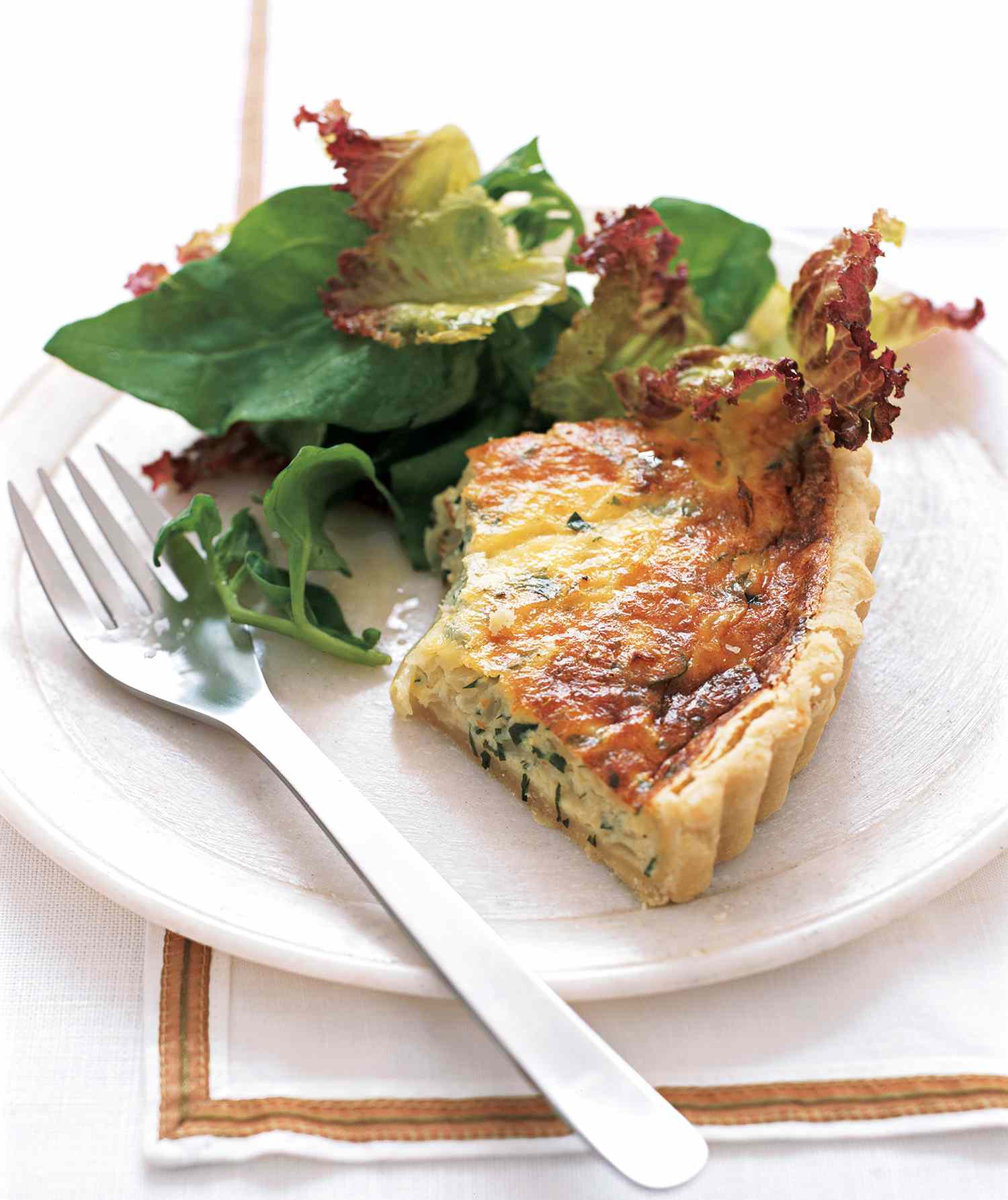
A basic quiche with Gruyère recipe is one of those kitchen classics that looks fancy enough to make guests sit up straighter, yet is forgiving enough for a sleepy Saturday morning when your coffee has not fully introduced itself to your brain. With a flaky crust, a silky egg custard, and the nutty richness of Gruyère cheese, this savory pie delivers brunch elegance without demanding culinary gymnastics.
Quiche is beautifully practical. It works for breakfast, brunch, lunch, light dinner, holiday buffets, potlucks, and those “what can I make with eggs and cheese?” moments. The secret is balance: a crisp crust, a creamy filling, enough cheese to taste luxurious, and gentle baking so the custard sets without turning rubbery. This guide walks you through the full process, from blind baking the crust to slicing clean wedges that do not collapse like a tiny dairy-based landslide.
What Makes Gruyère Perfect for Quiche?
Gruyère is a Swiss-style cheese with a nutty, slightly sweet, savory flavor that melts smoothly into egg custard. It brings depth without overpowering the dish. Compared with sharp cheddar, Gruyère is less aggressive. Compared with mozzarella, it has far more personality. In quiche, it behaves like a well-dressed dinner guest: noticeable, charming, and never trying to steal the entire table centerpiece.
For the best flavor, buy Gruyère in a block and grate it yourself. Pre-shredded cheese often contains anti-caking ingredients that can affect melting. A fine or medium grate helps the cheese distribute evenly through the custard, giving every slice that warm, savory, slightly nutty taste.
Basic Quiche With Gruyère Recipe Overview
This recipe makes one 9-inch quiche, serving 6 to 8 people. It uses a standard pie crust, four large eggs, milk, heavy cream, Gruyère, and simple seasoning. The result is creamy but sliceable, rich but not heavy, and classic enough to pair with almost anything from a green salad to roasted potatoes.
Prep Time, Cook Time, and Yield
- Prep time: 25 minutes
- Chill time: 20 minutes if using homemade or rolled pie dough
- Blind-bake time: 25 to 30 minutes
- Bake time: 40 to 50 minutes
- Cooling time: 15 to 30 minutes
- Yield: 6 to 8 slices
Ingredients
For the Crust
- 1 unbaked 9-inch pie crust, homemade or store-bought
- 1 tablespoon all-purpose flour, for dusting if rolling dough
- Pie weights, dried beans, or uncooked rice for blind baking
For the Gruyère Filling
- 4 large eggs
- 1 cup whole milk
- 1/2 cup heavy cream
- 1 cup shredded Gruyère cheese, about 4 ounces
- 1/2 teaspoon kosher salt
- 1/4 teaspoon freshly ground black pepper
- 1/8 teaspoon ground nutmeg
- 1 tablespoon finely chopped chives or parsley, optional
- 1 teaspoon Dijon mustard, optional for extra depth
How to Make Basic Quiche With Gruyère
Step 1: Prepare the Pie Crust
Place the pie dough into a 9-inch pie plate and gently press it into the bottom and sides. Do not stretch the dough, because stretched dough tends to shrink when baked. Trim any large overhang, then fold and crimp the edges. Refrigerate the crust for about 20 minutes while the oven heats. Chilling helps the fat firm up, which gives the crust a better chance of staying flaky and holding its shape.
Step 2: Blind Bake the Crust
Preheat the oven to 375°F. Line the chilled crust with parchment paper and fill it with pie weights, dried beans, or rice. Bake for 18 to 20 minutes, until the edges begin to look set. Carefully remove the parchment and weights, prick the bottom of the crust with a fork, and bake for another 7 to 10 minutes, until the bottom looks dry and lightly golden.
Blind baking matters because quiche filling is wet. If raw custard goes into raw pastry, the bottom crust may turn pale, soft, and sad. Nobody invited soggy-bottom drama to brunch.
Step 3: Lower the Oven Temperature
Reduce the oven temperature to 350°F. Let the crust cool slightly while you prepare the filling. A short cooling period helps prevent the hot crust from shocking the eggs and starting the custard too quickly.
Step 4: Make the Custard
In a medium bowl, whisk the eggs until the yolks and whites are fully combined. Add the milk, heavy cream, salt, pepper, nutmeg, and Dijon mustard if using. Whisk gently until smooth. Try not to beat the mixture into a foam; quiche wants elegance, not bubble bath energy.
The combination of whole milk and heavy cream creates a custard that is rich but not too dense. All cream can make the filling heavy, while all milk can taste a bit lean. The blend gives you the best of both worlds: creamy texture, clean flavor, and a tender set.
Step 5: Add the Gruyère
Sprinkle the shredded Gruyère evenly over the bottom of the blind-baked crust. Pour the custard slowly over the cheese. If using herbs, scatter them on top. Place the pie plate on a rimmed baking sheet before transferring it to the oven. This makes the quiche easier to move and catches any accidental spills.
Step 6: Bake Until Just Set
Bake the quiche at 350°F for 40 to 50 minutes. The edges should be set, the top lightly golden, and the center should still have a slight wobble when gently nudged. The filling will continue to firm as it rests. For food safety, egg dishes such as quiche should reach 160°F in the center.
Step 7: Rest Before Slicing
Let the quiche rest for at least 15 minutes before cutting. If you slice it straight from the oven, the custard may run and the cheese may behave like molten lava with a brunch reservation. Resting gives the filling time to settle into clean, creamy slices.
Why This Basic Quiche Recipe Works
This basic quiche with Gruyère recipe succeeds because it respects the three major parts of quiche: crust, custard, and cheese. The crust is blind baked so it stays crisp. The custard uses enough dairy to stay soft and creamy. The Gruyère adds flavor without making the filling greasy or overly salty.
The seasoning is intentionally simple. Salt enhances the eggs and cheese, black pepper adds gentle warmth, and nutmeg brings a quiet classic note that works beautifully with cream and Gruyère. You may not taste nutmeg clearly, but you will notice if the filling feels flat without it.
Helpful Tips for the Best Gruyère Quiche
Use a Rimmed Baking Sheet
A baking sheet makes it easier to transfer the quiche and protects the oven from spills. Custard has a mischievous streak, especially when the pie plate is full.
Do Not Overfill the Crust
Leave a little space at the top of the crust. Egg custard expands slightly as it bakes. If you have extra filling, pour it into a buttered ramekin and bake it as a mini crustless quiche.
Let Cooked Add-Ins Cool First
If you add bacon, mushrooms, onions, spinach, or leeks, cook them first and let them cool slightly. Hot ingredients can begin cooking the eggs too early. Wet vegetables should be drained well so they do not water down the custard.
Grate Cheese Fresh
Freshly grated Gruyère melts better and tastes fuller. A box grater is all you need. It is not glamorous, but neither is scraping unmelted cheese clumps from a custard, so we choose our battles.
Flavor Variations
Quiche Lorraine Style
Add 4 to 6 slices of cooked, crumbled bacon and 1/4 cup sautéed shallots. Because bacon is salty, reduce the added salt slightly. This version is smoky, savory, and excellent with a simple salad.
Mushroom Gruyère Quiche
Sauté 8 ounces of sliced mushrooms in butter until browned and their moisture has evaporated. Add them to the crust before pouring in the custard. Mushrooms and Gruyère are a deeply satisfying pair, earthy and nutty in all the right ways.
Spinach Gruyère Quiche
Add 1 cup of cooked, squeezed-dry spinach. The squeezing part is not optional unless you enjoy watery quiche, which sounds like something served at a very disappointing hotel buffet.
Caramelized Onion Quiche
Add 1/2 cup caramelized onions for a sweet, savory flavor. This variation is especially good for dinner with roasted vegetables or a peppery arugula salad.
What to Serve With Gruyère Quiche
Gruyère quiche pairs well with fresh, crisp sides that balance its richness. For brunch, serve it with mixed berries, citrus salad, or roasted breakfast potatoes. For lunch, add a green salad with lemon vinaigrette. For dinner, pair it with tomato soup, asparagus, green beans, or lightly dressed arugula.
If you are serving quiche for a holiday brunch, add muffins, fresh fruit, coffee, and something sparkling. The quiche will look like you planned everything with great sophistication, even if you were frantically wiping flour off the counter ten minutes before guests arrived.
How to Store and Reheat Quiche
Cool leftover quiche completely, then cover and refrigerate it within two hours. Store it in the refrigerator for 3 to 4 days. To reheat, place slices in a 325°F oven for 10 to 15 minutes, or until warmed through. The oven keeps the crust crisper than the microwave.
You can also freeze quiche. Wrap individual slices tightly and freeze for up to 2 months for best quality. Reheat from frozen in a low oven until hot in the center. The texture may be slightly softer after freezing, but it will still be delicious.
Common Quiche Problems and How to Fix Them
Why Is My Quiche Watery?
Watery quiche usually comes from underbaking, too much liquid, or wet add-ins. Cook vegetables before adding them, drain them well, and bake until the center reaches a safe temperature and has only a gentle wobble.
Why Did My Quiche Crack?
A cracked top often means the quiche was overbaked or baked at too high a temperature. Use moderate heat and remove the quiche while the center still jiggles slightly. A crack is not a disaster, though. Sprinkle herbs on top and call it rustic. Rustic fixes many things.
Why Is the Crust Soggy?
The most common reason is skipping the blind bake. Pre-baking gives the crust a head start and helps it stay crisp beneath the custard. A hot baking sheet can also help the bottom crust cook more evenly.
Can I Make Quiche Ahead?
Yes. Quiche is an excellent make-ahead dish. Bake it fully, cool it, refrigerate it, and reheat before serving. It is also delicious at room temperature, making it especially convenient for brunch tables and potlucks.
Personal Kitchen Experiences With Basic Quiche With Gruyère
The first time many home cooks make quiche, they expect it to be delicate, fussy, and maybe a little judgmental. In reality, quiche is much friendlier than it looks. The basic quiche with Gruyère recipe is especially approachable because the ingredients are familiar and the method is easy to repeat. Once you understand the rhythmbake the crust, whisk the custard, add cheese, bake gentlyyou can make it almost from memory.
One of the best experiences with Gruyère quiche is how it makes ordinary leftovers feel intentional. A small handful of cooked mushrooms, half an onion, or the last bit of spinach in the refrigerator can become a beautiful filling. Instead of looking into the fridge and seeing “random ingredients,” you begin seeing “future brunch.” This is a powerful mindset shift, and frankly, it makes cleaning out the produce drawer feel far more glamorous than it deserves.
Another lesson from making quiche often is that patience changes everything. The crust needs time to chill. The blind bake needs enough time to dry the bottom. The baked quiche needs time to rest. None of these steps are difficult, but each one matters. When rushed, quiche can turn soft, leaky, or uneven. When given a little breathing room, it rewards you with clean slices, creamy custard, and a crust that actually crunches.
Gruyère also teaches a useful cooking lesson: simple dishes depend on good ingredients. In a recipe with only eggs, dairy, crust, seasoning, and cheese, every flavor is easy to notice. A good Gruyère brings a savory depth that makes the quiche taste complete even without bacon or vegetables. That is why this basic version is worth mastering before loading it with add-ins. It gives you a foundation, and once the foundation is strong, variations become easy.
Serving quiche is another small joy. It fits into many moods. Warm from the oven, it feels cozy and generous. Served at room temperature, it feels relaxed and picnic-ready. Reheated the next morning, it feels like a responsible life choice, even if you eat it standing at the counter while checking your email. It is elegant enough for guests and practical enough for meal prep, which is not a combination every recipe can claim.
The most memorable quiche moments often happen when it solves a hosting problem. Maybe friends are coming over and you need something that does not require flipping pancakes one by one. Maybe you want a vegetarian main dish that still feels satisfying. Maybe you need a holiday brunch centerpiece that will not collapse under pressure. A Gruyère quiche steps in calmly, wearing its golden top like a tiny edible crown.
Over time, you may develop your own quiche habits. Some cooks add a little Dijon mustard to the custard. Some use chives every time. Some prefer a deeper golden top, while others pull the quiche earlier for a softer center. These small preferences are part of the fun. A basic quiche recipe is not a rigid command; it is a reliable framework. Once you know what the custard should feel like and how the crust should look, you can adjust confidently.
Perhaps the best experience of all is cutting the first slice. If the crust flakes, the custard holds, and the Gruyère stretches just slightly before settling back into the filling, you get that quiet kitchen victory feeling. It is not loud. It does not require applause. But it does make you think, “Yes, I could absolutely host brunch.” And honestly, that is the kind of confidence a good recipe should deliver.
Conclusion
A basic quiche with Gruyère recipe is a timeless dish because it combines simplicity with elegance. The ingredients are humble, but the result feels special: flaky crust, creamy custard, and nutty melted cheese in every slice. By blind baking the crust, using a balanced egg-and-dairy mixture, baking gently, and letting the quiche rest before slicing, you can create a reliable dish for brunch, lunch, dinner, or make-ahead meals.
Once you master this version, you can customize it endlessly with bacon, mushrooms, spinach, onions, herbs, or seasonal vegetables. But even in its simplest form, Gruyère quiche proves that comfort food can be graceful, practical, and just a little bit fancy. Serve it warm, room temperature, or reheated the next dayassuming there are leftovers, which is optimistic.