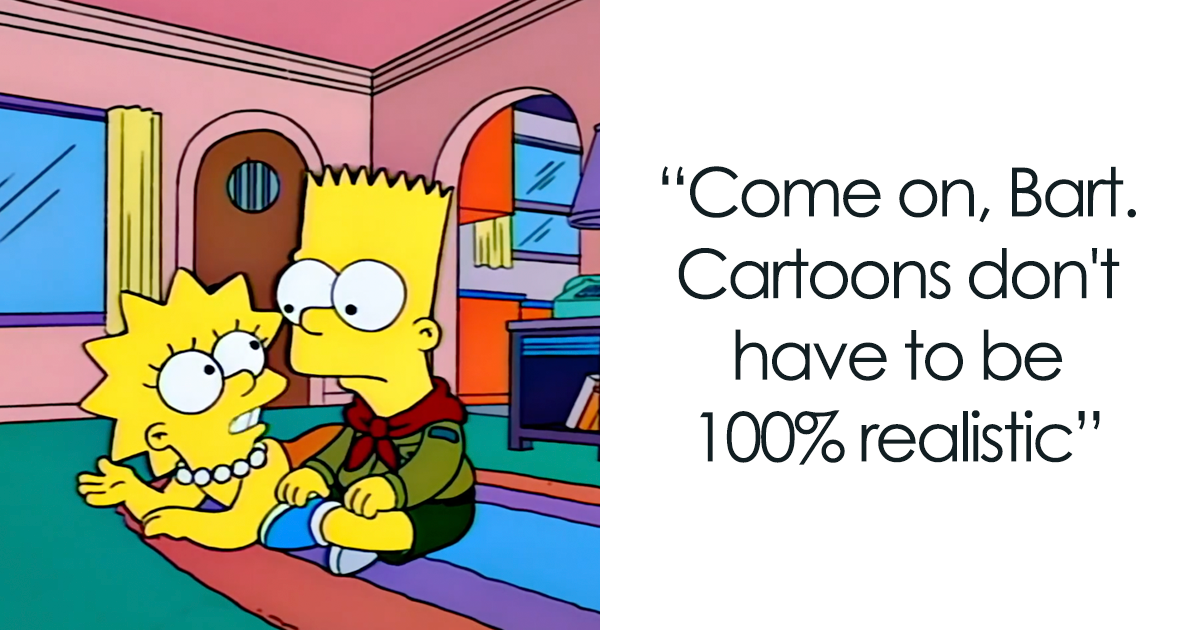
The Simpsons has been making America laugh, cringe, quote itself, and occasionally question the safety standards of nuclear power plants for decades. Set in the proudly chaotic town of Springfield, the animated sitcom turns everyday family life into satire: school trouble, office boredom, neighborhood gossip, political absurdity, snack cravings, moral panic, and the timeless mystery of how Homer still has a job.
Because the show has such a huge cast, the best Simpsons quotes do not come only from Homer, Bart, Marge, Lisa, and Maggie. Springfield is packed with quote machines: Mr. Burns whispering villainy in a suit, Moe serving sadness with beer, Principal Skinner losing control of his school, Ned Flanders weaponizing cheerfulness, Krusty sweating through show business, and Comic Book Guy judging the universe from behind a counter.
This guide is a copyright-friendly celebration of the funniest, sharpest, and most memorable quote styles from The Simpsons. Instead of dumping long verbatim script passages, it highlights short iconic snippets, paraphrased moments, and the character energy behind them. Think of it as a tour through Springfield’s language: part nostalgia, part pop-culture analysis, and part “why am I suddenly craving donuts?”
Why Simpsons Quotes Still Live Rent-Free in Our Brains
The secret of a great Simpsons line is that it sounds ridiculous and true at the same time. Homer’s outbursts work because they are childish, impulsive, and strangely relatable. Bart’s comebacks feel like every kid’s fantasy of getting the last word. Lisa’s remarks often carry the show’s conscience, while Marge’s lines bring warmth, worry, and that unmistakable “please stop embarrassing us in public” energy.
The residents of Springfield widen the joke. Mr. Burns gives us greedy corporate evil with antique vocabulary. Ned Flanders turns neighborly kindness into a high-performance sport. Chief Wiggum transforms law enforcement into a snack break. Comic Book Guy turns criticism into an Olympic event. The result is a fictional town where every character speaks from a perfectly exaggerated worldview.
95 Simpsons Quotes, Catchphrases, and Springfield-Style Moments
Homer Simpson Quotes and Quote Moments
- “D’oh!” Homer’s compact poem about pain, regret, and poor planning.
- “Mmm… donuts.” A spiritual statement disguised as a snack craving.
- Homer treating the couch like a throne and the TV remote like royal authority.
- His sudden confidence before a plan collapses in under five seconds.
- Any moment when Homer turns fatherly advice into accidental chaos.
- His belief that beer, naps, and snacks can solve 70 percent of life.
- Homer calling something “science” after clearly misunderstanding science.
- The classic Homer mood: panic first, explanation never.
- His proud ability to make a bad situation louder.
- Homer’s habit of discovering morality only after consequences arrive.
- His love for Marge, buried beneath nonsense but surprisingly sincere.
- Homer turning workplace safety into a philosophical suggestion.
- His emotional range: hungry, sleepy, scared, and suddenly heroic.
- Every time Homer says the wrong thing with absolute confidence.
- Homer proving that wisdom sometimes wears a white shirt and says “Woo-hoo!”
- “Ay caramba!” Bart’s tiny fireworks display of surprise.
- “Eat my shorts.” Childhood rebellion, neatly folded into three words.
- Bart turning detention into a performance art residency.
- His prank-call energy: immature, precise, and weirdly committed.
- Bart acting shocked when mischief produces consequences.
- His talent for finding the one rule nobody thought to write down.
- Bart’s genius for making adults explain why fun is illegal.
- His brotherly ability to annoy Lisa while secretly respecting her.
- Bart pretending not to care, then caring at the worst possible time.
- The eternal Bart motto: if trouble exists, add skateboard wheels.
- Lisa defending logic in a town allergic to it.
- Her saxophone moments saying what words cannot.
- Lisa explaining ethics while Springfield looks for the nearest shortcut.
- Her ability to be right and still lose the room.
- Lisa’s environmental speeches, delivered to people holding disposable cups.
- Her frustration when intelligence becomes a social inconvenience.
- Lisa trying to improve Springfield one doomed campaign at a time.
- Her moral clarity when everyone else is negotiating with nonsense.
- Lisa’s quiet sadness when doing the right thing feels lonely.
- The classic Lisa lesson: conscience is not always popular, but it is necessary.
- Marge’s worried murmur, the sound of common sense entering the room.
- Marge telling the family to behave, knowing history is against her.
- Her polite tone when she is two seconds from emotional thunder.
- Marge believing in Homer even when the evidence has left town.
- Her blue hair standing tall as a monument to patience.
- Marge’s moral center: gentle, practical, and stronger than it looks.
- Maggie’s pacifier rhythm as Springfield’s smallest sound effect.
- Maggie silently judging adults with excellent comic timing.
- Maggie proving that the quietest Simpson may be the most observant.
- The family’s sweetest truth: chaos lives there, but so does love.
- “Excellent.” Mr. Burns compressing capitalism into one whisper.
- Burns treating kindness like a suspicious foreign invention.
- His old-fashioned insults, polished like antique silverware.
- Mr. Burns forgetting employees’ names with executive confidence.
- His villainy becoming funnier because he thinks it is manners.
- Smithers translating workplace devotion into a full-time personality.
- Burns viewing safety regulations as decorative paperwork.
- The power plant’s true motto: “Everything is fine, probably.”
- Lenny and Carl making workplace boredom feel like a buddy comedy.
- Homer’s job performance proving that luck deserves a pension.
- “Okily-dokily.” Ned turning cheerfulness into cardio.
- Ned forgiving Homer with the patience of a saint and the sweater of a dad.
- Flanders making neighborly kindness seem both wholesome and terrifying.
- Moe’s bar talk: half complaint, half emotional weather report.
- Moe turning loneliness into a business model with stools.
- Barney’s burps functioning as both punctuation and biography.
- Lenny being loyal in the casual way only Springfield friends can be.
- Carl sounding reasonable right before the town does something unreasonable.
- Grandpa Simpson telling stories that defeat time, patience, and grammar.
- The neighborhood’s shared rule: gossip first, facts eventually.
- Principal Skinner trying to command a school that has already mutinied.
- Skinner’s nervous dignity collapsing whenever Bart enters the frame.
- Superintendent Chalmers turning one shouted name into a management style.
- “Ha-ha!” Nelson’s tiny thunderclap of playground cruelty.
- Milhouse making anxiety look like a renewable resource.
- Ralph Wiggum speaking in accidental poetry from another dimension.
- Ralph’s innocent confusion, somehow wiser than the adults.
- Mrs. Krabappel’s sarcasm, sharpened by years of chalk dust.
- Groundskeeper Willie threatening everything with Scottish intensity.
- The school’s unofficial lesson: survival is extracurricular.
- Krusty laughing like show business is chasing him with a bill.
- Krusty’s showbiz advice: sell the joke, then sell the merchandise.
- Sideshow Bob speaking like Shakespeare trapped in a revenge plot.
- Bob’s elegant fury when a simple rake ruins his dignity.
- Sideshow Mel treating every sentence like opening night.
- Itchy and Scratchy proving cartoon violence can be disturbingly efficient.
- Troy McClure introducing himself through questionable educational films.
- Rainier Wolfcastle turning action-star dialogue into concrete poetry.
- Kent Brockman reporting panic with a polished anchor voice.
- Springfield media reminding us that breaking news can also be broken news.
- “Worst. Episode. Ever.” Comic Book Guy’s sacred grammar of judgment.
- Comic Book Guy reviewing life as if it failed continuity.
- His sarcasm proving that fandom can be both love and courtroom drama.
- Apu’s Kwik-E-Mart politeness, now often discussed with more cultural awareness.
- The Kwik-E-Mart as Springfield’s emergency room for snacks.
- Chief Wiggum mistaking confidence for procedure.
- Wiggum turning police work into a donut-adjacent activity.
- Mayor Quimby promising leadership in the accent of scandal.
- Reverend Lovejoy sounding exhausted by everyone’s souls.
- Helen Lovejoy asking society to think of the children, loudly.
- Dr. Hibbert laughing through medical uncertainty with unsettling cheer.
- Professor Frink making science sound like jazz in a blender.
- Sea Captain turning every sentence into salty nonsense.
- Disco Stu needing no context, only rhythm.
- Bumblebee Man transforming slapstick into multilingual mayhem.
- Snake making crime sound casual, like a weekend hobby.
- Gil selling desperation with a handshake and a collapsing smile.
- Patty and Selma roasting Homer with cigarette-smoke precision.
- Fat Tony making organized crime sound almost professional.
- Springfield itself saying the quiet part loudly, usually at a town meeting.
Bart Simpson Quotes and Quote Moments
Lisa Simpson Quotes and Quote Moments
Marge and Maggie Simpson Quote Moments
Mr. Burns, Smithers, and Power Plant Quotes
Ned Flanders, Moe, Barney, and Neighborhood Quotes
Springfield Elementary Quotes
Krusty, Sideshow Bob, and Entertainment Quotes
Comic Book Guy, Apu, Wiggum, and Town Quotes
What These Quotes Reveal About Springfield
The funniest Simpsons quotes are not random. They reveal character. Homer’s lines expose appetite, fear, love, laziness, and accidental courage. Bart’s lines show rebellion with a child’s sense of theater. Lisa’s lines challenge the town’s laziness and prejudice. Marge’s lines try to hold the whole circus together with patience, casseroles, and increasingly stressed hair.
Springfield’s supporting characters work because each one has a comic worldview. Mr. Burns sees people as assets, liabilities, or hounds-in-waiting. Moe sees romance as a thing that happens to other zip codes. Principal Skinner sees order as a dream that keeps being skateboarded over. Ned Flanders sees goodness as a daily routine, even when Homer treats his lawn like a public park.
That is why the best quotes from The Simpsons are so easy to reuse. They are flexible emotional shortcuts. “D’oh!” covers mistakes. “Excellent” covers tiny victories. “Worst. Episode. Ever.” covers dramatic disappointment. “Okily-dokily” covers forced cheer. Springfield gave viewers a complete vocabulary for modern life, from office frustration to snack-based decision-making.
How to Use Simpsons Quotes Without Overdoing It
Simpsons quotes are funniest when they fit the moment. Drop a short Homer-style reaction after a small mistake, not during a serious apology. Use Comic Book Guy energy when reviewing a disappointing sandwich, not a friend’s life choices. Let Ned Flanders language appear when you are cheerfully agreeing to something mildly inconvenient. The quote should season the conversation, not become the entire meal.
For writers, marketers, and pop-culture bloggers, Simpsons references can add warmth and familiarity. They work especially well in articles about television history, comedy writing, nostalgia, family sitcoms, animation, satire, and the evolution of adult cartoons. The key is to explain why the line matters, not simply list it. Readers want context, character, and that tiny spark of recognition that says, “Yes, I remember exactly how that sounded.”
Experiences Related to Simpsons Quotes and Springfield Humor
There is a special kind of joy in hearing someone use a Simpsons-style line at exactly the right moment. Maybe a coffee machine breaks, someone mutters “D’oh,” and suddenly the office feels less like a spreadsheet prison and more like a tiny Springfield annex. The quote does not fix the coffee machine, of course. Nothing short of a miracle and a maintenance ticket can do that. But it gives everyone a shared laugh, which is sometimes the emotional equivalent of finding one last donut in the box.
Many fans first experience The Simpsons as background television: a rerun after school, a Sunday-night family habit, or a random episode discovered while channel surfing. Years later, the exact plot may blur, but the language stays. That is the power of Springfield. You may not remember every detail of a Krusty episode or a school-board crisis, but you remember the rhythm of the jokes. Homer’s groan, Marge’s concern, Bart’s defiance, Lisa’s seriousness, Burns’s whisper, and Nelson’s laugh become part of your internal soundboard.
The quotes also age with the viewer. As a kid, Bart may seem like the obvious hero because he gets away with saying what everyone else is too polite to say. As a teenager, Lisa’s frustration starts to make more sense. As an adult, Marge becomes the real superhero, because keeping a household functioning around Homer-level chaos is not a hobby; it is an extreme sport. And after enough work meetings, even Mr. Burns begins to feel less like a cartoon villain and more like a warning label in a suit.
Springfield humor works in real life because it captures small social truths. Every workplace has a Lenny and Carl dynamic. Every school has a Skinner trying to maintain order while the building itself seems emotionally tired. Every town has a person who turns gossip into a public service announcement. Every family has a Homer moment, when someone opens the refrigerator and believes destiny is stored next to the leftovers.
Using Simpsons quotes is also a way to signal cultural memory without delivering a lecture. A quick “Excellent” after a successful plan can turn a boring win into a Burns-level triumph. A careful “Worst. Day. Ever.” can make minor inconvenience feel theatrical instead of annoying. The best use is playful, not performative. You are not trying to prove you have watched hundreds of episodes. You are sharing a tiny comic shortcut with anyone who recognizes the route.
That shared recognition is why these quotes continue to travel. They move from television to conversations, captions, memes, workplace jokes, family banter, and nostalgic articles like this one. Springfield may be fictional, but its language is very real. It gives people a funny way to talk about failure, appetite, ambition, embarrassment, and affection. In other words, life is complicated, but sometimes the correct response is still a perfectly timed “D’oh.”
Conclusion
The Simpsons remains one of television’s most quotable comedies because it built more than a family; it built an entire town of comic voices. Homer gives us the language of impulse. Bart gives us rebellion. Lisa gives us conscience. Marge gives us patience. Springfield’s residents add greed, gossip, sarcasm, panic, showbiz desperation, academic collapse, and municipal incompetence. Together, they created a pop-culture vocabulary that still feels useful whenever life gets weird.
The best Simpsons quotes are not only funny lines. They are tiny character portraits. They remind us who these people are, why Springfield feels strangely familiar, and why satire works best when it sounds like something your neighbor might say while borrowing your ladder and ruining your afternoon.