Most daily routines come with no instruction manual. We learn by watching family members, copying friends, and occasionally trusting a five-second video made by someone holding a suspiciously clean sponge. As a result, plenty of ordinary habits are inefficient, unhygienic, or mildly unsafe.
The good news is that correcting these common daily mistakes rarely requires expensive equipment or a complete lifestyle makeover. A few small adjustments can improve food safety, protect your health, reduce household waste, and save time. Here are 28 everyday things you may be doing wrongand the simple fixes that work better.
Personal Hygiene and Health Habits You May Be Getting Wrong
1. Washing Your Hands Too Quickly
A quick splash followed by an enthusiastic shake is not meaningful handwashing. Wet your hands, apply soap, and scrub every surface for at least 20 seconds, including between your fingers and beneath your nails. Rinse and dry thoroughly. Your thumbs deserve attention too; they have been freeloading for years.
2. Coughing or Sneezing Into Your Hands
Your hands immediately touch phones, handles, keyboards, and other people. Cough or sneeze into a tissue, discard it, and wash your hands. When no tissue is available, use the inside of your elbow. It may look slightly theatrical, but it keeps respiratory droplets away from frequently touched surfaces.
3. Brushing Your Teeth Harder Instead of Better
Aggressive brushing does not produce bonus cleanliness. It may irritate gums and wear tooth surfaces. Use a soft-bristled toothbrush, fluoride toothpaste, and gentle circular movements for two minutes twice daily. Think polishing, not sanding a deck before winter.
4. Treating Floss Like a Tiny Saw
Snapping floss forcefully between teeth can injure the gums. Guide it gently through each contact point, curve it into a C shape against one tooth, and move it carefully beneath the gumline. Clean between your teeth once daily rather than staging a monthly flossing marathon before a dental appointment.
5. Cleaning Inside Your Ears With Cotton Swabs
Cotton swabs often push earwax deeper into the canal and can injure delicate tissue or the eardrum. Clean only the visible outer ear. Persistent blockage, pain, drainage, or hearing changes deserve professional evaluationnot an ambitious excavation project performed in the bathroom mirror.
6. Applying Sunscreen Once and Declaring Victory
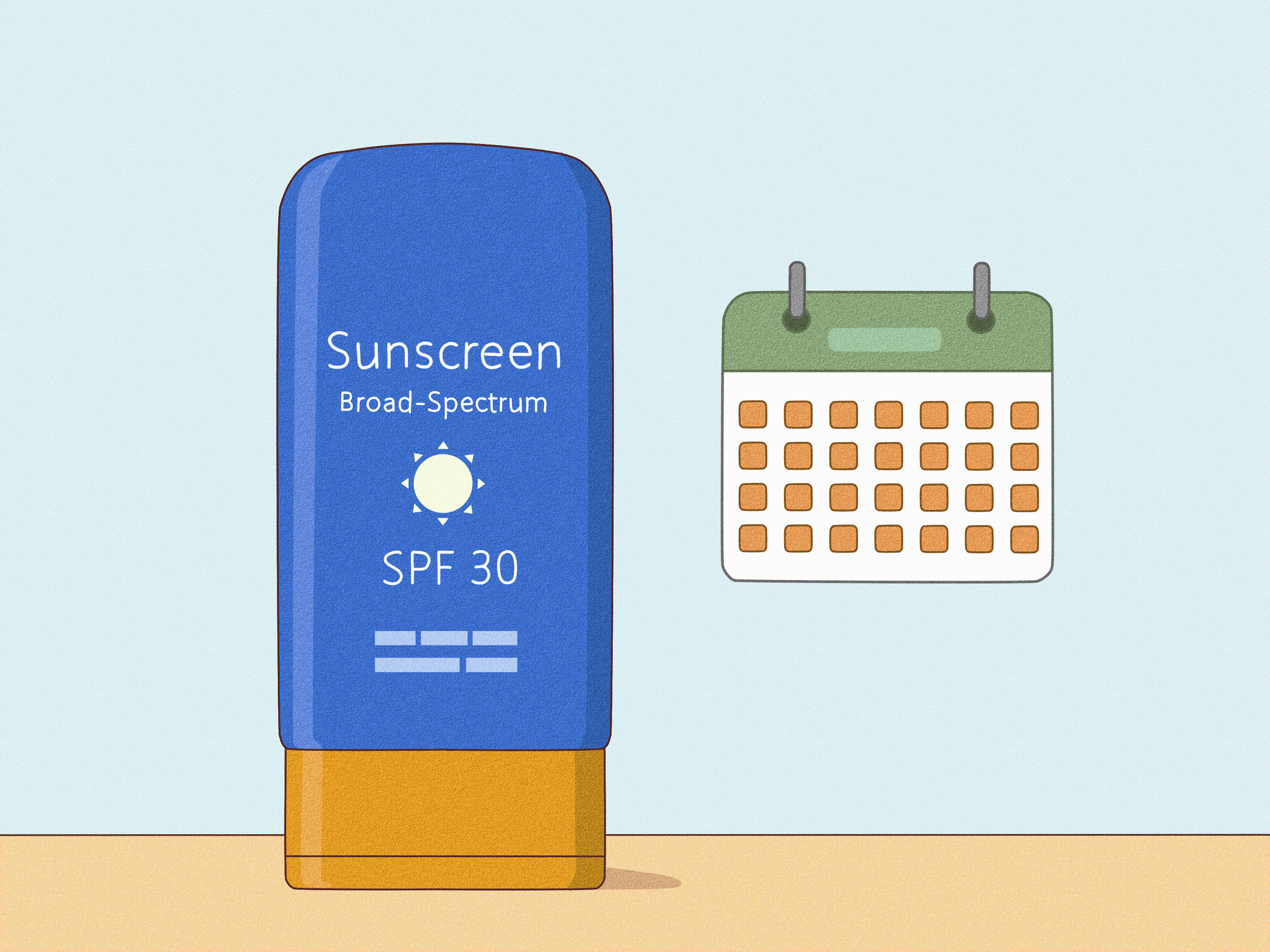
Sunscreen is not an all-day force field. Choose broad-spectrum, water-resistant protection with SPF 30 or higher, cover exposed skin, and reapply about every two hours outdoors. Reapply sooner after swimming, sweating, or toweling off. Remember the ears, neck, hands, and tops of the feet.
7. Staring at Screens Without Giving Your Eyes a Break
Hours of close-up focus can contribute to dry, tired, or blurry eyes. Keep the screen roughly an arm’s length away and slightly below eye level. Follow the 20-20-20 approach: every 20 minutes, look approximately 20 feet away for at least 20 secondsand remember to blink.
Common Kitchen Mistakes and Food-Safety Fixes
8. Washing Fruits and Vegetables With Soap
Dish soap belongs on dishes, not strawberries. Rinse produce under clean running water and gently rub the surface. Scrub firm items with a clean produce brush. Wash produce before peeling or cutting so dirt and microorganisms are not transferred from the exterior by your knife.
9. Rinsing Raw Chicken in the Sink
Water does not make raw poultry safer. Splashing can spread bacteria to the sink, faucet, countertops, utensils, and nearby food. Move poultry directly from its package to the cooking surface, wash your hands afterward, clean contaminated areas, and rely on proper cookingnot a sink showerto destroy harmful bacteria.
10. Thawing Meat on the Counter
The outside of frozen meat can warm into a bacteria-friendly temperature range while the center remains solid. Thaw food in the refrigerator, in cold water that is changed regularly, or in the microwave when you plan to cook it immediately. The countertop is convenient, but so is avoiding food poisoning.
11. Judging Meat by Color Alone
A burger can look brown before it is safely cooked, while properly cooked poultry may occasionally remain pink. Use a food thermometer in the thickest section, avoiding bone. Follow the recommended internal temperature for the specific food instead of asking, “Does that look done-ish?”
12. Using One Cutting Board for Everything
Raw meat juices and salad ingredients should not share a workspace without thorough cleaning between tasks. Use separate boards for raw meat, poultry, or seafood and ready-to-eat foods. Replace deeply scored boards that are difficult to clean. Those grooves are not charming culinary character; they are hiding places.
13. Letting Leftovers Cool on the Counter for Hours
Perishable food should generally be refrigerated within two hours, or within one hour when the surrounding temperature exceeds 90°F. Divide large quantities into shallow containers so they cool quickly. Label leftovers with the date, because “I think this is from Tuesday” is not a reliable storage system.
14. Pre-Rinsing Every Dish Before Using the Dishwasher
Modern dishwashers and detergents are designed to handle food residue. Scrape off large pieces, load items so water can reach them, and let the machine work. Thorough pre-rinsing wastes water and energy while giving you the unique privilege of washing every dish twice.
Household Chores You Could Be Doing More Effectively
15. Pouring in Extra Laundry Detergent
More detergent does not automatically mean cleaner clothing. Excess product may leave residue, trap soil, create odors, or overwhelm a high-efficiency machine. Follow the detergent label and washer instructions, adjusting for load size, water hardness, and soil level. Your laundry does not need a bubble bath.
16. Washing Every Load in Hot Water
Cold water can clean most everyday clothing effectively while using less energy and being gentler on many fabrics. Reserve warmer settings for situations that genuinely require them and always check care labels. This simple change can reduce energy use without forcing everyone to wear questionably clean socks.
17. Stuffing the Washer Until the Door Barely Closes
Clothing needs room to circulate through water and detergent. An overloaded washer may clean poorly, rinse unevenly, and place unnecessary strain on the appliance. Load items loosely and follow the machine’s capacity guidance. One additional cycle is better than one enormous load that emerges damp, wrinkled, and unconvinced.
18. Mixing Household Cleaners
Never combine cleaning products unless the label specifically says it is safe. Bleach mixed with ammonia, acids, or certain other chemicals can release dangerous gases. Use one product at a time, ventilate the room, wear recommended protection, and keep products in their original labeled containers.
19. Spraying Disinfectant and Wiping It Off Immediately
Many disinfectants require the surface to remain visibly wet for a specified contact time. Wiping the product away after three dramatic seconds may prevent it from working as intended. Read the label, use the correct amount, and allow the required time before wiping or air-drying.
20. Disinfecting a Surface Before Cleaning It
Dirt, grease, and crumbs can interfere with disinfectants. Begin by cleaning the surface with an appropriate product to remove visible debris. Disinfect afterward when needed, following label directions. In other words, remove the dried spaghetti sauce before attempting microscopic warfare.
21. Using the Dishwasher’s Heated-Dry Setting Every Time
Heated drying is convenient but consumes additional energy. When appropriate, select an air-dry option or open the door after the cycle to release moisture. Load cups at an angle so water can drain rather than gathering in the base and delivering an unpleasant surprise during unloading.
Technology, Sleep, and Safety Mistakes to Correct
22. Scrolling on Your Phone Until You Fall Asleep
Bedtime scrolling keeps your mind engaged and exposes you to light when your body should be winding down. Turn off electronic devices at least 30 minutes before bed and keep the phone beyond easy reach. The internet will continue producing arguments, recipes, and dancing pets without nighttime supervision.
23. Reusing the Same Password Everywhere
When one service is compromised, reused credentials can expose multiple accounts. Create long, unique passwords and store them in a reputable password manager. Avoid predictable substitutions such as changing “password” to “p@ssword.” Cybercriminals have also encountered the at symbol.
24. Relying on a Password Alone
Turn on multifactor authentication for email, banking, social media, shopping, and other important accounts. An authentication app, security key, fingerprint, or additional verification step provides another barrier when a password is stolen. A few extra seconds during login can prevent a much longer recovery process.
25. Postponing Software Updates Forever
Updates often repair security vulnerabilities as well as fixing bugs. Enable automatic updates for operating systems, browsers, apps, routers, and connected devices when possible. “Remind me tomorrow” is reasonable once. Repeating it for six months turns procrastination into a cybersecurity strategy.
26. Lifting Heavy Objects With Your Back and Twisting
Plan the route before lifting, position yourself close to the object, secure your grip, and use your legs to rise smoothly. Keep the load near your body and turn by moving your feet rather than twisting your torso. Ask for help when an item is awkward or genuinely heavy.
27. Wearing a Seat Belt Under Your Arm
The shoulder belt should cross the center of your chest and shoulder, while the lap belt sits low across the hipsnot the stomach. Never place the shoulder belt behind your back or beneath your arm. Adjust the seat and belt height when possible instead of defeating the restraint system.
28. Sitting Too Close to the Steering Wheel
Position the driver’s seat as far from the steering wheel as practical while maintaining full control of the pedals and wheel. Sit upright, remain properly belted, and avoid leaning over the wheel. Adequate distance helps reduce the risk of injury from a deploying frontal air bag.
What a One-Week Everyday-Habit Reset Can Feel Like
Correcting all 28 habits simultaneously would make an ordinary Monday feel like a highly regulated laboratory experiment. A more realistic experience begins with noticing rather than fixing. During the first day, you may catch yourself rinsing a plate before loading it, reaching for a cotton swab, or checking your phone after announcing that you are “going straight to sleep.” Awareness is mildly irritating, but it is useful.
Kitchen changes often produce the fastest visible results. Stop washing raw chicken and suddenly there is less splashing, less cleanup, and no need to sanitize half the room after preparing dinner. Use a thermometer and cooking becomes less mysterious. Instead of repeatedly cutting into a chicken breast, staring at it, and putting it back in the pan, you receive a clear measurement. Leftovers stored promptly in labeled containers also create a refrigerator that feels less like an archaeological site.
Laundry changes can be surprisingly humbling. Many people discover they have been adding detergent with the emotional intensity of a game-show contestant. Measuring the proper amount may initially feel insufficient, especially when the washer produces fewer bubbles. Then the clothes emerge clean, rinse more easily, and may feel less coated. Switching suitable loads to cold water requires almost no additional effort, which is the best kind of lifestyle improvement.
The digital corrections are harder because they challenge automatic behavior. Placing the phone across the room before bedtime can create a strange sense that something important is happening without you. Usually, nothing is. After several nights, the bedroom begins to feel less like an extension of the office, news cycle, and group chat. Logging in with multifactor authentication also becomes routine quickly, especially when a password manager removes the need to remember dozens of variations involving a pet’s name and increasingly desperate punctuation.
Some improvements are immediately physical. Raising a screen, sitting farther back, looking away regularly, and blinking deliberately can reduce the tight, tired feeling that arrives after prolonged computer use. Keeping a box close to the body while lifting feels more controlled than reaching forward and yanking it upward. Wearing a seat belt correctly may require adjusting the seat or belt anchor, but it should not feel like a strap is sawing across your neck.
By the end of a week, the biggest lesson is that better everyday habits are usually not more complicated. They are more intentional. You wash your hands slightly longer, use less detergent, keep cleaners separate, refrigerate food sooner, and stop trusting your eyes to determine whether meat is safe. None of these actions makes life glamorous. They simply make routine tasks cleaner, safer, and more efficientwhich is a respectable achievement for behaviors performed before the first cup of coffee.
Final Thoughts
Discovering everyday things you are doing wrong is not a reason to feel embarrassed. Most common daily mistakes survive because they appear harmless and familiar. Correcting even a few can improve hygiene, kitchen safety, sleep, household efficiency, digital security, and personal safety.
Start with the changes that solve a recurring annoyance or reduce a meaningful risk. Once the better method becomes automatic, choose another. Small corrections are easier to maintain than a dramatic reinventionand they require far fewer color-coded planners.
SEO Tags