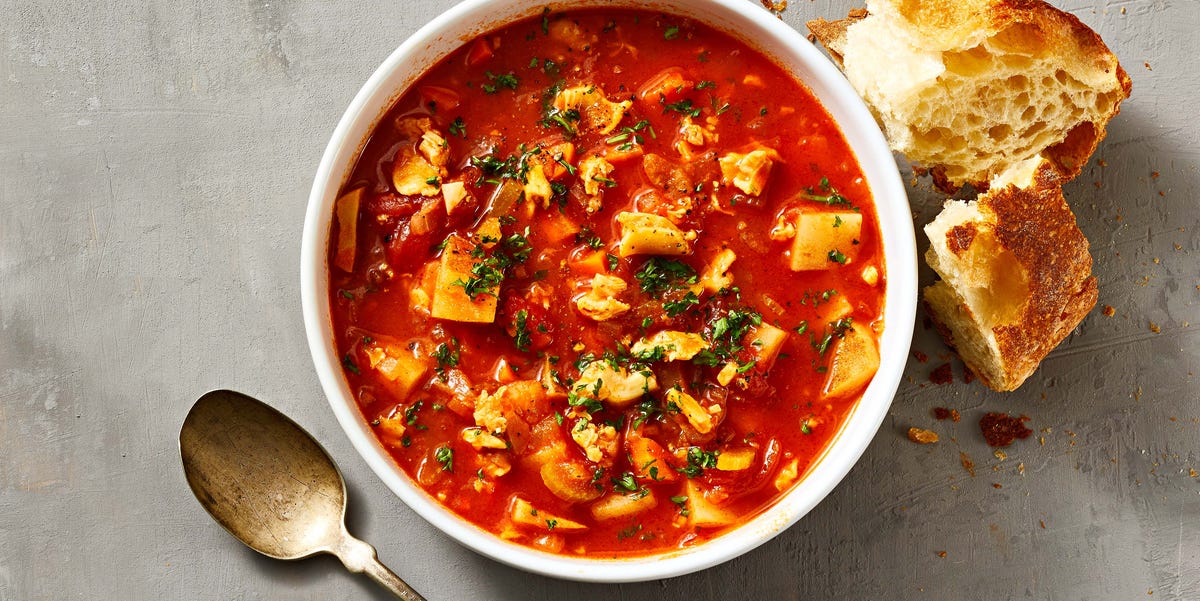
Manhattan clam chowder is what happens when a classic seafood soup trades its cream sweater for a bright red jacket. Instead of a rich dairy base, this version combines briny clams, tender potatoes, aromatic vegetables, herbs, bacon, and tomatoes in a broth that tastes hearty without feeling heavy.
The best Manhattan clam chowder should not resemble ordinary vegetable soup with a few apologetic clam pieces floating around. It should taste unmistakably of the sea, with enough tomato acidity to feel lively, enough bacon to add depth, and enough vegetables to make every spoonful interesting.
This recipe uses fresh clams for maximum flavor, but it also includes an easy canned-clam option for weeknights when visiting a fish market sounds about as realistic as building your own fishing boat. Either method produces a satisfying, tomato-based clam chowder that works as a starter, lunch, or complete dinner with crusty bread.
What Is Manhattan Clam Chowder?
Manhattan clam chowder is a dairy-free, tomato-based chowder traditionally made with clams, potatoes, onions, celery, herbs, and additional vegetables. Unlike creamy New England clam chowder, it has a thinner, brothier consistency and a distinctive red color.
The soup’s exact history is debated, but the tomato variation is often connected to Italian and Portuguese fishing communities in Rhode Island during the nineteenth century. It was later associated with New York and appeared under names such as Fulton Market chowder and Coney Island clam chowder. Regional rivalry did the rest; some New England cooks viewed putting tomatoes in chowder as culinary vandalism with a soup spoon.
Manhattan vs. New England Clam Chowder
New England clam chowder is generally made with milk or cream and may be thickened with flour or the natural starch from potatoes. Manhattan clam chowder replaces dairy with tomatoes and clam broth, resulting in a lighter soup with more pronounced acidity and vegetable flavor. Rhode Island chowder is another regional style, typically made with a clear broth and no tomatoes or cream.
Why This Is the Best Manhattan Clam Chowder Recipe
This recipe is built around a few details that prevent the chowder from tasting flat, watery, or overly tomato-heavy.
- Fresh clam broth becomes the foundation. Steaming the clams creates a naturally salty, concentrated liquid that gives the soup genuine seafood flavor.
- Tomato paste is cooked before liquid is added. Briefly caramelizing it removes its raw edge and creates deeper sweetness.
- Bacon is used carefully. It contributes smokiness and savory richness without overpowering the clams.
- The vegetables are cut evenly. Consistent pieces cook at the same rate and make the finished chowder easier to eat.
- The clams go in last. Long simmering can make clam meat tough enough to challenge your dental insurance.
- Lemon and parsley finish the soup. These final ingredients brighten the broth and keep the tomato flavor from becoming dull.
Successful versions from experienced recipe developers consistently rely on clam liquor, aromatics, potatoes, tomatoes, and a short final cooking time for the clam meat. Fresh littlenecks, top-necks, and cherrystones are especially useful because they provide tender meat and flavorful broth.
Manhattan Clam Chowder Recipe
Prep time: 25 minutes
Cook time: 45 minutes
Total time: 1 hour 10 minutes
Yield: 6 generous servings
Ingredients
- 4 pounds littleneck, top-neck, or cherrystone clams, scrubbed
- 1 1/2 cups water
- 4 ounces bacon, cut into small pieces
- 1 tablespoon olive oil, only if the bacon is very lean
- 1 large yellow onion, diced
- 2 celery ribs, diced
- 1 medium carrot, peeled and diced
- 1/2 green bell pepper, diced
- 3 garlic cloves, minced
- 2 tablespoons tomato paste
- 1/2 cup dry white wine
- 1 can whole peeled tomatoes, 28 ounces, crushed by hand
- 4 cups reserved clam broth, bottled clam juice, or a combination
- 1 pound Yukon Gold potatoes, cut into 1/2-inch cubes
- 1 teaspoon dried oregano
- 1/2 teaspoon dried thyme
- 2 bay leaves
- 1/4 teaspoon crushed red pepper flakes, optional
- 1 teaspoon Worcestershire sauce
- Freshly ground black pepper, to taste
- Kosher salt, only as needed
- 2 tablespoons chopped fresh parsley
- 1 tablespoon fresh lemon juice, plus more to taste
- Oyster crackers or crusty bread, for serving
Equipment
- Large Dutch oven or heavy-bottomed soup pot
- Medium saucepan with a lid
- Fine-mesh strainer
- Cheesecloth, coffee filter, or damp paper towel
- Slotted spoon
How to Make Manhattan Clam Chowder
Step 1: Inspect and Clean the Clams
Rinse and scrub the clam shells under cold running water. Discard any clams with badly cracked shells. If a clam is open, tap it gently; a living clam should begin to close. Buy live shellfish from a reputable seafood market and avoid clams with strong, unpleasant odors or damaged shells.
Step 2: Steam the Clams
Place the cleaned clams and 1 1/2 cups water in a medium saucepan. Cover the pan and bring the water to a boil over medium-high heat.
After about five minutes, uncover the pan and begin checking the clams. Remove each clam with a slotted spoon as soon as its shell opens. Continue cooking until most have opened, usually eight to ten minutes in total. Discard any clams that remain tightly closed.
Do not leave already-open clams boiling while waiting for the slower ones. Removing them individually is one of the easiest ways to preserve a tender texture.
Step 3: Strain the Clam Broth
Pour the steaming liquid through a fine-mesh strainer lined with damp cheesecloth, a coffee filter, or a damp paper towel. This catches the sand and shell fragments that would otherwise give your chowder the charming texture of a beach parking lot.
Measure the strained broth. Add bottled clam juice or water as needed to make four cups. Set it aside.
Step 4: Chop the Clams
When the clams are cool enough to handle, remove the meat from the shells. Roughly chop large clams into bite-size pieces. Small littlenecks can be halved or left whole. Refrigerate the meat while you prepare the broth.
Step 5: Render the Bacon
Place the bacon in a large Dutch oven over medium heat. Cook for six to eight minutes, stirring occasionally, until the fat has rendered and the bacon is browned around the edges.
If the pot looks dry, add one tablespoon of olive oil. You need enough fat to soften the vegetables, but the chowder should not develop an oil slick large enough to receive its own weather forecast.
Step 6: Cook the Vegetables
Add the onion, celery, carrot, and bell pepper. Cook for seven to nine minutes, stirring occasionally, until the onion is translucent and the vegetables have begun to soften.
Add the garlic and cook for about 30 seconds. Stir in the tomato paste and cook for another one to two minutes, scraping the bottom of the pot. The paste should darken slightly and smell sweet rather than raw.
Step 7: Deglaze the Pot
Pour in the white wine. Stir well and scrape up the browned bits stuck to the bottom. Simmer for two to three minutes, or until the wine has reduced by roughly half.
For an alcohol-free Manhattan clam chowder, replace the wine with an equal amount of clam broth and add an additional teaspoon of lemon juice at the end.
Step 8: Build the Tomato Broth
Add the crushed tomatoes, four cups clam broth, potatoes, oregano, thyme, bay leaves, crushed red pepper, Worcestershire sauce, and several grinds of black pepper.
Bring the chowder to a gentle boil, then reduce the heat. Simmer partially covered for 18 to 22 minutes, or until the potatoes are tender when pierced with a knife.
Step 9: Add the Clams at the End
Reduce the heat to low. Stir in the chopped clam meat and cook for only one to two minutes, just until warmed through. Do not vigorously boil the soup after adding the clams, because extended cooking can make them rubbery.
Step 10: Finish and Season
Remove the bay leaves. Stir in the parsley and one tablespoon lemon juice. Taste the chowder before adding salt. Clam broth, bacon, bottled clam juice, and Worcestershire sauce are already salty, so additional seasoning may be unnecessary.
Let the chowder rest for five minutes before serving. This brief pause allows the flavors to settle and reduces the chance that the first spoonful will remove several layers from the roof of your mouth.
How to Make Manhattan Clam Chowder With Canned Clams
Fresh clams produce the most complex flavor, but canned clams make this recipe much faster and more accessible.
Replace the four pounds of fresh clams with four 6.5-ounce cans of chopped or minced clams. Drain the clams and reserve all the liquid. Combine the reserved liquid with enough bottled clam juice or seafood stock to make four cups.
Begin the recipe by rendering the bacon and cooking the vegetables. Skip the steaming steps. Add the canned clam meat during the final two minutes of cooking, exactly as you would with fresh clams.
Canned chopped clams provide noticeable pieces, while minced clams distribute seafood flavor more evenly. A combination of both works particularly well. Canned clams and bottled clam juice are widely used as practical chowder shortcuts when fresh shellfish is unavailable.
Ingredient Tips and Substitutions
Choose the Right Potatoes
Yukon Gold potatoes hold their shape while developing a creamy interior. Russet potatoes also work, but their higher starch content causes them to soften and break apart more easily. That can add body to the broth, although the final soup may be less tidy.
Use Whole Canned Tomatoes
Whole peeled tomatoes generally provide better control over texture than pre-diced tomatoes. Crush them by hand for an irregular, rustic consistency. Fire-roasted tomatoes may be used for a smokier chowder, but their flavor can compete with delicate clams.
Do Not Overdo the Bacon
Bacon is a supporting actor, not the lead singer. Four ounces gives the broth a savory background without turning the recipe into tomato-bacon soup featuring special guest star Clam.
Adjust the Broth Consistency
Manhattan chowder should be brothy, but not weak. If the finished soup seems too thin, simmer it uncovered for five to ten minutes before adding the clams. If it becomes too concentrated, add a little water or low-sodium seafood stock.
Make It Pescatarian
Omit the bacon and sauté the vegetables in two tablespoons of olive oil. Add a small pinch of smoked paprika if you want a subtle smoky note, but use restraint. Too much paprika can make the chowder taste more like barbecue sauce than seafood soup.
Common Manhattan Clam Chowder Mistakes
Using Too Much Tomato
Tomatoes should brighten the clams rather than bury them. One 28-ounce can is enough for a six-serving pot. Adding multiple cans can produce something closer to marinara with potatoes.
Skipping the Clam Broth
Water alone will not create a strongly flavored chowder. Use strained steaming liquid, reserved canned-clam liquid, bottled clam juice, or seafood stock. The broth should smell briny before the clams are added.
Salting Too Early
Clam products vary considerably in salinity. Wait until the chowder is fully assembled before reaching for the salt shaker.
Overcooking the Clams
Fresh or canned clam meat needs only enough time to heat through. Simmering it for 20 minutes turns tender shellfish into seafood-flavored pencil erasers.
Leaving Sand in the Broth
Always strain fresh clam liquid through a lined strainer. A basic metal sieve may not catch very fine grit.
Serving Suggestions
Serve Manhattan clam chowder with oyster crackers, toasted sourdough, garlic bread, or a warm baguette. A crisp green salad dressed with vinaigrette makes a refreshing side because its acidity complements the tomato broth.
For a complete coastal-style dinner, pair the chowder with grilled fish, crab cakes, a shrimp salad, or roasted vegetables. Smaller portions also make an excellent first course before pasta or baked seafood.
Useful garnishes include chopped parsley, sliced scallions, freshly cracked black pepper, a few red pepper flakes, or a small drizzle of good olive oil. Avoid loading the bowl with cheese. Parmesan may be welcome in many tomato soups, but it can overpower the clean, briny character of clams.
How to Store and Reheat Clam Chowder
Transfer leftover chowder to shallow airtight containers and refrigerate it within two hours. Properly refrigerated leftovers should generally be eaten within three to four days. Reheat only the amount you plan to serve and warm it gently until steaming hot.
Avoid repeatedly boiling the chowder during reheating because the clam meat will become tougher each time. Low heat on the stovetop works better than an aggressive rolling boil.
The chowder can be frozen, although potatoes may become slightly grainy or soft after thawing. For the best texture, freeze the tomato and vegetable base before adding the clams, then add freshly cooked or canned clams when reheating.
Frequently Asked Questions
Is Manhattan Clam Chowder Supposed to Be Thick?
No. Manhattan clam chowder is normally thinner and more broth-forward than New England chowder. It should still feel substantial because of the potatoes, vegetables, tomatoes, and clams, but it does not require cream, flour, or a heavy roux.
Can I Make It Without Bacon?
Yes. Use olive oil instead and add extra herbs, black pepper, or a small pinch of smoked paprika. The chowder will taste cleaner and more seafood-forward.
What Are the Best Clams for Chowder?
Littlenecks are tender but produce less broth. Cherrystones and top-necks offer a good balance of meat, tenderness, and clam liquor. Larger chowder clams provide plenty of meat and broth, although they may be chewier and should be chopped into smaller pieces.
Can I Make Manhattan Clam Chowder Ahead?
Yes. Prepare the tomato broth and vegetables up to one day ahead, but wait to add the clam meat until reheating. This keeps the clams tender and prevents their flavor from becoming overly strong.
Can I Add Corn?
You can, although corn is not essential to the classic recipe. One cup of corn kernels adds sweetness and makes the chowder feel more summery. Add it during the final five minutes of simmering.
Kitchen Experience: What You Will Notice While Making This Chowder
The most important experience in making Manhattan clam chowder is learning to trust sensory clues instead of treating every cooking time as a courtroom order. Clams, potatoes, tomatoes, and stovetops all behave a little differently. The recipe gives you a reliable route, but your eyes, nose, and spoon tell you when you have arrived.
The first revealing moment occurs when the fresh clams begin opening. They rarely cooperate by opening simultaneously. One clam may spring open confidently at five minutes, while another sits there like it has hired a lawyer. Removing each clam as it opens is slightly more work, but the difference in texture is noticeable. The early clams remain tender rather than waiting in boiling liquid for their stubborn relatives.
Straining the steaming liquid may initially seem like an unnecessary restaurant trick. Then you see the sand collected in the filter and immediately become a lifelong supporter of the process. That broth is one of the strongest flavor components in the entire pot, but it needs to be clean. A few minutes of patience prevents a gritty dinner.
The vegetable stage also teaches an important lesson: Manhattan clam chowder becomes flavorful before any broth enters the pot. Onion, celery, carrot, and bell pepper gradually soften in the bacon fat. Their aroma changes from sharp and raw to sweet and savory. When the garlic and tomato paste are added, the mixture becomes darker and more concentrated. This is where the chowder develops character rather than merely collecting ingredients.
After adding the tomatoes and clam broth, the soup may taste surprisingly disjointed. The tomato can seem too sharp, the herbs too obvious, and the broth a little thin. Do not panic and empty half the spice cabinet into the pot. As the potatoes simmer, their starch softens the broth slightly, the tomato mellows, and the bacon flavor spreads through the liquid.
The final seasoning stage is where restraint pays off. Before adding the clams, the broth may taste as though it needs salt. After the clam meat, lemon juice, and parsley go in, the flavor becomes brighter and more complete. This is why salting early can be dangerous. A soup that seemed underseasoned five minutes ago can suddenly taste like seawater wearing a bacon hat.
Texture is another useful guide. The potatoes should be tender enough to cut with the side of a spoon, but they should not completely dissolve. The clams should feel pleasantly firm, not bouncy or rubbery. The broth should coat the vegetables lightly while remaining fluid enough to soak into oyster crackers or bread.
Manhattan clam chowder often tastes even more integrated after resting for ten or fifteen minutes. The herbs soften, the tomato acidity settles, and the smoky notes become less separate. It is tempting to serve the soup immediately because the kitchen smells excellent and everyone has started circling the stove. A short rest, however, rewards patience.
The larger lesson is that great chowder is about balance. You should taste clams first, followed by tomato, vegetables, smoke, herbs, and gentle acidity. None of those flavors should shout over the others. When the balance is right, the soup feels both rustic and carefully madethe sort of dinner that appears effortless despite the small decisions that made it successful.
Conclusion
The best Manhattan clam chowder is bright, savory, briny, and satisfying without relying on cream or heavy thickeners. Fresh clam broth gives it an unmistakable coastal flavor, bacon adds measured smokiness, tomatoes provide acidity, and potatoes transform the broth into a complete meal.
The two biggest secrets are simple: build the broth carefully and add the clams at the very end. Follow those rules, season patiently, and serve the chowder with oyster crackers or crusty bread. Even dedicated New England chowder loyalists may finish the bowl before remembering they were supposed to object to the tomatoes.
SEO Metadata
Note: Clam broth and bacon vary in saltiness, so taste the completed chowder before adding any extra salt.