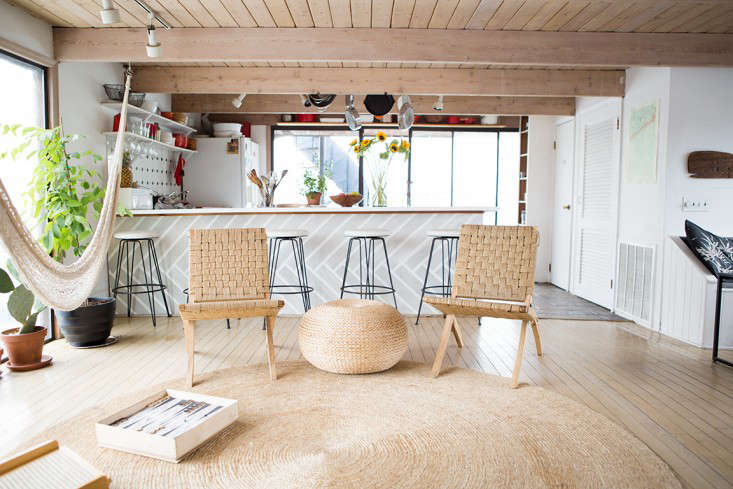
New York City has never been shy about strange real estate. People have turned former factories into lofts, churches into condos, and closets into “junior studios” with the optimism of a broker holding a measuring tape sideways. But the ultimate houseboat in NYC takes the idea of unconventional living one splash further: a floating retreat, docked in the Rockaways, with a renovation story that involves friends, paint, thrifted furniture, stubborn optimism, and enough marine maintenance to make a landlocked homeowner weep into their grout sponge.
This rehab diary is inspired by the kind of New York project that sounds impossible until someone does it. A worn-down houseboat becomes a weekend escape. A forgotten barge turns into a beach-adjacent clubhouse. A group of design-minded friends decides that “needs work” is not a warning label but an invitation. The result is part renovation case study, part coastal lifestyle fantasy, and part public service announcement: living on water is magical, but water is also very committed to getting into places it does not belong.
So let’s step aboard. Shoes optional. Practical expectations required.
Why a Houseboat in New York Feels So Irresistible
The fantasy is easy to understand. In a city where square footage is treated like precious metal, a houseboat offers something rare: breathing room, sky, breeze, deck space, and the sensation of leaving town without actually leaving the subway map. In Rockaway, Queens, a houseboat can feel like a secret portal between urban life and coastal escape. You can hear gulls instead of sirens, see water instead of brick walls, and still be close enough to the A train to maintain your New Yorker credentials.
Unlike a polished apartment renovation, a houseboat rehab begins with different questions. Is the hull sound? Where does the wastewater go? Can the electrical system handle modern life? Will the roof deck support a dinner party, or will it become a cautionary tale told by marina managers for generations? This is not just interior design. It is architecture, boating, weatherproofing, budgeting, and humility in one buoyant package.
The Backstory: From Party Boat to Rehab Project
The original inspiration behind “Rehab Diary: The Ultimate Houseboat in NYC” centers on a 1980s Sundance-style house barge that had already lived several lives before becoming a design project. It had reportedly started as a party boat, complete with the kind of luxury flourishes that scream “Wall Street discovered leisure.” Later, it was stripped down, used more practically, and eventually found by a group of friends looking for an affordable weekend escape from the city.
That history matters because old boats are rarely blank canvases. They are layered. Every patch, panel, smell, screw, stain, and odd built-in tells a story. Some stories are charming. Others say, “Hello, I am mildew.” The rehab challenge is deciding what to preserve, what to paint, what to rip out immediately, and what to quietly pretend you did not see until next spring.
The best version of a houseboat renovation respects the vessel’s past without being trapped by it. In this case, the smartest design moves were not about adding shiny luxury. They were about simplifying: removing old carpet, brightening the interior, keeping furnishings lightweight, leaning into found objects, and letting the water view do what no wallpaper can.
Location, Location, Dockage
In normal real estate, buyers obsess over neighborhood, commute, school district, and whether the coffee shop nearby has oat milk. With a houseboat, the first rule is even simpler: the mooring is the property. Without a legal, safe, serviced slip, a houseboat is less a dream home and more a very large floating question mark.
Rockaway has become one of the city’s most interesting houseboat environments because it offers a rare mix of marina access, beach culture, surfing, restaurants, fishing, and transit. Marina communities such as those around Jamaica Bay bring houseboats into a setting that feels both urban and wild. One minute you are thinking about subway timing; the next you are watching birds skim the water like tiny unpaid actors in your personal coastal drama.
Manhattan’s 79th Street Boat Basin has long held mythic status in NYC houseboat culture, but its closure and reconstruction have made the city’s liveaboard options more limited. That scarcity explains why Rockaway houseboats attract so much curiosity. They offer a version of New York living that is still connected to the city but physically tuned to tides, storms, salt air, and dock life.
Step One: Gut What the Water Has Claimed
Every great rehab diary begins with demolition, and every houseboat demolition begins with one deeply unglamorous truth: anything soft, damp, and suspicious has to go. Old carpet is often the first casualty. On land, carpet can be questionable. On a boat, carpet can become a moisture scrapbook.
Removing mildew-prone surfaces does more than improve the smell. It allows the renovators to inspect the structure beneath. Floors, walls, corners, and built-ins can reveal leaks, rot, weak fastening points, or hidden repairs. This is the stage where enthusiasm meets reality wearing work gloves.
For a floating home, the rehab priority list should always begin with safety and structural health. A beautiful reading nook is wonderful, but not if the deck beneath it is quietly auditioning for a disaster documentary. Before choosing paint colors, responsible houseboat renovators check hull integrity, bilge pumps, wiring, ventilation, plumbing, railings, and fire safety.
Step Two: Paint Like You Mean It
Paint is the superhero of budget renovations. It is affordable, dramatic, and excellent at making a tired space look as if it has had eight hours of sleep and a green juice. On a houseboat, paint also creates visual continuity across awkward surfaces. Since older boats often contain mismatched woods, odd paneling, patched sections, and built-ins from several eras, a unified palette can calm the chaos.
White and warm neutrals are especially effective in a compact floating home because they bounce light around the interior. But the best houseboat interiors are not sterile. They need personality: a painted bar, a vintage blanket, a handmade light fixture, colorful tableware, a wooden whale, a slightly ridiculous object that makes guests say, “Of course this belongs here.”
The trick is restraint with a wink. A houseboat already has a theme: it is a boat. You do not need anchors on every pillow and a sign that says “This Way to the Galley.” Let the setting do the nautical work. Add humor through objects, texture, and personal pieces rather than turning the room into a seafood restaurant lobby.
Design Lessons from the Ultimate NYC Houseboat
1. Built-ins Are Your Best Friend
Space on a houseboat must work harder than a New Yorker trying to carry groceries through a turnstile. Built-in sofas, daybeds, storage benches, wall hooks, and compact shelves help every inch earn its keep. A built-in daybed can serve as lounge seating, guest sleeping space, and hidden storage. That is not furniture; that is a small-space miracle with cushions.
2. Keep the Palette Tight
Open shelving can look breezy or chaotic depending on what lands there. A limited kitchen palette helps plates, mugs, bowls, and pantry jars feel intentional instead of “yard sale during an earthquake.” On a boat, where cabinets may be shallow and walls may not be square, visual order matters.
3. Use Lightweight, Flexible Furniture
Houseboats do not love heavy, bulky furniture. Weight distribution matters, and movable pieces make seasonal maintenance easier. Folding chairs, compact tables, modular cushions, and thrifted finds are often smarter than expensive statement pieces. The best houseboat furnishing strategy is: charming, useful, replaceable, and not so precious that you panic when someone arrives with sandy feet.
4. Make Outdoor Space the Star
A roof deck or upper deck can transform a houseboat from quirky shelter into an unforgettable retreat. It becomes the dining room, sunset lounge, yoga platform, stargazing zone, and party headquarters. But outdoor space needs serious planning: railings, non-slip surfaces, safe access, weight limits, lighting, weather storage, and wind-resistant furniture. The breeze is romantic until it steals your napkins with the confidence of a raccoon.
5. Respect Moisture Like a Roommate With Boundary Issues
Water is everywhere. It is underneath the floor, in the air, on the deck, and occasionally trying to sneak through seams like it pays rent. Durable finishes are essential. Marine-grade plywood, sealed wood, composite materials, proper caulking, humidity-tolerant surfaces, and regular inspections can prevent small annoyances from becoming expensive emergencies.
The Practical Side Nobody Puts on the Mood Board
A houseboat lifestyle is romantic, but it is not carefree. Dock fees, utilities, insurance, repairs, pump-out access, marina rules, winterization, storm preparation, and safety equipment are part of the deal. The real cost is not just the purchase price. It is the ongoing relationship with maintenance.
Electrical systems deserve particular respect. Boats and water make a combination that should discourage amateur improvisation. Any serious rehab should involve qualified marine electricians for shore power, wiring, panels, battery systems, outlets, and safety devices. The same goes for plumbing and sanitation. A land house can usually call a plumber and complain dramatically. A houseboat must also consider marine sanitation rules, holding tanks, pump-out facilities, and environmental responsibility.
Fire safety is another non-negotiable. Compact spaces, fuel systems, heaters, woodstoves, propane, and shore power can all create risk if handled casually. Proper extinguishers, ventilation, escape routes, smoke and carbon monoxide alarms, and safe heating practices should be built into the plan from the start. The goal is cozy, not “breaking news.”
Rockaway: The Perfect Backdrop for a Floating Rehab
Rockaway gives the NYC houseboat story its flavor. The neighborhood is beachy but not sleepy, urban but not claustrophobic, creative but not polished into blandness. Surfboards, boardwalks, fishing docks, taco spots, sandy bikes, and bay sunsets all become part of the houseboat’s daily design language.
Jamaica Bay adds another layer. It is not merely a pretty view; it is an ecological landscape of marshes, open water, birds, and seasonal migration. Living near it changes the rhythm of a home. Windows become observatories. Decks become weather stations. Morning coffee comes with tide reports, bird calls, and the possibility that your neighbor is a heron.
That environment also raises the stakes. The Rockaways know coastal storms intimately. Hurricane Sandy left deep marks on the peninsula, and any modern houseboat rehab in the area must take resilience seriously. Mooring lines, dock infrastructure, storm plans, emergency power, bilge systems, and evacuation procedures are not boring details. They are the difference between a charming retreat and a floating panic attack.
How to Create the “Ultimate” Houseboat Look
The ultimate NYC houseboat is not ultimate because it is expensive. It is ultimate because it is edited. It understands its setting, limitations, and pleasures. Instead of pretending to be a suburban house, it embraces its floating identity with practical beauty.
Start with a clean shell. Remove damaged finishes and simplify the interior. Paint surfaces in light-reflecting tones, then layer in warmth with wood, linen, rattan, canvas, wool, and handmade objects. Use vintage finds where they make sense, but avoid clutter. In a small boat, clutter does not sit quietly. It throws elbows.
Next, design for gathering. A houseboat is naturally social because everyone wants to visit the friend with the boat. Built-in benches, a big table, outdoor seating, and flexible sleeping arrangements make the space generous without needing more square footage. Four small bunk rooms can be more useful than one oversized bedroom if the goal is shared weekends and rotating guests.
Finally, build in maintenance access. Panels should open. Pumps should be reachable. Storage should not block systems. Cushions should move. Outdoor furniture should be stackable. The ultimate houseboat is not the one that hides every mechanical reality; it is the one that makes maintenance less painful, then rewards you with sunset.
What Homeowners Can Learn from This Rehab Diary
Even if you never buy a houseboat, this project offers excellent lessons for any small-space renovation. First, work with what you have. The boat’s quirks became character instead of obstacles. Second, prioritize light. Bright surfaces, open shelves, and edited color choices make compact rooms breathe. Third, let function lead. Built-ins, durable materials, and easy-clean surfaces are not compromises; they are what allow beauty to survive real life.
Most importantly, the project shows the power of shared ownership and shared labor. Renovating with friends can be riskyjust ask anyone who has tried to assemble flat-pack furniture as a couplebut it can also make an ambitious project possible. When everyone paints, sands, hauls, patches, decorates, and problem-solves, the finished home carries the energy of the group.
Experience Notes: A 500-Word Reflection on Life Around an NYC Houseboat
Spending time on a houseboat in New York changes your sense of the city. On land, NYC often feels vertical: towers, stairs, elevators, scaffolding, subway platforms, and apartment buildings stacked like ambition in concrete form. On a houseboat, the city becomes horizontal. The eye travels across water. The wind arrives before people do. The day is measured not only by meetings and train schedules but by tides, clouds, gulls, and whether the deck cushions stayed dry overnight.
The first experience that surprises most visitors is the quiet. Not total silence, of coursethis is still New York, and New York would like to remind you that it owns several helicopters. But the soundscape softens. Water slaps the hull. Lines creak. Birds interrupt your thoughts with professional timing. Even nearby traffic feels less bossy. You begin to understand why people tolerate the maintenance: the reward is a kind of calm that usually requires a long drive, a rented cabin, and at least one argument about who forgot the cooler.
The second surprise is how social the boat becomes. A houseboat attracts friends the way a porch attracts lemonade. People want to come by, climb aboard, look around, ask how the toilet works, and make jokes about becoming pirates despite having no useful pirate skills. Meals stretch longer. Someone always wanders to the roof deck. Someone else takes too many pictures of the sunset. Even simple dinners feel like events because the setting is doing half the hosting.
Then comes the practical education. You learn to check the weather differently. Rain is not just rain; it is a roof test. Cold is not just cold; it is a pipe concern. Wind is not just wind; it is a reminder to secure chairs, planters, and anything lightweight enough to become a gift to the bay. You learn that storage matters, that damp towels are enemies of civilization, and that every object should justify its place onboard.
There is also a shift in how you define luxury. On a houseboat, luxury is not marble counters or oversized closets. Luxury is a working pump, a dry bunk, a breeze through open doors, a safe dock, a hot shower nearby, and coffee on deck while the neighborhood wakes slowly. It is the ability to feel away while still being close. It is having a tiny floating world that asks for work but gives back atmosphere in ridiculous quantities.
The ultimate lesson is that a houseboat is not an escape from responsibility. It is responsibility with a better view. You maintain it, respect the water, prepare for storms, follow marina rules, and keep safety at the center. In return, the boat offers something rare in New York: a home that moves slightly when the world does, reminding you that stability is not always about standing still.
Conclusion: The Floating Dream, With a Toolbox Nearby
“Rehab Diary: The Ultimate Houseboat in NYC” is more than a quirky renovation story. It is a blueprint for turning limitation into style. The boat’s charm comes from contrast: city and nature, thrift and design, rough edges and thoughtful details, adventure and maintenance. It proves that a home does not need a traditional foundation to feel grounded.
Still, the dream works only when romance and realism share the wheel. A beautiful houseboat requires strong systems, safe construction, responsible sanitation, weather planning, and a marina situation that actually supports the lifestyle. Skip those, and the fantasy can sink faster than a cheap deck chair in a gust.
But when the practical pieces are handled well, an NYC houseboat can become something extraordinary: a beach house without the Hamptons traffic, a design lab with a tide chart, and a gathering place where every sunset feels like a private screening. In a city famous for impossible housing, the ultimate houseboat may be the most New York answer of all: weird, resourceful, expensive in unexpected ways, and somehow completely irresistible.