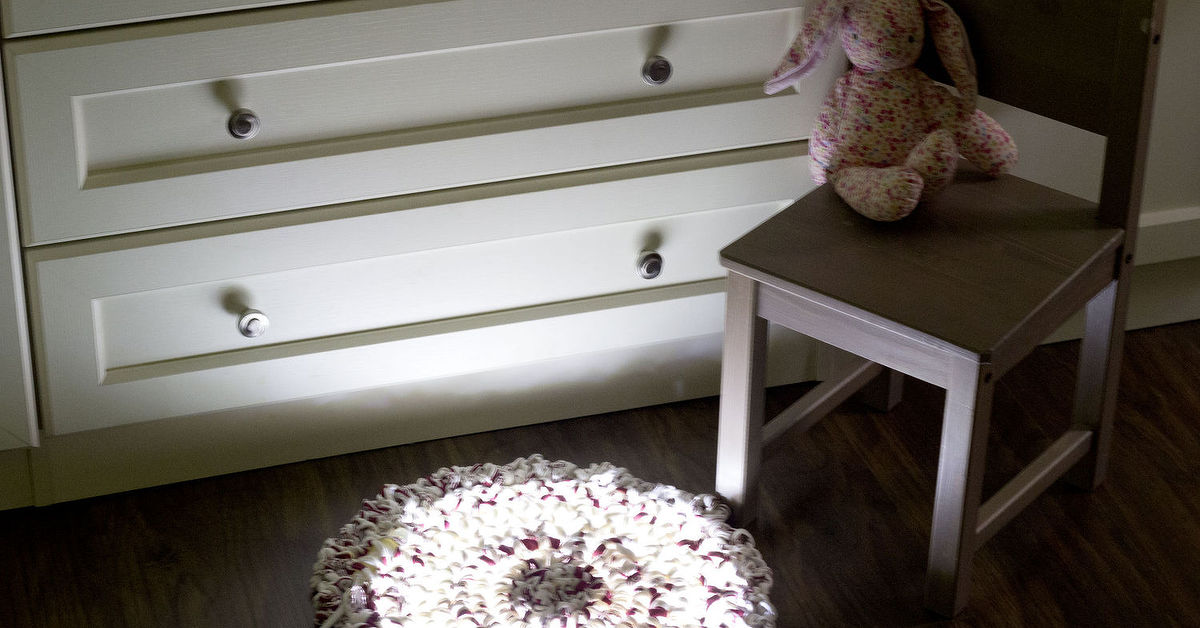
A child’s bedroom can be a launchpad, castle, reading cave, dance floor, and emergency stuffed-animal hospitalall before breakfast. A fairy light kids rug adds another possibility: a glowing patch of floor that makes the room feel magical after sunset.
The idea sounds delightfully simple. Combine a playful children’s rug with soft, twinkling light, and suddenly an ordinary bedroom looks like a tiny enchanted kingdom. The important detail, however, is how you create that glow. Decorative lights and electrical cords should never be hidden beneath a conventional rug. A safer approach is to use a purpose-built illuminated rug, a glow-in-the-dark rug, or a standard kids rug paired with properly secured LED fairy lights around the room.
Done thoughtfully, this combination can brighten a reading corner, define a play area, soften a hard floor, and make bedtime less intimidating. It can also save parents from stepping on a plastic dinosaur at 2 a.m., which may be the greatest interior-design achievement of all.
What Is a Fairy Light Kids Rug?
The term fairy light kids rug can describe several related bedroom-decor ideas. Some products are manufactured with built-in LED lighting. Others use glow-in-the-dark fibers or printed stars that absorb light during the day and release a gentle glow at night. A thirdand often more flexibleoption pairs a regular children’s area rug with fairy lights installed safely along walls, shelving, a canopy, or the perimeter of a reading nook.
Although online inspiration may show light strands woven through or placed beneath rugs, electrical-safety guidance warns against running power cords under carpets or rugs. Foot traffic, furniture pressure, and trapped heat can damage a cord or allow it to overheat.
For that reason, think of the “fairy light rug” as a complete visual effect rather than an invitation to hide ordinary string lights under fabric. The rug supplies texture, color, and comfort. The lights create the sparkle. They can work together beautifully without sharing the same square inch of floor.
Three Safe Ways to Create the Look
- Choose a purpose-built illuminated rug: Look for clear manufacturer instructions, child-appropriate construction, enclosed electrical components, and certification from a recognized testing organization.
- Use a glow-in-the-dark kids rug: This creates a luminous effect without electrical wires running across the floor.
- Pair a standard rug with wall-mounted LED fairy lights: Secure the lights above floor level with suitable clips or cord covers and keep plugs, battery packs, and controls away from young children.
Why This Bedroom Idea Feels So Magical
Fairy lights provide small points of illumination rather than one large, bright source. That scattered glow resembles stars, fireflies, or a trail through an imaginary forest. When it falls across a colorful rug, the floor becomes part of the story instead of merely the place where socks disappear.
It Creates a Clear Play Zone
A rug visually separates one activity area from another. In a shared or small bedroom, it can mark the place for building blocks, puzzles, dolls, toy cars, or quiet reading. Area rugs are frequently used to organize open spaces and create a defined zone without adding another piece of bulky furniture.
A large rug can anchor the bed and provide a generous play surface, while a smaller rug can turn an unused corner into a private hideaway. The Home Depot’s bedroom-rug guidance recommends choosing a children’s rug that extends beyond the bed and leaves enough open surface for play.
It Adds Comfort Underfoot
Hard flooring is practical, but it is not especially welcoming when a child wants to lie down and conduct an extremely serious conference with six teddy bears. A rug adds warmth, cushioning, texture, and some sound absorption.
That softness is useful in bedrooms where children spend time playing close to the floor. It can also reduce the dramatic thump of dropped toys, although no known textile can completely silence a wooden block released from toddler shoulder height.
It Can Make Darkness Less Intimidating
Some children feel more comfortable when they can see the doorway, floor, or familiar objects at night. The American Academy of Pediatrics notes that a modest light may reassure children who are afraid of the dark, while also recommending a safe, sleep-supportive bedroom environment.
The goal is not to make the room bright enough for midnight algebra. Gentle, warm light is usually better suited to winding down than rapidly flashing effects or intense blue-white illumination.
How to Choose the Right Kids Rug
Start With the Correct Size
Measure the room before falling in love with a rug shaped like a smiling cloud. A design can be adorable and still look stranded if it is too small for the available floor space.
For a rug placed beneath a bed, common arrangements include positioning it under the lower two-thirds of the bed or placing a smaller rug at the foot. A 5-by-7-foot rug may suit a compact room or play corner, while larger bedrooms may accommodate 6-by-9-foot or 8-by-10-foot designs. The right choice depends on the bed size, door clearance, furniture placement, and the amount of visible flooring you want to preserve.
Use painter’s tape to mark the proposed dimensions on the floor. This simple trick reveals whether dresser drawers will open, whether the rug will block a door, and whether the “cozy reading zone” is secretly only large enough for one elbow.
Match the Pile to the Room’s Activities
High-pile rugs feel plush and luxurious, but they can swallow tiny toy pieces and make wheeled toys difficult to move. Low- or medium-pile rugs are generally easier to vacuum and provide a steadier surface for blocks, train tracks, miniature figures, and craft projects.
For a nursery or quiet reading corner, a softer texture may be worth the additional care. For an active child’s room, a dense low-pile or flat-woven rug often provides the best balance of comfort and practicality.
Prioritize Washability
Children’s rugs encounter mysterious substances. Juice, marker ink, modeling dough, crumbs, mud, and one unidentified purple spot will eventually arrive, regardless of household rules.
A machine-washable design can simplify maintenance, especially in bedrooms used for crafts or snacks. Lowe’s recommends considering washable rugs in homes with children, pets, or heavy traffic.
Always read the care label before buying. “Washable” may mean machine washable, spot clean only, professional cleaning recommended, or washable only during a full moon while speaking kindly to the laundry machine. The label settles the matter.
Look for Stable Backing
A rug should not skate across the floor every time a child runs into the room wearing a superhero cape. Choose a design with reliable non-slip backing or use a rug pad that is compatible with both the rug and the flooring material.
A quality rug pad helps reduce sliding, wrinkling, and bunching during everyday play. It may also add cushioning and protect the floor below.
Consider Materials and Product Testing
Review fiber content, backing materials, care requirements, and product-safety information. Rugs marketed primarily to children in the United States may be subject to applicable children’s-product rules and third-party testing requirements.
Families concerned about odors or indoor emissions can also look for low-emitting carpet and rug products. Whatever material you choose, air out a new rug when appropriate and follow the manufacturer’s setup and cleaning directions.
Choosing Fairy Lights for a Child’s Bedroom
Use LED Lights
LED fairy lights are the practical choice for most bedroom installations. They use substantially less electricity than traditional incandescent lighting and generally produce less heat. ENERGY STAR reports that certified LED decorative light strings can use far less energy and last considerably longer than conventional incandescent strands.
Lower heat does not mean zero risk. Lights should still be used according to their labels, kept in good condition, and positioned away from bedding, curtains, paper decorations, and other materials that could trap heat or catch fire.
Check for Recognized Safety Certification
Choose lighting evaluated by a recognized testing laboratory and confirm that it is labeled for the intended location. UL Solutions explains that listed decorative light strings are evaluated for hazards such as fire and electric shock. Indoor-only and indoor-outdoor products also carry different markings.
A bargain light strand with no manufacturer name, instructions, ratings, or certification information is not a charming mystery. It is a product to leave on the shelf.
Choose Warm, Gentle Illumination
Warm-white lights create a cozy atmosphere and are easier to coordinate with most rug colors. Pastel lights can complement a fairy, rainbow, woodland, or cloud theme. Color-changing lights are fun for playtime, but a steady low-brightness setting is more appropriate as bedtime approaches.
Place brighter task lighting near desks or craft tables and reserve the fairy lights for atmosphere. Decorative lights should complement the room’s main lighting rather than become the only way a child can find a missing shoe.
Consider Timers and Accessible Controls
A timer allows the lights to turn off automatically after a bedtime story. Remote controls can also be convenient, provided the remote and any small batteries are stored securely away from young children.
Battery-powered strands avoid a cord stretching toward an outlet, but the battery compartment must be securely closed and inaccessible. Button batteries are particularly hazardous if swallowed, so parents should inspect compartments regularly and immediately remove any product with a loose or damaged cover.
Safe Placement: Where the Lights Should Go
The safest visual arrangement keeps electrical components away from the walking surface while still allowing light to wash across the rug.
Outline the Reading Corner
Mount fairy lights along the wall above a rug, floor cushion, and low bookshelf. This creates a clear reading nook without placing cords where children crawl, walk, or play.
Frame a Canopy Without Creating Loose Loops
Lights can be attached securely to the exterior of an age-appropriate canopy, but they should not hang in loose loops near a child’s head, neck, or sleeping area. Keep wiring out of reach and follow the canopy and lighting manufacturers’ instructions.
Create a Starry Wall
Arrange lights above the rug in a wide arc, constellation, or simple zigzag. Use fasteners designed for the wall surface and the weight of the strand. Do not use nails or staples that can pierce electrical wiring.
Illuminate Shelving
Running a light strand along the upper edge of secured shelving can provide a soft glow above a play rug. Anchor furniture to the wall when appropriate and keep cords behind protective covers rather than leaving them dangling within reach.
Keep the Floor Free of Electrical Cords
Never route a power cord, extension cord, or ordinary string-light strand beneath the rug. Do not pinch cords beneath furniture, run them through doorways, or position them across traffic paths. These shortcuts may hide the wire, but they also hide damage and heat buildupthe opposite of a magical ending.
Design Themes That Work Beautifully
Enchanted Forest
Choose a green, cream, or floral rug and combine it with warm-white lights, mushroom-shaped accessories, woodland animals, leafy wall decals, and natural wood storage. Keep the larger furniture neutral so the room can mature without requiring a complete redesign.
Moon and Stars
A navy or gray rug with moons, clouds, planets, or constellations works naturally with tiny warm-white lights. Add silver accents, deep-blue bedding, and glow-in-the-dark stars for extra nighttime detail.
Rainbow Sky
Pair a pastel rainbow rug with lights in soft pink, peach, blue, or warm white. Repeat two or three rug colors in pillows and storage baskets. Using every color on every object can turn “cheerful rainbow” into “crayon box experiencing turbulence.”
Princess Garden
Combine a round floral rug with blush, lavender, or ivory accents. Flower-shaped lights, sheer curtains, and a small reading chair complete the effect. Avoid placing lights directly against flowing fabric unless the product instructions explicitly permit that installation.
Space Explorer
Use a solar-system rug, dark walls or bedding, and star-like lights above the play area. Add framed planet prints, a model rocket, or labeled storage bins. The result can feel imaginative without looking like a themed restaurant on Mars.
How to Style the Room Without Overdoing It
A glowing rug area should be the main attraction. If the walls, ceiling, furniture, bedding, curtains, and laundry hamper are all competing for attention, the room may feel busy rather than magical.
Begin with the rug as the color map. Pull one dominant color and one or two accent colors from its pattern. Use the dominant shade in larger areas, such as bedding or curtains, and repeat the accents in smaller accessories.
Interior-design guidance commonly recommends using rugs to introduce color and texture while allowing other elements to echo selected tones. A multicolored rug can also adapt as a child’s preferences change because new bedding and artwork can draw from different colors within the same design.
Leave some visual breathing room. Plain walls, simple furniture, and closed storage help the illuminated area stand out. The fairy lights should whisper, “Welcome to the enchanted forest,” not shout, “The enchanted forest has taken over the mortgage.”
Cleaning and Maintaining the Rug
Vacuum the rug regularly using the setting recommended for its pile and construction. Shake out smaller rugs outdoors when the care label permits. Treat spills promptly by blotting rather than scrubbing, since aggressive rubbing can spread a stain and damage fibers.
Test any cleaning solution in a hidden area before treating a visible spot. The Carpet and Rug Institute also recommends following the manufacturer’s instructions and using professional cleaning when required by the label.
Inspect the rug pad periodically for deterioration, moisture, or residue. Rotate the rug every few months if sunlight or foot traffic is causing uneven wear.
The lights need their own maintenance routine. Check for frayed wires, cracked insulation, loose connections, damaged plugs, heat discoloration, or unreliable battery compartments. Stop using the strand immediately if any component appears damaged.
A Real-World Fairy Light Kids Rug Makeover Experience
Imagine a fairly typical Saturday bedroom makeover. The room belongs to an eight-year-old who wants three things: a magical forest, enough open floor for building elaborate animal villages, and absolutely no “baby colors.” The parents want a washable rug, a clear path to the door, and a project that does not require rewiring the house.
The first rug considered is a tiny round design covered in flowers. It is charming, affordable, and approximately the size of a large pizza. Painter’s tape on the floor quickly reveals that it would float awkwardly in the middle of the room. A 5-by-7-foot low-pile rug works better, creating enough space for play while leaving the dresser, closet, and door unobstructed.
The child selects a pattern with leaves, stars, tiny mushrooms, and several creatures that may be rabbits or unusually confident squirrels. Instead of matching every color, the room uses sage green as the base, dusty pink as an accent, and warm white for the lighting.
The family briefly considers placing a strand of lights beneath the rug to make it glow from below. That plan is rejected because cords should not run under floor coverings. The safer solution produces a better result anyway: the lights are mounted along the wall above the rug, curve around a secured bookshelf, and continue over a small reading chair. A cord cover guides the power lead directly to the outlet without crossing the floor.
During daylight, the rug still functions as the room’s visual center. Building blocks remain stable on the low pile, toy animals stop falling over, and the reading chair finally looks intentional rather than as though it wandered into the corner and became lost.
At night, the warm LED points reflect softly across the lighter sections of the rug. The effect is subtle, not theatrical. Nobody expects an elf to appear, although the stuffed fox on the bookshelf looks suspiciously important.
The timer becomes the most useful feature. The lights remain on during the bedtime story and switch off later without requiring an adult to enter the room. On evenings when the child wants more reassurance, a separate low night-light in the hallway provides orientation after the decorative strand turns off.
The first cleaning test arrives four days later in the form of chocolate milk. Because the rug is washable and the care instructions were saved, the spill is blotted quickly and treated without drama. This confirms an important lesson: a kids bedroom rug should be chosen for Tuesday-afternoon reality, not merely for the five perfect minutes after installation.
The makeover also changes how the room is used. The illuminated corner becomes the preferred spot for reading, drawing, and quiet play. Toys that once migrated across the entire floor increasingly remain on the rug because the space feels like a defined little world. Cleanup becomes easier when the child can be told, “Everything in the fairy forest goes back into these two baskets.”
Most importantly, the room still feels appropriate months later. The fairy effect comes from removable lights, textiles, and artwork rather than expensive themed furniture. When interests eventually shift from enchanted animals to oceans, music, or space travel, the family can change a few accessories instead of launching another full-scale decorating expedition.
Conclusion
A fairy light kids rug can transform an ordinary bedroom into a comfortable, imaginative retreat. The most successful design combines a correctly sized, easy-care, non-slip rug with gentle LED lighting installed away from the walking surface.
Choose colors that can grow with the child, keep the lighting warm and restrained, and use the rug to define a practical activity zone. Above all, treat safety as part of the design. A magical room should encourage stories, reading, play, and peaceful sleepnot provide an electrical plot twist.