Science experiments for kids do not need a white lab coat, a million-dollar microscope, or a dramatic puff of smoke that sends everyone running for the window. The best science activities often begin with ordinary objects: a lemon, a balloon, a spoonful of baking soda, a paper towel, a magnet, or a cup of water that is about to become far more interesting than expected.
Whether you are a parent trying to rescue a rainy afternoon, a teacher planning hands-on STEM activities, or a student looking for a science fair idea that does not involve “watching paint dry, but academically,” this guide has you covered. These 45 science experiments for kids are designed for home or school, using easy-to-find materials and clear learning goals. They explore chemistry, physics, biology, weather, engineering, Earth science, and simple scientific thinking.
The real magic is not just in the fizz, foam, color changes, or wobbly towers. It is in the questions kids ask afterward: Why did that happen? What if we try it again? What happens if we change one thing? Congratulationsthat is science sneaking in through the side door wearing safety goggles.
Before You Start: Simple Science Safety Rules
Most of these experiments use household materials, but “household” does not always mean “hands-off.” Adults should supervise all experiments, especially those involving heat, glass, sharp objects, balloons, food coloring, vinegar, baking soda, hydrogen peroxide, batteries, or small parts. Kids should wear eye protection for fizzy or splashy experiments, wash hands afterward, and never taste materials unless the activity is clearly food-safe.
For best results, ask children to make a prediction before each experiment, observe what happens, and explain the result in their own words. A notebook, worksheet, or simple chart can turn a fun activity into a real scientific investigation.
Easy Kitchen Chemistry Experiments
1. Baking Soda and Vinegar Volcano
This classic science experiment for kids shows an acid-base reaction. Place baking soda in a cup or homemade clay volcano, add vinegar, and watch carbon dioxide bubbles create a mini eruption. Add food coloring for lava drama worthy of a tiny disaster movie.
2. Dancing Raisins
Drop raisins into clear soda and watch them rise and fall. Carbon dioxide bubbles stick to the wrinkly raisin surfaces, lifting them upward. When the bubbles pop, the raisins sink again. It is buoyancy, gas, and snack confusion all at once.
3. Magic Milk Color Swirls
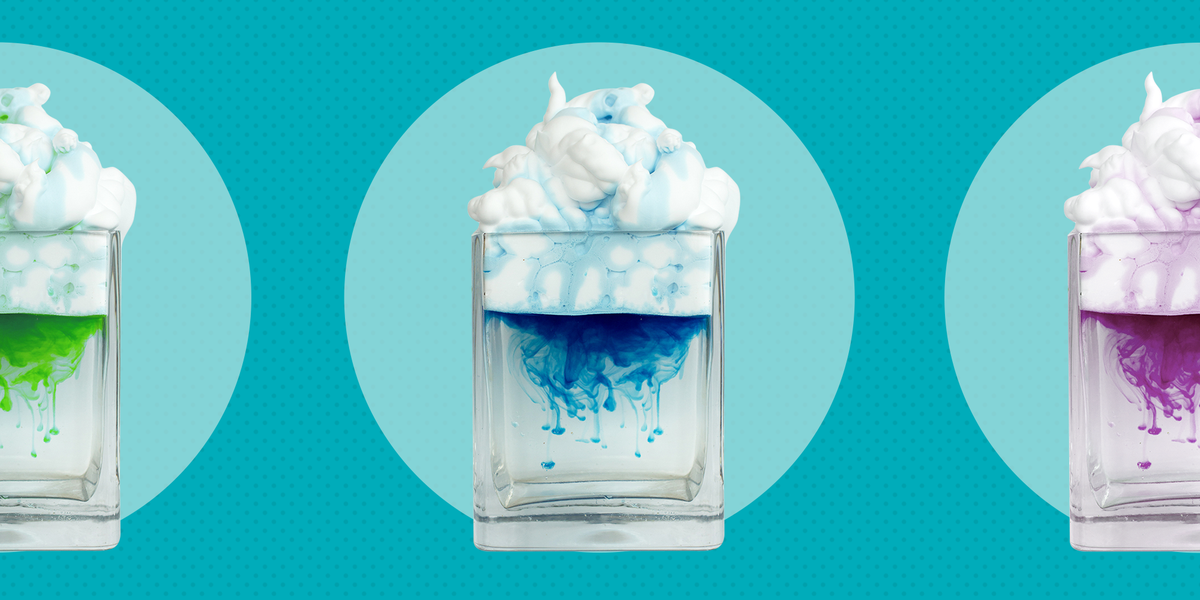
Pour milk into a shallow dish, add drops of food coloring, then touch the surface with a cotton swab dipped in dish soap. The soap breaks surface tension and interacts with fat molecules, sending colors swirling like a tiny liquid galaxy.
4. Lemon Juice Invisible Ink
Write a message with lemon juice and let it dry. With adult help, gently warm the paper near a lamp or safe heat source. The lemon juice oxidizes and darkens faster than the paper, revealing the secret message.
5. Egg in Vinegar
Soak a raw egg in vinegar for 24 to 48 hours. The shell dissolves because vinegar reacts with calcium carbonate, leaving a rubbery membrane. Handle it carefully unless you enjoy cleaning up educational omelets.
6. Homemade Rock Candy
Dissolve sugar in hot water until no more will dissolve, then suspend a string or stick in the solution. Over several days, sugar crystals grow as the solution cools and evaporates. This demonstrates saturation, crystallization, and patience.
7. Red Cabbage pH Indicator
Boil chopped red cabbage in water, cool the liquid, and use it to test vinegar, baking soda solution, lemon juice, and soapy water. The color changes reveal acids and bases. Purple science has entered the chat.
8. Floating Egg Density Test
Place an egg in plain water, then in salt water. The egg sinks in plain water but floats when enough salt increases the water’s density. This simple science activity helps kids understand why floating is about more than just weight.
9. Balloon Inflated by Yeast
Mix warm water, sugar, and yeast in a bottle, then place a balloon over the opening. Yeast feeds on sugar and releases carbon dioxide, slowly inflating the balloon. It is biology and chemistry working together like tiny bakers.
10. M&M Color Dissolving Race
Place similar candies in cups of water, oil, and rubbing alcohol. Compare how the candy coating dissolves in each liquid. Kids learn about solubility and why some substances mix better than others.
Physics Experiments Kids Will Actually Want to Repeat
11. Balloon Rocket
Thread a straw onto a string, tape an inflated balloon to the straw, and release it. Air rushing backward pushes the balloon forward, demonstrating Newton’s third law of motion: every action has an equal and opposite reaction.
12. Paper Airplane Flight Test
Make different paper airplane designs and measure how far each flies. Change one variable at a time, such as wing shape or paper weight. This is a great classroom science experiment because it teaches fair testing.
13. Marshmallow Catapult
Build a small catapult using craft sticks, rubber bands, and a plastic spoon. Launch marshmallows and measure distance. Kids explore force, motion, stored energy, and why aiming at siblings is not part of the scientific method.
14. Static Electricity Butterfly
Cut tissue paper into butterfly wings, rub a balloon on hair or fabric, and hold it near the paper. Static electricity attracts the lightweight paper, making the butterfly move.
15. Sink or Float Challenge
Gather small objects and predict whether each will sink or float. Then test them in water. This simple experiment introduces density, buoyancy, and observation skills for younger kids.
16. Aluminum Foil Boat
Give kids a sheet of aluminum foil and ask them to build a boat that holds pennies. The goal is to design a shape that displaces enough water to support weight. It is engineering in snack-size form.
17. Balloon-Powered Car
Build a small car from cardboard, bottle caps, straws, and a balloon. When the balloon releases air, the car rolls forward. Kids explore propulsion, friction, wheels, axles, and design improvement.
18. Egg Drop Challenge
Protect an egg using straws, paper, cotton balls, or recycled materials, then drop it from a safe height. The goal is to reduce impact force. This experiment teaches engineering design and problem-solving.
19. Homemade Compass
Magnetize a needle by rubbing it with a magnet, place it on a small piece of cork or foam, and float it in water. The needle aligns with Earth’s magnetic field, creating a simple compass.
20. Sound Vibrations with Rice
Stretch plastic wrap over a bowl, sprinkle rice on top, and make loud sounds nearby. The rice jumps as sound waves create vibrations. Kids can test voices, claps, and musical instruments.
Weather, Earth Science, and Space Experiments
21. Tornado in a Bottle
Fill a plastic bottle partly with water, add a little dish soap, close it tightly, and swirl. The spinning water forms a vortex, showing how rotating air can create tornado-like motion.
22. Cloud in a Jar
Add warm water to a jar, place a plate with ice on top, and observe condensation forming inside. This demonstrates how warm, moist air cools and forms cloud droplets.
23. Homemade Rain Gauge
Cut the top off a plastic bottle, invert it as a funnel, and mark measurements on the side. Place it outside during rain and record rainfall. Kids learn weather tracking with real data.
24. Water Cycle in a Bag
Draw the sun, clouds, and ocean on a zip-top bag. Add a little colored water, tape it to a sunny window, and watch evaporation and condensation occur. It is the water cycle in a sandwich bag.
25. Erosion in a Pan
Make a small hill of soil or sand in a tray, then pour water gently over it. Observe how water moves sediment. Add rocks or plants to test which materials reduce erosion.
26. Moon Crater Experiment
Fill a pan with flour and sprinkle cocoa powder on top. Drop marbles from different heights and compare crater sizes. This models how impact speed and object size affect craters.
27. Solar Oven S’mores
Line a pizza box with foil, cover the opening with plastic wrap, and use sunlight to warm a s’more. This experiment teaches solar energy, reflection, insulation, and the scientific value of dessert.
28. DIY Sundial
Place a stick upright in clay or soil and mark the shadow’s position every hour. Kids observe how Earth’s rotation changes the apparent position of the sun.
29. Soil Layers in a Jar
Shake soil with water in a clear jar and let it settle. Sand, silt, clay, and organic matter separate into layers. This helps children see that soil is more than “dirt with ambition.”
30. Homemade Barometer
Stretch a balloon over a jar, tape a straw to the balloon surface, and mark changes in the straw’s position. Air pressure changes push the balloon up or down, creating a simple weather tool.
Biology and Nature Science Experiments
31. Celery and Food Coloring
Place celery stalks in colored water and watch the color move through the plant. This demonstrates capillary action and how plants transport water through their stems.
32. Bean Sprout Observation
Place beans in a damp paper towel inside a clear bag and tape it to a window. Kids can observe roots, shoots, and leaves as the seed germinates.
33. Leaf Rubbing Investigation
Place leaves under paper and rub with crayons. Compare shapes, veins, and textures. This simple activity helps kids observe plant structures closely.
34. Mold Growth Test
Place slices of bread in separate bags under different conditions: dry, damp, light, and dark. Observe mold growth without opening the bags. Kids learn about fungi and controlled variables.
35. Apple Browning Experiment
Coat apple slices with lemon juice, water, salt water, and nothing. Compare browning over time. This experiment explores oxidation and how acids can slow chemical changes.
36. Bird Beak Adaptation Game
Use tweezers, spoons, chopsticks, and clothespins as “beaks” to pick up beans, rubber bands, or pasta. Kids learn how animal adaptations help species survive in different environments.
37. Worm Observation Habitat
Layer damp soil and sand in a clear container, add worms, and observe how they tunnel. Keep the habitat cool and dark, then return the worms outdoors after the activity.
38. Seed Dispersal Design
Create paper “seeds” with wings, parachutes, or hooks. Drop them from a height and compare how far they travel. This shows how real seeds use wind, animals, and gravity to spread.
39. Fingerprint Patterns
Use washable ink or pencil graphite and tape to collect fingerprints. Compare loops, whorls, and arches. This experiment introduces observation, classification, and forensic science.
40. Sense of Smell Mystery Test
Place safe scented items like vanilla, lemon, cinnamon, and coffee in covered cups with small holes. Kids guess each smell and discuss how the nose and brain work together.
Engineering and Classroom STEM Challenges
41. Paper Bridge Challenge
Use one sheet of paper to build a bridge between two books. Test how many pennies it holds. Folding, rolling, or pleating the paper increases strength by changing its structure.
42. Straw Tower Challenge
Give kids straws and tape, then challenge them to build the tallest free-standing tower. They learn stability, balance, triangles, and why “just tape more straws on it” is not always engineering.
43. Marble Roller Coaster
Use paper tubes, cardboard, tape, and books to build a marble track. Kids experiment with gravity, speed, friction, and design adjustments.
44. Cup Telephone
Connect two paper cups with a taut string. Speak into one cup while a partner listens through the other. Sound vibrations travel through the string, making this a simple physics demonstration.
45. Filter Dirty Water
Layer gravel, sand, and a coffee filter in a plastic bottle to filter muddy water. This shows how filtration removes particles, but children should understand the water is still not safe to drink.
How to Turn These Activities Into Real Science Lessons
A fun science experiment becomes a stronger learning experience when kids use the scientific method. Start with a question: Which paper airplane flies farthest? Which liquid dissolves candy coating fastest? Does salt water help an egg float? Then ask for a hypothesis, or educated guess. Next, test one variable at a time, record results, and compare the outcome with the original prediction.
For younger children, keep the process simple: “What do you think will happen?” and “What did you notice?” For older students, add measurements, charts, repeated trials, and written conclusions. The goal is not to memorize fancy vocabulary. The goal is to train curiosity to wear shoes and walk around the room collecting evidence.
Experience Notes: What Kids Really Learn From Hands-On Science
After watching children do science experiments at home and in school settings, one thing becomes very clear: kids rarely remember the worksheet first. They remember the moment. They remember the balloon rocket zooming across the room, the volcano bubbling over the tray, the paper bridge collapsing under penny number 28, and the celery turning blue overnight like it had joined a vegetable rock band.
That excitement matters because it gives abstract science a place to live. Density is easier to understand when an egg floats in salt water. Gas production makes more sense when yeast inflates a balloon. Capillary action stops sounding like textbook fog when colored water climbs through celery. Children learn best when they can point to something and say, “I saw it happen.”
These experiments also teach resilience. A straw tower may fall five times before it stands. A marble roller coaster may launch the marble directly into a shoe. A solar oven may need more sun, better foil placement, or a darker cooking surface. In each case, kids practice revising their design instead of calling the project a failure. That is a powerful habit, not just for science class but for life.
For parents, the best approach is to resist the urge to turn every activity into a lecture. Ask questions instead. “Why do you think that happened?” “What could we change?” “How would you test that idea?” When adults become co-investigators rather than answer machines, kids gain confidence in their own thinking. The kitchen table becomes a lab, the backyard becomes a field station, and the classroom becomes a place where wondering out loud is welcome.
Teachers can use these activities to support collaboration. Assign roles such as materials manager, recorder, tester, and presenter. Students who may not shine during written assignments often come alive when they can build, pour, compare, or explain. Hands-on science gives different types of learners a doorway into the same big ideas.
Another helpful experience-based tip: keep cleanup realistic. Use trays, towels, washable markers, and small quantities of materials. A science experiment that takes 15 minutes and leaves one cup to wash is more likely to be repeated than one that turns the kitchen into a documentary about natural disasters.
Most importantly, let the experiment continue after the first result. The best learning often begins with “What if?” What if we use more salt? What if the airplane has wider wings? What if the bridge is folded differently? That little question is the engine of science. Give kids room to ask it, test it, and laugh when the answer splashes slightly outside the bowl.
Conclusion
The best science experiments for kids are simple, safe, and surprisingly memorable. They help children connect everyday materials with big scientific concepts such as chemical reactions, force and motion, weather, plant growth, sound, light, density, and engineering design. Whether you are planning a classroom STEM lesson, a science fair project, or a weekend activity at home, these 45 experiments offer plenty of ways to spark curiosity without requiring expensive equipment.
Start small, encourage questions, and let kids make predictions before revealing the result. A fizzy cup, a floating egg, or a homemade compass might seem simple, but for a young learner, it can open the door to a lifelong love of discovery. Science does not always begin in a laboratory. Sometimes it begins with a balloon, a spoonful of baking soda, and a child asking, “Can we do that again?”
Note: Adult supervision is recommended for all experiments. Use age-appropriate materials, avoid tasting experiment supplies, and follow classroom or household safety rules.