Every design award has its glamour moment. Some have red carpets, tuxedos, and acceptance speeches long enough to make the orchestra panic. The Remodelista Considered Design Awards, especially the Amateur Category for Best Kitchen, has something better: real kitchens, real homeowners, real decisions, and probably at least one drawer full of mismatched measuring spoons. That is precisely what makes this category so addictive to follow and so meaningful to vote in.
The title “Vote for the Best Kitchen in the Remodelista Considered Design Awards: Amateur Category” may sound like a polite invitation, but it is also a tiny design challenge. Voters are not simply choosing the prettiest room. They are judging how successfully a non-professional designer has turned a kitchen into a working, welcoming, personal space. In other words, this is not about who bought the most expensive faucet. It is about who made the smartest decisions, the most graceful compromises, and the kitchen that makes you think, “Yes, I would absolutely drink coffee there while pretending I’m organized.”
What Makes the Remodelista Considered Design Awards Special?
Remodelista has built its reputation around the idea of the “considered home”: spaces that are edited, practical, personal, and beautiful without shouting for attention. The Considered Design Awards reflect that philosophy. Instead of celebrating only polished professional interiors, the awards have historically opened the door to homeowners, renters, small-space dwellers, and design lovers who understand that good taste is not reserved for people with architectural degrees and heroic lighting budgets.
The Amateur Category is especially refreshing because it recognizes the kind of design intelligence that comes from living in a space. Professional kitchens can be breathtaking, of course, but amateur kitchens often reveal something more intimate: the way a family cooks, hosts, stores, cleans, fixes, improvises, and survives Tuesday dinner. That lived-in honesty is the secret ingredient.
The Heart of the Contest: Public Voting
In the Remodelista Considered Design Awards, finalists are selected by editors and judges, but readers help determine the winners through public voting. That voting element matters. It turns the awards from a private design verdict into a community conversation. Readers get to weigh in on what feels inspiring, useful, original, and attainable.
In the Best Kitchen Amateur Category, voting is not just a popularity contest. A great kitchen entry needs to communicate its story quickly through photographs, materials, layout, and details. Does the space feel functional? Does the storage make sense? Does the palette support the architecture? Does the room look like it belongs to actual human beings who cook actual food? Bonus points if the kitchen looks calm while secretly handling the chaos of breakfast, lunchboxes, wine glasses, and that one pan nobody knows how to store.
What Voters Should Look For in the Best Amateur Kitchen
1. A Layout That Understands Real Life
A beautiful kitchen that does not function is basically a stage set with a dishwasher. When voting, look beyond the first impression. Notice whether the sink, range, refrigerator, prep areas, and storage zones create a natural rhythm. The classic kitchen work triangle still matters in many homes, but modern kitchens often need more than that: room for multiple cooks, homework at the island, coffee stations, pet bowls, recycling zones, and guests who insist on standing exactly where you need to open the oven.
The strongest amateur kitchens usually show evidence of careful problem-solving. Maybe a narrow galley kitchen uses vertical storage brilliantly. Maybe an old house gains an open plan without losing its soul. Maybe a small island does three jobs without looking like a stranded aircraft carrier. Good layout is quiet. You notice it because everything feels easy.
2. Materials With Character and Staying Power
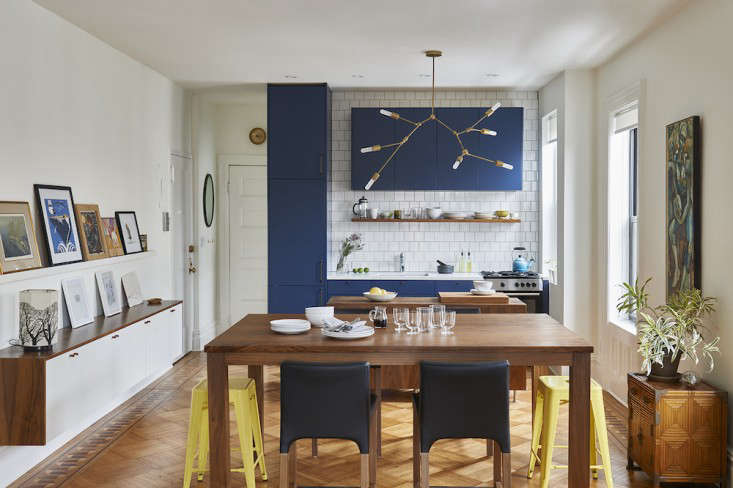
Considered design favors materials that age well. Wood, stone, tile, plaster, metal, and well-made cabinetry can give a kitchen texture and warmth that outlasts trend cycles. In recent kitchen design conversations, natural materials, white oak, quartzite, handmade tile, and earthy colors have remained popular because they bring depth and durability to hard-working spaces.
For an amateur kitchen, material choices are often where personality shines. A reclaimed wood shelf, a butcher-block island, vintage hardware, fumed oak floors, or handmade ceramics can make a kitchen feel collected rather than purchased all at once from the “Instant Taste” aisle. That aisle does not exist, unfortunately, though many of us have looked for it during renovations.
3. Storage That Solves Problems Instead of Creating More
Storage is where amateur kitchens either soar or quietly collapse under a mountain of cereal boxes. A winning kitchen should show thoughtful storage, not necessarily endless storage. More cabinets are not always better; smarter cabinets are better. Drawers, open shelving, pantry zones, appliance garages, peg rails, wall-mounted racks, and built-in islands can all work beautifully when they match the homeowner’s routine.
Open shelving deserves a special mention. It can look airy, personal, and practical when used for items that are genuinely reached for every day. It can also become a museum of dusty bowls if it is installed only because the internet said so. When voting, ask whether the storage strategy feels honest. Does it serve the cook, or does the cook serve the styling?
4. Lighting That Does More Than Look Cute
Kitchen lighting has to work hard. It needs to support chopping, cooking, cleaning, reading recipes, setting a mood, and occasionally inspecting whether that spot on the counter is flour or something more mysterious. Strong kitchen design usually includes layered lighting: natural light, task lighting, under-cabinet lighting, pendants, and ambient fixtures that soften the room after the serious cooking is done.
In an amateur kitchen, lighting can be a powerful sign of careful planning. A pendant over an island may be beautiful, but the real question is whether it hangs at the right height, lights the right area, and does not make everyone at dinner feel like they are being questioned by a detective.
Why Amateur Kitchens Often Feel More Inspiring
The amateur category has a charm that professional design sometimes cannot replicate. These kitchens often include constraints: modest budgets, tricky footprints, inherited architecture, family needs, weekend labor, and decisions made after three trips to the hardware store and one emotional moment in the tile aisle. The results can feel more relatable because they are shaped by limits.
Limitations often produce the best design ideas. A homeowner who cannot afford custom cabinetry may restore existing cabinets and spend wisely on hardware. A small kitchen may use a freestanding island instead of built-ins. A dated room may come alive through paint, lighting, and open shelving. In many cases, the “amateur” label is not a limitation at all. It is a badge of courage, patience, and willingness to Google “how to remove old backsplash” at midnight.
The Remodelista Standard: Beauty Without Excess
What separates a Remodelista-worthy kitchen from a merely fashionable one is restraint. A considered kitchen does not need every trend. It does not need three types of marble, a faucet that looks like it belongs on a yacht, or a refrigerator so large it has its own weather system. It needs coherence.
Coherence means the room has a point of view. The cabinets, counters, floors, fixtures, and objects work together. There is breathing room. There is texture. There is function. There is probably a very good cutting board. The space feels edited, not empty; warm, not cluttered; personal, not chaotic. That balance is harder than it looks, which is why a great amateur kitchen deserves applause, votes, and possibly a celebratory pie.
Examples of Winning Kitchen Qualities
Many admired amateur kitchen entries share a few common qualities. They often make smart use of existing architecture. They may preserve original beams, windows, floors, or odd corners instead of erasing them. They also tend to favor human-scale design: reachable shelves, practical islands, comfortable seating, and work surfaces that invite use rather than intimidation.
Color is another clue. The best kitchens do not always use bold color, but they understand tone. A quiet white kitchen can succeed if it has texture and warmth. A green, blue, clay, or wood-toned kitchen can feel timeless when the color supports the home rather than hijacking it. The goal is not to make the loudest statement. The goal is to make a statement that still feels good after the dishes are done.
How to Vote Thoughtfully
Before casting a vote, give each finalist more than a quick scroll. Study the project description. Look at the before-and-after story if available. Notice how the kitchen relates to the rest of the house. A kitchen does not live alone; it connects to dining areas, living spaces, gardens, mudrooms, and daily routines.
Then ask a few practical questions. Would this kitchen be easy to cook in? Does it use space wisely? Are the materials appropriate for the setting? Does it feel personal? Is there a detail you will remember tomorrow? The best vote is not always for the biggest room or the most expensive finish. Often, it is for the kitchen that shows the clearest thinking.
Why This Category Matters to Homeowners
The Best Kitchen Amateur Category matters because it gives everyday renovators permission to trust their own eye. It says that a homeowner’s careful choices can stand beside professional work. It also reminds readers that design is not only about money. It is about editing, proportion, patience, and knowing when to stop. That last one is difficult. Renovation has a sneaky way of whispering, “What if we also replaced every doorknob in the house?”
For people planning their own remodel, these entries can be more useful than fantasy kitchens with unlimited square footage. Amateur projects show attainable ideas: mixing old and new, making small spaces work, using open storage wisely, choosing durable materials, and designing around the way people actually live.
Design Lessons From the Amateur Kitchen Category
Start With How You Cook
A kitchen should begin with habits, not finishes. Do you cook every night? Bake often? Host guests? Need a breakfast zone? Have children, pets, or a partner who believes every counter is a mail-sorting station? The best designs answer these questions before anyone chooses tile.
Spend Where Touch Matters
Hardware, faucets, countertops, drawer glides, and lighting switches are used constantly. Investing in these touchpoints can make a modest kitchen feel elevated. A fancy backsplash is nice, but a drawer that opens smoothly every morning may be the real luxury.
Mix Closed and Open Storage
Closed storage hides the chaos. Open storage gives the room life. A balanced kitchen often uses both: cabinets for the less photogenic essentials and shelves or rails for the tools, dishes, and objects worth seeing. This is especially important if your collection includes twelve travel mugs and a waffle maker with commitment issues.
Let Imperfection Add Soul
Some of the most memorable kitchens include quirks: uneven old floors, salvaged pieces, vintage stools, handmade tile, or a repurposed cabinet. These details create atmosphere. Perfect rooms can feel sterile; considered rooms feel alive.
Experiences Related to Voting for the Best Kitchen in the Remodelista Considered Design Awards: Amateur Category
Voting for the Best Kitchen in the Remodelista Considered Design Awards: Amateur Category is a surprisingly personal experience. At first, you might think you are simply comparing cabinets, countertops, and photographs. Then something funny happens: you start imagining your own life inside each kitchen. You picture making coffee at one counter, chopping vegetables at another, leaning against an island while a friend tells a story, or opening a pantry and discovering that everything has a place. This is when the vote becomes more than a click.
One useful experience is to look at the kitchens in stages. First, respond emotionally. Which room makes you pause? Which kitchen feels inviting before you have analyzed why? That first reaction matters because great design often communicates quickly. Then go back and study the details. Does the kitchen still hold up after closer inspection? Are the shelves practical? Does the island fit the room? Is the stove placed where cooking would feel natural? The second look separates visual charm from lasting quality.
Another experience is noticing how much personality comes through in amateur design. Professional spaces can be highly polished, but amateur kitchens often carry stories in their surfaces. A salvaged island might reveal a homeowner’s love of reuse. Mismatched hardware might show a preference for character over uniformity. Open shelves filled with real dishes can tell you how the household eats, hosts, and lives. These kitchens feel less like showrooms and more like chapters from someone’s home life.
It is also worth paying attention to restraint. Many amateur renovators are tempted to include every beloved idea at once: patterned tile, dramatic lighting, open shelving, colorful cabinets, brass hardware, marble counters, and a heroic range. The best entries usually know when to stop. They choose a few strong moves and let the rest of the room support them. That kind of restraint is not boring. It is disciplined. It is the design equivalent of seasoning soup properly instead of dumping in the entire spice rack.
For homeowners planning a remodel, the voting process can become a design education. You may discover that you prefer warm wood over painted cabinets, or that you love kitchens with visible cookware, or that you are drawn to old-house charm more than sleek minimalism. You may also realize that a kitchen does not need to be enormous to be excellent. A small, thoughtful space can beat a large, expensive one if it functions beautifully and feels authentic.
The most enjoyable part of voting is that there is no single correct answer. One voter may value efficiency above all else. Another may vote for atmosphere, originality, or sustainability. Someone else may choose the kitchen that makes the smartest use of a difficult footprint. This variety is exactly why public voting belongs in the awards. It reflects the fact that kitchens are deeply personal rooms. They are places for cooking, gathering, arguing over dishwasher loading techniques, sneaking midnight snacks, and celebrating ordinary life.
In the end, the best vote is the one that honors both beauty and usefulness. Choose the kitchen that feels designed with care, not just decorated for applause. Choose the space where materials, layout, light, and personality work together. Choose the kitchen that makes you want to cook, sit, linger, and maybe finally organize that one terrifying drawer. That is the spirit of the Amateur Category: real design, real homes, real life, and just enough inspiration to make everyone reconsider their backsplash.
Conclusion
The Remodelista Considered Design Awards: Amateur Category celebrates kitchens that prove great design does not require a professional title. It requires attention, taste, patience, and a deep understanding of how people live. The Best Kitchen category is especially compelling because kitchens carry so much responsibility. They must be practical, durable, comfortable, beautiful, and forgiving of spills. That is a lot to ask from one room, yet the best amateur entries manage it with style.
When you vote, look for the kitchen that balances form and function with confidence. Notice the layout, the materials, the storage, the lighting, and the story. The winning kitchen should feel not only photogenic but also livable. After all, the highest compliment for a kitchen is not “That looks expensive.” It is “I want to be there.”
Note: This article is based on researched information from Remodelista and Gardenista award materials, U.S. kitchen design trend reports, remodeling guidance, and reputable home design publications. No source links or citation artifacts are inserted so the content remains clean for web publishing.