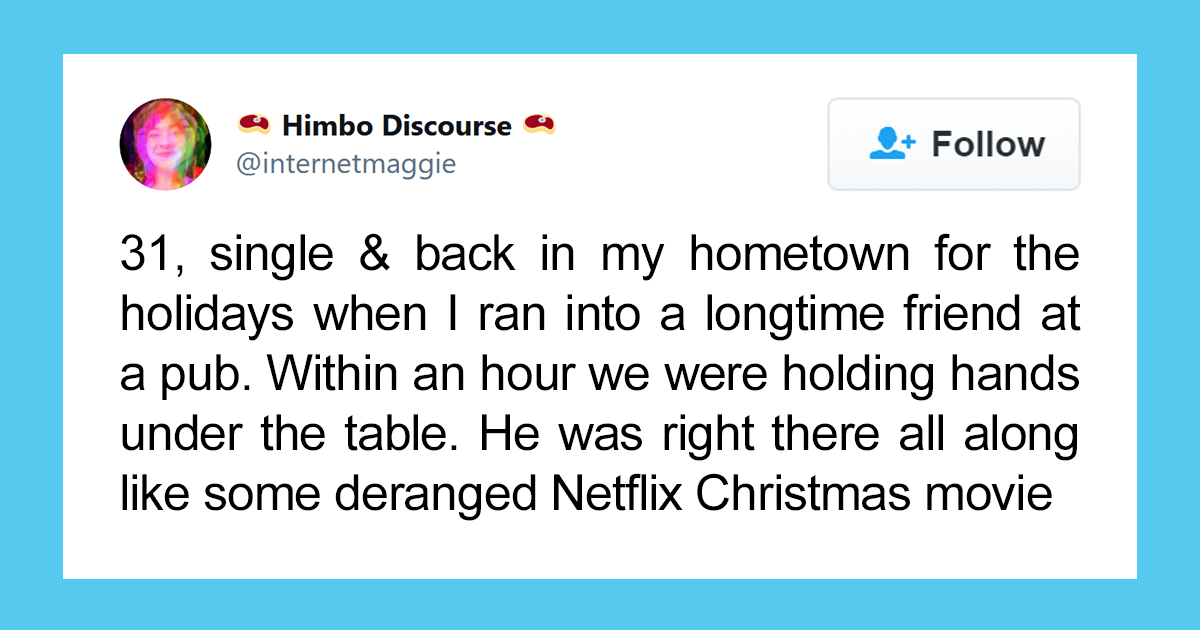
There is a particularly unhelpful rumor floating around that romantic opportunity expires at 30, presumably at the same moment your knees begin making sound effects. According to this myth, everyone who wanted a partner already found one at college, locked the relationship down by 27, and now spends weekends choosing backsplash tile together.
Real life is much messierand much more encouraging. Americans are marrying later than previous generations. In 2025, the estimated median age at first marriage was 30.8 for men and 28.4 for women, compared with 23.5 and 21.1 in 1975. People are also meeting partners through an increasingly varied mix of dating apps, friendships, workplaces, hobby groups, community events, travel, social media, and pure logistical accidents.
Online dating has become especially important. Pew Research Center found that 37% of Americans ages 30 to 49 had used a dating site or app, while Stanford researchers reported that meeting online had become the most common way American couples connected. Yet the stories below show that algorithms are only part of the picture. Sometimes love arrives through a carefully filtered match. Sometimes it is standing beside the broken office printer holding a replacement toner cartridge.
Editorial note: The entries below are original tweet-style retellings based on recurring themes in public relationship stories and research. They are not verbatim reproductions of individual social media posts.
Why Finding Love After 30 Is Not “Too Late”
Dating after 30 can feel different because life is different. People may be balancing careers, children, divorces, aging parents, mortgages, graduate school, or a dog whose emotional needs require a color-coded calendar. Social circles can shrink, spontaneous parties become less frequent, and a 9:30 p.m. invitation may be interpreted as an act of aggression.
However, dating later can also bring advantages. Many adults have a clearer understanding of their values, boundaries, communication style, and long-term goals. Harvard Health advises older daters to clarify whether they want companionship, romance, casual dating, or a future spouse before beginning the search. That clarity may not make every date successful, but it can reduce the time spent pretending to enjoy activities you secretly despise.
The following 30 mini-stories demonstrate an important truth: there is no approved schedule and no single correct place to meet a partner. Love is remarkably unconcerned with whether your life resembles a romantic comedy.
30 Tweet-Style Stories About Meeting a Partner After 30
1. The Dating App Downloaded as a Joke
“Downloaded a dating app at 34 because my friends took my phone and made a profile. Married the first person who correctly identified my obscure movie quote. My friends remain unbearable about this.”
2. The Very Patient Coworker
“Met my husband at work when I was 36. We spent eight months discussing spreadsheets before realizing we were flirting. Romance is alive, and apparently it uses conditional formatting.”
3. The Dog Did the Networking
“At 39, my dog dragged me toward the same person at the park every Saturday. The dogs became friends first. We followed their lead. They still behave as though they arranged the marriage.”
4. The Friend Who Finally Intervened
“A friend had been telling me for two years that I should meet her neighbor. I finally agreed at 33 just to stop the campaign. We have been together nine years. She accepts full credit.”
5. The Grocery Store Debate
“Met my partner at 41 while arguing over which tomatoes were least disappointing. We exchanged cooking tips, then numbers. Our relationship began in produce and remains suspiciously dependent on snacks.”
6. The Adult Education Surprise
“Signed up for a pottery class after my divorce because I needed a hobby. Met a woman who made terrible bowls and excellent conversation. Ten years later, the bowls are gone. She stayed.”
7. The Wedding Guest Plot Twist
“Went alone to a wedding at 35 and was seated beside another single guest. We complained about the DJ, danced anyway, and exchanged numbers near the cake. Highly recommend strategic seating charts.”
8. The Long-Distance Comment Section
“We kept replying to each other under posts about the same TV show. At 32, I messaged him privately. Two years of long-distance dating later, we moved in together and still disagree about the finale.”
9. The Running Club for Non-Runners
“Joined a running club at 38 to become healthier. Met my wife, who also hated running but liked the post-run breakfast. We quit the club and kept the breakfast.”
10. The Airport Delay
“A six-hour flight delay at 37 put me beside the same stranger for an entire afternoon. We shared phone chargers, bad coffee, and life stories. The airline lost my luggage but found my spouse.”
11. The Second First Date
“We had one awkward date at 29 and never spoke again. Reconnected at 36 after matching online. The second first date was wonderful. Apparently we both needed seven years of software updates.”
12. The Community Garden Match
“Met my boyfriend at 42 when he asked why my tomato plants looked haunted. He taught me about soil. I taught him about sarcasm. The tomatoes recovered, and so did my faith in dating.”
13. The Book Club Interruption
“Joined a book club at 31 expecting quiet literary discussion. Met someone who talked too much and laughed too loudly. I married her because, inconveniently, she made every room better.”
14. The Volunteer Shift
“Volunteered at an animal shelter after turning 40. My future partner and I spent our first conversation cleaning a spectacular mess made by a nervous puppy. Glamour is overrated. Teamwork is hot.”
15. The Wrong Coffee Order
“A barista handed me someone else’s drink at 34. I called out the name, its owner appeared, and we started talking. We now share a home, although we still order completely incompatible coffee.”
16. The Neighbor With the Toolbox
“Moved into a new apartment at 37 and immediately broke a cabinet hinge. My neighbor offered a screwdriver and stayed for dinner. The cabinet lasted four months. The relationship has lasted twelve years.”
17. The Post-Divorce Reintroduction
“After a difficult divorce, I assumed romance was finished. At 45, an old college acquaintance sent a kind birthday message. We started slowly, talked honestly, and discovered that late chapters can be excellent.”
18. The Trivia Team Emergency
“A friend needed one more person for trivia night. I was 33, tired, and planning to stay home. The emergency teammate became my husband. We still know almost nothing about professional sports.”
19. The Parent Pickup Line
“We met at 39 while waiting to collect our kids from school. Friendship grew through playdates, lost jackets, and emergency snacks. Blended families are complicated, but ours began with two forgotten lunch boxes.”
20. The Hiking Group Detour
“Joined a weekend hiking group at 35 to meet people. Got lost with one other hiker. We found the trail, then spent five hours talking. Our relationship remains better organized than that hike.”
21. The Dentist’s Accidental Matchmaking
“My dental hygienist told me I would get along with another patient. At 43, I agreed to the introduction because apparently I take romantic advice while wearing a paper bib. She was right.”
22. The Online Game Alliance
“Met my partner through an online game at 31. We spent months protecting a fictional kingdom before meeting in person. Nine years later, we own a very real couch and still argue about strategy.”
23. The Language Class Connection
“Started a Spanish class at 40 before a solo vacation. My future wife sat beside me and had equally terrible pronunciation. We practiced together, traveled together, and eventually embarrassed ourselves internationally.”
24. The Alumni Reunion
“We attended the same high school but barely spoke. Met again at a reunion when we were 38. Turns out timing matters. At 17, we had nothing in common except bad hair.”
25. The Farmer’s Market Regular
“At 36, I kept buying bread from the same market stall because the seller was charming. Eventually she asked whether I needed another loaf or just wanted her number. Honestly, both.”
26. The Professional Conference Escape
“We met at a conference while hiding from a painfully long networking session. We were both 34 and pretending to answer email. Instead, we talked for three hours and missed the keynote.”
27. The Church Committee Romance
“At 44, I joined a community meal committee. Met a man who labeled every container and always stayed to clean up. Competence, kindness, and readable handwriting proved unexpectedly irresistible.”
28. The Friend Who Became More
“We were friends from 30 to 35 and dated other people. One ordinary night, the possibility became obvious. No fireworks, no dramatic soundtrackjust the surprising realization that home was already sitting beside me.”
29. The Last Scheduled App Date
“At 37, I decided to delete every dating app after one final date. That date lasted six hours. I deleted the apps the next morning, but for a much less dramatic reason.”
30. The Life That Started at 52
“Met my partner at 52 after years of believing I had missed my chance. We married at 57. Nothing was late. It simply happened after we had become people capable of recognizing each other.”
What These Stories Reveal About Dating Over 30
Dating Apps Are Ordinary Tools, Not Romantic Defeat
Many couples now begin with a profile, a message, or a swipe. The Knot’s 2025 survey found that 27% of engaged couples met through dating apps. That does not mean every app session feels promising. Online dating may involve ghosting, repetitive conversations, misleading photographs, and an alarming number of adults who list “tacos” as a complete personality.
Still, apps expand the pool beyond coworkers, relatives’ friends, and whoever happens to visit the same coffee shop. For adults with demanding schedules, niche interests, limited local communities, disabilities, caregiving responsibilities, or LGBTQ+ identities, that wider access can be especially valuable.
Weak Connections Can Create Strong Relationships
A neighbor, classmate, volunteer coordinator, casual friend, former coworker, or fellow dog owner may sit just outside a person’s normal social circle. These “weak ties” matter because they introduce people to communities they would not otherwise encounter.
This is why accepting invitations can matter even when an event does not sound romantically promising. A book club is not a singles mixer. A charity cleanup is not speed dating. A pottery class is mostly an opportunity to learn that clay can sense fear. Yet recurring social activities allow attraction to develop through familiarity, cooperation, humor, and observed behavior.
Shared Interests Make Conversation Easier
Hobby-based meetings remove some of the pressure associated with formal dates. Two people already have something to discuss, whether it is hiking, cooking, gaming, gardening, music, volunteering, or aggressively incorrect trivia answers.
Shared interests do not guarantee compatibility, but they provide context. Instead of interviewing each other over drinks, people can see how someone responds to frustration, helps a beginner, treats service workers, handles competition, or behaves when the tent refuses to cooperate.
Readiness Matters as Much as Location
Several people can cross paths without forming a relationship because one or both are not ready. They may still be recovering from a breakup, building a career, raising young children, managing grief, or learning how to communicate more effectively.
Meeting the right person at the wrong time is not always a grand tragedy. Sometimes it is simply a first draft. Reconnecting later can work because the circumstancesand the peoplehave changed.
Experiences From Dating and Finding Love After 30
Finding a partner after 30 often begins with an uncomfortable adjustment: accepting that adult dating rarely unfolds with cinematic efficiency. There may be no crowded campus, enormous friend group, or weekly party placing dozens of new people in the same room. Opportunities must often be created deliberately.
That can feel discouraging at first. A person may download an app and discover that writing a dating profile requires the confidence of a novelist and the self-knowledge of a therapist. They may attend a social event where everyone appears coupled, attempt small talk at a class, or agree to a blind date arranged by a friend whose judgment has historically been questionable.
One useful experience is learning to measure progress differently. A date does not need to produce a relationship to be worthwhile. It may clarify a boundary, reveal a preference, improve conversational confidence, or provide a story that becomes hilarious after an appropriate recovery period. Dating becomes less punishing when every unsuccessful match is not treated as evidence that love is impossible.
Adults over 30 may also become more willing to ask practical questions earlier. Do both people want children? Where do they hope to live? How do they manage money? Are they emotionally available? Can they apologize without preparing a legal defense? These conversations may not feel as dreamy as discussing favorite songs, but they prevent serious incompatibilities from hiding behind chemistry.
Another common experience is discovering that attraction can grow more gradually than expected. Instant sparks receive excellent publicity, but many stable relationships begin with ordinary friendliness. Two people repeatedly meet through a hobby, work project, neighborhood group, or mutual friend. They observe each other under normal conditions. Trust accumulates quietly. One day, getting coffee together no longer feels entirely platonic.
Dating after divorce, bereavement, or a long relationship can be especially complicated. Returning to the dating world may feel like arriving in a country where the language, currency, and restaurant tipping rules have all changed. Apps may be unfamiliar. Flirting may feel rusty. Vulnerability can seem riskier because the person understands exactly how painful loss can be.
Yet previous relationships can provide useful knowledge. Someone who has experienced unhealthy communication may recognize steadiness more quickly. A parent may prioritize reliability over performance. A person who once ignored red flags may now understand that intense attention is not the same as genuine care.
It is also important to maintain a full life while dating. Friendships, interests, physical health, financial stability, and personal goals should not be placed in storage until a partner appears. Strong social connections are associated with better well-being, and supportive communities can improve life regardless of romantic status.
This approach changes the emotional atmosphere of dating. Instead of searching for someone to rescue an empty life, a person looks for someone compatible with a meaningful one. The question shifts from “Will anyone choose me?” to “Can we build something respectful, enjoyable, and sustainable together?”
Perhaps the most reassuring lesson from people who found love after 30 is that timing is not a moral achievement. Marrying young does not prove greater worth, and remaining single longer does not indicate failure. Lives develop through different combinations of opportunity, choice, geography, health, luck, heartbreak, responsibility, and growth.
Some people meet at 22 and remain happy for decades. Others meet at 42 after several lives’ worth of detours. Both relationships are real. Neither needs to apologize to the calendar.
Conclusion: Love Does Not Check Your Birth Certificate
The stories of people finding partners after 30 are funny because they are so gloriously unpolished. Relationships begin through wrong coffee orders, delayed flights, awkward introductions, online games, dog walks, volunteer shifts, second attempts, and events people nearly skipped.
The central message is not that everyone will meet a partner immediately after joining a pottery class. Please do not interrogate innocent ceramicists. The message is that opportunity remains broad, varied, and unpredictable. Dating apps can work. Friends can introduce someone. Familiarity can turn into affection. An ordinary conversation can become important months later.
Being over 30 does not mean the best possibilities have disappeared. It may mean you enter relationships with stronger boundaries, clearer priorities, better communication, and enough life experience to recognize that excitement and emotional safety can exist together.
Love after 30 is not a consolation prize. For many people, it is the relationship they were finally ready to build.